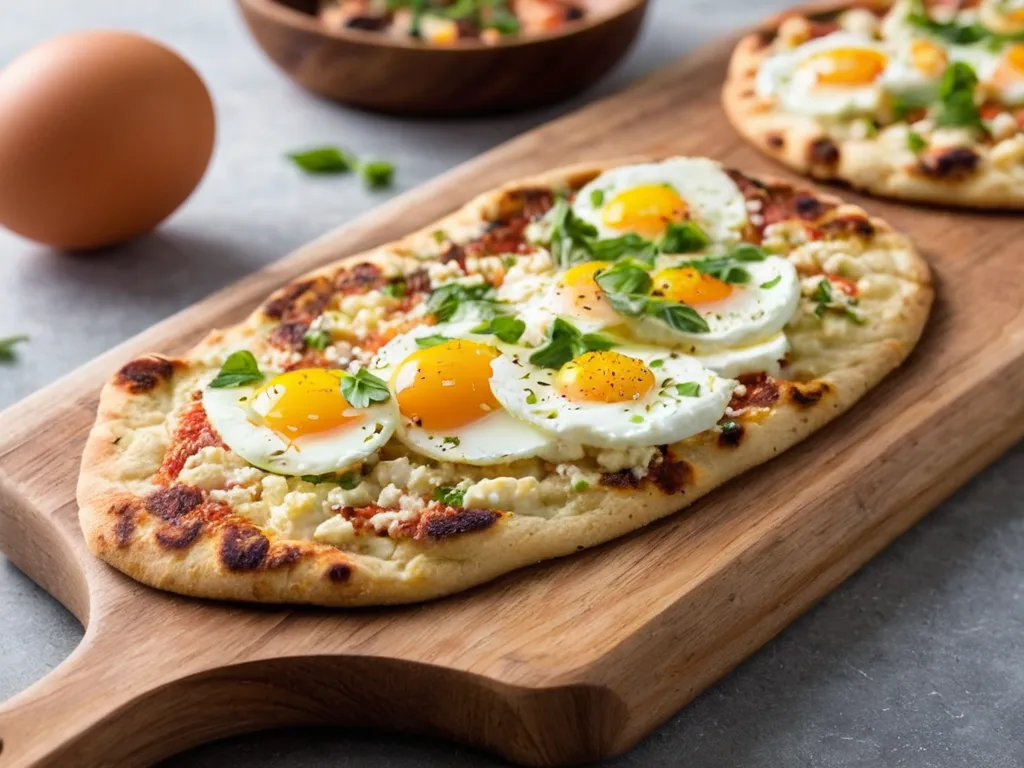
Cottage Cheese Flatbread — The High-Protein Keto Bread That Took Over TikTok
Prep: 5 min | Cook: 35 min | Serves: 2 | Protein per flatbread: ~20g | Carbs per flatbread: ~4g
Cottage cheese flatbread is two ingredients — cottage cheese and eggs — blended smooth, spread on parchment, and baked for 35 minutes. The result is a firm, slightly chewy flatbread with roughly 20g protein and 4g carbs per piece. It went massively viral in May 2024 because it solved a real problem: a high-protein, keto-compatible bread substitute that doesn’t taste like cardboard.
The recipe is simple enough to memorize. But there are a handful of specific points that determine whether you get a firm, satisfying flatbread or a soggy mess — and most tutorials skip them.
TL;DR
1 cup full-fat cottage cheese + 2 eggs + seasonings → blend smooth → spread ¼ inch thick on parchment → 350°F for 35 minutes → cool 10 minutes before removing. Makes 2 flatbreads. ~20g protein, ~4g carbs each. Genuinely keto. The non-negotiables: full-fat cottage cheese, blend until zero lumps, and wait the full 10-minute cool before peeling off the parchment.
What Actually Went Viral (and Why)
In May 2024, Nicole Keshishian Modic (@kalejunkie on TikTok) posted a two-ingredient cottage cheese flatbread — cottage cheese and eggs, no flour, no starch — that spread fast enough to get covered by Good Morning America. Multiple other creators posted similar recipes around the same time, which is typical for TikTok food trends: the timing was right for a keto-friendly, high-protein bread alternative.
The key to the virality was the macro profile. The flatbread is genuinely low-carb (3–5g net carbs per piece) in a way that doesn’t require sacrificing protein. Most keto breads are either extremely high in fat (almond flour/butter heavy) or so low in every macronutrient that they’re not satisfying. Cottage cheese flatbread is filling specifically because of the protein, and the carbs are low enough to fit ketogenic macros without special ingredients.
Note: there’s also a stovetop version made with cottage cheese + flour that’s been circulating for longer. That version is a different product — more like a protein crepe — and is NOT low-carb. The egg-baked version is what people mean when they search “cottage cheese flatbread.” Both are covered below.
The Science: Why Eggs + Cottage Cheese Sets Firm
Two separate proteins coagulate during baking, and both are necessary:
Egg albumin begins denaturing at around 145°F and coagulates fully around 160°F. This is the primary binder — it’s why the batter, which is liquid before baking, becomes solid. Without eggs, cottage cheese alone doesn’t set into anything you could pick up and use as a flatbread.
Casein proteins in the cottage cheese (casein makes up about 80% of milk protein) contribute additional structure. When the cottage cheese is blended, the casein curds break apart and redistribute through the batter. During baking, heat causes the casein proteins to tighten and cross-link with the egg proteins, making the final flatbread denser and chewier than an egg-only product would be.
This is also why the 10-minute cooling period matters: casein coagulation continues after the flatbread exits the oven, and the texture firms up noticeably as it cools. Pull it off the parchment at 5 minutes and the interior is still slightly soft; at 10–15 minutes, it’s fully set.
Why Full-Fat Cottage Cheese Is Worth It
The fat content in cottage cheese (4% milkfat vs. 2% vs. non-fat) affects the final texture in a specific way:
Fat molecules in the cottage cheese distribute through the casein matrix during blending. When the flatbread bakes, this fat coats the protein fibers, making them slightly more flexible and giving the finished product a chewy (rather than rubbery) bite. Low-fat versions have less fat to do this work — the result is a slightly more rubbery, stiffer flatbread that’s also more fragile.
Full-fat (4%): Best texture — cohesive, slightly chewy, holds toppings well. About 206 calories per cup.
Low-fat (2%): Works, slightly less rich. The most common substitute. Marginal texture difference.
Non-fat (0%): Noticeably weaker flatbread — more fragile, slightly rubbery. Works in a pinch, but the quality difference is real.
The calorie difference between full-fat and low-fat for the amount used is about 30–40 calories per flatbread — not enough to make low-fat the obviously correct choice.
Getting the Batter Right
Drain excess whey first. Cottage cheese varies significantly in wetness by brand. Some tubs have visible liquid pooled at the top — this is whey. Excess whey dilutes the batter and is the primary cause of flatbread that won’t set or comes out soggy. If your cottage cheese looks wet, drain it through a fine-mesh strainer for 2–3 minutes before blending.
Blend until zero lumps. This sounds obvious but it’s easy to under-blend. Cottage cheese curds — even “smooth” ones — are denser than the surrounding liquid. Incomplete blending leaves dense white pockets in the batter that cook at a different rate, creating soft spots in the finished flatbread. Blend on high for 30–45 seconds, scrape the sides once, and check: the batter should be completely uniform, with no visible white pieces. An immersion blender in a tall cup works just as well as a countertop blender with less cleanup.
Spread thin. The batter should go to ¼ inch maximum across the parchment. Thinner = crispier exterior and faster cooking. A thick layer insulates the center, creating a flatbread that’s cooked on the outside but soft in the middle. A 9×13 inch pan gives you enough room to spread a single batch thin; if you’re doubling the recipe, use a half-sheet pan.
Topping Ideas and Uses
The flatbread is mild, savory, and garlicky out of the oven. It handles toppings well — it won’t go soggy quickly because the protein structure is dense enough to resist moisture penetration.
Avocado toast format. Spread ½ ripe avocado (mashed with flaky salt and lemon) across the flatbread. Add everything-bagel seasoning, red pepper flakes, and a drizzle of olive oil. Same application as avocado egg toast but with a base that delivers ~20g protein before the avocado.
Pizza base. The flatbread’s density makes it excellent for pizza. Add ¼ cup marinara, shredded mozzarella, and toppings of choice after baking the base. Return to a 425°F oven for 5–7 minutes until cheese melts and the edges crisp slightly. The base provides ~20g protein before any cheese or meat toppings — a slice of this beats a protein powder shake for actual satiety.
Wrap. Top with romaine, sliced chicken, cucumber, and a tahini or tzatziki drizzle. Fold or roll. The flatbread is pliable enough (especially when warm) to roll without cracking, and it doesn’t go soggy the way a flour tortilla does. For the full Mediterranean wrap profile, Greek wrap technique has the specific ratios.
Egg sandwich. Top with a fried or soft-scrambled egg, a slice of cheese, and hot sauce. The flatbread handles egg moisture without falling apart.
Sweet version. Omit the garlic powder and Italian seasoning. Add ½ teaspoon cinnamon and 1 teaspoon honey to the batter instead. Top the baked flatbread with ricotta or Greek yogurt, fresh berries, and a honey drizzle.
Variations
Stovetop Flour Version (Not the Viral Recipe, but Good)
The pre-viral skillet version uses cottage cheese + flour instead of eggs, and cooks in a pan like a pancake. Mix 1 cup cottage cheese + ½ cup all-purpose (or oat) flour + ½ teaspoon garlic powder + ½ teaspoon Italian seasoning → blend smooth → cook in a lightly oiled nonstick pan over medium heat, ¼ inch thick, 3–4 minutes per side. Produces two flatbreads.
This version is NOT keto (~24g carbs per flatbread with AP flour), takes 10 minutes versus 35 minutes in the oven, and produces a result closer to a protein crepe than a flatbread. It’s great if you want something in 10 minutes and don’t care about carbs — the texture is more tender and the flavor is slightly more pancake-adjacent.
Parmesan Herb
Add 2 tablespoons grated Parmesan and ½ teaspoon dried basil to the base batter. The Parmesan helps firm the texture slightly (the additional protein content matters) and adds a sharper savory note. Good base for a caprese-style flatbread with tomato and fresh mozzarella.
Spicy
Add ¼ teaspoon cayenne and ½ teaspoon smoked paprika to the base batter. Works well with toppings that have a cooling component — avocado, Greek yogurt, or cucumber.
Everything Bagel
Replace the Italian seasoning with 1 tablespoon everything-bagel seasoning. Serve with cream cheese or smoked salmon. The sesame-poppy-garlic combination works well with the mild cottage cheese base.
Nutrition
| This flatbread (egg version) | Flour skillet version | Regular sandwich bread (2 slices) | |
|---|---|---|---|
| Calories | ~175 | ~210 | ~140 |
| Protein | ~20g | ~20g | ~5g |
| Carbs | ~4g | ~24g | ~27g |
| Fat | ~8g | ~5g | ~2g |
| Keto-compatible? | Yes | No | No |
The egg version’s protein-to-carb ratio is what makes it stand out. At 20g protein and 4g carbs, it’s closer to eating a chicken breast than eating bread — but with more actual bread utility (you can put stuff on it, fold it, use it as a base).
For comparison: a high-protein cottage cheese-based dessert that uses the same base ingredient with a completely different texture result is cottage cheese ice cream — worth making in the same session since you already have the blender out. For a savory high-protein meal that rounds out the same macro goals, baked oats covers the sweet breakfast side of the TikTok protein trend.
Meal Prep
The flatbread holds well and is worth making in batches:
Refrigerator: Airtight container, parchment between pieces, up to 5 days. Reheat in a dry pan, toaster oven at 350°F for 5–7 minutes, or air fryer at 350°F for 3–4 minutes. Avoid the microwave unless you’re using it as a pizza base — microwaving softens the texture significantly.
Freezer: Stack with parchment between each piece. Freeze in a zip-top bag up to 2 months. Reheat from frozen in an oven or air fryer — the microwave works but produces the softest result.
Batch size: The recipe doubles cleanly. 2 cups cottage cheese + 4 eggs + seasonings fills a half-sheet pan and makes 4 flatbreads in one bake.
Cost
| Per flatbread | Weekly (14 flatbreads) | |
|---|---|---|
| Cottage cheese (½ cup per flatbread) | ~$0.50 | ~$7.00 |
| 1 egg per flatbread | ~$0.20–0.30 | ~$3.00 |
| Seasonings | ~$0.05 | ~$0.70 |
| Total | ~$0.75–0.85 | ~$10–11 |
A commercially made protein flatbread or keto tortilla runs $1.50–3.00 per piece with comparable protein. A protein bar with ~20g protein runs $2.50–4.00. At under $1 per flatbread made at home, the cost-per-gram-of-protein is very hard to beat.