The Cheesecake Factory charges around $13.95 for their Fried Mac and Cheese — eight to ten crispy panko-coated balls of elbow macaroni in a cheddar and smoked Gouda filling, served over a creamy marinara sauce and finished with a sprinkle of Parmesan and fresh parsley. The dish has an unusually well-documented origin: executive chef Brandon Cook, working in the Cheesecake Factory’s test kitchen, was inspired by a macaroni and cheese terrine created by French chef Alain Ducasse, then breaded and fried it because the team needed a way to reheat it for service. It launched as the worst-performing new menu item — and eventually became their second-best-selling appetizer. (Cook has said Ducasse himself is a fan of the chain.)
The recipe is replicable at home if you understand two things: the smoked Gouda, and the freeze.
Most copycat recipes use cheddar only, which is flat and one-dimensional compared to the restaurant’s version. Copycat testing has consistently landed on smoked Gouda as the ingredient that closes the gap — the Cheesecake Factory doesn’t publish its ingredient list, but independent copycat testing from multiple food sites converges on this blend. The smokiness is the flavor you taste but can’t quite identify — savory, slightly sweet, with a gentle campfire quality that cheddar alone can’t produce. The freezing step is the technique most recipes minimize or skip entirely, which is why most homemade fried mac falls apart in the oil. The cheese filling must be nearly solid when it hits hot oil or it melts and bursts before the panko crust can seal.
TL;DR: Make thick mac with cheddar + smoked Gouda + cream cheese binder. Chill 2 hours, freeze 1 hour, scoop into balls, double-coat in seasoned panko, freeze 30 more minutes. Fry at 360°F for 3–4 minutes until deep gold. Serve over cream-enriched marinara.
The Smoked Gouda — What Copycat Testing Consistently Finds
If you make fried mac with cheddar alone, the result is sharp and cheesy but flat. The Cheesecake Factory version has a depth that cheddar-only doesn’t produce. The Cheesecake Factory keeps its ingredient list proprietary, but independent copycat testing from multiple recipe sites has consistently identified smoked Gouda as the missing piece — the cheese that produces the depth, smokiness, and slightly sweet undertone that distinguishes the restaurant’s filling.
Smoked Gouda is a mild Dutch cheese with a natural-smoke ring on the exterior that permeates the paste over time. The smokiness is not intense — this isn’t mesquite or liquid smoke — it’s a background note that adds a savory sweetness and a faint campfire quality that sharp cheddar can’t replicate. When melted together, the two cheeses produce a sauce with more complexity than either alone: the sharpness of aged cheddar, the smoky depth of Gouda, and the slightly sweet, mild creaminess that gives the filling its restaurant character.
Use a block and shred it yourself. Pre-shredded Gouda (like most pre-shredded cheese) contains cellulose or starch to prevent clumping, which interferes with melting and can produce a slightly grainy or streaky sauce. A block of smoked Gouda from the deli counter or cheese section — shredded immediately before use — melts into a smooth, glossy sauce with none of that graininess.
The third cheese — cream cheese — serves a structural purpose, not a flavor one. Its stabilizers help the filling set firm when chilled, so it can be scooped, rolled, and handled without crumbling. You don’t taste it in the finished bite.
Why the Mac Needs to Be Thicker Than Normal
Regular baked mac and cheese is made with enough sauce to stay creamy and flowing in the oven. That same ratio would be a disaster for fried mac — too liquid to scoop into balls, too soft to hold a breading, too thin to stay intact for 3–4 minutes in hot oil.
Fried mac filling is intentionally made stiffer: less cream per cup of pasta than a baked version, and the sauce is reduced more before the pasta goes in. The result, when warm, feels almost overdone — thick, stiff, denser than what you’d want to eat straight. When chilled and then scooped, it holds its shape like cold mashed potatoes.
If your filling looks loose or flowing at room temperature, the final fried bites will burst. Thicken the sauce by cooking an additional 1–2 minutes before adding the pasta. It should be visibly thick — coating a spoon in a heavy layer, not dripping off.
The Freezing Step: Why It Matters
At 360°F, the cheese filling begins liquefying within seconds of hitting the oil. The panko crust needs approximately 45–60 seconds at temperature to fully set and seal the exterior. If the filling is only chilled (40°F), it’s already melting by the time the crust seals. Pressure builds inside, the crust fails at its weakest point, and the bite opens in the oil.
At freezer temperature (0°F), the filling has to absorb considerably more heat energy before it reaches melting point. The panko seals. The interior approaches melt temperature gradually. When you bite through the crust, the filling flows — rather than having already escaped.
The minimum sequence:
- Refrigerate at least 2 hours after making (fills the refrigerator temperature threshold)
- Freeze 1 hour (firms the interior, not just the surface)
- Scoop and form into balls
- Freeze 30 more minutes (re-firms after handling)
- Double-coat with panko
- Freeze 30 more minutes (the breading picks up some moisture from handling; refreezing ensures they’re fully firm when they hit the oil)
Longer freezing is always better. If you make these the day before, freeze after breading and fry directly from the freezer — just add 1–2 minutes to the fry time.
The Double-Coat Breading
A single panko coat has gaps. Every spot where the egg wash was thin, where a piece of pasta created a concave surface, or where two balls touched during formation is a potential failure point where oil contacts the filling before the crust has sealed.
The sequence: flour → egg → panko → egg → panko.
The first flour coat gives the egg wash a dry surface to adhere to (the cheese filling is moist and slippery). The first panko creates a textured shell that gives the second egg wash something to grip. The second panko seals gaps and builds crust thickness. After the second coat, press each ball firmly between your palms — compress the breading into the surface on all sides so it bonds rather than sitting loosely.
Season the panko: garlic powder, smoked paprika, cayenne, and salt mix evenly into the breadcrumbs. The seasoning carries into the crust and adds a faint spiced note to every bite that contrasts with the rich filling inside. Unseasoned panko tastes flat against the smoked Gouda filling.
Frying: Temperature and Batch Control
360°F is the target. Below 340°F, the breading absorbs oil rather than immediately crisping — greasy coating, extended fry time, worse structural integrity. Above 380°F, the exterior browns too fast, leaving the interior under-melted. Use a thermometer; guessing oil temperature is how batches go wrong.
3–4 bites at a time. Each cold bite drops the oil temperature. A handful of bites in a properly sized pot causes a manageable drop and recovers quickly; eight bites at once causes a significant drop into the absorption zone.
Let the oil return to 360°F between batches. It takes about 1–2 minutes. Bites from properly maintained oil are visibly different — deeper color, crispier crust, more uniform exterior.
Fry 3–4 minutes per batch, turning once. The color should reach dark gold, not light yellow. Light gold means the oil hasn’t had time to heat the interior fully — cut one open to check if unsure; if the center is still firm, add 30–45 seconds.
Transfer to a wire rack set over a sheet pan. Not paper towels — towels trap steam under the bite and the bottom crust softens in the first 30 seconds. Wire rack keeps all surfaces crispy for 5–7 minutes.
The Creamy Marinara
The Cheesecake Factory serves their fried mac “over a creamy marinara sauce” — their own menu description. This is not the same as plain jarred marinara: it’s slightly enriched with cream, which smooths the texture and softens the acidity enough to balance the richness of the fried cheese filling. The pairing works because the tomato acid cuts through the fat rather than complementing it; a pure cheese-based dipping sauce (like queso or cream sauce) would be fat-on-fat and significantly heavier.
To make it: warm 1 cup of good marinara (Rao’s Homemade is the standard recommendation for restaurant-quality jarred sauce) with 2 tablespoons of heavy cream, a pinch of garlic powder, and optional red pepper flakes. Heat gently — the cream is there for texture, not flavor, and doesn’t need to reduce. Serve in a small dish for dipping or pool it in a shallow bowl and set the bites on top, restaurant-style. The restaurant finishes the plate with a light sprinkle of grated Parmesan and chopped fresh parsley over the bites — a two-second garnish that closes the gap between “homemade” and “the actual appetizer.”
If you want to substitute: an arrabbiata sauce (spicy marinara with extra red pepper) is an excellent swap that adds heat. A simple tomato cream sauce (heavier cream ratio) is richer but works. Plain jarred marinara without the cream addition is the least good option — the texture is too thin and the acidity too sharp without the cream to smooth it.
Air Fryer Version
The air fryer produces a genuinely crispy result — different from deep-fried, but good.
Preheat to 400°F. Spray each frozen, double-coated bite generously with cooking spray before cooking — without it, the panko dries out rather than browning and the exterior goes pale and dusty. Cook 8–10 minutes, turning once at the 5-minute mark, until deep golden.
Differences from the deep-fried version: color is slightly less uniform (the sides facing up during the first half will be lighter), the crust is crunchier and has a slightly drier texture, and the interior melt is the same — the smoked Gouda is fully liquid inside. For a party, the air fryer is the practical choice: consistent results without monitoring oil temperature, and you can run batches continuously.
Make-Ahead for a Party
These are unusually well-suited for advance prep. The full sequence:
- Make the mac and cheese filling and chill it in a baking dish — up to 3 days in advance.
- Scoop, form, and double-coat the bites — up to 2 weeks in advance.
- Freeze on a parchment-lined sheet pan until solid (about 2 hours), then transfer to a zip-lock bag.
On the day: pull them straight from the freezer and fry or air fry without thawing. Add about 1–2 extra minutes to the fry time since they’re starting completely frozen. No temperature adjustment needed.
For a party where you need to serve batches over time, the air fryer is the better tool — no open pot of hot oil, no temperature monitoring, and you can run consecutive batches while talking to guests. For a single large batch served at once, deep frying is faster and produces a more restaurant-accurate crust.
One thing to avoid: thawing before frying. Partially thawed bites have the worst of both worlds — the filling has begun to soften but the outer surface is wet, which causes the breading to steam rather than crisp. Fry them hard-frozen every time.
Cost: Restaurant vs. Homemade
| Restaurant | Homemade | |
|---|---|---|
| Price | ~$13.95 per appetizer | ~$7–9 for the same yield |
| Quantity | 8–10 bites | 8–10 bites |
| Per bite | ~$1.40–1.75 | ~$0.70–0.90 |
| Dipping sauce | Included | ~$0.50 of pantry staples |
The homemade version runs about 55–65% of the restaurant price. Once you have the bites frozen and ready, the active frying time is 15 minutes. The up-front investment — a fry thermometer, a bottle of neutral oil — is amortized across multiple uses.
Other Cheesecake Factory Appetizers Worth Making
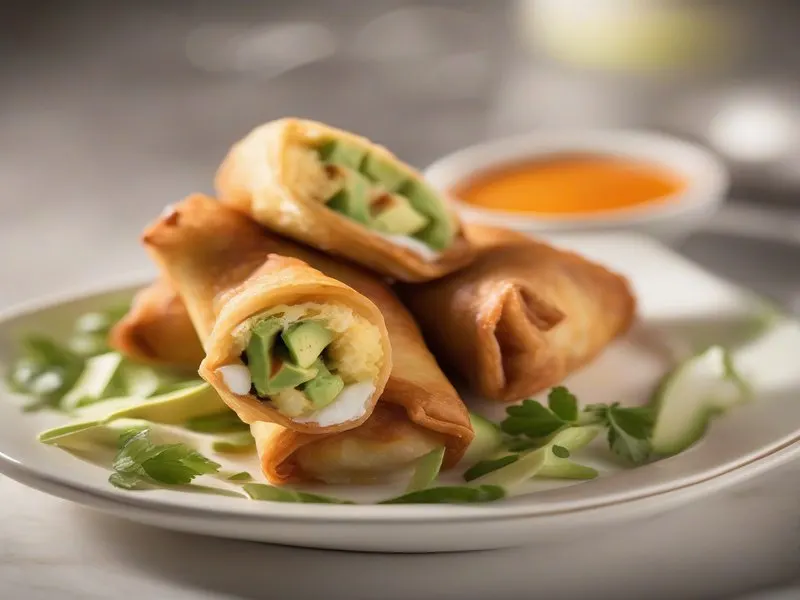
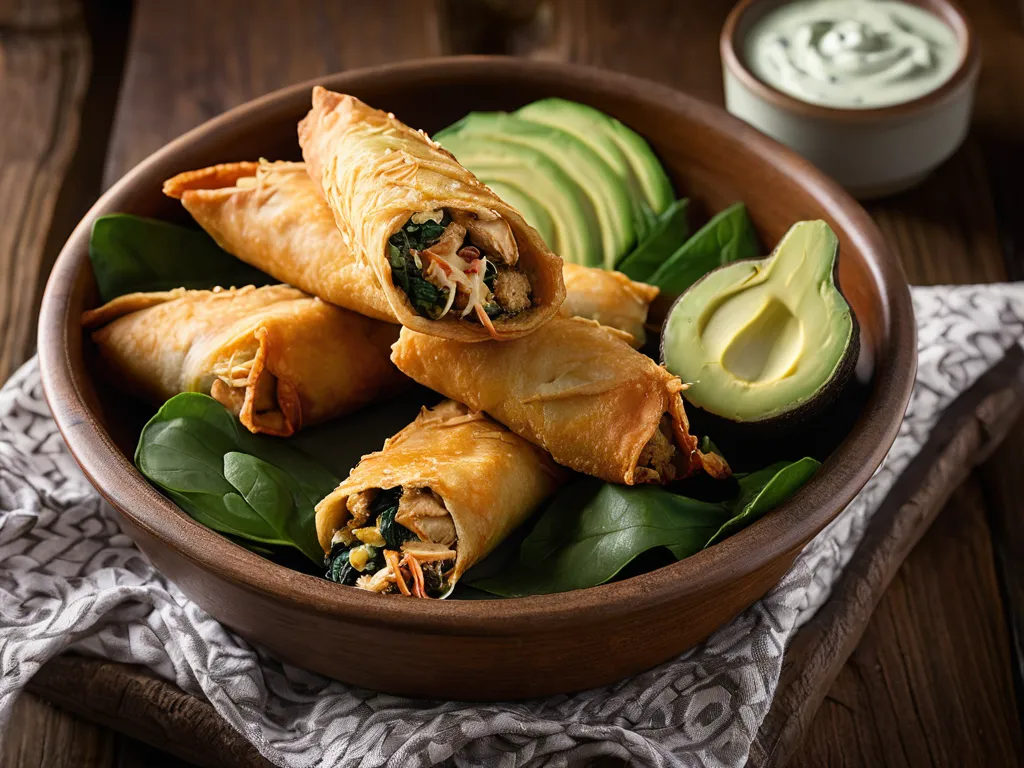
Cheesecake Factory Avocado Egg Rolls use the same deep-frying technique and are similarly freeze-ahead friendly — an excellent second appetizer when you’re already managing hot oil. Cheesecake Factory Bang Bang Chicken is their most popular crispy-chicken appetizer, also panko-coated and served with a spicy cream sauce. For a different mac and cheese comparison, Panera Mac and Cheese uses a white cheddar sauce with a completely different character — less smoked, more sharp and clean. Cheesecake Factory Four Cheese Pasta applies a similar four-cheese thinking to a full cream-sauce pasta dish.