Pin It

Panera Mac and Cheese Copycat Recipe (With the Real Secret Ingredient)

Panera Mac and Cheese Copycat Recipe (With the Real Secret Ingredient)
Jump to Recipe
Prep 5 min Cook 20 min Serves 4
Quick answer: Panera mac and cheese is made with pipette rigate pasta (not shells) in a sodium citrate cheese sauce — not a traditional béchamel. The sodium citrate emulsifies the cheese directly with liquid, producing the silky, lump-proof consistency that sets it apart. At home: dissolve 1½ tsp sodium citrate in 1 cup warm milk, stir in 8 oz shredded white cheddar, combine with cooked pipette rigate. Done in 25 minutes. One more thing: Panera's mac is not made fresh — it arrives in frozen bags and is reheated in-store. The from-scratch version you make at home is genuinely better.
Panera Mac and Cheese Copycat Recipe (With the Real Secret Ingredient)

Panera Mac and Cheese Copycat Recipe (With the Real Secret Ingredient)

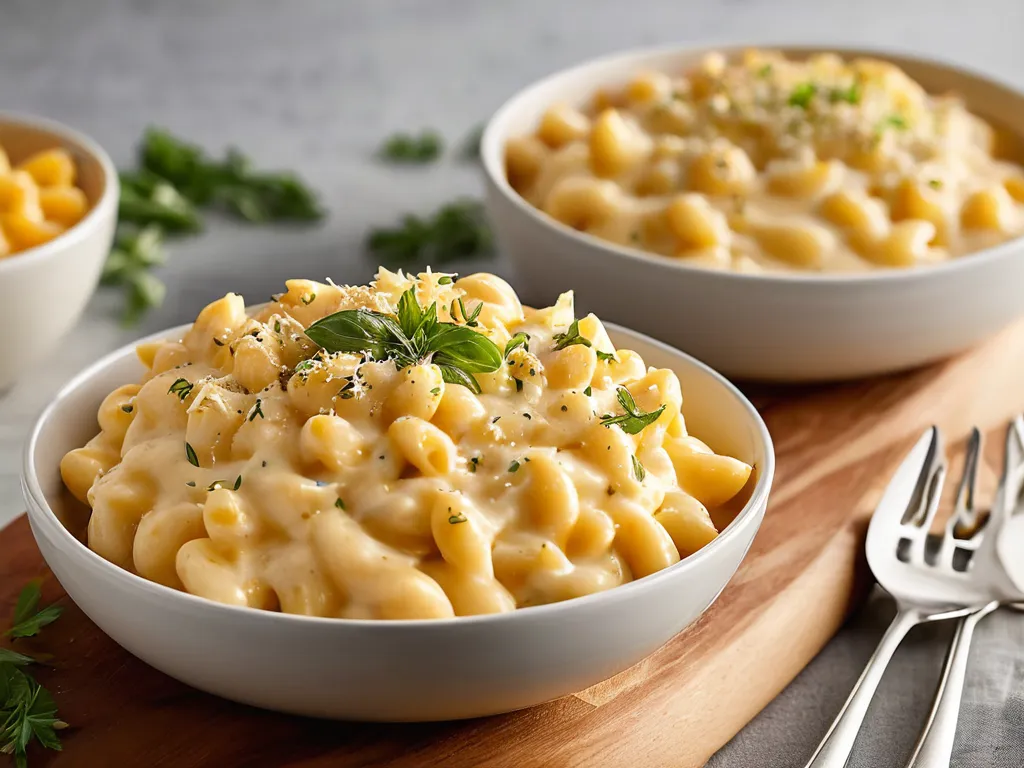
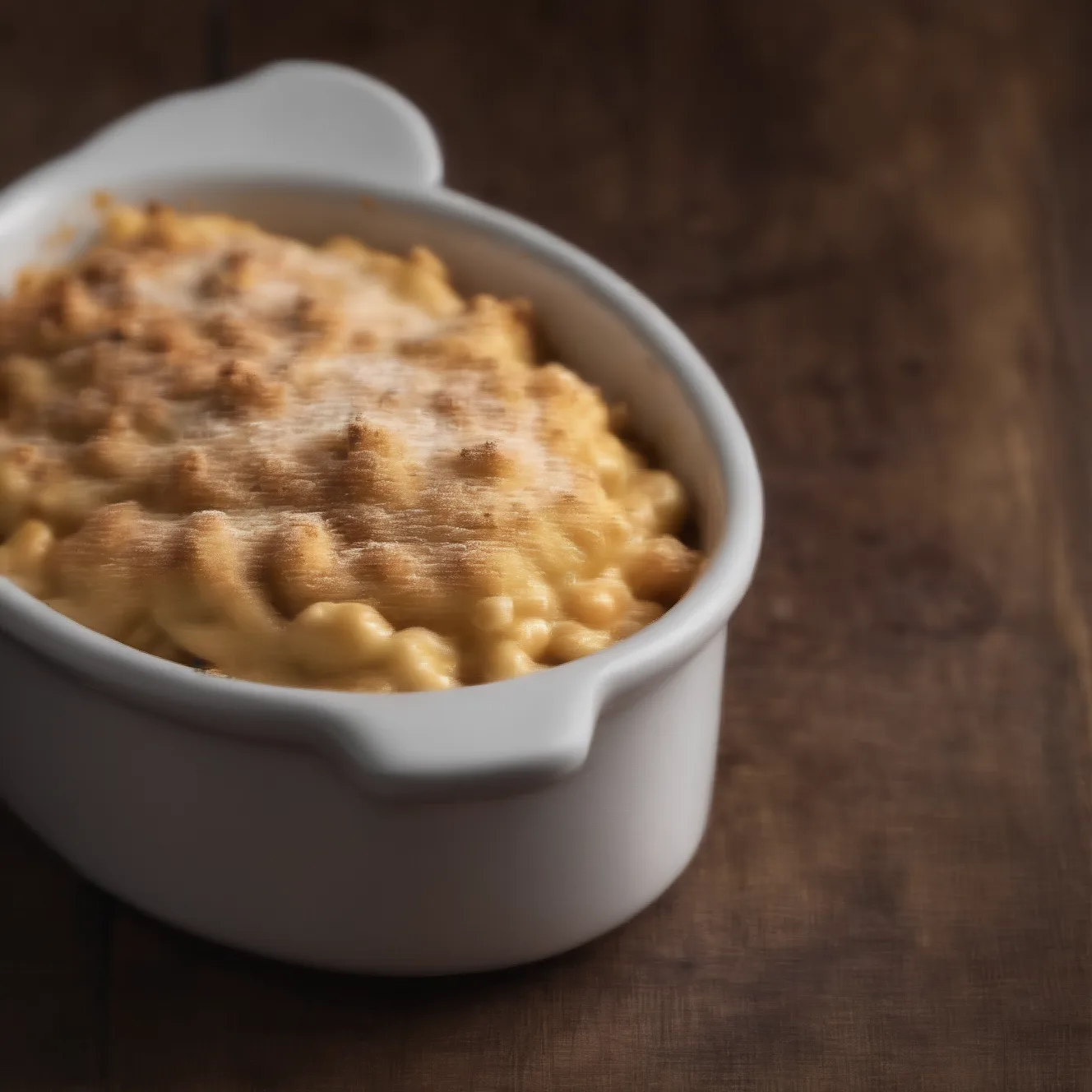
The exact reason Panera's mac and cheese is so impossibly smooth: it's not a béchamel, it's not made fresh, and it's not shells. This copycat uses sodium citrate and pipette rigate pasta to nail the real texture.

Easy Prep: 5 min Cook: 20 min Total: 25 min4 servings ~$2.45/serving
Prep5 min
Cook20 min
Total25 min
Servings
4
At home~$2.45/serving
vs
Restaurant~$11.02/serving
You save ~78%

Ingredients

Instructions

💡
Pro tip: This recipe tastes even better the next day. The flavors need time to meld together in the fridge.
❄️
Storage: Keeps in an airtight container in the fridge for up to 2 weeks. Freezer-friendly for up to 3 months.
~350-550 cal/serving · Rich & Indulgent🔥

The Story Behind the Recipe

Panera mac and cheese is consistently voted the best fast-casual mac in the country. People try to clone it at home with all kinds of cheese combinations — white cheddar, Fontina, Gruyère, Velveeta — and none of them quite land. The reason is that they are solving the wrong problem.

The dish does not get its smooth, almost impossibly silky texture from a careful béchamel or a particular blend of cheeses. It gets it from sodium citrate.

The Real Secret: Sodium Citrate, Not a Roux

Panera’s ingredient statement lists white cheddar, milk, cream, whey, and — the tell — sodium citrate. That last one is the same emulsifying salt behind Kraft Singles and every smooth, meltable processed cheese product. Sodium citrate breaks the surface tension between cheese proteins and fat, letting them dissolve into liquid smoothly instead of seizing into a clumpy, greasy mess.

The mechanism: when cheese melts, the proteins and fat want to separate. An emulsifying salt binds to the calcium in the cheese proteins, pulling them into solution with the liquid rather than allowing them to aggregate into strings or grease. The result is a stable, glossy emulsion that holds without flour, without heat control, and without breaking if you stir it too long.

A traditional béchamel-based mac works by using flour as a thickener to hold the cheese in suspension. It is functional, but it is never as glossy or lump-proof as a sodium citrate version. The texture ceiling is lower, and the sauce can turn grainy if overheated or if the wrong cheese is used.

Sodium citrate removes those failure modes entirely. You heat milk to 150°F, dissolve sodium citrate into it, add shredded cheddar in stages, and it melts into a stable, silky sauce with almost no technique required.

The Pasta: Pipette Rigate, Not Shells

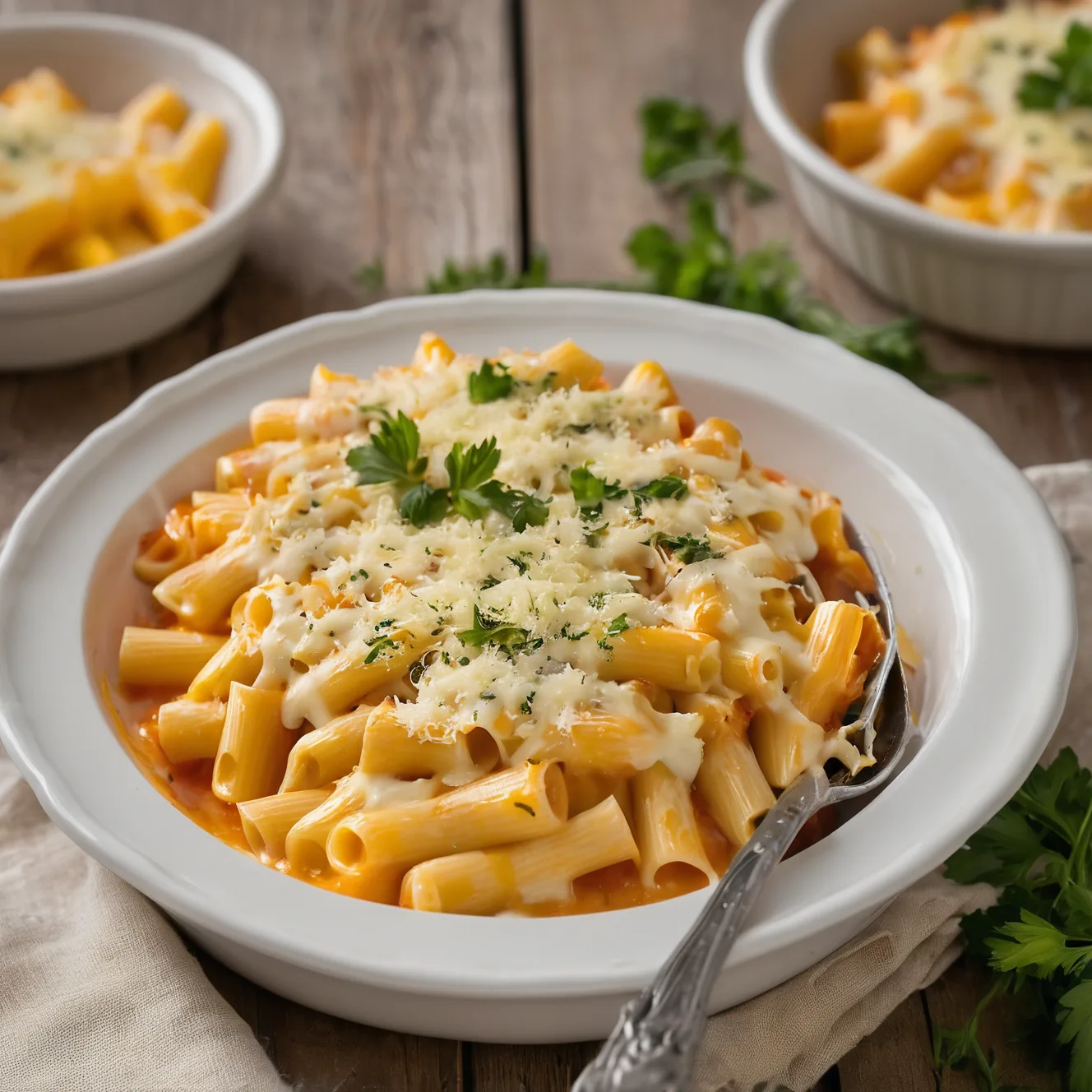
The second correction worth making: the cafe dish uses pipette rigate, not shells. Pipette means “little pipe” in Italian — it is a short, curved tube with ridges on the outside. The curve creates a pocket that holds sauce inside while the ridges grip sauce on the exterior. It is a more purpose-built shape for thick, creamy sauces than shells, which tend to flatten and trap less. Panera’s own product description names pipette rigate specifically; the widespread “shells” assumption comes partly from the viral video (where reporters described the frozen contents as shells) and from shelf-stable grocery packaging that has used a shell shape. For the You Pick Two side everyone means, it’s pipette rigate.

Pipette rigate is available at Italian grocery stores, Whole Foods, and on Amazon. If you cannot find it, cavatappi (a spiral tube) is the closest substitute. Standard elbow macaroni works but delivers a noticeably different texture — it holds less sauce per piece and lacks the ridged grip.

How Panera Actually Makes It (It’s Not Made Fresh)

This is the detail the restaurant prefers you not think about: Panera mac and cheese is not made fresh in the restaurant.

It arrives at stores frozen in sealed bags, prepared off-site in a central production facility. In-restaurant, the bags go into a simmering vat of hot water for about 20 minutes — a process called re-thermalization — then get portioned directly from the bag for each order. Panera confirms this on their own customer support page and has acknowledged that “the product is made off-site with their proprietary recipe.”

This became widely known in October 2019, when a Panera employee posted a TikTok showing a cardboard box of frozen, portioned mac and cheese bags being dropped into a vat of hot water. The clip drew more than a million likes; the employee later said she lost her job over it. Panera runs more than 2,000 U.S. bakery-cafes and mac and cheese is one of its best-selling sides — a volume that is simply not feasible to cook fresh to order at every location, which is why the dish is produced centrally and shipped frozen.

None of this changes the fact that the dish tastes good. The sodium citrate sauce is stable through freeze-thaw cycles in a way that a natural-cheddar béchamel is not — which is precisely why Panera chose this emulsification approach in the first place. But it does mean that when you make this recipe at home, you are making something demonstrably fresher: you choose the cheese quality, you control the sodium, and you serve it immediately instead of out of a re-thermalized bag.

The from-scratch version, made with a good block of aged white cheddar and served within minutes, has more depth and a more pronounced cheese flavor than what you get at Panera. That gap widens with better cheese.

Why Block Cheese Matters Here

Pre-shredded cheese contains anti-caking agents — usually cellulose (wood pulp) or potato starch — that interfere with the sodium citrate emulsification. These agents coat the cheese shreds and prevent the emulsifying salt from binding properly, which can cause the sauce to turn gritty or develop an unpleasant powdery texture.

Buy a block of sharp white cheddar and shred it yourself. The difference is significant and consistent: every sauce I have tested with pre-shredded cheese has had texture issues that the block-shredded version avoided.

Aged vs. mild: Aged white cheddar (12 months or more) produces a sharper, more complex sauce with a pronounced cheddar bite. Milder white cheddar gives a creamier, softer flavor that is closer to what Panera serves. The commercial product is intentionally mild — the sauce is meant to be broadly appealing, not assertive. If you want to match Panera closely, use mild or medium white cheddar. If you want something better, use aged.

One-to-one white cheddar: Avoid blending in sharp yellow cheddar — the annatto-based color additive can slightly affect emulsification and turns the sauce an orange that reads as mac-and-cheese-generic rather than Panera’s distinctive pale yellow-white. Stay all-white cheddar for both color and flavor fidelity.

The Sodium Citrate Source

Food-grade sodium citrate is available on Amazon (Modernist Pantry, Hoosier Hill Farm, and Texturas are common brands) and at restaurant supply stores. A one-pound bag costs $8–$12 and makes hundreds of batches — you only need 1½ teaspoons per pound of pasta. Once you have it, you will use it for every stovetop mac you make.

Substitution note: some guides suggest using American cheese (which contains emulsifying salts already) or Velveeta instead of sodium citrate. Both work, but they bring their own flavor profiles and significantly more sodium than adding sodium citrate to natural cheddar. The sodium citrate approach lets you use whatever cheese you want — any natural cheddar, Gruyère, Fontina, or blend — and still get the same silky emulsion.

Troubleshooting
ProblemLikely causeFix
Sauce is grainy or grittyPre-shredded cheese with anti-caking agentsStart over with block cheese; don’t salvage
Sauce broke and looks oilyToo much cheese for the sodium citrate, or cheese dumped in all at onceWhisk in 1–2 tbsp warm milk to re-emulsify; next time add cheese in smaller handfuls
Sauce is too thickPasta absorbed too much liquidAdd reserved pasta water, 1 tbsp at a time, over low heat
Sauce is too thinToo much pasta water added, or sauce underreducedStir over medium-low 1–2 min until it thickens; don’t add flour
Sauce tastes flatUndersalted, or mild cheddar usedAdd more salt and a pinch more dry mustard; both amplify perceived cheese flavor
Sodium citrate not dissolvingMilk too cold (below 130°F)Heat milk to 150°F before adding sodium citrate; whisk longer
Pasta not coated evenlySauce too cold at combine stepWarm sauce to steaming before adding pasta; toss immediately
Variations

Broccoli Mac (Panera’s signature add-on). Steam 1 cup of small broccoli florets until just tender, 3–4 minutes. Fold into the finished mac with the pasta. This is Panera’s most-ordered customization and adds fiber and color without changing the sauce. If the broccoli releases water, the sauce will thin slightly — compensate with a touch less pasta water.

Three-Cheese Version. Replace 2 oz of the white cheddar with 2 oz of Gruyère. The sodium citrate handles both cheeses; Gruyère adds a nutty, slightly earthy note that makes the sauce more complex without changing the technique. Do not exceed 25% Gruyère — it has less fat than cheddar and can make the emulsion slightly less glossy in larger proportions.

Sharp Aged Cheddar Upgrade. Use a 24-month aged sharp white cheddar (Cabot Clothbound, Grafton Village 2-year, or similar) in place of standard sharp white. The sauce will be more pungent, more complex, and noticeably less forgiving — aged cheddars have lower moisture content and need the temperature control to be precise (keep it under 160°F). Worth it if you want to see how far the recipe goes.

Spicy Mac. Add ¼ tsp cayenne and ½ tsp hot sauce (Crystal or Frank’s) to the sauce after the cheese fully melts. The emulsion handles both additions without breaking. A drizzle of chili oil on top at serving adds heat without integrating it into the sauce — better if you’re making a batch for mixed spice preferences.

Vegan Version. Use oat milk in place of whole milk (the fat content is similar enough for sodium citrate emulsification) and a commercial vegan white cheddar block (Violife is the most consistent). The emulsion works — vegan cheese typically has less protein than dairy cheddar and emulsifies slightly differently, so the sauce will be a touch thinner. Use 1¾ tsp sodium citrate instead of 1½.

Restaurant vs. Home: How It Compares
Panera (cup)Panera (bowl)Boston Market (side)KFC (individual)CFA Mac (small side)
Calories~480~960~280~140~270
Sodium~1,150mg~2,300mg~1,050mg~590mg~710mg
PastaPipette rigatePipette rigateElbow / penneElbowElbow
Cheese baseWhite cheddar + sodium citrateWhite cheddar + sodium citrateProcess AmericanYellow cheddarPasteurized cheese blend (cheddar, Montamore, parmesan, asiago)
Made fresh?No (frozen bags)No (frozen bags)No (packaged)NoNo

Panera’s sodium count is the steepest in the category — the bowl is essentially a full day’s sodium. The home version here lands at ~1,070mg per serving (from 1 lb pasta, 4 servings), which is high by everyday standards but manageable if you control the salt and use 1 tsp sodium citrate instead of 1½.

Cost Comparison
PaneraHomemade (1 lb pasta)
Single cup/side~$5.49–6.49~$4.00 total recipe ÷ 4 = ~$1.00/serving
Full bowl~$9.99–11.49
Per 4 servings~$22–26~$4.00

The home version costs roughly 90% less per serving. The sodium citrate itself is the only unusual ingredient cost — about $0.10 per batch from a bulk bag.

Make-Ahead and Storage

Same day: Make the sauce and pasta separately, combine only when serving. The sauce holds for 30 minutes off heat if covered, then needs a quick re-warm over low with a splash of milk before combining.

Refrigerator (up to 3 days): Store sauce and pasta in separate containers. Reheat the sauce in a saucepan over low heat with 2–3 tablespoons of whole milk per serving, whisking until smooth and steaming, then fold in the pasta. The sodium citrate stays active through refrigeration and reheating.

Do not freeze the sauce. Sodium citrate emulsions can survive one freeze-thaw cycle (Panera’s production does exactly this), but home cooks rarely have the industrial blast-chilling equipment that maintains texture through freezing. The sauce typically breaks on thaw at home, producing a grainy, separated result.

Batch meal prep: This recipe doubles well. Make 2 lbs of pasta and double the sauce. Portion into individual containers with pasta and sauce pre-combined; reheat in a saucepan with a tablespoon of milk per serving rather than microwaving.

More Panera Bread Copycat Recipes
  • Panera Broccoli Cheddar Soup — the other Panera comfort classic; thick cheddar soup with broccoli florets, excellent alongside the mac.
  • Panera Tomato Soup — smooth, velvety, and the natural mac pairing; order both together at Panera and replicate both at home.
  • Panera Bread Bowl — the sourdough vessel; hollow it out and serve the mac inside for the full Panera dinner experience.
  • Panera Chicken Noodle Soup — a lighter Panera comfort classic for when the mac feels too heavy.

See all Panera Bread copycat recipes →
Nutrition Facts

Per serving (4 servings)
Calories660
Total Fat22g
Total Carbs84g
Dietary Fiber3g
Sugars5g
Protein30g
Sodium1070mg

* Estimated values based on standard recipe preparation. Actual values may vary.

🥗

Make It Healthier

Love Panera Mac and Cheese Copycat Recipe (With the Real Secret Ingredient) but want a lighter version? Try these simple swaps:

  • Use 2% milk instead of whole — the sodium citrate is what creates the emulsion, not the fat content, so the sauce stays smooth.
  • Reduce sodium citrate to 1 teaspoon and compensate with less added salt — this brings the sodium per serving down significantly.
  • Stir in 1 cup of finely chopped steamed broccoli with the pasta — it is Panera's most popular mac pairing and adds fiber without changing the sauce.
  • Use 6 oz cheddar instead of 8 oz and increase milk to 1¼ cups for a lighter sauce that still coats well.

Equipment You'll Need

Large saucepan or wide skillet

For building the cheese sauce and tossing the pasta

Whisk

For dissolving sodium citrate and incorporating cheese

Large pot

For boiling the pipette rigate

Kitchen thermometer (optional)

Helps you warm the milk to about 150°F before melting in the cheese — the sauce is forgiving, but gentle heat gives the smoothest result

Frequently Asked Questions

What pasta shape does Panera use in their mac and cheese?

Panera uses pipette rigate — a short, curved pasta shaped like a small pipe with ridges on the outside. The curved shape cradles the cheese sauce inside each piece while the ridges grip it on the outside, so every bite is fully coated. It is distinct from shells (conchiglie). Pipette rigate is available at Italian grocery stores, Whole Foods, and online; cavatappi or elbow macaroni are the closest mainstream substitutes, though both deliver a noticeably different texture.

Does Panera mac and cheese use a béchamel sauce?

Not in the classic sense. The signature smoothness comes from sodium citrate, an emulsifying salt that appears right in Panera's ingredient statement — the same technology behind processed cheese. The full retail ingredient list also includes small amounts of wheat flour and corn starch as stabilizers, so it is not a pure emulsion either, but sodium citrate (not a flour-based roux) is what does the heavy lifting on texture. Sodium citrate keeps the cheese proteins from clumping, producing a glossy, lump-proof sauce that a traditional béchamel struggles to match.

Is Panera mac and cheese made fresh in the restaurant?

No. Panera mac and cheese is prepared off-site and delivered to stores frozen in bags. It is reheated to order, typically in boiling water or a steam kettle. This is documented by former Panera employees and confirmed by Panera's own You Pick Two model, which requires consistent texture and portion control across thousands of locations — difficult to achieve with fresh-made pasta sauces. The home version you make from scratch using sodium citrate is genuinely fresher and has more direct control over sodium and cheese quality.

What is sodium citrate and where do you buy it?

Sodium citrate is a salt derived from citric acid — the same compound used to make processed cheese slices smooth and meltable. It acts as an emulsifying salt, breaking the surface tension between cheese proteins and fat so they blend with liquid instead of seizing or breaking. It has a mild, slightly tangy flavor that disappears into the sauce. Buy food-grade sodium citrate on Amazon (Modernist Pantry, Hoosier Hill Farm) or at restaurant-supply stores for about $8–$12 per pound — that makes hundreds of batches since each recipe uses only 1½ teaspoons.

How many calories are in Panera's mac and cheese?

A cup of Panera mac and cheese (the 8 oz side) has approximately 480 calories, 16g protein, 34g carbs, 32g fat, and 1,150mg sodium. The full bowl roughly doubles that: about 960 calories, 32g protein, 68g carbs, 64g fat, and 2,300mg sodium — a full day's sodium in one order. (The kids' size is approximately 470 calories.) Sodium runs high because of the cheese, added salt, and the emulsifying salts in the commercial preparation.

Can I make Panera mac and cheese ahead of time?

Yes, though the sodium citrate sauce does not reheat as cleanly as a béchamel. Refrigerate the sauce and pasta separately for up to 3 days. Reheat the sauce in a saucepan over low heat with 2–3 tablespoons of whole milk per serving, whisking until smooth, then fold in the pasta. Do not microwave the sauce directly — uneven heat can break the emulsion. If it does break, whisk in a splash of warm milk off heat and it will usually come back together.

What cheese does Panera use in their mac and cheese?

Panera uses white cheddar — specifically a combination of white cheddar cheese and cream in a processed-cheese-style sauce stabilized by sodium citrate. The retail packaged version (sold in grocery stores) lists white cheddar, milk, cream, sodium citrate, and stabilizers. At home, buying a block of sharp white cheddar and shredding it yourself produces the best result. Aged white cheddar (12+ months) gives a sharper, more complex sauce; milder white cheddar is closer to Panera's commercial flavor profile.

Love this recipe? Share it!

Shop the tools

The right tools make all the difference. We earn a small commission if you buy through these links — at no extra cost to you.

Free PDF: our 12 most-wanted copycat recipes — instant download.

Ratings & Reviews

No ratings yet

Rate this recipe

Click a star to rate

Leave a Review

0/500

CS

Copycat Spices Test Kitchen

Every recipe on Copycat Spices is developed and tested in our home test kitchen. We reverse-engineer beloved restaurant dishes and refine each one until the flavors and the instructions work reliably for home cooks of all skill levels.

Learn more about our mission →