Chili’s Honey Chipotle Sauce
Prep time: 5 min
Cook time: 5 min
Yield: about 1 cup (8 servings of 2 tablespoons)
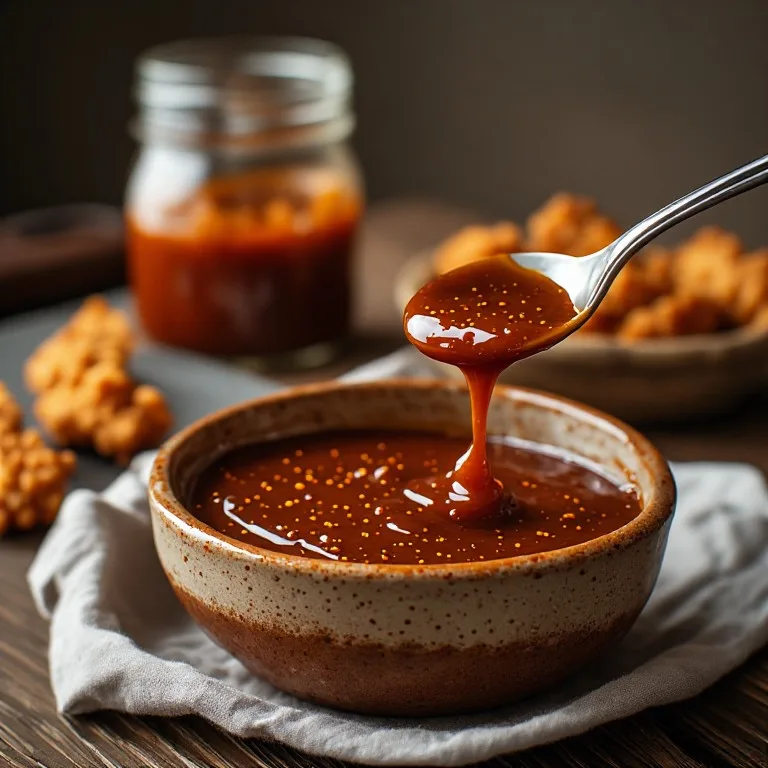
Chili’s honey chipotle sauce is one of those restaurant condiments people love enough to search for independently — not just as a recipe component, but as something worth making a batch of to keep in the refrigerator. The flavor is distinctive: smoky from the canned chipotle peppers, genuinely sweet from half a cup of honey, with ketchup and apple cider vinegar doing the background work of body, color, and brightness. It is not hot sauce. It is not honey mustard. It sits in its own category.
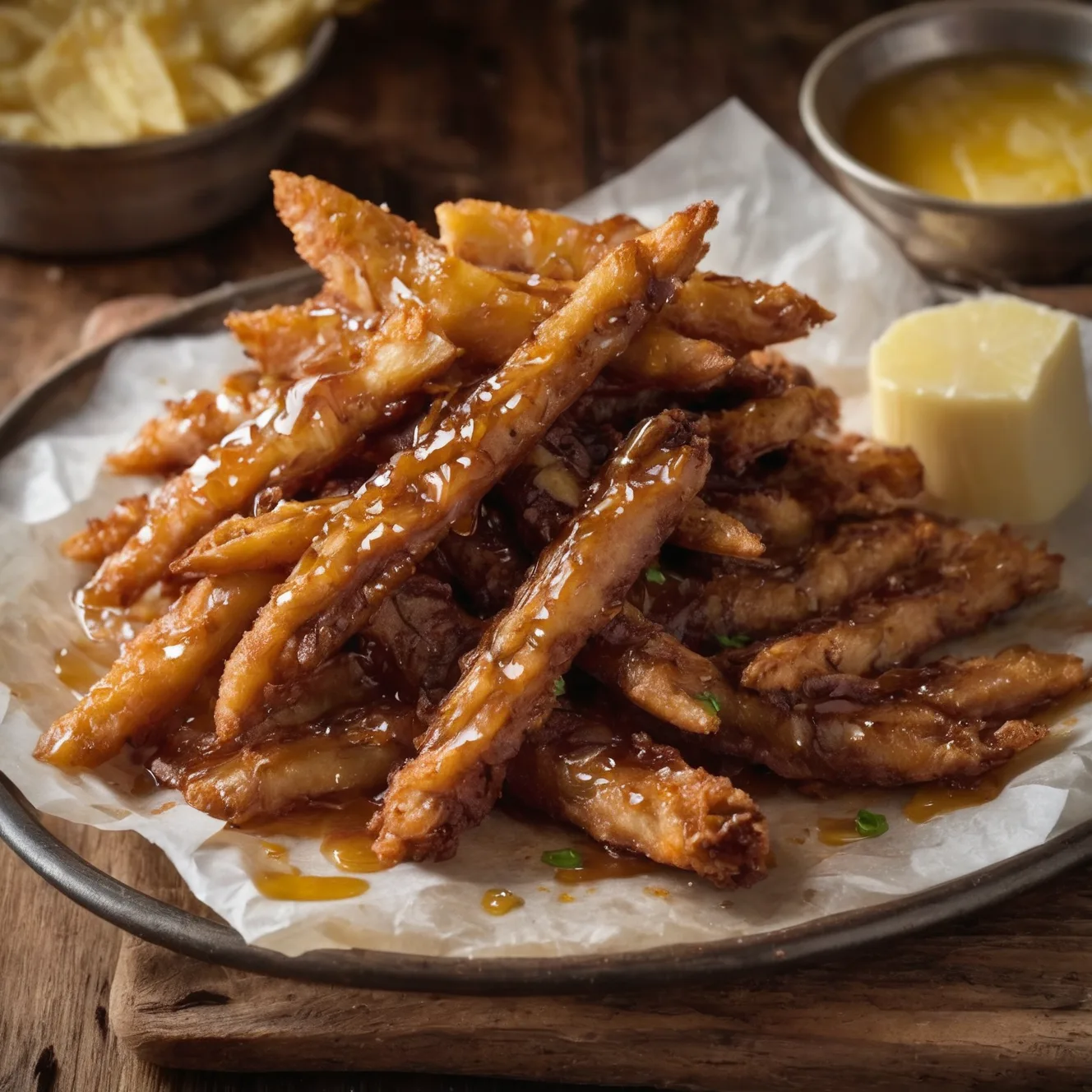
The restaurant uses it as a glaze for their Honey Chipotle Chicken Crispers, tossed on immediately after frying. At home, a batch keeps two weeks and goes on everything.
The Four Ingredients That Make It Work
| Ingredient | Amount | Role |
|---|---|---|
| Chipotle peppers in adobo | 3 peppers + 2 tbsp adobo liquid | Smokiness, heat, depth |
| Honey | ½ cup | Sweetness, body, caramelization |
| Ketchup | 3 tablespoons | Body, color, background acidity |
| Apple cider vinegar | 1 tablespoon | Brightness, tang, prevents flatness |
The single most important thing to know: use canned chipotle peppers in adobo sauce — not chipotle powder, not smoked paprika, not hot sauce. The canned peppers (jalapeños that have been dried, smoked, and packed in a tomato-vinegar sauce called adobo) have a flavor profile — simultaneously smoky, slightly fruity, moderately spicy, and brick-red in color — that no powder substitute can reproduce accurately. You’ll find them in a small can in the Latin foods section of any grocery store. A single can costs around $2.50 and contains far more than you’ll need for one batch; freeze the remainder in a small bag for next time.
The adobo liquid from the can matters too. It carries concentrated smokiness and a little heat that the peppers alone don’t fully provide. Both go in.
Why the Simmer Step Matters
Most copycat recipes that don’t turn out right skip or rush the simmer. Two things happen when you simmer the blended sauce for 4–5 minutes:
The raw ketchup flavor cooks off. Fresh-blended, the ketchup is loud and obvious. After a brief simmer, it recedes into the background as body and color, not a distinct flavor.
The honey thickens the sauce. Honey is mostly water when cold but concentrates and becomes viscous as it heats. The 4–5 minute simmer brings the sauce to a consistency that coats a spoon — thin enough to blend evenly when tossed with chicken, thick enough to cling rather than drip.
Don’t boil hard. Honey scorches at high heat and becomes bitter. Keep it at a gentle simmer: small bubbles at the surface, steam rising, sauce moving but not churning.
Heat Level and How to Adjust It
Three chipotle peppers produces a medium sauce — present heat, noticeable smoke, but manageable for most people. The honey brings the perceived heat down significantly. Here’s the scale:
| Chipotles | Heat level | Best for |
|---|---|---|
| 1 pepper | Mild | Kids, spice-averse guests |
| 2 peppers | Mild-medium | Most families |
| 3 peppers | Medium (restaurant-accurate) | Standard use |
| 4–5 peppers | Medium-hot | Heat lovers |
For more heat without adding more peppers, reduce the honey to ⅓ cup — less sweetness to counterbalance the spice, so the heat reads higher even from the same amount of chipotle.
Beyond the Chicken Crispers
The sauce is flexible. Where it works well:
Wings: toss hot wings in it the same way you’d use Buffalo sauce — the high honey content means it clings well to a crispy skin.
Burgers: as a spread, it replaces mayo and adds more complexity. A tablespoon on the bottom bun of a grilled chicken sandwich is excellent.
Tacos: a thin drizzle over grilled chicken or carnitas tacos. The smoky-sweet note reads as a different dimension alongside lime and cilantro.
Salmon: brush onto the flesh side in the last 3–4 minutes of roasting. The honey caramelizes against the heat and the chipotle smoke pairs well with fish.
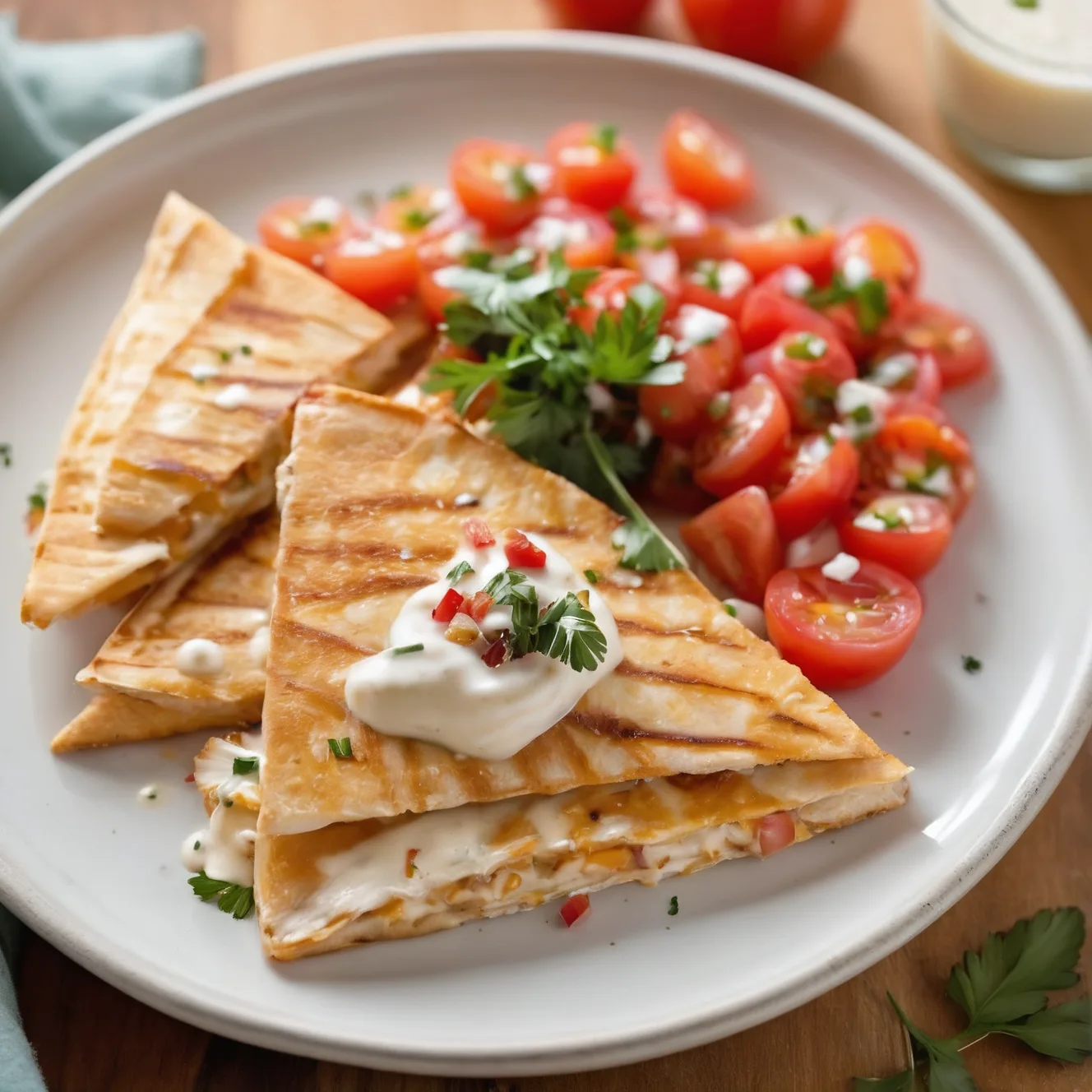
Dipping sauce: for quesadillas, sweet potato fries, fried zucchini — anywhere you’d reach for ranch or BBQ sauce.
The one limitation: the high honey content means it burns at sustained high heat. Don’t use it as a long-cook braising sauce or a grilling baste applied early. Add it at the end of cooking or serve on the side.
What to Serve With the Sauce
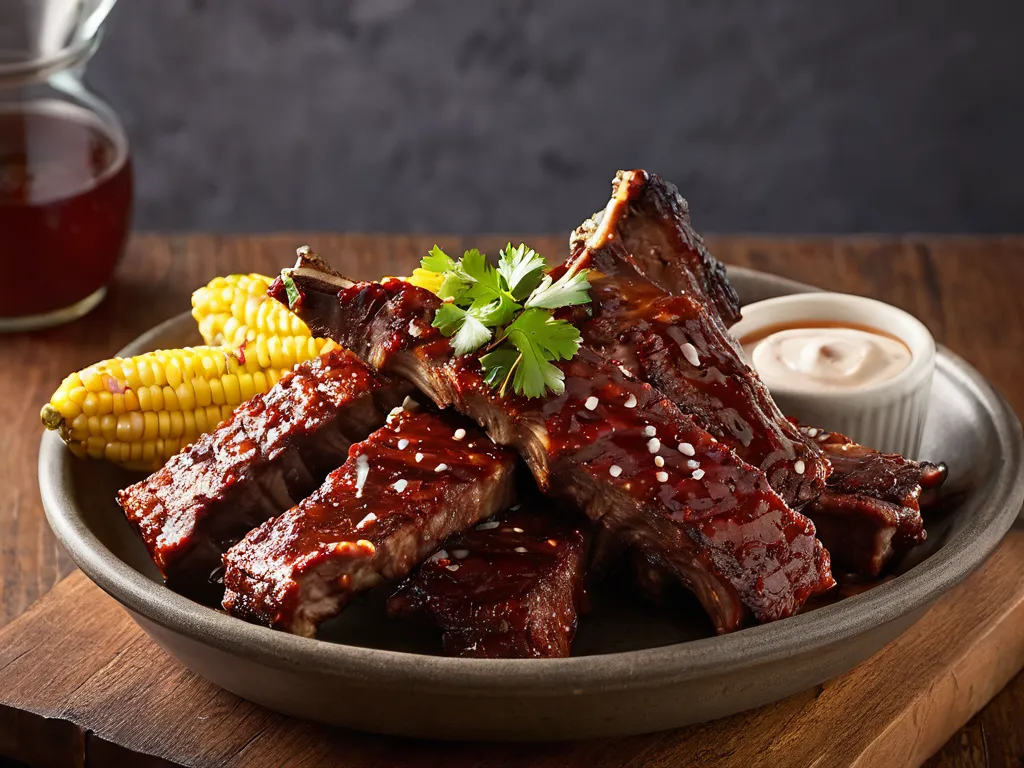
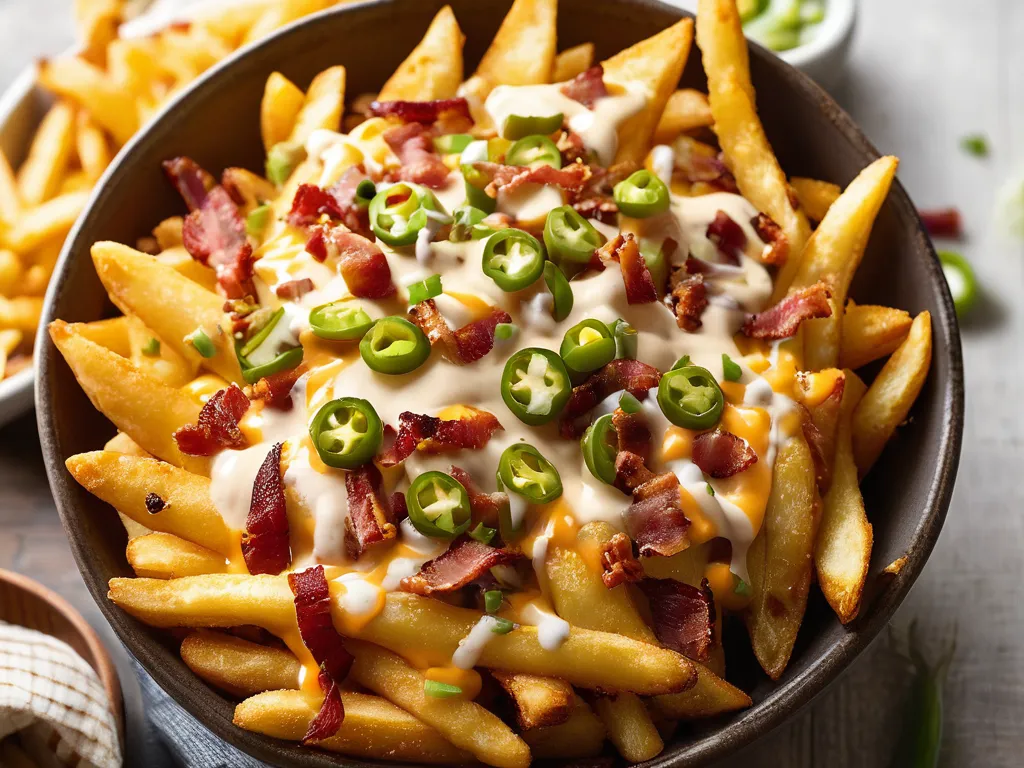
The full restaurant experience at home starts with the Honey Chipotle Chicken Crispers — the sauce plus the crispy fried chicken strips, tossed immediately out of the oil. For a full Chili’s table spread, pair them with Texas Cheese Fries (a drizzle of this sauce over the top is excellent) and Southwest Eggrolls or Baby Back Ribs.
See all Chili’s copycat recipes at the Chili’s recipe page →