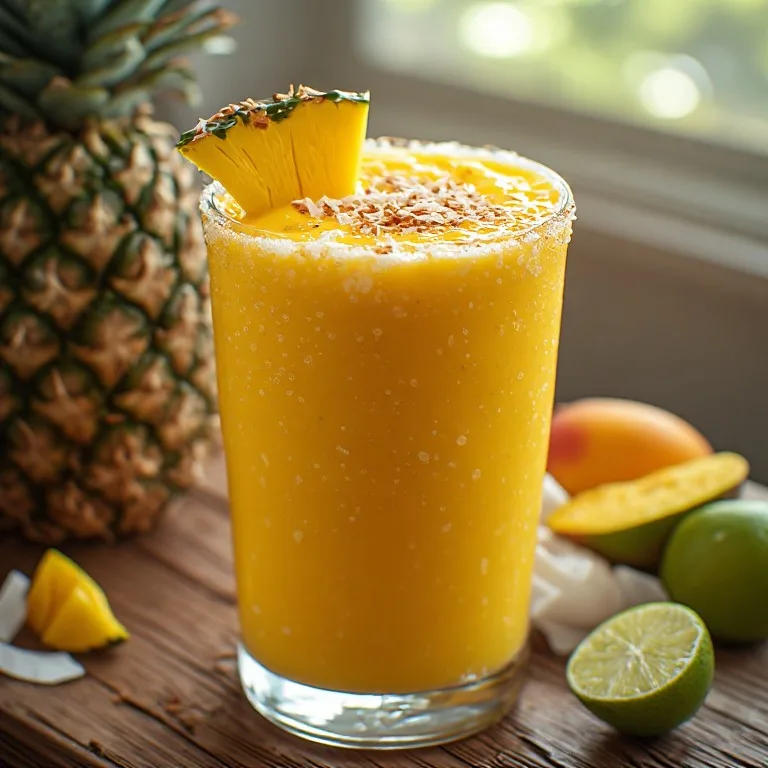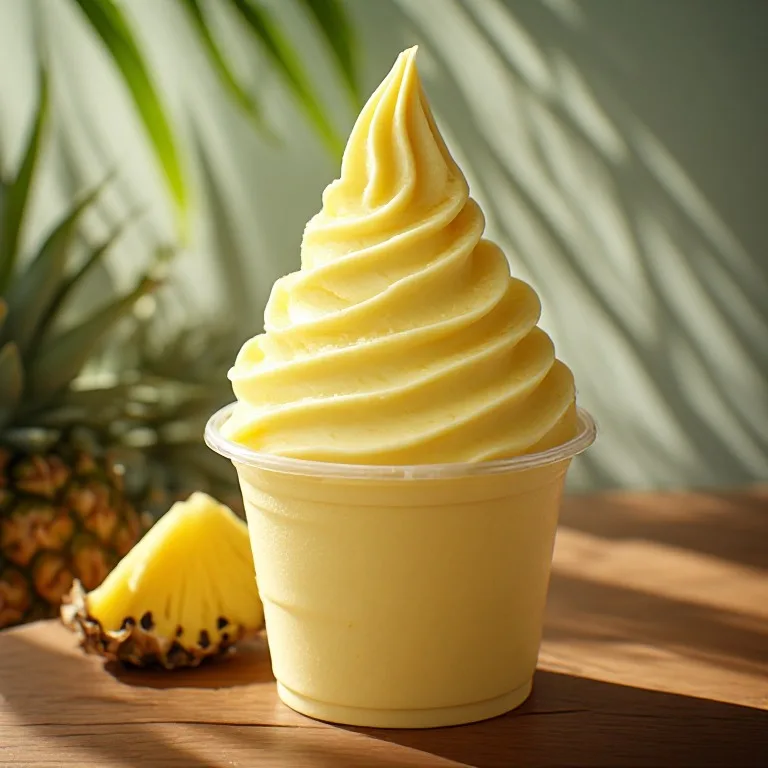

Disneyland Dole Whip (The Exact Disney Park Version, Made at Home)
Prep time: 5 min Cook time: 0 min Servings: 4
Why Most Copycat Dole Whips Miss the Mark
Most failed versions make one of three mistakes:
Using fresh pineapple. Fresh pineapple is room temperature and too watery — it produces a smoothie, not soft-serve. The frozen state is what gives the blended mixture its thick, scoopable texture. Pre-frozen pineapple chunks from any grocery store (plain, no added sugar) are the right ingredient.
Skipping the lime juice. The commercial Dole Whip mix contains citric acid, which brightens the pineapple flavor and gives it the slightly tart edge that makes it taste alive rather than flat. Fresh lime juice is the home-kitchen equivalent — 2 tablespoons per batch is enough to make the flavors pop without adding perceptible lime taste.
Using heavy cream or half-and-half. The original Dole Whip contains no dairy. Full-fat coconut cream provides the same smooth, rich mouthfeel without the dairy tang that would push the flavor toward pineapple ice cream instead of the park version. Use only the thick, solid layer from a refrigerated can — the watery coconut water underneath would thin the mixture out.
The Flavor Is in the Technique
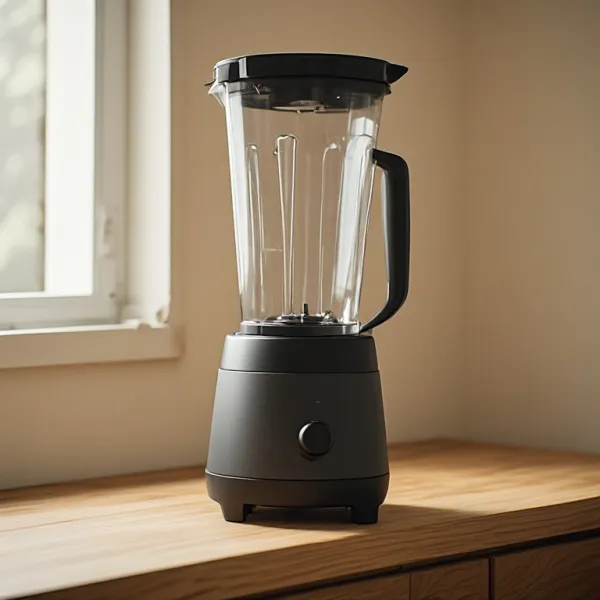
The Dole Whip’s creaminess comes from emulsification: fat molecules (coconut oil in the commercial mix, coconut cream at home) coating the water and ice crystals from the pineapple as the blender works. This is why the mixture transforms from chunky frozen fruit to smooth, creamy soft-serve in 60 to 90 seconds — not because you added cream, but because the fat distributes evenly through the fruit.
The lime juice does two things: it activates the pineapple’s natural fruit esters (the aromatic compounds that make it taste tropical) and it prevents the coconut cream from going flat. A pinch of salt amplifies both.
The Float: Don’t Stir
The Dole Whip Float is the park’s most popular serving format and the most frequently botched at home. The critical rule: pour the pineapple juice in first, then pipe the whip directly on top without disturbing the juice layer. The juice is denser and colder; the soft-serve is lighter and airy. When they meet they create a two-texture experience — as you eat through the whip, you hit the cold juice underneath and the two mix naturally in your mouth. Stirring them together before serving collapses the contrast entirely.