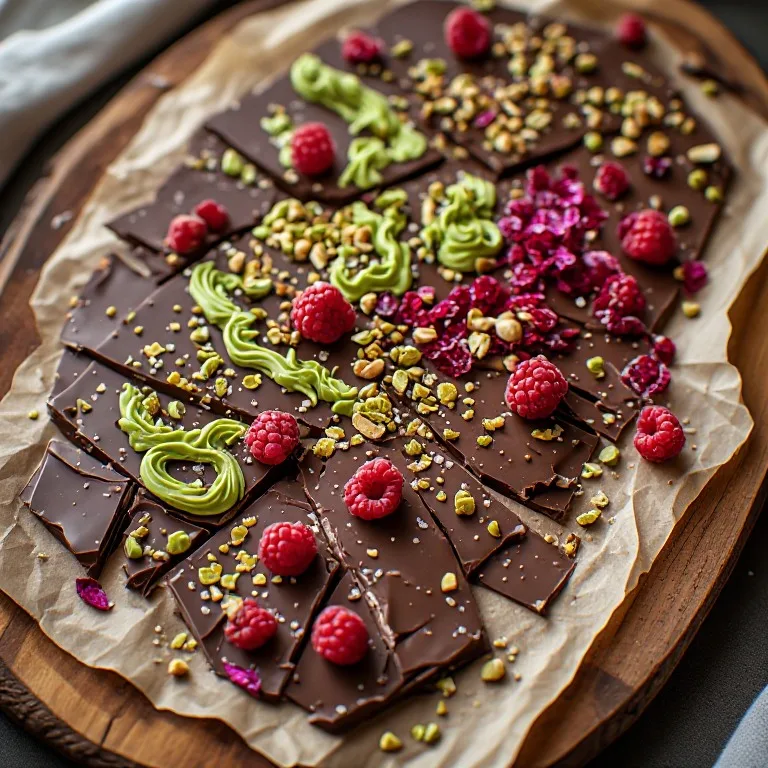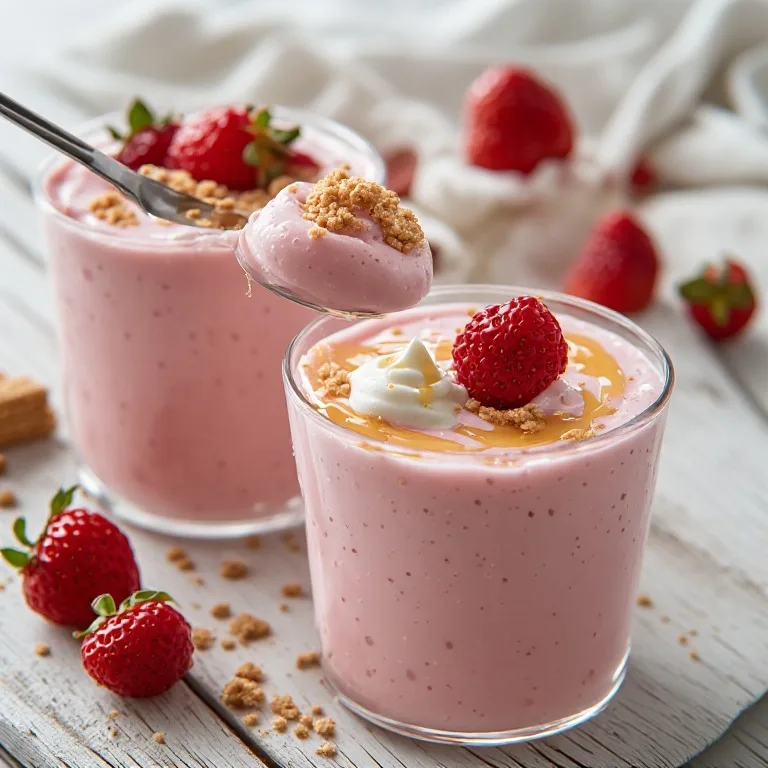

Five minutes of blending, two hours of waiting, zero cooking — this is what the cottage cheese dessert era was always building toward.
Why Cottage Cheese Works as a Frozen Dessert
Cottage cheese is mostly water (about 80%) and protein (casein), with a small amount of fat depending on the variety. That ratio — high protein, low fat, lots of water — means it freezes differently than cream or yogurt. When you blend it smooth and freeze it thin, the water molecules form an even, dense crystal structure rather than large icy chunks. The result has a texture closer to a frozen mousse than to a popsicle: slightly chewy at the edges, dense and creamy in the center.
The flavor works because blending destroys the curds that make cottage cheese taste distinctively “cottage cheese-y.” What you’re left with after 90 seconds in a blender is a neutral, slightly tangy base that tastes like thick Greek yogurt. Sweeten it and add vanilla and it reads as cheesecake. Add berries and chocolate and it reads as dessert. The protein content — 13 grams per serving from the cottage cheese alone — is incidental to the flavor but makes the nutrition math genuinely impressive for something that tastes this rich.
The Smoothness Rule
There is exactly one thing that separates good cottage cheese bark from grainy, disappointing cottage cheese bark: how completely you blend the base.
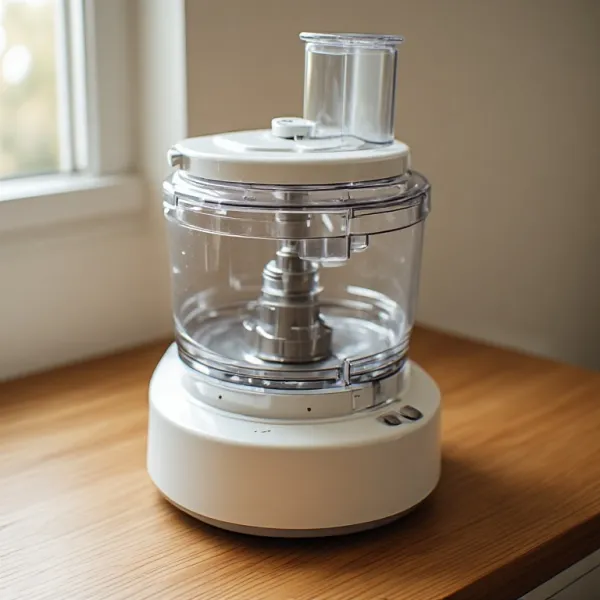
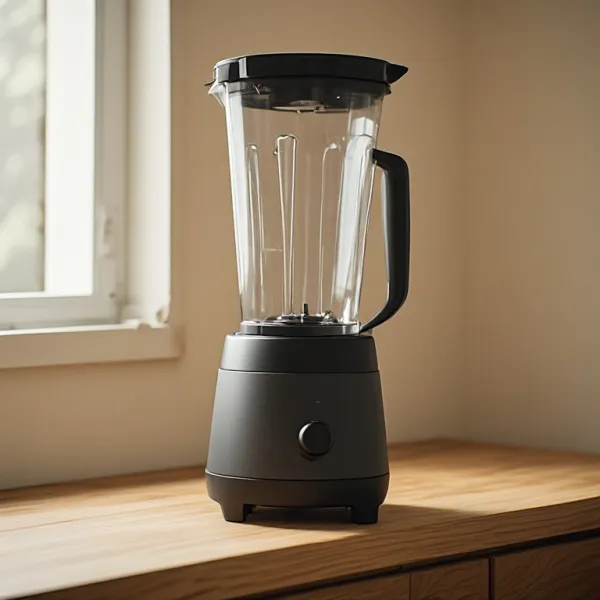
Cottage cheese curds are coagulated casein protein clumps. In the blender, friction heat and blade speed break them apart. But they need time. Sixty to ninety seconds at high speed — with a pause to scrape the sides — is usually enough in a standard blender. You know you’re done when the mixture is smooth, glossy, and pourable, with the consistency of thick yogurt or crème fraîche. If you can still see white lumps or the texture looks grainy, keep blending.
What happens if you don’t: those unbroken curds freeze into discrete icy crystals. In the mouth they register as sand or gravel, which is unpleasant. The bark looks right but the texture is wrong. Blend longer.
Flavor Variations
The base recipe (honey + vanilla) is intentionally neutral so the toppings do the work. But a few variations produce distinctly different flavor profiles:
Chocolate peanut butter swirl: Replace 1 tablespoon of honey with 1 tablespoon of natural peanut butter blended directly into the base. Swirl another tablespoon of warmed peanut butter across the top before freezing. Scatter chocolate chips generously. The fat from the peanut butter makes the base creamier and the freeze denser.
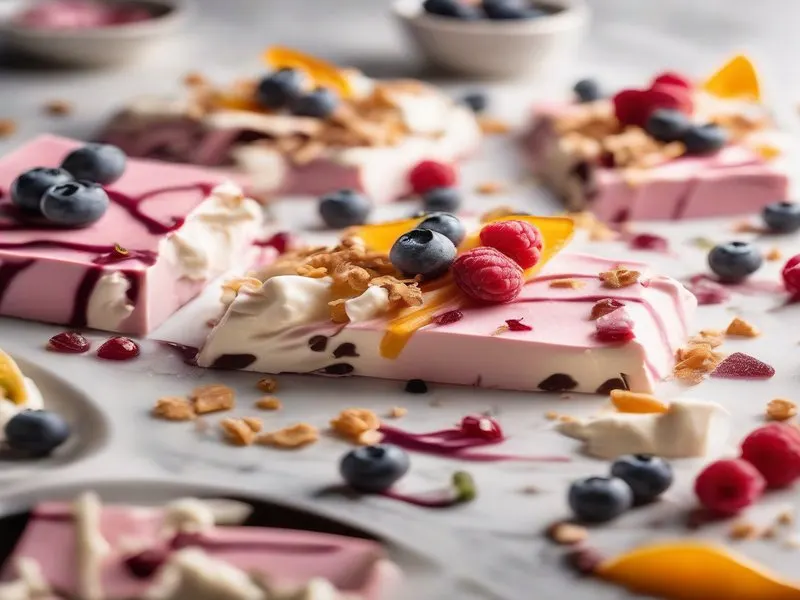
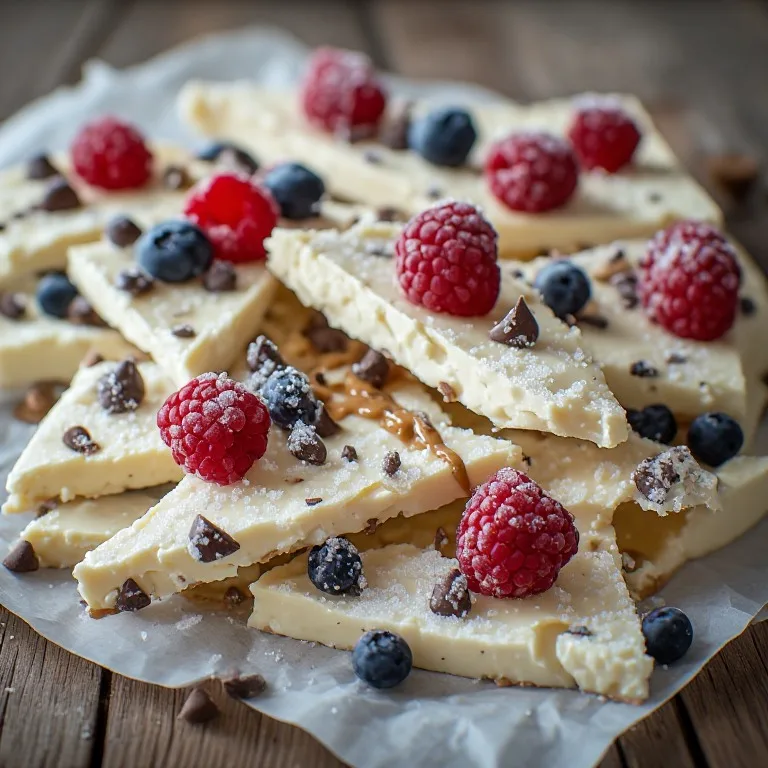
Lemon berry cheesecake: Add 1 teaspoon of fresh lemon zest and 1 tablespoon of cream cheese to the base blend (the cream cheese bumps up the fat content and richness). Top with raspberries and blueberries and a light dusting of powdered sugar after breaking.
Almond honey: Use almond extract instead of vanilla (1/2 teaspoon — it’s more intense) and top with sliced almonds and a few torn dried cherries. Skip the chocolate chips. The almond-cherry combination is the closest this gets to a real dessert flavor profile.
Cinnamon apple fall version: Add 1/2 teaspoon ground cinnamon to the base blend. Top with finely diced apple, a drizzle of maple syrup, and granola. This is the fall version — the cinnamon cuts through the cottage cheese tang and makes the whole thing taste like a frozen apple cheesecake.
What the Bark Looks Like at Different Freeze Times
At 1 hour: the edges are solid but the center is still soft and scoopable. Not yet bark — more like frozen yogurt you can spoon. Not the right texture for breaking.
At 2 hours: fully frozen, snaps cleanly at the edges, slightly dense and chewy in the center pieces. This is the ideal point: creamy center, crisp edges.
At overnight (8+ hours): rock solid throughout. Let pieces sit at room temperature for 2–3 minutes before eating so the center thaws slightly from “hard frozen” to “creamy frozen.” Worth the wait — the texture is closer to frozen cheesecake at this stage.
Restaurant vs. Home Cost
An acai bowl or protein-forward frozen dessert at a smoothie shop or juice bar in New York or LA runs $9–14, often for less protein than this bark delivers. A full batch — 4 generous servings — costs:
- 16 oz full-fat cottage cheese: ~$2.50
- Honey: ~$0.50 for 3 tablespoons
- Berries (1/2 cup frozen): ~$0.75
- Chocolate chips and granola: ~$0.80
Total: about $4.55 for 4 servings — $1.14 per serving. The protein content (13g per serving from cottage cheese alone) matches or beats most $3–4 protein bars while tasting substantially better.