

Tropical Smoothie — The TikTok Sunshine Blend
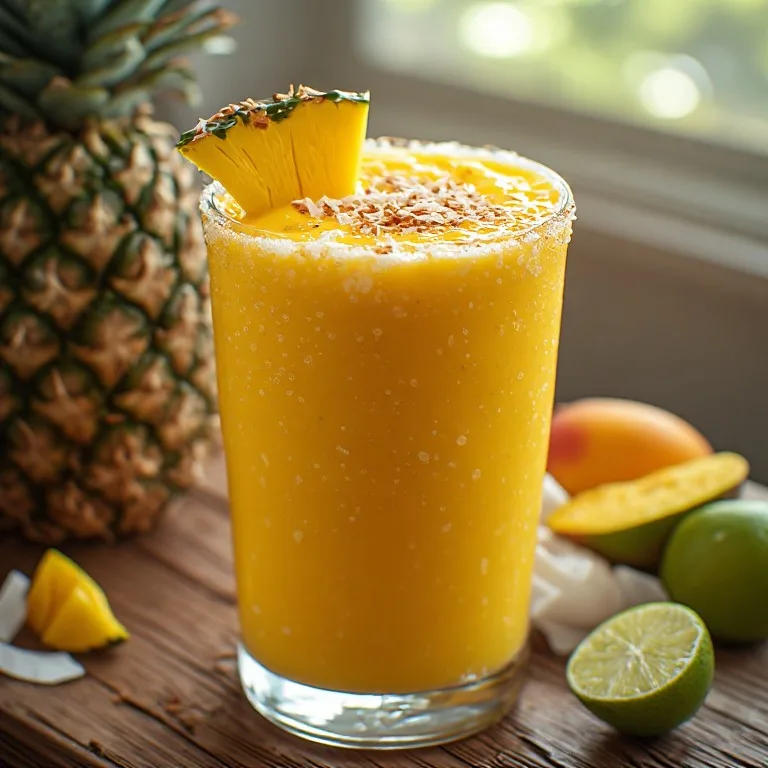
The tropical smoothie has been a TikTok staple for different reasons at different points: first as a Tropical Smoothie Café copycat, then as a “healthy breakfast” staple in the meal-prep space, and more recently as part of the broader thick, restaurant-quality blended drink trend where the goal is a smoothie that looks and tastes like it came from a $12 acai bowl bar.
The formula that actually achieves that result is simpler than most people expect: the right frozen fruit combination, full-fat coconut milk instead of a nut milk carton, and no ice (which dilutes). That’s it.
The Frozen Banana Rule
Frozen banana is the foundation of a thick, creamy smoothie. It functions as a natural thickener and creamifier — when blended, frozen banana creates a texture that’s closer to soft-serve than to juice. It also provides natural sweetness that means no added sugar is needed when combined with ripe mango and pineapple.
Always freeze bananas after peeling and chunking. Don’t try to peel a frozen banana — it’s nearly impossible. The ideal banana for smoothies is fully ripe with brown spots (sweeter, more complex flavor) rather than yellow-green (starchy and slightly bitter when frozen).
The Coconut Milk Question
There are two completely different products called coconut milk:
- Canned full-fat coconut milk — rich, thick, about 400 calories per 13.5 oz can. This is what you want.
- Refrigerated coconut milk cartons (So Delicious, Silk, etc.) — very thin, mostly water, similar calorie density to skim milk. This will produce a watery smoothie.
For a tropical smoothie that has actual body and creaminess, use canned coconut milk. The fat content is what creates the smooth, rich texture. If calories are a concern, use light canned coconut milk rather than the carton — still significantly thicker and better.
Why Orange Juice Instead of Water
Most smoothie recipes use water or almond milk as the liquid. Here, orange juice serves two functions: it provides liquid for blending, and it adds bright, acidic citrus flavor that lifts the heavier mango-coconut combination and ties the tropical theme together. Fresh-squeezed is noticeably better than carton OJ — it has more acidity and brightness that carton juice processes out. If using carton juice, choose a good quality not-from-concentrate brand (Tropicana Pure Premium is the reliable standard).
The Ginger Note
Fresh grated ginger in small amounts (1/2 teaspoon) is nearly invisible in flavor but adds warmth and complexity that makes the smoothie more interesting without tasting like ginger ale. It also has well-documented anti-nausea and anti-inflammatory properties. Use a microplane for the finest grate. Skip it if you’re making this for kids.
Three Variations
Mango Lassi Tropical Smoothie
Replace coconut milk with full-fat plain yogurt and add an extra tablespoon of honey. The yogurt creates a tangier, more complex smoothie that bridges the gap between tropical smoothie and Indian mango lassi. Add a pinch of cardamom and a small pinch of saffron (steeped briefly in 1 tablespoon of warm water) for a more authentic lassi character.
Tropical Green Smoothie
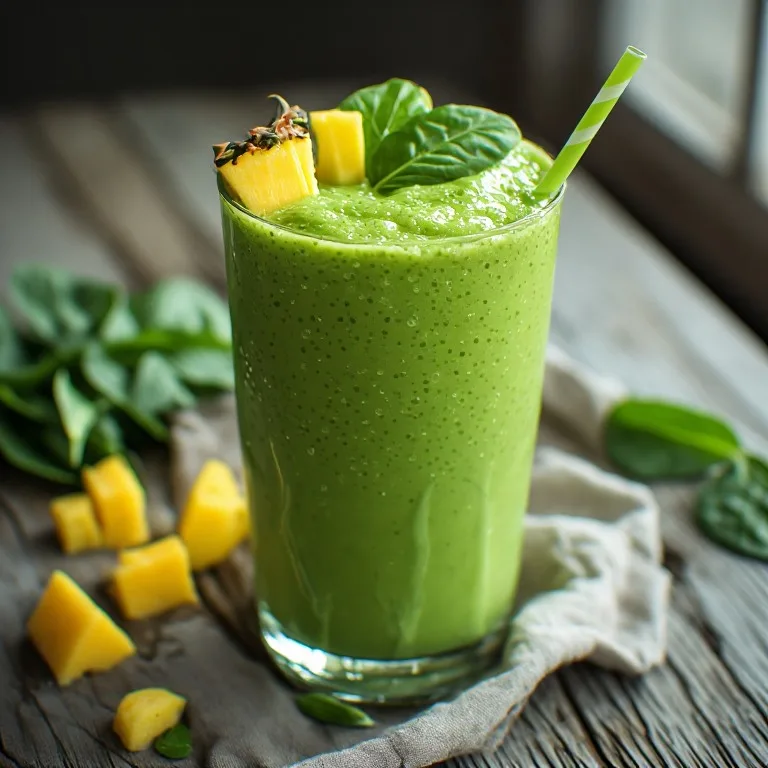
Add a large handful (about 1 cup packed) of baby spinach to the base recipe. The spinach blends completely colorless under the mango-pineapple combination — the smoothie stays bright orange-yellow, not green. Adds significant nutrition (iron, folate, vitamin K) with no detectable flavor change. This version has appeared in multiple “sneak vegetables into your smoothie” TikTok viral formats.
Protein Tropical Smoothie
Add 1 scoop of vanilla protein powder and 1/4 cup of plain Greek yogurt. The Greek yogurt adds thickness and tang; the protein powder adds structure and satiety. Use a vanilla protein that isn’t aggressively sweet (Ghost Vanilla Milk, Isopure Zero Carb vanilla, or Truvani vanilla are reliable choices). Blend the protein powder with the liquid before adding frozen fruit to prevent clumping.