

Pin It

Hidden Valley Ranch Dressing

Hidden Valley Ranch Dressing
Jump to Recipe
Prep 5 min Cook 0 min Serves 16
Quick answer: Hidden Valley Original Ranch Dressing is built on a base of 1 cup mayonnaise, ½ cup sour cream, and ½ cup full-fat buttermilk, seasoned with dried parsley, dried dill, dried chives, garlic powder, onion powder, salt, and black pepper. The mayo-to-sour cream combination is what most copycat recipes miss: mayo alone goes flat; sour cream alone is too thick; together they give the right creamy tang and body. The single most important step is overnight refrigeration — dried herbs need 8–12 hours to fully hydrate in the fat, and the difference between a freshly made batch and one rested overnight is dramatic. At the grocery store, a 16 oz bottle runs $3.50–5.00. This recipe makes about 2 cups (16 servings) for roughly the same cost, with no xanthan gum or preservatives.

Shop the tools

Gear matched to this recipe. These are Amazon affiliate links — we may earn a small commission if you buy, at no extra cost to you.

As an Amazon Associate, Copycat Spices earns from qualifying purchases. Product images are generic illustrations, not the exact item listed.

Hidden Valley Ranch Dressing

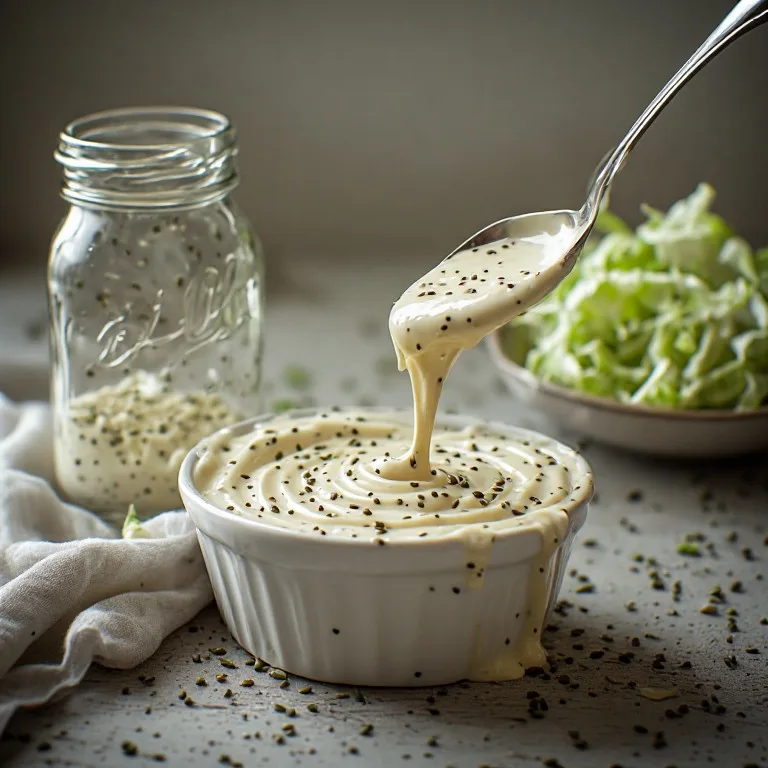
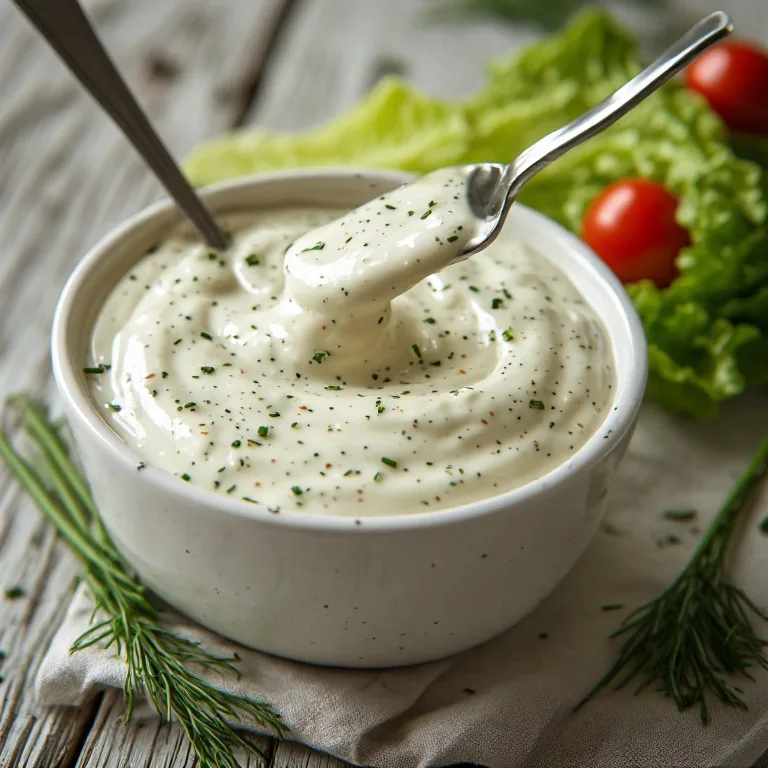
Make Hidden Valley Original Ranch Dressing from scratch in 5 minutes — no packet needed. The secret is overnight rest: dried dill, parsley, and chives hydrate into the mayo-sour cream-buttermilk base and taste exactly like the bottle, without stabilizers or preservatives.

Easy Prep: 5 min Cook: 0 min Total: 5 min16 servings ~$3.85/serving
Prep5 min
Cook0 min
Total5 min
Servings
16
At home~$3.85/serving
vs
Restaurant~$17.32/serving
You save ~78%

The Story Behind the Recipe

Hidden Valley Ranch was invented by Steve Henson, a Nebraska-born plumber who developed the recipe while feeding his work crews on a remote job in Alaska in the early 1950s. Fresh ingredients were hard to come by, so he leaned on shelf-stable dried herbs — parsley, dill, chives — mixed with mayonnaise and buttermilk. The result was so good his crew kept requesting it. When Henson retired, he and his wife Gayle bought a secluded property in the Santa Ynez Mountains above Santa Barbara, California — on San Marcos Pass near Highway 154 — renamed it Hidden Valley Ranch, and opened it as a dude ranch around 1954–56. The dressing became the ranch's signature, and guests loved it so much they asked to take some home.

By 1957, Henson was shipping dry seasoning packets by mail for 75 cents each so customers could mix the dressing at home with their own mayo and buttermilk. Demand grew to millions of households. In October 1972, Clorox Corporation paid the Hensons $8 million for the brand. Today, Hidden Valley Ranch is the best-selling salad dressing in the United States by a wide margin, worth over $1 billion annually. The commercial version includes stabilizers and preservatives to survive a shelf life of months; the from-scratch version, made with fresh dairy and real dried herbs, tastes noticeably cleaner and brighter — which is exactly what Henson's original guests were tasting.

Nutrition Facts

Per serving (16 servings)
Calories110
Total Fat12g
Total Carbs1g
Dietary Fiber0g
Sugars1g
Protein1g
Sodium175mg

* Estimated values based on standard recipe preparation. Actual values may vary.

Ingredients

Instructions

💡
Pro tip: This recipe tastes even better the next day. The flavors need time to meld together in the fridge.
❄️
Storage: Keeps in an airtight container in the fridge for up to 2 weeks. Freezer-friendly for up to 3 months.
🎃 Free Halloween cookbook — download now The Copycat Halloween Cookbook A ready-made, photo-illustrated PDF of our best halloween copycat recipes — free to download, no building required. Pay what you want to support if you love it.

Free PDF — instant download. We'll also send new seasonal copycat recipes now and then; unsubscribe anytime. Or just download it →

Hidden Valley Ranch Dressing

Prep time: 5 min Rest time: overnight (2–12 hours) Makes: about 2 cups (16 servings)

You can make a from-scratch ranch that tastes like Hidden Valley Original — no seasoning packet — with seven dried pantry spices and three dairy ingredients you already combine for most dips: mayonnaise, sour cream, and buttermilk. There’s no cooking and about five minutes of whisking. The one thing that separates a ranch that tastes “close” from one that tastes exactly like the bottle isn’t an ingredient at all — it’s time. Dried herbs need an overnight rest in the refrigerator to hydrate and release their flavor into the fat. Skip that step and you get a sharp, disjointed dressing with raw garlic edges; give it 8–12 hours and the flavors knit into the smooth, herby, tangy ranch everyone recognizes.

What is Hidden Valley Ranch dressing actually made of?

Hidden Valley’s Original Ranch starts as a dry seasoning blend — parsley, garlic, onion, salt, and pepper — that you mix into a mayo-and-buttermilk base. The commercial bottled version adds stabilizers (xanthan gum and locust bean gum) and preservatives so it survives months on a shelf. The from-scratch recipe here reproduces the flavor without any of that, using three decisions that most copycat recipes get wrong:

  • Mayo and sour cream, not mayo alone. The packet instructions call for 1 cup mayo + 1 cup buttermilk. Mayo-only ranch tastes flat and greasy; it’s missing the cultured tang. Replacing half the buttermilk with sour cream adds that tang plus body, so the dressing clings to a wing or a carrot instead of running off.
  • Full-fat dairy across the board. Reduced-fat mayo, light sour cream, and skim buttermilk all produce a thinner, duller ranch that never rests into the right creamy consistency. The fat is what carries the herb flavor.
  • Dried herbs, not fresh. This is the counterintuitive one — see below.
Why does homemade ranch taste different from the bottle (and how do you fix it)?

Two reasons, and the first one is free to fix. Resting time: dried herbs in a just-mixed batch haven’t hydrated yet, so the garlic and dill sit on top of the dressing as separate, sharp notes. Over 8–12 hours in the fridge they absorb moisture from the buttermilk and sour cream, rehydrate, and release their oils into the fat — the flavors unify and round out. A commercial bottle has effectively already done this before it reaches the shelf. Stabilizers: the gums in the bottle make it a touch thicker and more uniform than homemade. That’s the only real difference left after an overnight rest, and it’s a texture trade-off, not a flavor one — homemade tastes brighter and cleaner because the dairy is fresh.

If your homemade ranch tastes “off,” the fix is almost always more time, not more seasoning. Resist the urge to add garlic or salt on day one — both intensify overnight.

Fresh herbs or dried herbs for ranch?

Dried. This is the opposite of most cooking advice, and it’s deliberate. Steve Henson built the original recipe around dried parsley, dill, and chives precisely because fresh produce was scarce on the remote Alaska job where he developed it. Dried herbs are also what’s in the real packet, so they’re what makes it taste like Hidden Valley. Fresh herbs make a lovely dressing — it’s just a different dressing, closer to a green goddess, and it won’t match the bottle. Fresh herbs also release water and don’t keep as long. For this copycat, measure the dried herbs carefully: the ratios matter more here than in almost any other recipe, because there’s nothing cooking to blend them.

Packet vs. bottle vs. from-scratch: which should you make?
Dry packet + mayo/buttermilkBottled dressingThis from-scratch recipe
Hands-on time5 min0 min5 min
Rest neededOvernight (same)NoneOvernight
Cost per batch (~2 cups)~$2–3~$3.50–5.00~$3.50–4.00
Stabilizers / preservativesYes (in packet)YesNone
Control over salt & garlicLowNoneFull
Tastes freshestCloseBaselineBrightest

The honest takeaway: making it from scratch is not meaningfully cheaper than buying a bottle — the value is a cleaner-tasting dressing with no gums or preservatives and full control over the salt and garlic. If cost is the only goal, the dry packet wins; if taste and ingredients are the goal, from-scratch wins.

Can I make ranch dressing without buttermilk?

Yes. Buttermilk is the easiest ingredient to substitute because you’re after its acidity, not the dairy itself:

  • Soured milk (most common): stir 1 tsp white vinegar or lemon juice into ½ cup whole milk and let it sit 5 minutes until slightly curdled.
  • Thinned yogurt: ½ cup plain whole-milk yogurt loosened with 2 tbsp water — more body and a sharper tang.

Either way, if the finished dressing is too thick after resting, whisk in whole milk one tablespoon at a time until it pours the way you like. Avoid skim milk or low-fat yogurt here — they thin the dressing and it won’t rest into the right texture.

How long does homemade ranch last?

In a sealed jar, up to one week. It actually peaks on days 2–4, after the overnight rest has done its work and before the raw garlic starts to sharpen and the dairy tang turns. By day 6–7 it’s still safe but louder; if it ever smells off, throw it out. Don’t freeze it — emulsified mayo-based dressings break when thawed and turn grainy. If two cups is more than you’ll use, the recipe halves cleanly: ½ cup mayo, ¼ cup sour cream, ¼ cup buttermilk, and half the seasonings.

What to serve it with

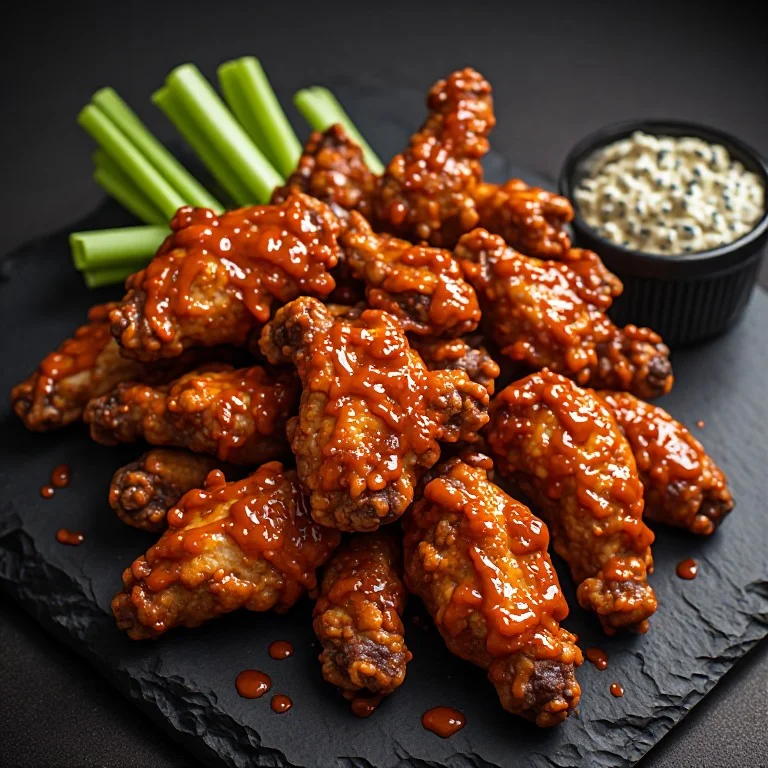
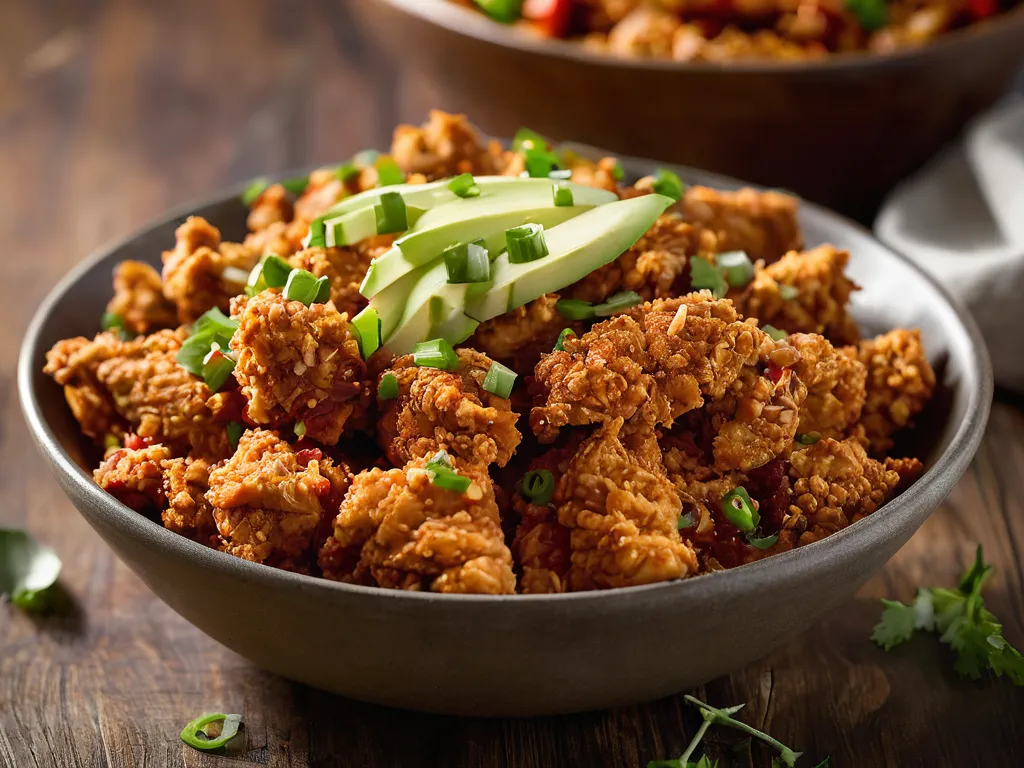
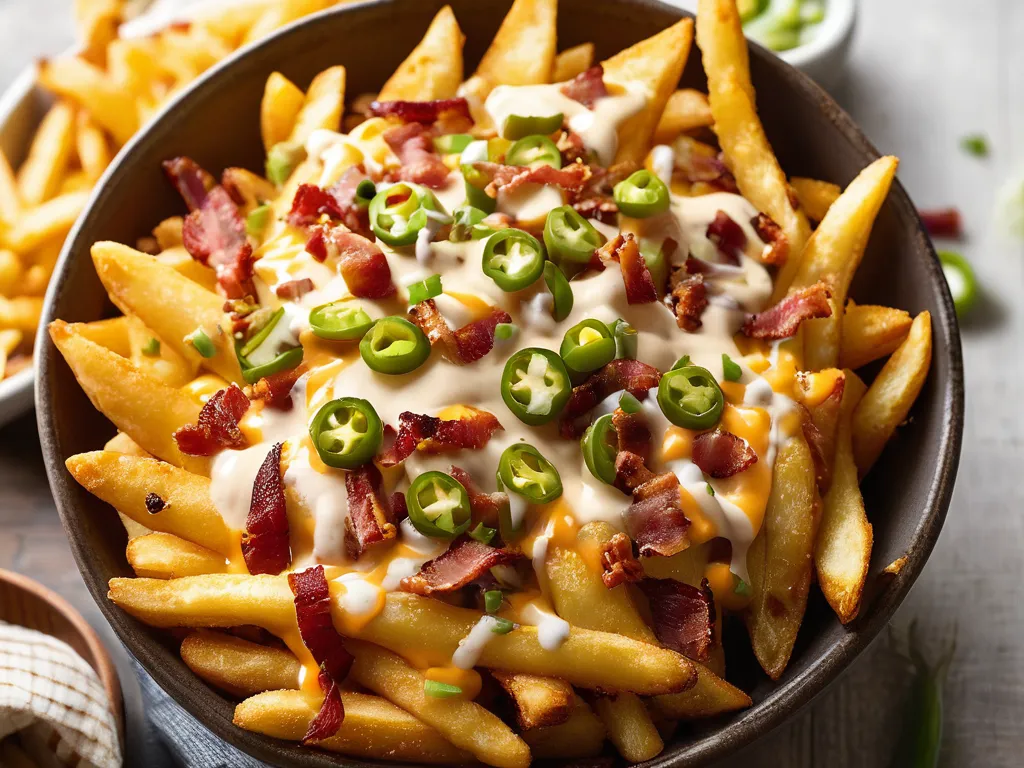
Ranch earns its place in the fridge because it goes with almost everything savory. It’s the natural dip for Chili’s Chicken Crispers, the cooling counterpoint to Wingstop’s Original Hot Wings, and the drizzle that finishes Chili’s Texas Cheese Fries. Beyond dipping, use it as a sandwich spread in place of plain mayo, thin it with a little buttermilk for a salad dressing, or stir in hot sauce for a fast Buffalo-style dip. Because you made it, you know exactly what’s in it — which is more than the bottle can say.
🥗

Make It Healthier

Love Hidden Valley Ranch Dressing but want a lighter version? Try these simple swaps:

  • ✓Swap regular mayo for an avocado oil mayo — same calories, better fat profile, and no soybean oil, with no flavor change
  • ✓Replace sour cream with plain whole-milk Greek yogurt to cut fat by about 30% and add 2g protein per serving — flavor difference after overnight rest is minimal
  • ✓Use low-fat buttermilk (1%) to reduce fat without meaningfully affecting the taste — the herbs and seasoning carry the flavor
  • ✓Increase dried dill to 1½ teaspoons and reduce salt to ¼ teaspoon — more pronounced herb flavor means you'll use less dressing per serving, reducing sodium without sacrificing taste

Frequently Asked Questions

What is Hidden Valley Ranch dressing made of?

Hidden Valley's Original Ranch dressing is built on a mayo and buttermilk base, seasoned with a proprietary dry blend of parsley, garlic powder, onion powder, salt, pepper, and stabilizers. When mixing from a packet, the instructions call for 1 cup mayo + 1 cup buttermilk + 1 packet. This from-scratch version reaches the same flavor using 1 cup mayo, ½ cup sour cream, and ½ cup buttermilk as the base, then adds dried parsley, dried dill, dried chives, garlic powder, onion powder, salt, and black pepper. The sour cream replaces some of the buttermilk volume — it adds body and tang without thinning the dressing, which gives you the right consistency without a second cup of buttermilk.

Why does homemade ranch taste different from the bottle?

Two reasons: resting time and the absence of stabilizers. Dried herbs in a freshly made batch need 8–12 hours to fully hydrate and release into the fat base. A freshly made ranch tastes sharp and herby, with raw garlic and dill notes that feel disconnected. After overnight refrigeration, those same herbs meld into the base and the flavors unify — it tastes like the bottle, or better. The second difference is the commercial formula includes xanthan gum, locust bean gum, and preservatives that create a slightly thicker, more uniform texture. Homemade is a touch looser but tastes brighter and cleaner — a quality trade-off, not a flaw.

Can I make ranch dressing without buttermilk?

Yes. The most common substitute is to sour regular milk: add 1 teaspoon of white vinegar or fresh lemon juice to ½ cup whole milk, stir, and let sit 5 minutes until it slightly curdles. The result approximates buttermilk's acidity and tang. You can also use ½ cup plain whole-milk yogurt thinned with 2 tablespoons of water — this gives more body and a sharper tang. If the finished dressing is too thick, add whole milk one tablespoon at a time until it pours freely. Reduced-fat substitutes (skim milk, low-fat yogurt) produce a noticeably thinner, less flavorful result that does not rest into the same creamy consistency.

How long does homemade ranch dressing last in the refrigerator?

Stored in an airtight jar, this ranch dressing lasts up to 1 week in the refrigerator. The limiting factor is the buttermilk and sour cream — both are fresh dairy products, and the dressing peaks in quality on days 2–4 after the overnight rest. By day 6–7, the garlic becomes noticeably more pungent and the dairy tang sharpens. If you smell anything off, discard it. Do not freeze ranch dressing — emulsified mayo-based dressings break when frozen and thawed, turning grainy and separating. Make a half batch (½ cup mayo, ¼ cup sour cream, ¼ cup buttermilk) if you won't use 2 cups within a week.

Is Hidden Valley Ranch a real place?

Yes. Steve Henson bought a secluded property in the Santa Ynez Mountains on San Marcos Pass (near Highway 154, north of Santa Barbara, California) in the mid-1950s and renamed it Hidden Valley Ranch. The property had originally been called Sweetwater Ranch. He operated it as a dude ranch and guest property — the name described what the place literally was: a valley tucked away in the mountains, private and hard to find. The dressing became so popular with guests that Henson began mailing dry mix packets from the ranch, and eventually the ranch's name became the brand name.

When did Clorox buy Hidden Valley Ranch?

In October 1972, Clorox Corporation purchased Hidden Valley Ranch Food Products, Inc. from Steve and Gayle Henson for $8 million. Clorox was the company that scaled the brand nationally and internationally, transitioning it from a mail-order and regional grocery product into the #1 selling salad dressing in the United States. The commercial formula was reformulated with stabilizers for shelf stability. Steve Henson died in 2007.

What can I use Hidden Valley Ranch dressing for besides salads?

Ranch is one of the most versatile condiments in the American kitchen. The most common uses beyond salads: dipping sauce for wings, chicken strips, pizza, fries, and raw vegetables; sandwich spread in place of mayo; pizza sauce substitute on white-sauce pizzas with chicken; mixed with hot sauce for a quick Buffalo-style dipping sauce; base for pasta salads and cold noodle dishes; baked potato topping; and dip for pretzels or crackers. Its salty, herby, tangy flavor profile is neutral enough to complement nearly any savory dish. A jar of homemade ranch in the refrigerator is arguably more useful than the bottle, since you know exactly what's in it.

Love this recipe? Share it!

Free PDF: our 12 most-wanted copycat recipes — instant download.

Made it? Buy us a coffee

Every recipe here is free, with no paywalls. If this one was a hit at your table, a small tip keeps new copycats coming.

$

Ranch is a trademark of its owner, used here only to describe the dish this recipe recreates. This is an independent copycat written in our own words — Copycat Spices is not affiliated with, endorsed by or sponsored by Ranch.

Ratings & Reviews

—
No ratings yet

Rate this recipe

Click a star to rate

Leave a Review

0/500

CS

Copycat Spices Editorial

Researched + fact-checked. Every recipe on Copycat Spices is built from published sources — official ingredient lists, brand-published recipes, interviews and food-science references — and fact-checked before it goes live, then written as clear, step-by-step instructions for home cooks of all skill levels.

Learn more about our mission →