


Pin It

In-N-Out Animal Style Fries (Fresh-Cut + the Right Cheese)

In-N-Out Animal Style Fries (Fresh-Cut + the Right Cheese)
Jump to Recipe
Prep 25 min Cook 30 min Serves 4
Quick answer: In-N-Out Animal Style Fries are fresh-cut fries topped — in this exact order — with melted American cheese, jammy caramelized grilled onions, and In-N-Out's Thousand Island spread drizzled over the top. At the restaurant the cheese melts from the heat of the fries alone; at home the reliable move is a 60–90 second pass under the broiler, because a home batch doesn't hold enough heat to melt cheese on its own. The two things most copycats get wrong: they use pre-shredded cheddar (wrong — deli-sliced American cheese only) and they rush the onions (wrong — 30 to 35 full minutes until genuinely jammy and sweet, not pale and translucent). Eat within 5 minutes of assembly or the spread soaks the fries.

In-N-Out Animal Style Fries (Fresh-Cut + the Right Cheese)

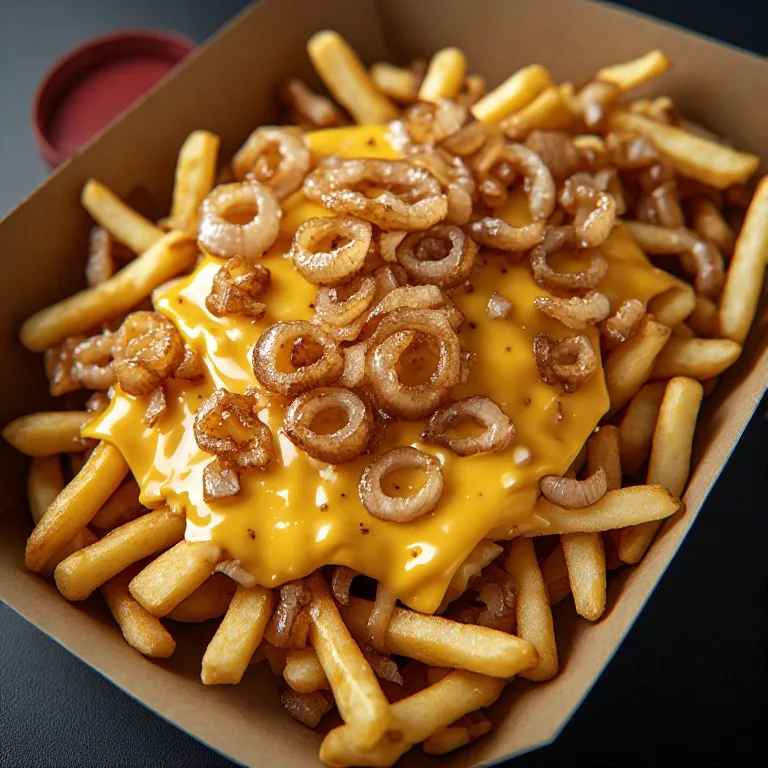
In-N-Out Animal Style Fries at home — double-fried fresh-cut fries, deli-sliced American cheese, 30-minute caramelized onions, and the real Thousand Island spread, layered in the exact order that keeps them from going soggy. Well-done option included.

Medium Prep: 25 min Cook: 30 min Total: 55 min4 servings ~$4.50/serving
Prep25 min
Cook30 min
Total55 min
Servings
4
At home~$4.50/serving
vs
Restaurant~$20.25/serving
You save ~78%

The Story Behind the Recipe

In-N-Out Animal Style Fries at home — double-fried fresh-cut fries, deli-sliced American cheese, 30-minute caramelized onions, and the real Thousand Island spread, layered in the exact order that keeps them from going soggy. Well-done option included.

Nutrition Facts

Per serving (4 servings)
Calories750
Total Fat54g
Total Carbs54g
Dietary Fiber4g
Protein15g
Sodium1200mg

* Estimated values based on standard recipe preparation. Actual values may vary.

Ingredients

  • For the Animal Style spread (makes about 3/4 cup — enough for 2 batches)
  • For the grilled onions
  • For the topping

Instructions

💡
Pro tip: This recipe tastes even better the next day. The flavors need time to meld together in the fridge.
❄️
Storage: Keeps in an airtight container in the fridge for up to 2 weeks. Freezer-friendly for up to 3 months.
🎃 Free Halloween cookbook — download now The Copycat Halloween Cookbook A ready-made, photo-illustrated PDF of our best halloween copycat recipes — free to download, no building required. Pay what you want to support if you love it.

Free PDF — instant download. We'll also send new seasonal copycat recipes now and then; unsubscribe anytime. Or just download it →

Copycat In-N-Out Animal Style Fries

In-N-Out Animal Style Fries are one of the most ordered off-menu items in fast food — and also one of the most misunderstood at home. The versions you find in most copycat recipes are technically animal-style-adjacent: they use the right toppings but in the wrong order, with the wrong cheese, after rushing the onions. The result is a wet pile of fries under a clump of unmelted cheddar and some pale, slightly translucent onions. This is not what In-N-Out makes.

Here is what In-N-Out actually makes: double-fried fresh Kennebec potato fries, salted immediately from the fryer, topped with American cheese placed directly on the hot fries and allowed to melt from the fry heat alone, then covered with 20-minute caramelized onions (jammy, dark gold, sweet), and finished with a zigzag of Thousand Island spread. Assembly order is the recipe. The three elements are the same as the Animal Style Burger — if you can make the Animal Style Burger, you already know how to make the fries.

The Three Things Most Recipes Get Wrong

Wrong cheese. Pre-shredded cheddar won’t melt cleanly on fry heat alone — it breaks into separate greasy pools. American cheese (deli-sliced, not individually wrapped “singles” in plastic) is the only cheese that forms a smooth, continuous melt layer from fry residual heat. This is not negotiable.

Rushed onions. At 10 minutes, yellow onions are soft and translucent but still sharp-tasting. At 30 minutes, they’ve converted their starches to sugars and taste genuinely sweet and caramel-like — jammy, golden, nearly collapsing. The entire flavor profile of Animal Style Fries depends on the onions being fully caramelized. Budget 30 to 35 minutes and start them before the fries.

Assembly order. If you put the spread on first, the fries absorb it instantly and go soft before the cheese is even on the plate. Cheese goes directly on hot fries (melt first), onions go on the cheese (seal the melt), spread goes last (topping, not marinade). Every step is a clock — execute in sequence without pausing.

Well-Done vs. Regular

In-N-Out’s well-done modification is one of the most commonly ordered off-menu requests, especially for Animal Style Fries — the extra crunch holds up better against the moisture of the onions and spread. At home, increase the second-fry temperature to 390–400°F and fry 1 to 2 extra minutes until the fries are a deep amber. They should audibly crunch when you pick one up. Well-done Animal Style Fries can survive 7 to 8 minutes before going soft (vs. 3 to 4 for standard). If you’re feeding more than four people, go well-done.

Pair It

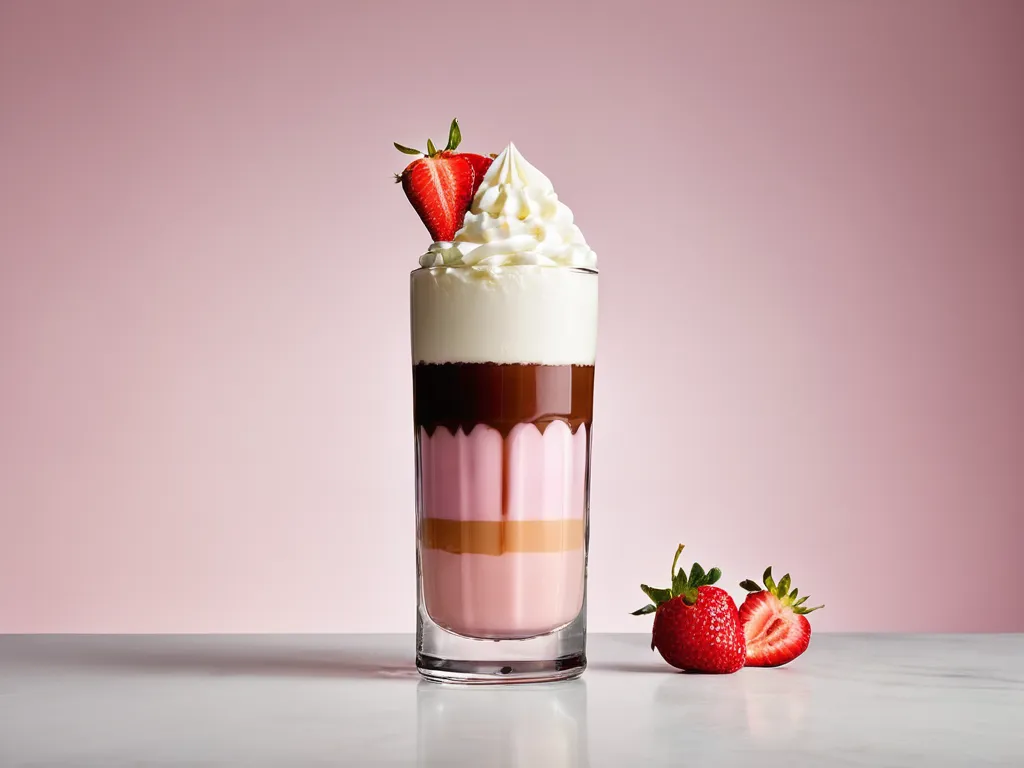
Animal Style Fries are the complete In-N-Out experience — serve them alongside the Animal Style Burger and the In-N-Out Neapolitan Shake to replicate the full meal at home. If you want the spread on its own as a dip for other fries or sandwiches, the recipe is the same.

For comparison: Five Guys Cajun Fries use a completely different approach — skin-on fries cooked in peanut oil with a dry Cajun seasoning rather than wet toppings. Chick-fil-A Waffle Fries are cut differently and fried in canola. Animal Style Fries are the only major fast-food fry style built around a wet topping, which is why assembly order and well-done temperature exist as variables.

Cost Breakdown
ItemAmountCost
Idaho Russet potatoes2 1/2 lbs$2.00
American cheese6 slices$0.90
Yellow onions2 large$0.80
Mayo, ketchup, relishsmall amounts$0.50
Butter + oilsmall amounts$0.40
Total for 4 servings~$4.60

At In-N-Out, Animal Style Fries run roughly $4.20–$5.00 depending on the market (the chain doesn’t publish an official price, so these are aggregator estimates). The real value here isn’t saving money — In-N-Out is already inexpensive — it’s being able to make the dish anywhere in the country. In-N-Out still operates in only ten states, and in 2026 it opened its first locations east of Texas, in Tennessee — so for most of the U.S., the copycat is the only way to get these.

Nutrition

In-N-Out does not officially publish nutrition for Animal Style Fries (its regular fries are listed at 395 calories). The figures on this page — roughly 750 calories and about 1,100–1,200 mg of sodium per serving — are third-party estimates that account for the added cheese, caramelized onions, and spread. Treat them as a close approximation, not an official number, and expect them to shift with portion size and how much spread you use.

Frequently Asked Questions

What exactly comes on In-N-Out Animal Style Fries?

Animal Style Fries are In-N-Out's standard fresh-cut fries topped with three things: American cheese (two slices, melted onto the fries via residual heat), caramelized grilled onions (the same sweet, jammy onions from the Animal Style Burger — not raw, not barely sautéed), and In-N-Out's Thousand Island-style spread drizzled over the top. That's it. No pickles, no mustard on the fries — those are burger toppings, not fry toppings. Animal Style Fries are listed on the secret menu and are not printed on the board, but any In-N-Out employee will make them if you ask.

Why does In-N-Out use American cheese and not cheddar or nacho cheese?

American cheese melts smoother and lower than any other cheese — it softens and adheres to the fry surface with barely any heat, which is exactly why In-N-Out can melt it on hot fries under a heat lamp. Cheddar is too brittle (it breaks into greasy chunks rather than forming a smooth melt layer), and shredded cheese clumps. Nacho cheese sauce produces a completely different texture and flavor profile. Use deli-sliced American cheese from the counter (Land O'Lakes American, Boar's Head, or a store deli slice) rather than the plastic-wrapped 'singles' — the deli slices are thicker, melt into a cleaner layer, and taste less like plastic. That smooth, gooey-but-not-runny cheese layer is what separates real Animal Style Fries from a pile of fries with cheese on top.

What type of potatoes does In-N-Out use, and does it matter for the home version?

In-N-Out is long associated with Kennebec potatoes — a lower-starch, thin-skinned variety with a naturally creamy interior that fries up light and crispy. The chain hand-cuts whole potatoes in each store, a practice going back to founder Harry Snyder, and Kennebec has been its signature variety for decades. At home, use Idaho Russet potatoes (widely available) and soak the cut fries in cold water for at least 45 minutes — the extra soaking compensates for the higher starch content Russets have compared to Kennebec. If you find Kennebec potatoes at a farmers market or specialty grocer, they need only about 20 minutes of soaking.

What is the correct order of assembly for Animal Style Fries?

Order matters. (1) Fry the potatoes — the second fry must happen just before assembly so the fries are as hot as possible. (2) Drain immediately, salt, and transfer to a wide, shallow oven-safe dish. (3) Lay American cheese slices directly on the hot fries and slide the dish under a hot broiler for 60 to 90 seconds, until the cheese is fully melted and just bubbling at the edges. (At the restaurant the fry heat alone does this under a heat lamp; a home batch cools too fast, so the broiler is the reliable move.) (4) Spoon the hot grilled onions directly on top of the melted cheese to seal it to the fry layer. (5) Drizzle the spread over the top in a zigzag, about 2 to 3 tablespoons for a full batch. Do not stir or toss. Serve immediately — the spread begins softening the fry exterior within 3 to 5 minutes.

What does 'well done' mean at In-N-Out, and can I replicate it at home?

Well-done is one of In-N-Out's most common off-menu requests: the fries are fried for longer, producing a darker, significantly crunchier exterior. At In-N-Out, the second fry goes to about 390°F for an extended time instead of the standard 350°F. At home: increase the second-fry oil temperature to 390–400°F and fry 1 to 2 minutes longer than the standard recipe. The fries should be a deep golden amber rather than pale gold, and they'll audibly crunch when you bite them. Well-done Animal Style Fries hold up better to the spread and onion moisture — if you plan to eat slowly or serve to a crowd, well-done is the smart call.

How do you make the In-N-Out Thousand Island spread at home?

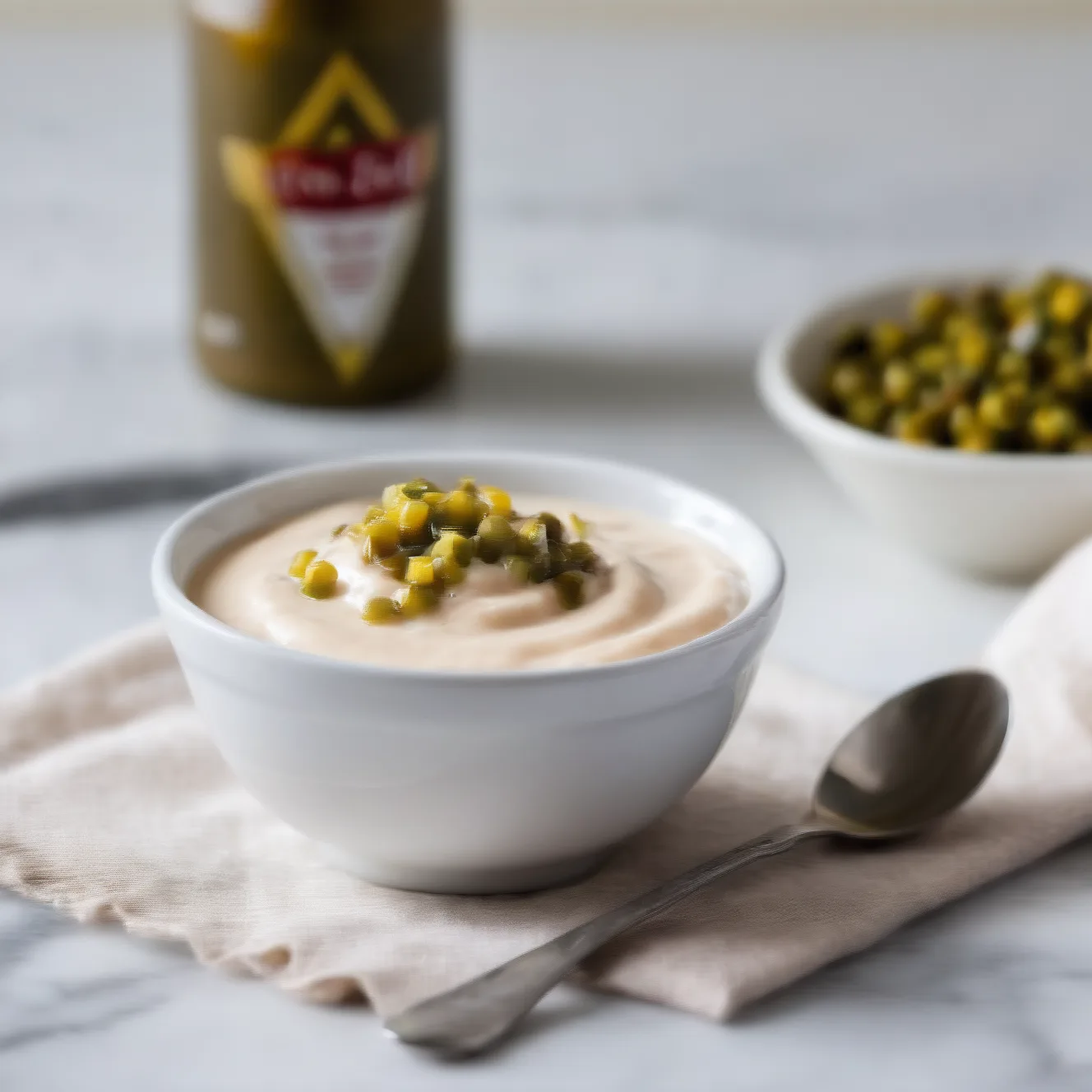
In-N-Out's spread is a Thousand Island-style sauce: 1/2 cup Hellmann's mayonnaise, 3 tablespoons ketchup, 2 tablespoons sweet pickle relish, 1 teaspoon white distilled vinegar, 1 teaspoon granulated sugar, and 1/2 teaspoon onion powder. Stir and refrigerate for at least 15 minutes before using. The white vinegar is what separates it from generic Thousand Island — a clean, sharp tang that cuts through the richness of the cheese and grilled onions. This is the same recipe as our dedicated In-N-Out spread page, and it makes about 3/4 cup — enough for two full batches of Animal Style Fries. It keeps refrigerated for up to a week.

Why do Animal Style Fries go soggy so fast?

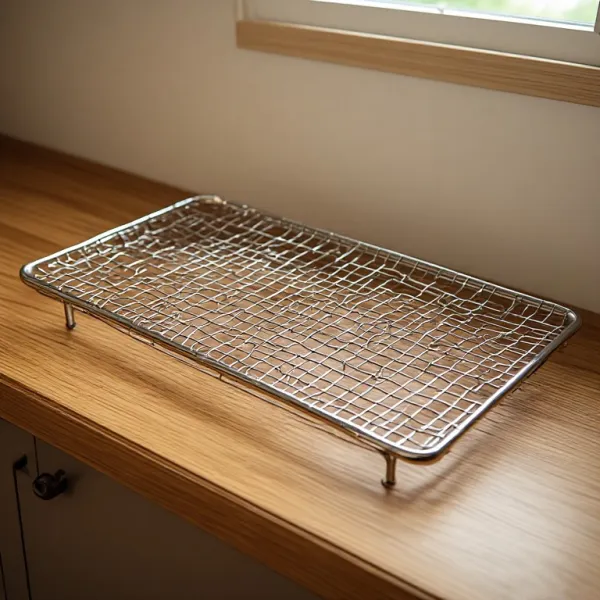
Two reasons: the spread and the steam. The mayo-based spread is high in fat and moisture — it begins penetrating the fry crust within minutes of application, softening the exterior. The caramelized onions also release steam and moisture that migrates into the fry. In-N-Out serves these in a small, open wax-paper-lined tray to allow steam to escape rather than pool. At home, skip ceramic bowls (they trap steam). Serve in a wide, shallow dish or directly on parchment. Don't stack the fries deep. Eat within 5 minutes for the best crunch-to-sog ratio — these are not leftovers.

How do Animal Style Fries compare to Shake Shack Cheese Fries or Five Guys Cajun Fries?

Completely different categories. Shake Shack Cheese Fries use a liquid cheese sauce (similar to nacho cheese in texture, made with American cheese and cream) — it coats evenly but doesn't produce the distinct cheese layer that Animal Style Fries have. Five Guys Cajun Fries are the best plain fries in fast food — crispy, skin-on, cooked in peanut oil with Cajun seasoning — but they have no sauce or cheese component. Animal Style Fries are the only mass-market version that uses solid American cheese melted by fry heat (rather than pre-made cheese sauce), and the grilled onion + Thousand Island combination is entirely unique among major chains.

Love this recipe? Share it!

Free PDF: our 12 most-wanted copycat recipes — instant download.

Made it? Buy us a coffee

Every recipe here is free, with no paywalls. If this one was a hit at your table, a small tip keeps new copycats coming.

$

In-N-Out is a trademark of its owner, used here only to describe the dish this recipe recreates. This is an independent copycat written in our own words — Copycat Spices is not affiliated with, endorsed by or sponsored by In-N-Out.

Ratings & Reviews

—
No ratings yet

Rate this recipe

Click a star to rate

Leave a Review

0/500

CS

Copycat Spices Editorial

Researched + fact-checked. Every recipe on Copycat Spices is built from published sources — official ingredient lists, brand-published recipes, interviews and food-science references — and fact-checked before it goes live, then written as clear, step-by-step instructions for home cooks of all skill levels.

Learn more about our mission →