


Pin It

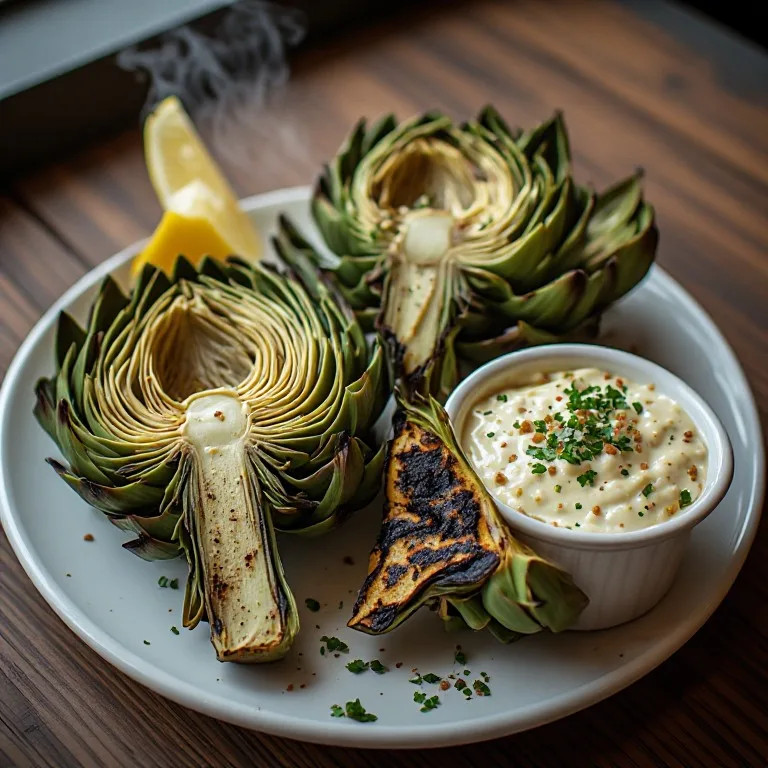
Houston's Grilled Artichoke with Remoulade

Houston's Grilled Artichoke with Remoulade
Jump to Recipe
Prep 20 min Cook 25 min Serves 4
Quick answer: Houston's grilled artichoke starts with two large globe artichokes halved lengthwise, simmered in salted, lemony water for 12–15 minutes until the base is just tender when pierced, then brushed with garlic-olive oil and grilled cut-side down over high heat for 5–7 minutes until deep char marks form. The remoulade is ½ cup mayonnaise, 1 tablespoon Dijon mustard, 1 tablespoon sweet pickle relish, 1 tablespoon capers finely chopped, 1 garlic clove grated, 1 tablespoon lemon juice, ½ teaspoon Worcestershire, a pinch of cayenne, and 1 tablespoon parsley — refrigerated for at least 1 hour before serving. The technique that matters: remove the fuzzy choke completely before par-cooking so the cut surface grills flat and evenly, and dry the artichoke halves well so the grill brands them rather than steaming them.

Shop the tools

Gear matched to this recipe. These are Amazon affiliate links — we may earn a small commission if you buy, at no extra cost to you.

As an Amazon Associate, Copycat Spices earns from qualifying purchases. Product images are generic illustrations, not the exact item listed.

Houston's Grilled Artichoke with Remoulade

The copycat for Houston's / Hillstone fire-grilled artichoke — par-boiled until just tender, charred on a hot grill, and served with a tangy New Orleans-style remoulade (mayo, Dijon, capers, Worcestershire). Serves 4 as a starter for about $6 total vs. $18–22 at the restaurant.

Intermediate Prep: 20 min Cook: 25 min Total: 45 min4 servings ~$4.50/serving
Prep20 min
Cook25 min
Total45 min
Servings
4
At home~$4.50/serving
vs
Restaurant~$20.25/serving
You save ~78%

The Story Behind the Recipe

Houston's (Hillstone Restaurant Group) has served the grilled artichoke as a menu constant for decades. The dish appears on Houston's and Hillstone menus across the country and is one of the most-ordered starters in the chain's history, even though it is, at its core, just a vegetable and a sauce. What made it a signature was the technique: par-boiling to soften the leaves all the way through, then using real grill heat to lay down smokiness and char at the edges while the interior stays creamy-tender. Most home cooks either steam artichokes and skip the grill, or grill them raw and end up with burned tips and undercooked hearts. Houston's solved this with a double-cook method that's been copied in restaurants across the country ever since. At the restaurant, the artichoke runs $18–22 depending on the location; made at home, two artichokes and pantry sauce ingredients cost roughly $6.

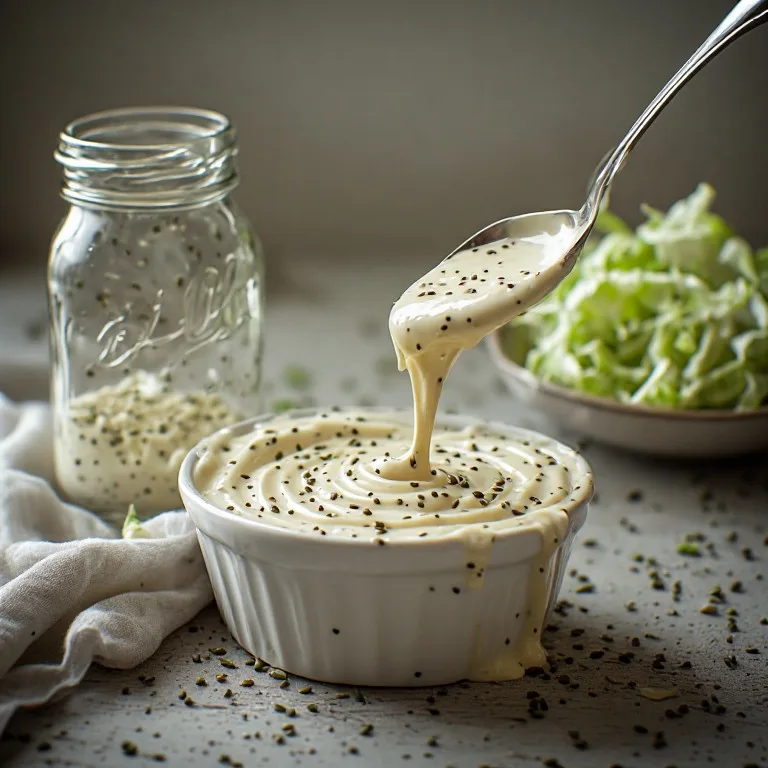
The remoulade is the other half of the dish. Houston's calls it a remoulade but the sauce is closer to the New Orleans tradition than the French: a mayonnaise base built up with Dijon, capers, relish, Worcestershire, garlic, and lemon — the same flavor stack you'd find at a good New Orleans steakhouse. Most copycat attempts go too light on the capers and relish (the two things that distinguish a remoulade from plain aioli) and skip the Worcestershire (which adds a background savory note that stops the sauce tasting flat). The remoulade needs at least 1 hour in the refrigerator — ideally 3 or more — for the garlic to mellow and the flavors to merge. Make it first, then the artichokes.

Nutrition Facts

Per serving (4 servings)
Calories245
Total Fat24g
Total Carbs8g
Dietary Fiber4g
Sugars2g
Protein2g
Sodium320mg

* Estimated values based on standard recipe preparation. Actual values may vary.

Ingredients

  • For the artichokes
  • For the remoulade

Instructions

💡
Pro tip: This recipe tastes even better the next day. The flavors need time to meld together in the fridge.
❄️
Storage: Keeps in an airtight container in the fridge for up to 2 weeks. Freezer-friendly for up to 3 months.
🎃 Free Halloween cookbook — download now The Copycat Halloween Cookbook A ready-made, photo-illustrated PDF of our best halloween copycat recipes — free to download, no building required. Pay what you want to support if you love it.

Free PDF — instant download. We'll also send new seasonal copycat recipes now and then; unsubscribe anytime. Or just download it →

Houston’s grilled artichoke with remoulade is one of those dishes that built a restaurant’s reputation on a single appetizer. Decades on the menu, served across Houston’s and Hillstone locations nationwide, and it’s still the first thing many regulars order.

The Double-Cook Method

The technique is why this works. A raw artichoke on a grill gives you burned leaves and a raw heart. Steamed and skipped on the grill gives you tender but pale, no smoke. Houston’s answer: par-boil to fully cook, then grill for char and smokiness in a narrow window. Nearly every restaurant that serves grilled artichokes runs the same double-cook logic — boil or steam first, grill second. The home version needs nothing more than a large pot of boiling water and any grill that gets hot enough to brand.

The Remoulade vs. a Plain Aioli

Most copycat attempts make a garlic aioli (mayo + garlic + lemon) and call it remoulade. The Houston’s sauce is closer to the New Orleans tradition: the same mayo base, but with Dijon, sweet relish, capers, and Worcestershire added. The relish is the most-skipped ingredient and arguably the most important — it adds a faint sweetness that rounds the sharp edges of the capers and lemon. The Worcestershire is subtle, but its absence makes the sauce taste flat. Make it at least 1 hour ahead; 3 hours is noticeably better as the garlic mellows and the flavors merge.

How to Eat an Artichoke

If you’ve never eaten a whole artichoke: pull individual leaves starting from the outer edge. Each leaf has a tender, fleshy band at the base — the white end you pull off. Dip it in the remoulade, place the fleshy end between your teeth, and pull the leaf through, stripping off the tender flesh. Discard the fibrous outer portion of the leaf. Work inward leaf by leaf; the inner leaves get more tender and more edible the deeper you go. At the center is the heart — the best part. Cut it into pieces and eat with the remaining remoulade.
🥗

Make It Healthier

Love Houston's Grilled Artichoke with Remoulade but want a lighter version? Try these simple swaps:

  • ✓Swap half the mayonnaise for plain full-fat Greek yogurt — cuts fat by roughly 35% while keeping the sauce creamy; the yogurt's tang actually amplifies the lemon and caper notes
  • ✓Use avocado-oil mayo instead of standard soybean-oil mayo — same calorie profile but a better fatty-acid balance, and it holds its emulsion just as well when refrigerated overnight
  • ✓Skip or halve the sweet relish and replace with an extra teaspoon of drained capers — lowers added sugar to near zero and makes the sauce noticeably more savory and complex
  • ✓Brush the artichoke halves with 1 teaspoon olive oil per half instead of a generous drizzle — enough to prevent sticking and add a light sheen without pushing the per-serving fat count much higher

Frequently Asked Questions

What is the copycat recipe for Houston's grilled artichoke?

Two large globe artichokes, halved and choke removed, par-boiled 12–15 minutes in salted water with lemon juice added, then brushed with olive oil and minced garlic and grilled cut-side down over medium-high heat for 5–7 minutes until charred. For the remoulade: ½ cup mayonnaise, 1 tablespoon Dijon mustard, 1 tablespoon sweet pickle relish, 1 tablespoon finely chopped capers, 1 grated garlic clove, 1 tablespoon lemon juice, ½ teaspoon Worcestershire, a pinch of cayenne, 1 tablespoon finely chopped parsley, salt to taste. Refrigerate the sauce at least 1 hour before serving.

What is Houston's grilled artichoke sauce made of?

Houston's remoulade is a mayonnaise-based New Orleans-style sauce rather than a simple aioli. The key ingredients that separate it from plain garlic mayo: sweet pickle relish (or finely chopped sweet pickles), capers, Dijon mustard, Worcestershire sauce, and lemon juice, brought together with grated garlic and chopped parsley. The Worcestershire is easy to forget and hard to notice when it's there, but without it the sauce tastes one-dimensional. The sauce needs refrigerator time — at least 1 hour — before the garlic softens and the flavors come together.

Why par-boil the artichoke before grilling it?

A raw artichoke halved and placed directly on a grill will char on the outside while the leaves stay tough and nearly inedible at the base, because artichoke flesh is dense and starchy and takes significant heat time to soften. Par-boiling first solves this: 12–15 minutes in rolling boiling water softens the leaves and the heart to a tender-but-still-firm state. The grill then adds char, smokiness, and the caramelized exterior texture without any concern about the inside cooking through. This double-cook method is standard at restaurants serving grilled artichokes — doing only one or the other produces a worse result.

How do you remove the artichoke choke before grilling?

After halving the artichoke lengthwise with a large chef's knife, the choke — a fibrous, thistle-like cluster of pale green and purple filaments sitting above the heart — is visible at the cut face. Use a metal spoon or a melon baller and scoop in a circular motion to pull the choke out completely, including the fuzz immediately below it. The heart underneath is smooth, pale, and slightly concave once it's clean. Any choke left in will taste bitter and have a scratchy texture. Do this step before par-boiling, not after — the boiled artichoke is slippery and harder to clean.

How hot should the grill be for Houston's grilled artichoke?

Medium-high to high — around 400–450°F at the grate. You want the grill hot enough to brand the cut surface quickly with clear char marks (5–7 minutes) before the outer leaves over-dry. If your grill runs cooler, add a couple of minutes. The test: the cut surface should have distinct dark brown or black grill lines and feel slightly crisped at the edges, while the body of the artichoke still feels springy when pressed, not mushy. An indoor grill pan over medium-high heat also works, though you'll get parallel lines rather than a cross-hatch.

Can Houston's grilled artichoke be made ahead?

The remoulade, yes — it gets better with 3–8 hours of refrigerator time and holds well for up to 3 days in a sealed jar. The artichokes can be par-boiled up to 24 hours ahead, stored cut-side up on paper towels, covered in the refrigerator, and grilled to order when you're ready to serve. Fully cooked-and-grilled artichokes reheat reasonably well in a hot oven (400°F, 8–10 minutes) but lose a bit of the just-grilled texture — if you're serving a crowd, par-boil ahead and grill at the last minute.

What does Houston's charge for the grilled artichoke?

Prices vary by market but the grilled artichoke typically runs $18–22 at Houston's and Hillstone locations as of 2026 — it's priced as a generous shared appetizer. At home, two large globe artichokes cost roughly $3–4 combined, and the remoulade ingredients (mayo, Dijon, capers, relish) add another $1–2, bringing the total to approximately $5–6 for a portion that serves four. The at-home version costs roughly 75–80% less than the restaurant's price for the same yield.

Love this recipe? Share it!

Free PDF: our 12 most-wanted copycat recipes — instant download.

Made it? Buy us a coffee

Every recipe here is free, with no paywalls. If this one was a hit at your table, a small tip keeps new copycats coming.

$

Houston's is a trademark of its owner, used here only to describe the dish this recipe recreates. This is an independent copycat written in our own words — Copycat Spices is not affiliated with, endorsed by or sponsored by Houston's.

Ratings & Reviews

—
No ratings yet

Rate this recipe

Click a star to rate

Leave a Review

0/500

CS

Copycat Spices Editorial

Researched + fact-checked. Every recipe on Copycat Spices is built from published sources — official ingredient lists, brand-published recipes, interviews and food-science references — and fact-checked before it goes live, then written as clear, step-by-step instructions for home cooks of all skill levels.

Learn more about our mission →