


BLT Steak Gruyère Popovers
Prep time: 15 min Cook time: 45 min Servings: 12 popovers
BLT Steak, Laurent Tourondel’s upscale steakhouse on East 57th Street in Manhattan, built its name on USDA prime dry-aged beef. But the thing diners describe first — the thing that sets up the meal before a steak is ordered — is the bread service.
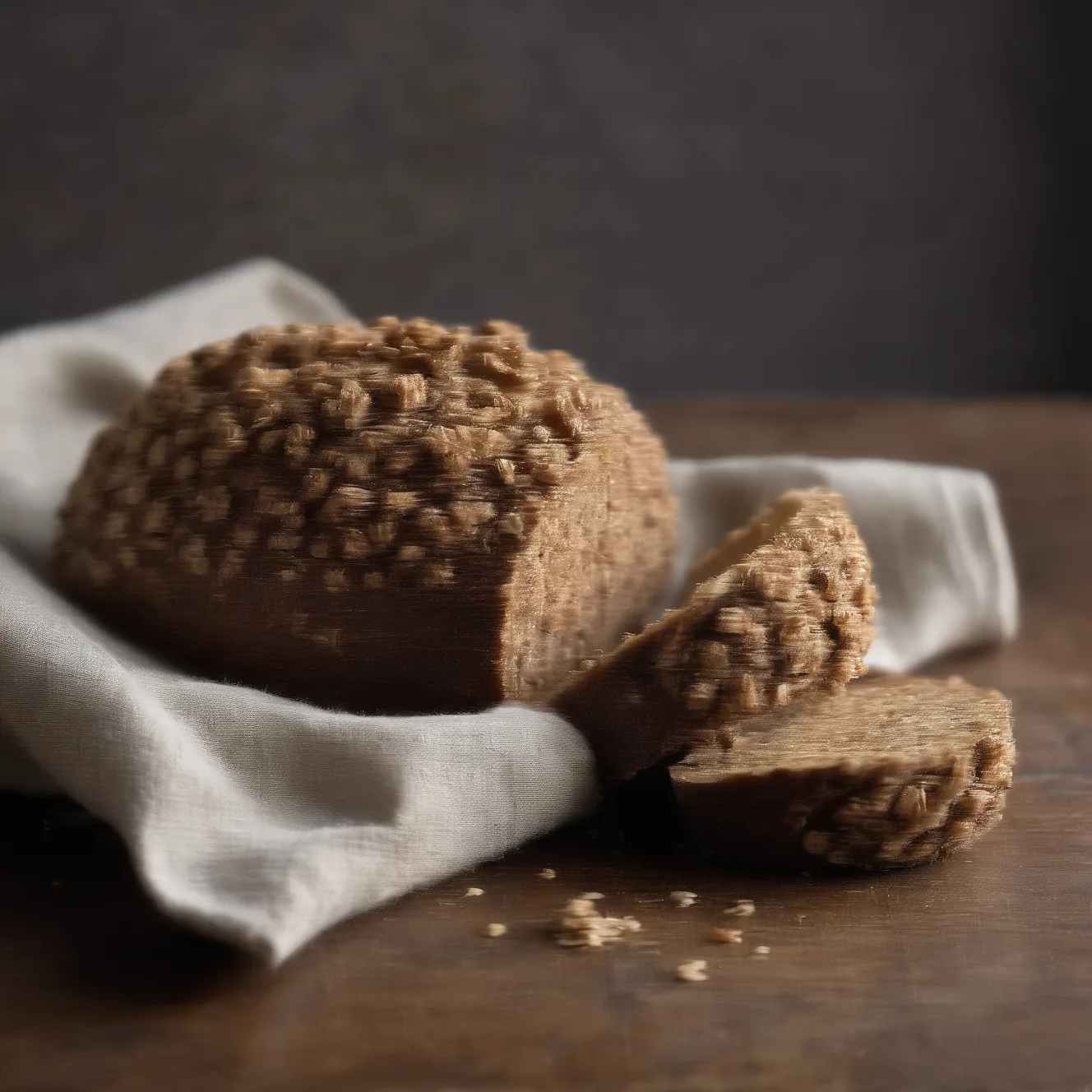
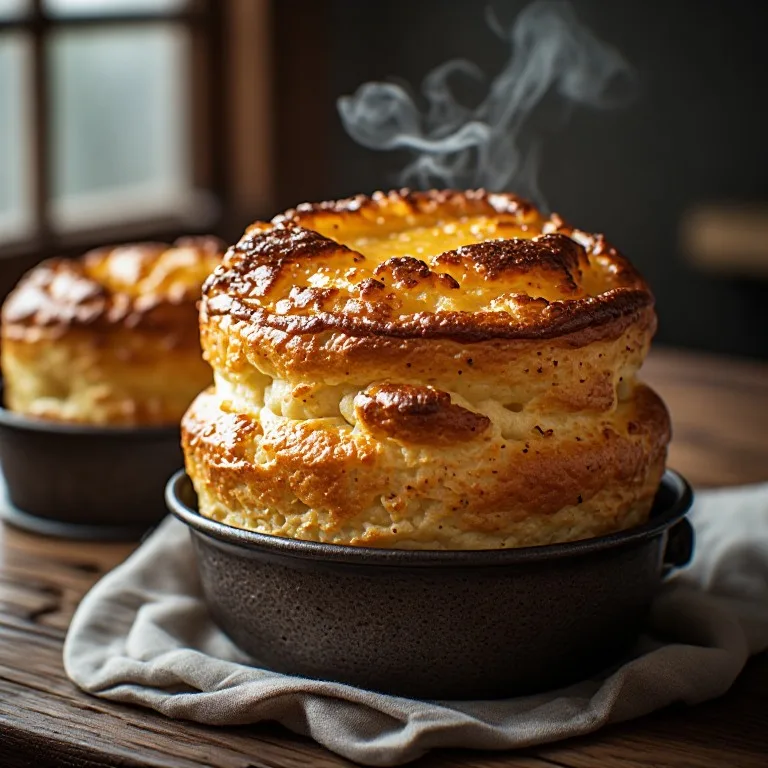
Every table gets freshly baked Gruyère popovers, served from the pan, still hot enough to burn if you reach for them too quickly. The exterior is crisp and audibly crackles when pressed. The interior is hollow and custardy, almost like a baked custard suspended inside a thin egg pastry shell. The Gruyère on top has caramelized into a browned, slightly crunchy crown. It arrived tableside in 2004 and became one of those New York steakhouse rituals people tell others about: there’s this place on 57th, and they bring these enormous popovers…
The recipe was published through Williams-Sonoma under BLT Steak’s name — five ingredients and a technique that determines everything. Like the warm bread service at other great steakhouses — LongHorn’s honey wheat loaf or the breadbasket garlic bread at Carbone — it’s the first thing on the table and the thing people remember.
What Makes These Popovers Different From the Standard Version
Popovers have been part of American cooking since the 1870s — a thin egg-and-milk batter poured into a hot greased pan, leavened entirely by the steam that builds as the liquid expands in the oven’s heat. They are hollow, eggy, and require no chemical leavening. They are also finicky: technique errors that would be minor in a yeast bread or a cake are fatal here.
BLT Steak does two things that set the restaurant version apart from generic popovers:
Gruyère on top, not stirred in. The cheese sits on top of the liquid batter before it enters the oven. As the batter rises, the cheese travels with it — pressed against the oven’s direct heat at the top of the rise. The result is a caramelized, slightly crunchy cheese crust on the exterior crown, not melted cheese inside the bread. This is the visible signature that makes BLT Steak’s version recognizable: a dark, nutty, crackling cap over a pale puffed body.
A wet batter ratio. The 1:1 ratio of whole milk to flour by volume is wetter than many popover recipes, which lean toward a slightly thicker batter. The wetter ratio keeps the interior custardy and almost quiche-like rather than bready — closer to a baked egg custard set inside a thin crisp shell than to a hollow dinner roll.
The One Technique That Determines Everything
Preheat the popover pan. Not the oven — the pan. The pan should be in the oven when it preheats, heating at 400°F for at least 10 to 20 minutes before you pour in the batter.
When batter hits a cold pan, the batter heats slowly from the outside in. By the time the interior starts generating significant steam, the outer batter has already set into a flexible crust that expands gradually under modest pressure. You get a modest rise and a serviceable popover.
When batter hits a screaming-hot greased pan, the thin layer touching the cup walls sets within seconds, forming a rigid thin shell while the interior is still completely liquid. The steam that builds as the liquid interior heats is trapped inside a quickly-firmed shell and has nowhere to go but up. The popover pops — expanding dramatically upward in the first 15 minutes, rising above the rim of the cup and developing the characteristic mushroom-cloud silhouette of a properly made restaurant popover.
Heat the pan. It is the one step that cannot be compensated for by anything else.
Why You Cannot Open the Oven for the First 15 Minutes
In the first 15 minutes of baking, the popover is expanding. The interior is still largely liquid; the shell is forming but not yet set into a rigid structure. A drop in oven temperature during this phase — from opening the door to check on them — is enough to interrupt the expansion. The partial structure collapses, the liquid interior spreads out rather than up, and the result is a flat, dense disk rather than a towering balloon.
The rotation at the 15-minute mark is the one time you open the oven during baking. Rotate fast, close fast. After rotation, do not open the door until the full time has passed.
Serving and the Short Window
Popovers fall. This is not a flaw — it is what they do. Within 5 to 10 minutes of leaving the oven, the steam that was holding the structure expands through the shell, the interior cools and contracts, and the balloon deflates. BLT Steak serves them immediately because there is no other option.
At home: pierce each popover with a skewer right out of the oven to vent the steam in a controlled way (this buys a few extra minutes before deflation). Have plates set, guests seated, and the table ready before the popovers come out of the oven. Make them, set them down, eat them.
Tips
- Room-temperature eggs are not optional. Cold eggs set too quickly when they hit the hot batter layer, compressing the expansion window. Leave eggs on the counter for at least 30 minutes before making the batter.
- Move fast when filling the cups. The pan loses heat every second it is out of the oven. Fill all cups and top with cheese in under 60 seconds, then get the pan back in immediately.
- The batter is thin — that is correct. It should look almost too loose, thinner than pancake batter. This is how popovers work.
- Muffin tin substitution. Standard muffin tins produce shorter, wider popovers. They taste the same but lack the height. Cast-iron muffin pans are a better alternative if you don’t have a dedicated popover pan — the heat retention is much better than aluminum.
- Leftovers rarely exist, but cold popovers can be reheated at 350°F for 5 to 7 minutes to restore some crispness. They will not be what they were fresh from the oven.
Build the Steakhouse Dinner at Home
The popovers are a bread course, built to lead into steak. If you’re recreating the full BLT Steak experience, the obvious partners are a well-seared steak and a classic creamed side:
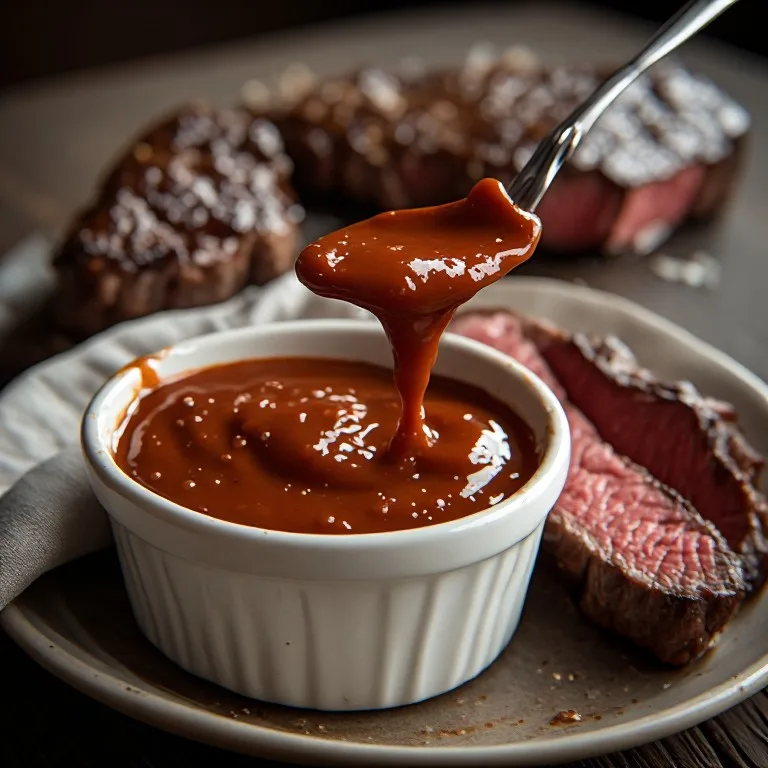
- Peter Luger steak sauce — the anchovy-and-tamarind sauce from Brooklyn’s 1887 steakhouse; the one bottle worth cloning for any steak night.
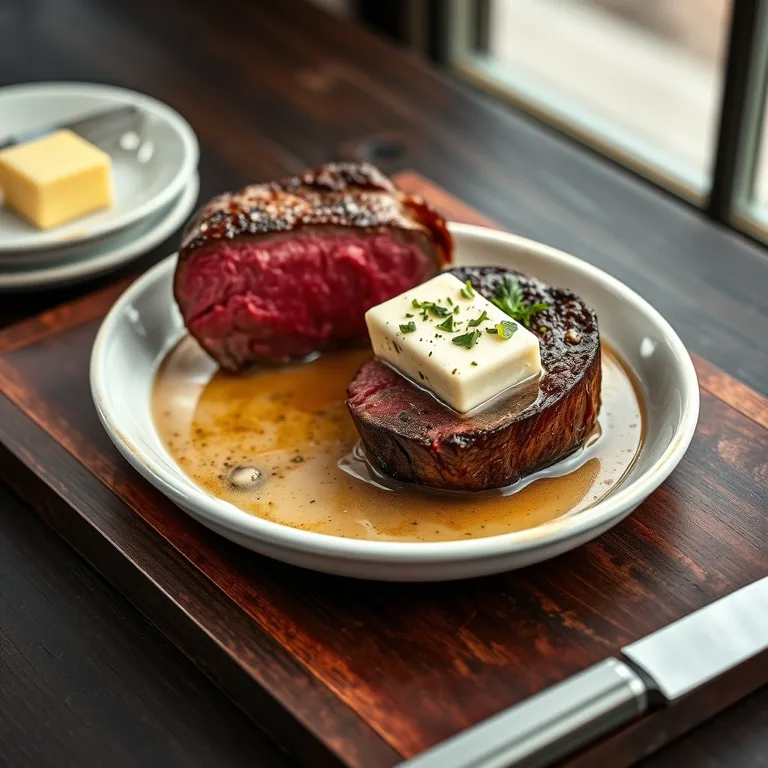
- Ruth’s Chris filet mignon — USDA Prime finished with butter on a 500°F plate, the sizzling-plate technique explained for a home oven and skillet.
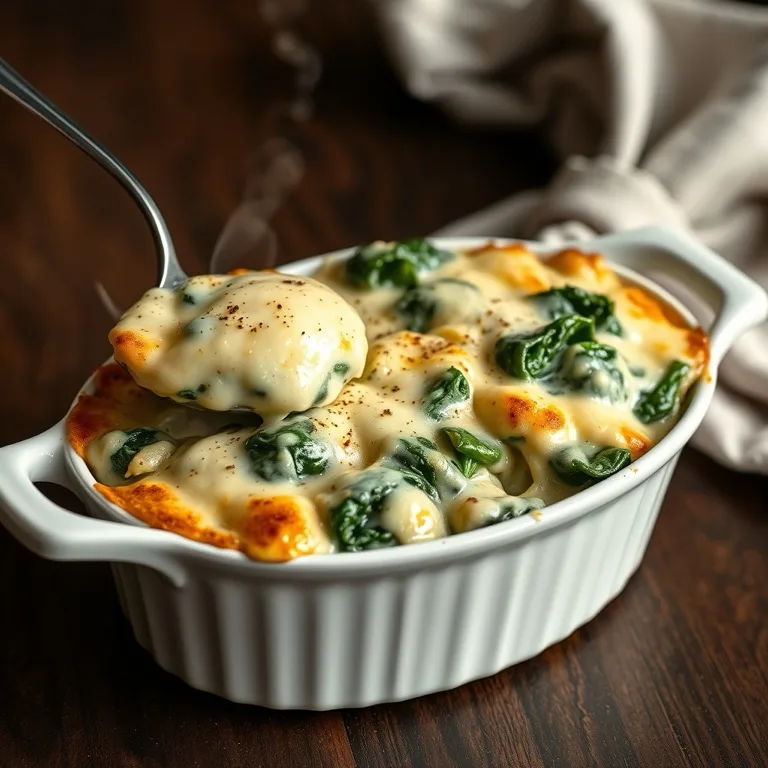
- Morton’s creamed spinach — the three-cheese creamed spinach that’s the default steakhouse side, and the one these popovers are made to mop up.