

Pin It

Italian Feast Zeppole

Italian Feast Zeppole
Jump to Recipe
Prep 10 min Cook 15 min Serves 4 (about 14 zeppole)
Quick answer: Whisk together 1 cup whole-milk ricotta, 2 large eggs, 1 cup all-purpose flour, 2 teaspoons baking powder, 3 tablespoons sugar, 1 teaspoon vanilla extract, and a pinch of salt until smooth. Heat 3 inches of vegetable or canola oil in a heavy pot to 365°F (range 350–375°F). Drop rounded tablespoons of batter into the oil — work in batches of 5 to 6. Fry 2 to 3 minutes, turning once, until deep golden. Drain on paper towels and toss immediately in powdered sugar. Eat within 10 minutes — zeppole soften as they cool. Total prep and cook time: 25 minutes. Makes about 14 zeppole.

Italian Feast Zeppole

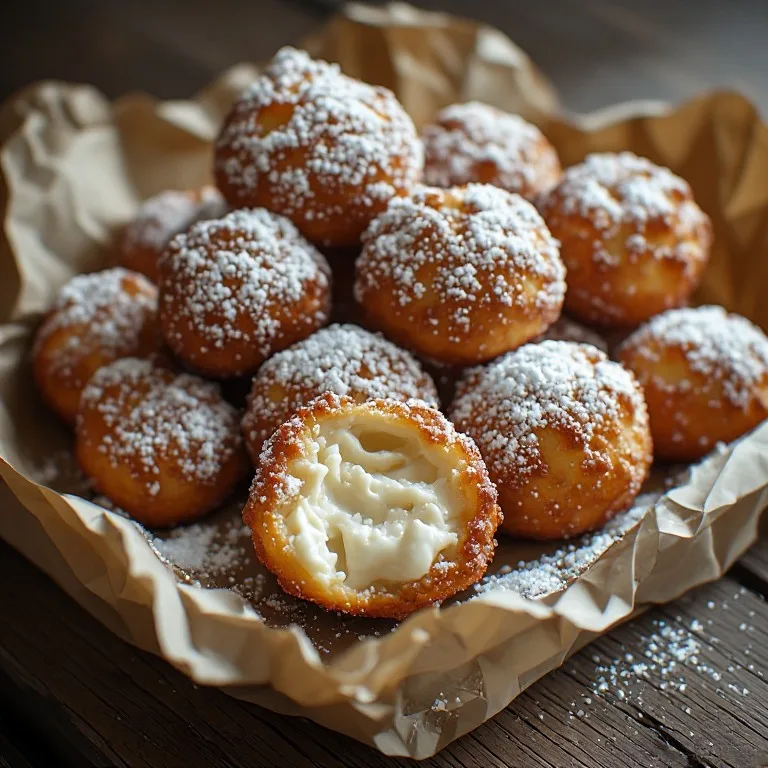
Copycat Italian feast zeppole recipe — the powdered-sugar fried dough from San Gennaro and street fairs across America. Ricotta-based batter fries in 3 minutes and turns out the crispy-outside, pillowy-inside zeppole you remember. Make a full batch at home for about $3 — roughly 20 cents each.

Easy Prep: 10 min Cook: 15 min Total: 25 min4 (about 14 zeppole) servings ~$3.85/serving
Prep10 min
Cook15 min
Total25 min
Servings
4
At home~$3.85/serving
vs
Restaurant~$17.32/serving
You save ~78%

The Story Behind the Recipe

The Feast of San Gennaro has run through Little Italy in lower Manhattan every September since 1926 — eleven days of processions, live music, and fried food, centered on the block of Mulberry Street between Canal and Spring. It is the oldest and largest Italian-American street festival in the United States, and it is where most Americans first ate a zeppole. The vendor setup hasn't changed in decades: a propane burner, a pot of hot oil, a bag of powdered sugar, and a paper bag to shake the finished ones in. They cost about $8 for a half-dozen at the feast. A full batch of fourteen from this recipe runs around $3 in ingredients — roughly 20 cents apiece.

Zeppole (the plural; one is a zeppola) come from Naples and the surrounding Campania region. The feast-fair version — small, round, dropped from a spoon — is the simplest form: a ricotta batter, fried until the outside is shatteringly crisp and the inside steams into a soft, ricotta-rich center. This is different from Zeppole di San Giuseppe, the elaborate cream-puff-style pastry filled with custard that Italians make for St. Joseph's Day on March 19. The feast zeppole are humbler and faster — essentially a fried ricotta fritter — which is why they scale so easily to street-fair quantities. The key is eating them hot: zeppole lose their crunch within 10 to 15 minutes of coming out of the oil, which is why the best festival vendor always has a line.

Nutrition Facts

Per serving (4 (about 14 zeppole) servings)
Calories410
Total Fat22g
Total Carbs42g
Dietary Fiber1g
Sugars17g
Protein13g
Sodium340mg

* Estimated values based on standard recipe preparation. Actual values may vary.

Ingredients

  • For the batter
  • For frying and finishing

Instructions

💡
Pro tip: This recipe tastes even better the next day. The flavors need time to meld together in the fridge.
❄️
Storage: Keeps in an airtight container in the fridge for up to 2 weeks. Freezer-friendly for up to 3 months.
🎃 Free Halloween cookbook — download now The Copycat Halloween Cookbook A ready-made, photo-illustrated PDF of our best halloween copycat recipes — free to download, no building required. Pay what you want to support if you love it.

Free PDF — instant download. We'll also send new seasonal copycat recipes now and then; unsubscribe anytime. Or just download it →

You know the booth — the propane burner, the heavy pot of oil, the cloud of powdered sugar. At every Italian street fair in America, zeppole are the first thing to sell out. This recipe replicates the San Gennaro version: a ricotta-based batter that fries in three minutes and comes out crispy outside, pillowy inside. Total time from bowl to table: 25 minutes. Cost: about $3 in ingredients for a full batch of fourteen — roughly 20 cents each.

What makes a zeppola work (and what kills it)

Two things determine whether homemade zeppole are good: oil temperature and eating them immediately.

Oil temperature. 365°F is the target (350–375°F range). At this temperature, the exterior of the batter sets within the first 60 seconds and seals in the steam from the ricotta and eggs. That steam is what makes the center fluffy. Below 350°F, the batter absorbs oil before the shell forms; the finished zeppola is greasy, dense, and pale. Use a deep-fry thermometer. Street vendors use them; so should you.

Eat them hot. Zeppole are a 10-minute window. The crispy shell is formed by steam pressure; once the pastry cools, the steam condenses, the shell softens, and you have a chewy, oily ball. The reason the San Gennaro vendors always have a line is that they fry to order. Plan your batches so guests are eating as you’re frying.

The batter

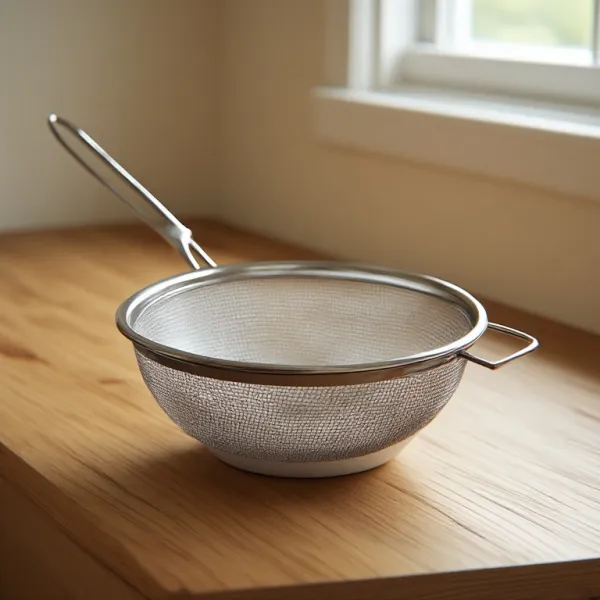
Ricotta-based batter is the fast, accessible version — and genuinely what most American street vendors use. Whole-milk ricotta gives the richest interior; part-skim works but is slightly less creamy. If your ricotta looks watery in the container, strain it through a fine-mesh strainer for 10 minutes before using — excess moisture weakens the batter structure and can cause splattering in the oil.

The mixing rule: whisk the ricotta and eggs together until completely smooth before adding the dry ingredients. Lumpy batter (under-incorporated ricotta) fries unevenly — you get pockets of raw flour inside finished zeppole. Once the dry ingredients go in, fold gently until just combined. Overmixed batter develops gluten and produces a tough, chewy interior rather than a pillowy one.

Flavor variations

Savory (Christmas Eve): Omit the sugar and vanilla. Press one anchovy fillet into the center of each portion before frying. Dust with sea salt instead of powdered sugar. This is the traditional Italian-American Christmas Eve version — the anchovy melts inside the dough and produces a rich, deeply savory fritter that tastes nothing like “fishy” and everything like the best thing on a Feast of the Seven Fishes table.

Filled zeppole: Make a small hole with a skewer after frying (while hot) and pipe in Nutella, pastry cream, or dulce de leche with a piping bag. This is closer to the Zeppole di San Giuseppe style and makes a generous dessert for a sit-down dinner.

Lemon: Add 1 tablespoon of fresh lemon zest to the batter and serve with a lemon powdered sugar (mix ¼ teaspoon of lemon zest into 1 cup of powdered sugar). Bright, not sweet-heavy — a good balance to the richness of the ricotta.

The festival context

The Feast of San Gennaro runs every September for eleven days on Mulberry Street in Manhattan’s Little Italy — the longest-running Italian-American street fair in the United States. It started in 1926 as a religious procession honoring the patron saint of Naples and became the template for Italian street fairs across the country. The food vendors selling zeppole at $7 to $10 for a half-dozen are doing exactly what the vendors in 1926 were doing: a pot of oil, a bag of powdered sugar, and hungry people. Making them at home costs about 20 cents each and takes 25 minutes. They’re as good as the booth.

If you like this style of fry-to-order fried dough, the technique is nearly identical to Café Du Monde beignets — a wet dough dropped into hot oil and buried in powdered sugar while still hot. For the sit-down Italian dessert at the other end of the spectrum, see our Olive Garden tiramisu.
🥗

Make It Healthier

Love Italian Feast Zeppole but want a lighter version? Try these simple swaps:

  • ✓Air-fry instead of deep-fry: scoop batter onto parchment squares, lower gently into a 375°F air fryer basket, and cook 6 to 7 minutes flipping once — about 40% less fat with comparable crunch
  • ✓Use part-skim ricotta (not fat-free, which turns grainy) — saves about 20 calories per serving while keeping the pillowy interior
  • ✓Dust with a mix of powdered sugar plus ½ teaspoon cinnamon — cinnamon amplifies perceived sweetness so you need less sugar overall, dropping added sugar by about 2g per serving
  • ✓Bake on a buttered sheet at 400°F for 12 to 14 minutes — the result is more of a ricotta muffin than a fried zeppola, but it's genuinely good and a realistic weeknight option

Frequently Asked Questions

What is the copycat recipe for Italian feast zeppole?

Combine 1 cup whole-milk ricotta, 2 large eggs, 1 cup all-purpose flour, 2 teaspoons baking powder, 3 tablespoons granulated sugar, 1 teaspoon vanilla extract, and a pinch of salt in a bowl. Whisk until smooth — the batter should be thick, slightly sticky, and scoopable. Heat vegetable or canola oil to 365°F in a heavy Dutch oven or deep pot (at least 3 inches of oil). Drop heaping tablespoons of batter directly into the oil — don't crowd the pot; cook 5 to 6 at a time. Fry for about 2 to 3 minutes, turning once halfway through, until deep golden brown all over. Remove with a slotted spoon, drain briefly on paper towels, then toss immediately in a bowl of powdered sugar. Serve right away.

What's the difference between Italian feast zeppole and Zeppole di San Giuseppe?

They share a name but are completely different pastries. Feast-fair zeppole (the type at San Gennaro and Italian street fairs throughout the US) are simple ricotta-batter fried dough balls dusted in powdered sugar — essentially ricotta fritters, cooked in about 3 minutes. Zeppole di San Giuseppe are made for St. Joseph's Day (March 19) and are an entirely different pastry: choux dough (the same paste used for cream puffs) piped into rings, fried or baked until puffed, then filled with pastry cream and topped with a maraschino cherry or candied cherry. The Giuseppe version is more labor-intensive and much richer. When Italians say 'zeppole' at a festival, they always mean the simple powdered-sugar fried dough. When they say 'zeppole di San Giuseppe,' they mean the filled cream-puff style.

Can I make zeppole without ricotta? What's the yeasted version?

Yes. The traditional Neapolitan yeasted version predates the ricotta version and produces a slightly chewier, less rich zeppola. Dissolve 2¼ teaspoons active dry yeast in 1 cup warm water (110°F) with 1 teaspoon sugar. Let stand 5 minutes until foamy. Add 2 cups all-purpose flour and 1 teaspoon salt; mix to a wet, shaggy dough. Cover and let rise at room temperature for 1 to 1½ hours until doubled and full of bubbles. The dough will be very wet and sticky — this is correct. Wet your hand, pull off golf-ball-sized portions, and drop directly into 375°F oil. Fry 3 to 4 minutes per side. The ricotta version is quicker (no rise time) and produces a richer interior; the yeast version has more chew and a lighter, more bread-like center. Both are correct.

What oil is best for frying zeppole and how hot should it be?

Neutral-flavored oils with a high smoke point are best: vegetable oil, canola oil, or refined avocado oil. Avoid olive oil (too low a smoke point; the flavor is also wrong for a sweet pastry). The target oil temperature for ricotta-based zeppole is 365°F — the working range is 350 to 375°F. At 365°F the exterior sets quickly and seals in the steam from the ricotta batter, producing the crispy shell and fluffy interior. Below 350°F, zeppole absorb more oil before the shell forms; the exterior pales without crisping and the center can remain doughy. Above 380°F the exterior darkens too fast before the center is cooked through. Use a deep-fry thermometer; the oil will drop 20 to 30 degrees when cold batter hits it, so let it recover between batches. Cook in small batches of 5 to 6 to prevent the temperature from crashing.

Can I make zeppole ahead of time?

No — and this is genuinely not possible to work around. Zeppole are at their best for 5 to 10 minutes after coming out of the oil. The crispy shell is formed by steam pressure from the hot interior; once the pastry cools, the steam condenses, the shell softens, and the zeppole become chewy and slightly greasy. Street vendors at San Gennaro fry them to order for exactly this reason. If you're making them for a party, you can mix the batter up to 2 hours ahead and refrigerate it — bring it back to room temperature for 10 minutes before frying. Then fry in batches as people want them. The powdered sugar can be set up in a bowl in advance; toss each batch immediately out of the oil.

Are there savory zeppole? What about the anchovy version?

Yes — savory zeppole exist and are a real Italian tradition, particularly for Christmas Eve as part of the Feast of the Seven Fishes. The savory version omits the sugar and vanilla from the ricotta batter and adds either an anchovy fillet pressed into the center of each zeppola before frying, or a small piece of salt cod. The anchovy version (zeppole con alici) is the most common: make the batter without sugar or vanilla, press one anchovy fillet into each portion before dropping it in the oil, and dust with a light pinch of sea salt rather than powdered sugar. The anchovy melts inside the dough and adds a deep, savory richness that doesn't taste 'fishy' — it tastes like the Italian-American equivalent of a savory doughnut. Many Italian-American families in New York, New Jersey, and Rhode Island serve the savory version on Christmas Eve alongside the baccalà and calamari.

What is the Feast of San Gennaro and where does it take place?

The Feast of San Gennaro is an annual Italian-American street festival in the Little Italy neighborhood of Lower Manhattan, centered on Mulberry Street between Canal and Spring Streets. It has run every September since 1926 and is named for San Gennaro (Saint Januarius), the patron saint of Naples. The feast typically runs for eleven days in mid-to-late September. It started as a religious procession honoring the saint's feast day (September 19) and grew into the largest outdoor Italian-American festival in the United States — drawing over a million visitors in peak years. The food vendors — zeppole, sausage and pepper heroes, cannoli, and arancini — are the main draw for most visitors.

Love this recipe? Share it!

Free PDF: our 12 most-wanted copycat recipes — instant download.

Made it? Buy us a coffee

Every recipe here is free, with no paywalls. If this one was a hit at your table, a small tip keeps new copycats coming.

$

Ratings & Reviews

—
No ratings yet

Rate this recipe

Click a star to rate

Leave a Review

0/500

CS

Copycat Spices Editorial

Researched + fact-checked. Every recipe on Copycat Spices is built from published sources — official ingredient lists, brand-published recipes, interviews and food-science references — and fact-checked before it goes live, then written as clear, step-by-step instructions for home cooks of all skill levels.

Learn more about our mission →