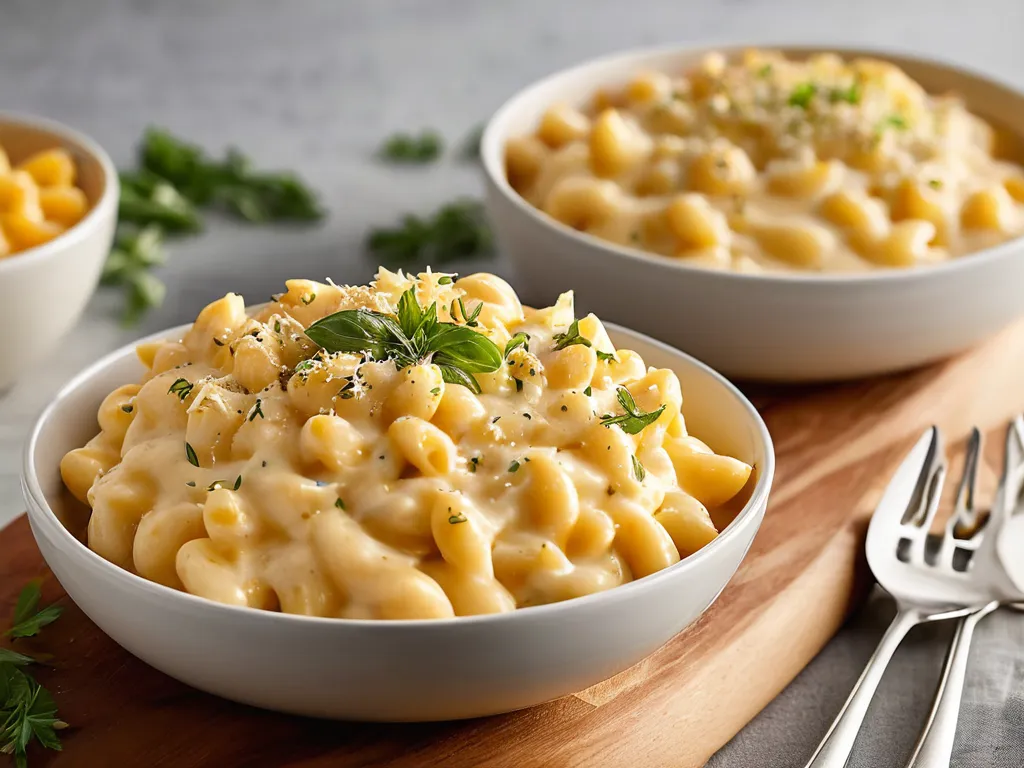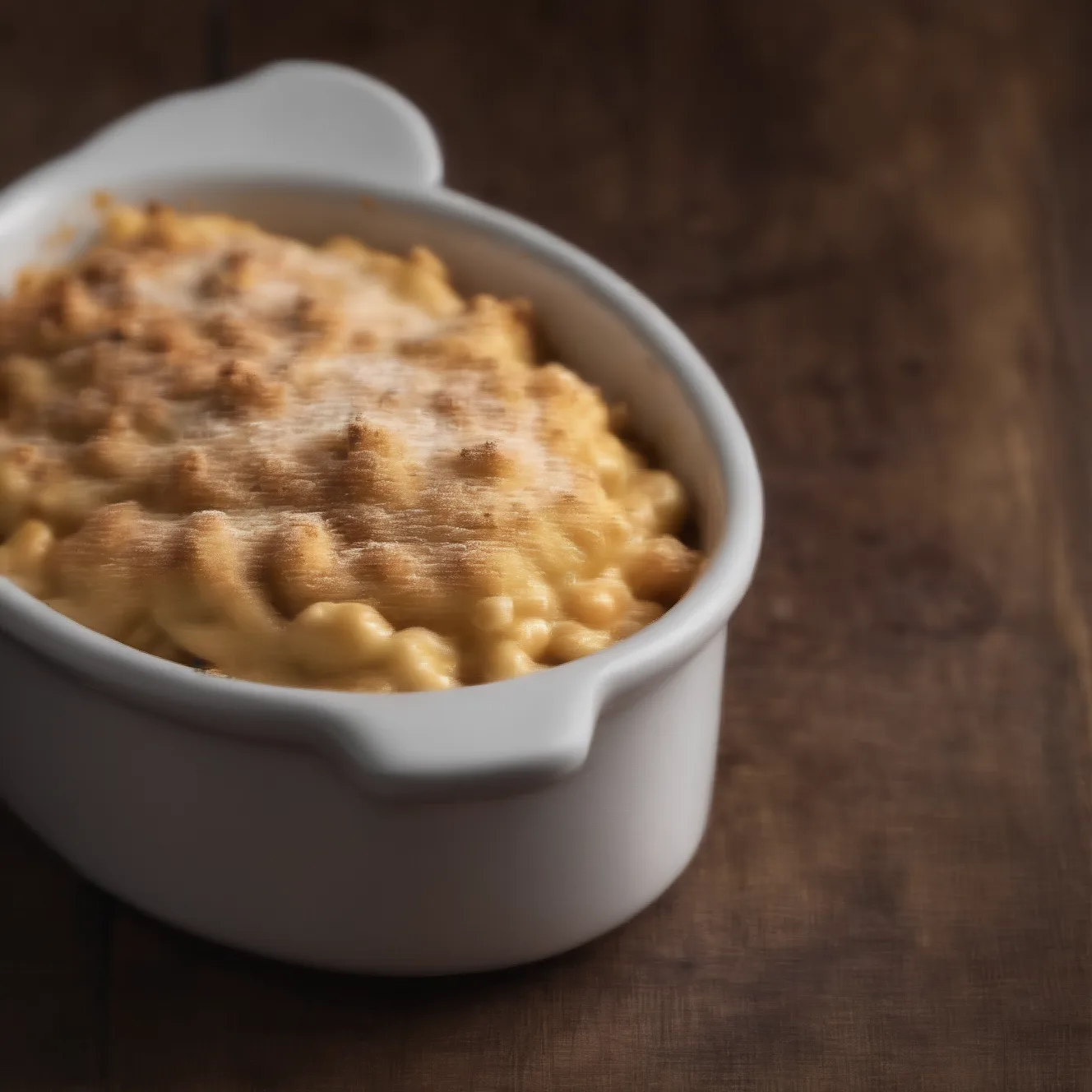
LongHorn Steakhouse Mac and Cheese
TL;DR: Four cheeses (Gruyère, Fontina, cheddar, Parmesan) in a roux-based cream sauce, cavatappi pasta, topped with smoked bacon crumbles and buttered panko, finished under the broiler. The Gruyère gives it nutty depth; the bacon is the steakhouse element most copycat recipes skip. All cheese goes in off heat. 45 minutes total.
LongHorn’s mac and cheese earns its place on a steakhouse menu by doing one thing most chain macs don’t: it has a reason to exist alongside a ribeye. The Gruyère-Fontina base gives the sauce a complexity that cheddar-only macs don’t have, and the smoked bacon-panko crust adds the char-and-salt contrast that makes a side dish work next to grilled protein. It’s designed as a complement, not a filler.
The most common copycat mistake is leaving out the bacon. Without it, this is a well-made baked mac. With it, it’s a steakhouse side.
The Cheese Blend: Why Gruyère and Fontina
Most restaurant macs are built on processed American cheese or a yellow cheddar base — both reliable for volume cooking because they’re hard to break. LongHorn’s version uses a different approach: Gruyère and Fontina as the majority of the sauce, with cheddar and Parmesan as supporting players.
Gruyère is an Alpine cheese from Switzerland, aged at least 5 months. Its characteristic flavor comes from Propionibacterium freudenreichii — the same bacteria that creates Swiss cheese holes, producing acetic acid and propionic acid that give Gruyère a sweet, nutty, slightly complex taste. This is the cheese that separates LongHorn’s version from the pack. Melt it into a cream sauce and the nuttiness distributes evenly through every bite.
Fontina is a semi-soft Italian cheese with a high fat-to-protein ratio and low melting point. It melts into a smooth, creamy stream that doesn’t string or clump. This is why it’s the base cheese for Italian fonduta and why it’s used in restaurant sauces that need to hold on a steam table without breaking. Combined with Gruyère, the result is a sauce that’s flavorful and structurally stable.
Sharp cheddar provides the expected sharpness and the yellow color. Parmesan contributes glutamate-rich umami and helps the sauce cling to the pasta rather than pooling at the bottom of the dish.
The four-cheese blend produces a sauce that tastes more complete than the sum of its parts. Any one of these cheeses alone would make a good mac; this combination makes a great one.
The Bacon: Not Optional
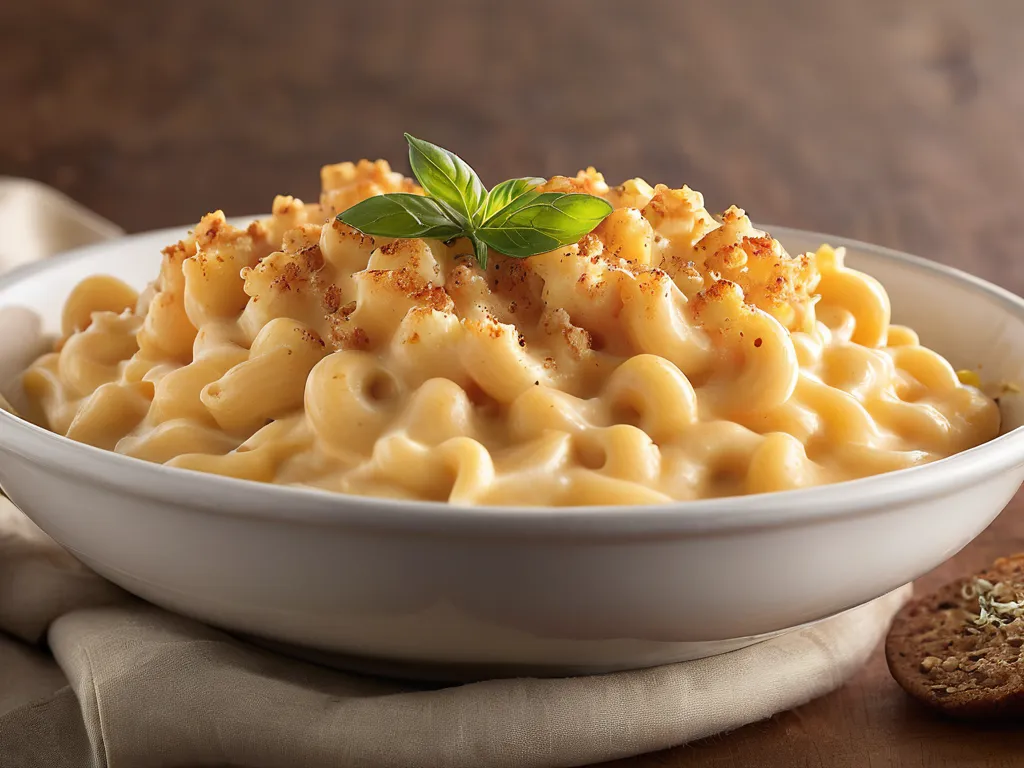
LongHorn tops its mac and cheese with applewood-smoked bacon and a crisp Parmesan-breadcrumb crust. The bacon is the most-omitted ingredient in copycat versions — and the most important for the dish’s steakhouse character. (This copycat uses butter-tossed panko with a little grated Parmesan to recreate that crust — see the topping section below.)
The bacon crust does two things: adds a textural crunch layer distinct from the panko (which toasts to a uniform golden crumb; the bacon crumbles are irregular and savory), and introduces smokiness that the cheese blend alone doesn’t provide. This smoke echoes the char on a grilled steak or the smoky finish on smoked paprika — the flavor family that makes food taste like it belongs at a steakhouse.
Use thick-cut bacon, cook it until genuinely crispy (not just cooked through — it needs to crumble cleanly), and drain it well. Turkey bacon will not provide the same smokiness. Pre-cooked bacon bits from a bag produce a dusty, dry result without the rendered fat character of freshly cooked bacon.
Smoked paprika goes into the sauce itself for an additional smoky note that bridges the cheese and the bacon topping.
Cavatappi: The Right Pasta Shape
Cavatappi’s spiral shape and hollow tube create more surface area per noodle than elbow macaroni — exterior ridges grip the sauce, the hollow interior captures it, and the corkscrew curl traps additional sauce in each coil. A forkful of cavatappi in a thick cheese sauce carries more cheese per bite than the same weight of elbows.
More practically: cavatappi holds up better under the broil. Its thicker walls and ridges maintain slight chew while the top layer of the dish gets its crust. Elbows tend to go soft throughout. Under the high heat of a broiler, pasta shape directly affects how the finished dish eats.
If cavatappi isn’t available, rotini or fusilli are good substitutes. Penne and rigatoni are too large. Elbows work but produce a softer, less structured result. For the stovetop-only style where pasta shape matters less, see Boston Market mac and cheese — that dish is designed around elbow macaroni.
The Off-Heat Rule
Every roux-based cheese sauce has the same fundamental risk: add cheese to a sauce that’s too hot or still over direct heat, and the casein proteins tighten and squeeze out the fat. The sauce goes from creamy to greasy-and-grainy. You see the same thing on a pizza when the cheese gets bubbly and oil pools around it — that’s the same protein-fat separation.
The fix is consistent: remove the pot from the burner completely before adding any cheese. Residual heat from a 200–210°F béchamel sauce is more than adequate to melt room-temperature shredded Gruyère, Fontina, or cheddar. Add cheese in three or four handfuls and stir fully after each. Don’t rush it, and don’t put the pot back on the burner.
This rule applies to all roux-based cheese sauces: Panera mac, Applebee’s four-cheese mac, and this one. The only cheese sauces that can survive direct heat are those made with emulsifying salts (American, Velveeta, CANDIQUIK-style coatings).
The Panko Crust
Panko breadcrumbs are Japanese-style crumbs made from crustless white bread baked and ground into flakes rather than fine crumbs. The flake structure is lighter and creates more crunch under a broiler than standard fine breadcrumbs, which tend to sit dense and turn a uniform tan without developing the textural contrast that makes a baked mac’s topping worth having.
The technique: toss the panko with melted butter and a couple tablespoons of grated Parmesan until evenly coated before topping the dish. LongHorn’s own topping is described as a Parmesan-breadcrumb crust, so the cheese in the crumb isn’t just seasoning — it browns into the crust and mirrors the restaurant’s version. Dry panko under a broiler goes from pale to over-toasted quickly and unevenly. Butter-coated panko achieves a deeper, more consistent golden color and a richer flavor. Top the bacon crumbles, then cover with the buttered panko — the bacon should be beneath the crust so it doesn’t char under the broiler.
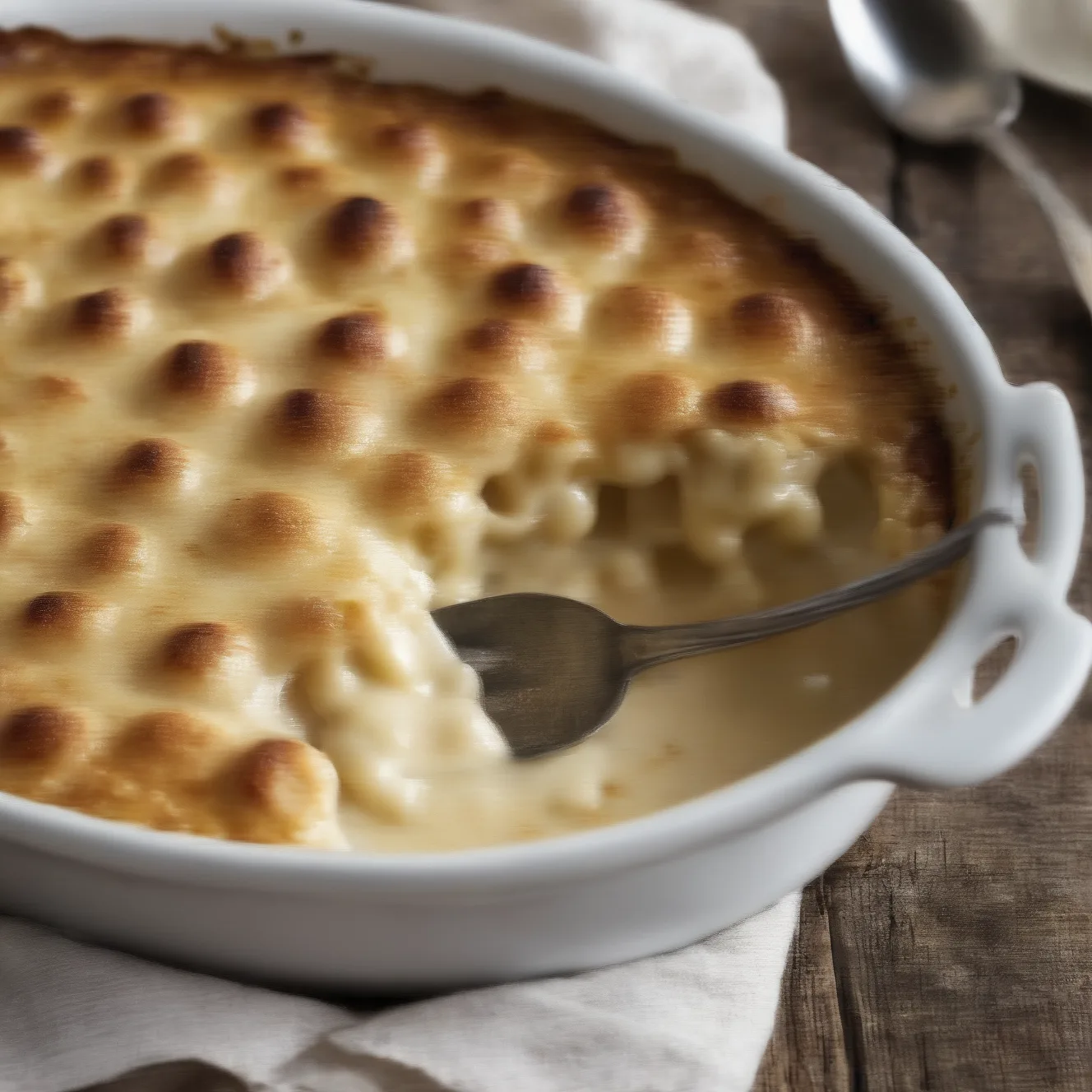
Watch the broiler closely. 2–3 minutes is the target, but broiler temperature varies significantly between ovens. Check at 2 minutes and pull when golden — dark brown means bitter.
Pairings and Serving
This is a steakhouse side engineered to work alongside grilled protein:
- Grilled steak (ribeye, NY strip): The Gruyère’s nuttiness and the bacon’s smoke complement char without competing
- LongHorn Parmesan Crusted Chicken: The classic LongHorn pairing
- Pulled pork or smoked brisket: The mac’s smoky notes extend the barbecue flavor profile naturally
- Roasted chicken thighs: The richness of the mac works against the lean, slightly crisp skin of a thigh
Variations
Without Fontina: Omit it and increase the Gruyère to 1 cup for a true three-cheese sauce (Gruyère, cheddar, Parmesan). If you want to keep the extra richness for less money, stir in 1/2 cup cream cheese off heat instead — it melts smooth and adds similar body to Fontina at a lower cost.
Without bacon: Still a solid baked mac — the Gruyère-Fontina blend stands alone. Add an extra tablespoon of smoked paprika to the sauce and use smoked salt for a portion of the kosher salt.
Add jalapeño: Fold 2 tablespoons of diced pickled jalapeño into the sauce before adding the pasta. The acid cuts the richness and adds a mild heat that balances the Gruyère’s nuttiness well.
Protein fold-in: Add 1 cup of pulled rotisserie chicken to the pasta before transferring to the baking dish. The chicken absorbs the sauce and makes this a full entrée.
Make-Ahead and Storage
Make-ahead: Transfer the sauced pasta to the baking dish (Step 9) but hold the topping. Cover tightly and refrigerate up to 24 hours. Add the bacon and buttered panko right before broiling — not before refrigerating. Broil an additional 1–2 minutes from cold.
Leftovers: Keeps 3–4 days covered in the fridge. The panko softens overnight but the dish reheats well. For reheating, 350°F oven for 15 minutes covered with foil, then 2 minutes uncovered to re-crisp the top, produces the closest result to fresh.
Stovetop reheat: Works with 2–3 tablespoons of milk over low heat, stirring constantly. The sauce re-emulsifies reliably with patience and low heat. Don’t microwave at full power — the uneven heat can separate the sauce.
Cost and Comparison
At LongHorn, the mac and cheese runs roughly $5.99–$6.49 as an add-on side (2026, varies by location). The homemade version costs $16–22 for 6 servings, primarily because of the Gruyère — about $3–4 per serving for a larger, made-with-better-ingredients result than the restaurant version.
For comparison across the mac spectrum: Applebee’s four-cheese mac and KFC mac and cheese both use cheddar-heavy sauce without the Alpine cheese complexity. Noodles & Company Wisconsin mac uses elbow macaroni and a sharper white cheddar profile. LongHorn’s is the most complex and the most steakhouse-appropriate of the group.