
Neiman Marcus $250 Chocolate Chip Cookie
Prep time: 20 min Cook time: 12 min per sheet Makes: About 60 cookies
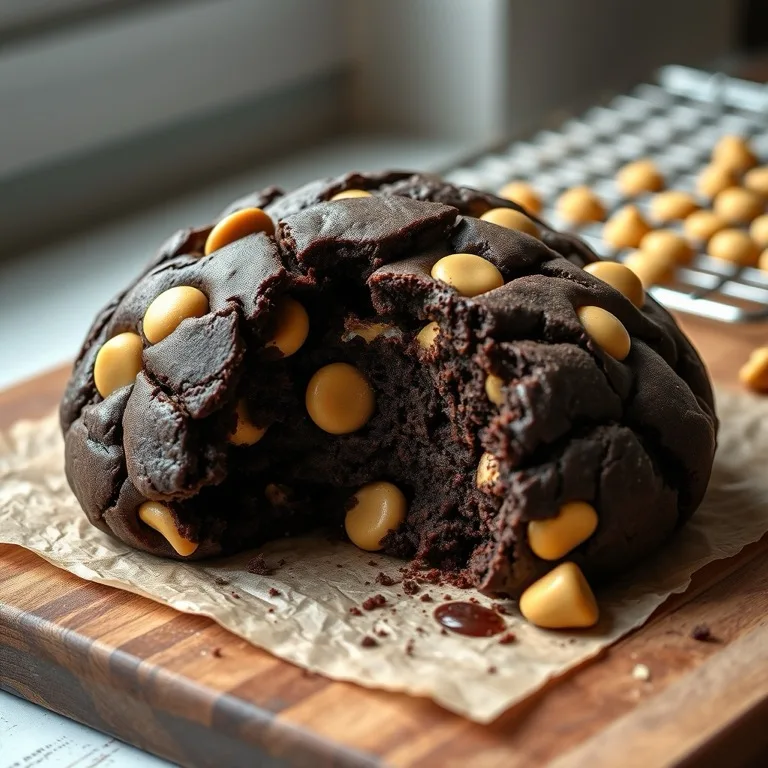
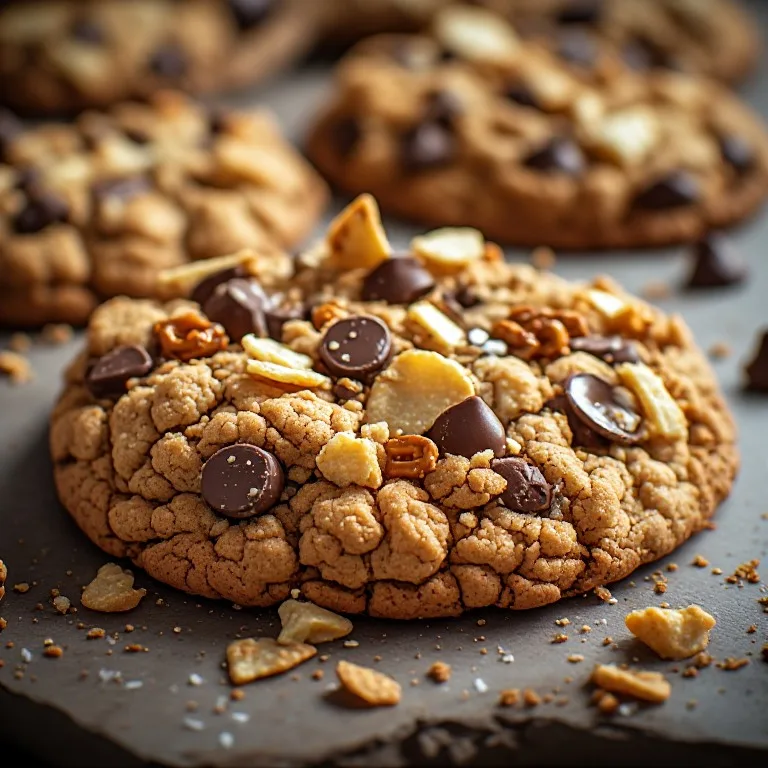
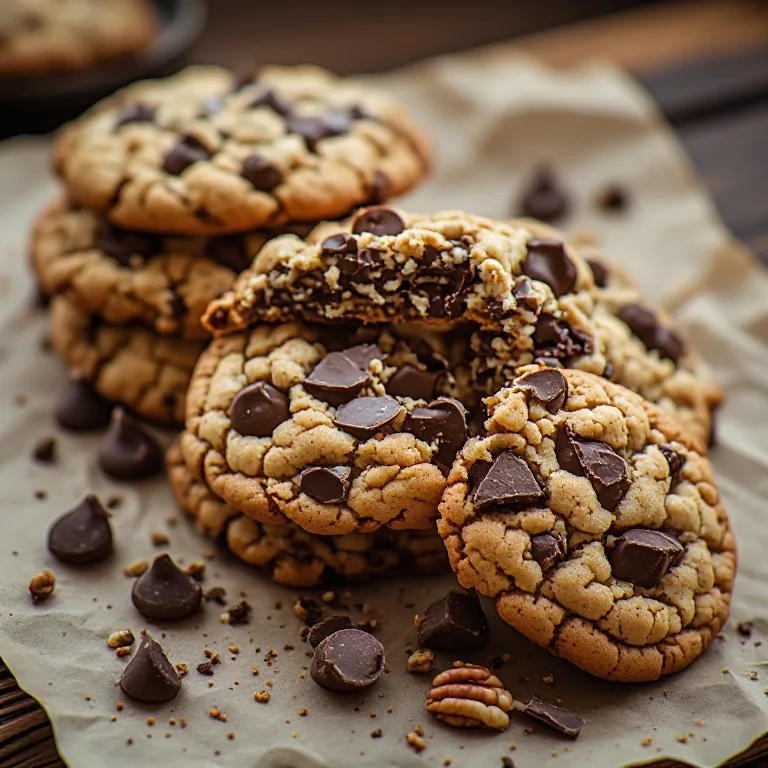
The Neiman Marcus café cookie has been famous for two reasons: a decades-old urban legend about a $250 recipe bill that never actually happened, and a genuinely excellent cookie that stands on its own merits. Ground oatmeal folded into the dough creates a chewiness you can’t get with flour alone. A grated Hershey bar alongside the chocolate chips gives a more complex, layered chocolate flavor than chips alone. This is one of the rare “famous” recipes worth making not because of the story, but because of the cookie itself.
The Legend vs. the Recipe
The story about the $250 billing charge (or $250 in some versions) is almost certainly folklore — Neiman Marcus has never been able to verify it, and food historians have traced nearly identical legends to Mrs. Fields, the Waldorf-Astoria, and other upscale establishments. The versions circulating in fax chains in the early 1990s predate the email era.
What is real: Neiman Marcus’s café tradition goes back to the Zodiac Room, which opened in 1953 at the retailer’s downtown Dallas flagship store and became one of America’s most famous department-store dining rooms under food-service director Helen Corbitt. (The downtown store closed in 2026, and the Zodiac Room was set to reopen inside the NorthPark Center location.) The recipe, when Neiman Marcus finally put it in print, turned out to be exactly what the legend described: a large-batch, oatmeal-based chocolate chip cookie with both chips and grated chocolate — and the company has said it always gave the recipe away for free.
The Two Techniques That Matter
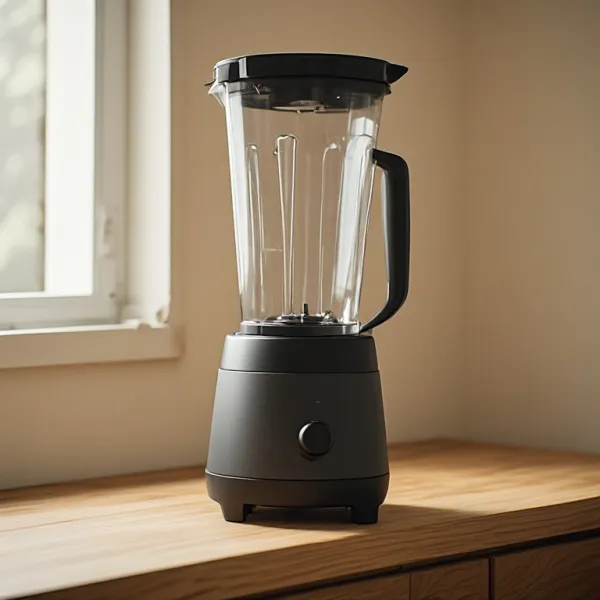
Grinding the oats. Five cups of old-fashioned oats blended to a fine powder create the cookie’s distinctive texture. This is not an oatmeal cookie — the ground oats don’t add a grainy texture; they blend invisibly into the dough. What they add is a nutty undercurrent, a chewier crumb, and a slightly denser base that holds together better in the freezer and stays softer on the counter for days. Skip the grinding or use coarse oats and you’ll notice the texture is off.
Grating the chocolate bar. The Hershey bar goes in grated rather than broken into chunks. Grated milk chocolate melts and disperses through the dough during baking, creating a background richness throughout rather than concentrated pockets of chocolate. The semi-sweet chips are designed not to fully melt (they’re formulated with stabilizers), so they provide the familiar burst of a chocolate chip. Using both gives you complexity that neither alone can provide.
Scaling Down
The original is a large batch (about 60 cookies with 2-tablespoon scoops). For a quarter batch — about 15 cookies — use 1 stick butter, ½ cup each granulated and brown sugar, 1 egg yolk, ¼ teaspoon vanilla, 1 cup flour, 1¼ cups ground oats, ¼ teaspoon each of the leaveners, ½ cup chips, and 2 oz grated chocolate. A quarter-batch uses half a 12-oz bag of chips cleanly and a 2-oz segment of a Hershey bar.
Storing and Freezing
Room temperature: 4–5 days in an airtight container. The oat flour helps retain moisture noticeably better than standard flour-only cookies.
Frozen dough: Scoop balls onto a sheet pan, freeze until solid (1 hour), transfer to a bag. Bake from frozen at 375°F for 13–14 minutes. These keep 3 months and are the reason to make the full batch — fresh cookies on demand without baking all 60 at once.
Baked and frozen: Cool completely, freeze in a single layer, then bag. Thaw at room temperature for 20 minutes, or warm in a 300°F oven for 5 minutes.
Internal Links
The same ground-oat technique works well in Levain Bakery’s thick chocolate chip walnut cookie, which uses a similar dense dough for a different result (thicker, with intact walnuts rather than dispersed oat flour). For a more complex layered cookie, the Momofuku Milk Bar Compost Cookie takes the “multiple chocolate components” idea further with pretzels, potato chips, and espresso grounds.