
Soft and Chewy Gingerbread Cookies — The TikTok Version That Actually Stays Soft
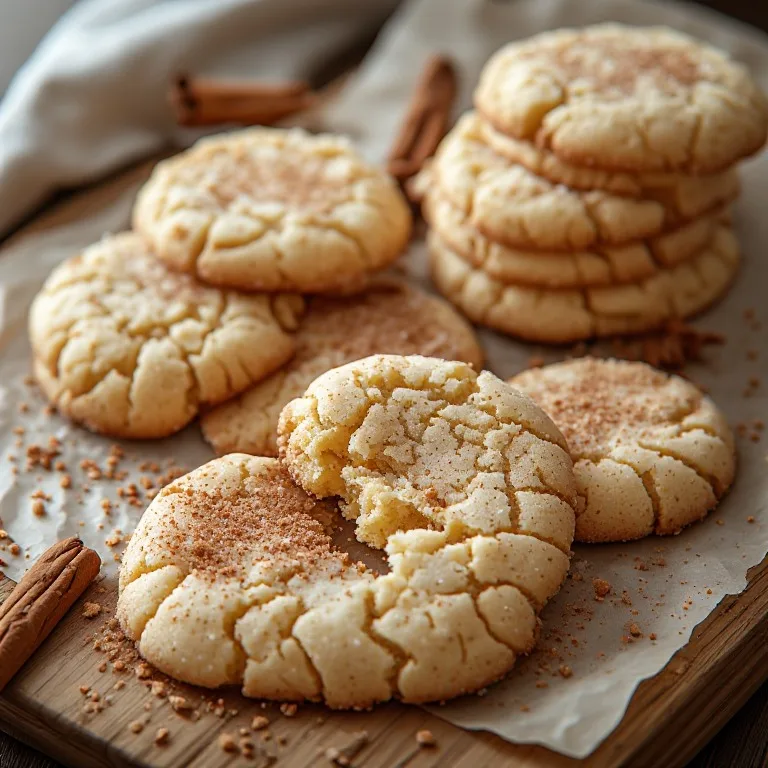
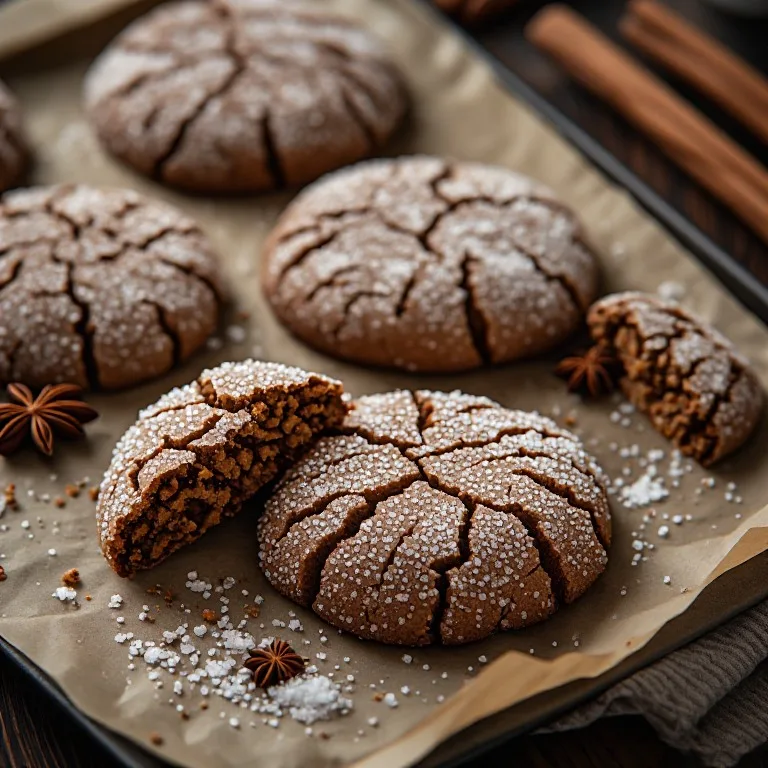
Most people’s mental model of a gingerbread cookie is either a stiff gingerbread man ornament or a crispy gingersnap. The viral TikTok version is neither: it’s a thick, sugar-rolled round that cracks across the top as it cools, with a dense and fudgy center that tastes like the warm, spiced equivalent of a brownie. Every year in November and December, this style of gingerbread cookie takes over food TikTok — and almost every video gets the same comment: “I didn’t know gingerbread could be this soft.”
The Molasses Question: Grandma’s, Not Blackstrap
The single most important ingredient decision in this recipe is which molasses you buy. There are three common grades:
- Unsulphured mild molasses (Grandma’s Original gold label, Brer Rabbit mild): the right choice. Sweetest, cleanest flavor, made from pure cane juice rather than a refining byproduct. This is what gives gingerbread cookies their characteristic sweet-bitter-spice flavor without any harsh edge.
- Unsulphured dark molasses (Grandma’s Robust, Brer Rabbit full): also works. Richer, slightly more bitter, and produces a darker cookie. A good choice if you want deeper flavor.
- Blackstrap molasses: too bitter for this application. It’s the final extraction from sugar refining — intensely mineral and sulfurous. Baking websites sometimes recommend it for “extra depth,” but it overwhelms the warm spice notes that make gingerbread taste like Christmas.
If the bottle doesn’t say “unsulphured,” it was treated with sulfur dioxide as a preservative and will taste sharper. Both Grandma’s and Brer Rabbit are unsulphured.
The Chew Formula: Butter, Yolk, and Brown Sugar
The dense, fudgy texture comes from the combination of three things you can see in the ingredient list:
Dark brown sugar instead of white granulated sugar. Brown sugar is white sugar with molasses mixed back in — dark brown has more molasses per cup than light brown, which means more moisture retention in the finished cookie.
One whole egg plus one extra yolk. Egg whites are mostly water, which turns to steam in the oven and creates lift. Yolks are mostly fat, which doesn’t evaporate. Extra yolk adds fat and richness without the steam, giving you chew without a puffy, cakey texture.
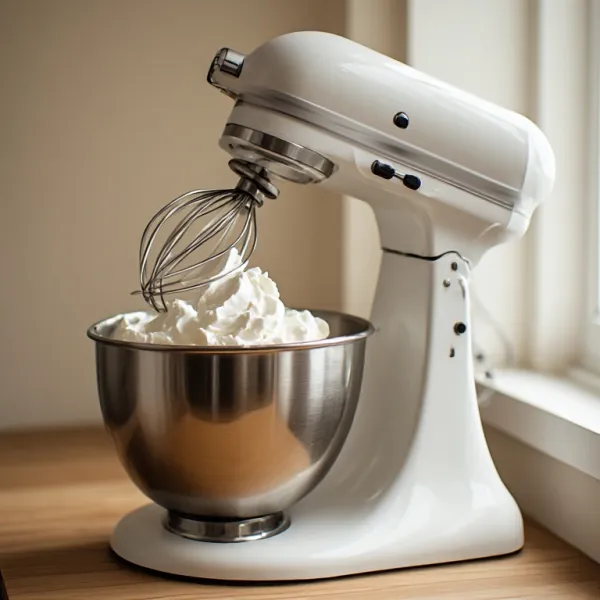
Butter creamed only briefly. The more you cream butter, the more air you incorporate. Air bakes out in the oven and leaves a cakier, lighter texture. For these cookies, 1 minute of mixing is exactly right — just long enough to combine, not long enough to aerate.
Make-Ahead and Storage
Dough in the fridge: Up to 3 days. The longer it sits, the more the spices bloom into the butter and the more complex the flavor becomes. Cover the bowl tightly.
Dough in the freezer: Roll into balls, coat in sugar, freeze on a sheet until solid, transfer to a freezer bag. Keeps 3 months. Bake from frozen at 350°F for 11–12 minutes.
Baked cookies: Airtight container at room temperature for up to 5 days. A slice of sandwich bread in the container keeps them soft — bread loses moisture faster than cookies, so the cookies stay hydrated longer.
Freeze baked cookies: Yes. Cool completely, freeze in a single layer, then stack. Thaw at room temperature for 30 minutes or microwave for 15–20 seconds.
Cut-Out Gingerbread Men Adaptation
This dough also works for gingerbread men with one tweak: reduce the baking soda from 1½ tsp to 1 tsp so the shapes hold their edges. Chill the dough for at least 2 hours, roll on a lightly floured surface to ¼-inch thickness, cut your shapes, and freeze the cut pieces on the sheet for 10 minutes before baking. Bake at 350°F for 10–12 minutes. Cool fully before decorating with royal icing or a simple powdered sugar glaze.
What Pairs Well
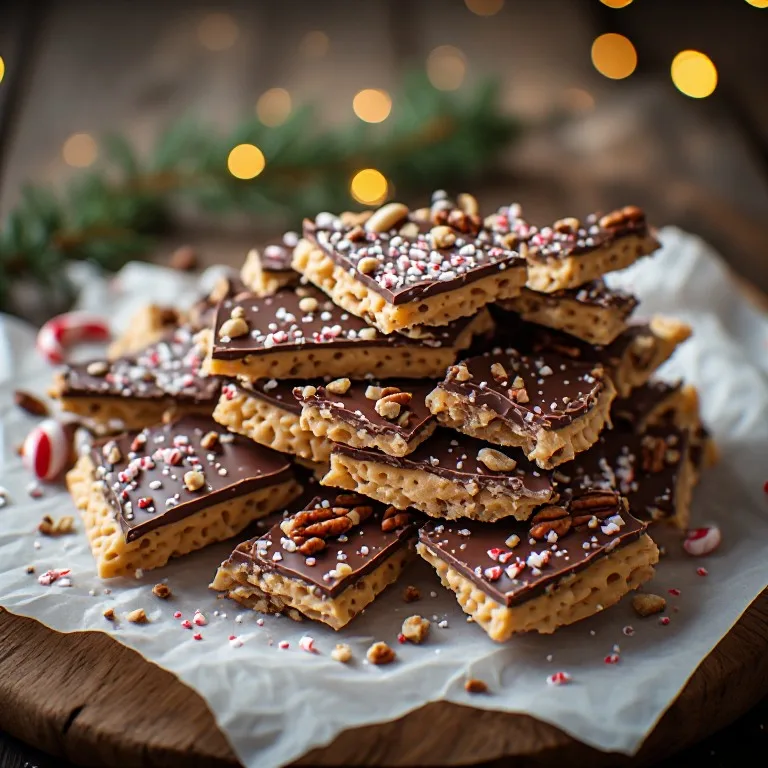
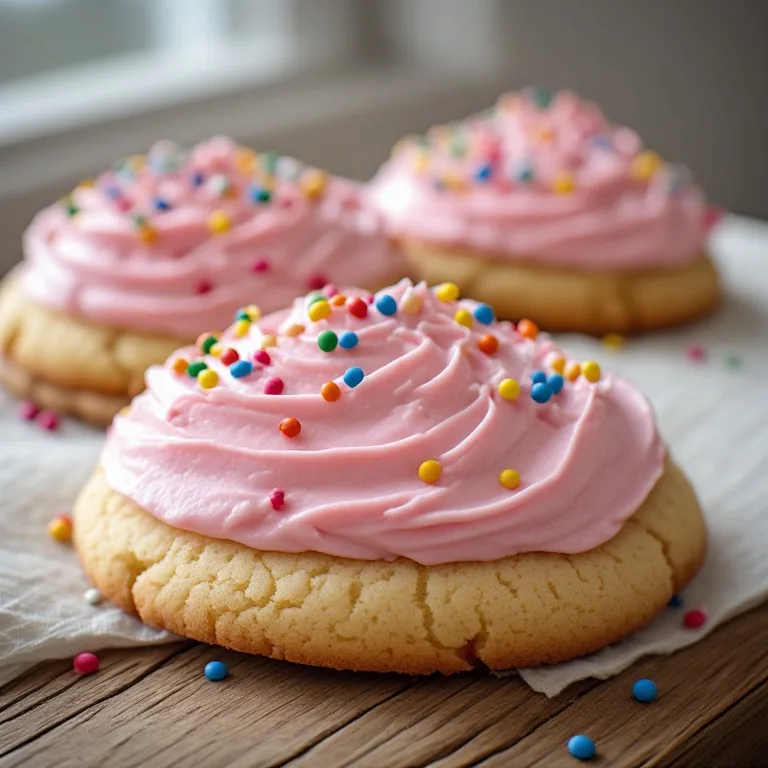
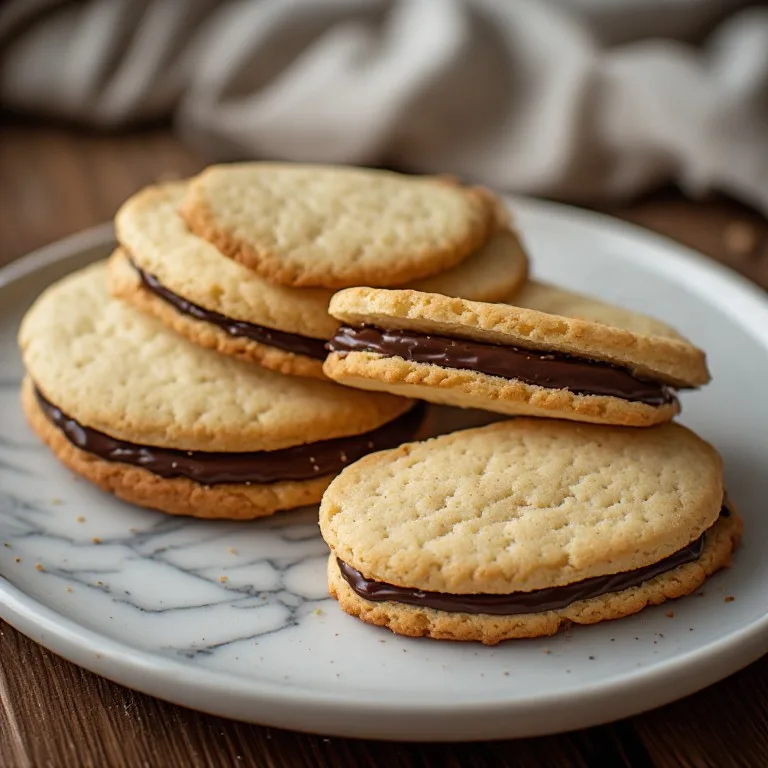
For a full holiday cookie tray, these pair with Lofthouse-style frosted sugar cookies (different texture — the Lofthouse is cakey and frosted, these are dense and chewy) and Milano-style sandwich cookies for a complete range. For the crowd that wants maximum chocolate-peppermint energy, Christmas crack rounds out the tin.