
Pin It

Nestlé Toll House Chocolate Chip Cookies

Nestlé Toll House Chocolate Chip Cookies
Jump to Recipe
Prep 15 min Cook 11 min Serves 48
Quick answer: The Nestlé Toll House chocolate chip cookie recipe: cream 1 cup (2 sticks) softened butter with ¾ cup granulated sugar and ¾ cup packed brown sugar until light and fluffy, then beat in 2 large eggs and 1 teaspoon vanilla extract. Stir in 2¼ cups flour, 1 teaspoon baking soda, and 1 teaspoon salt. Fold in one 12-oz bag (2 cups) Nestlé Toll House semi-sweet chocolate morsels. Drop rounded tablespoons onto ungreased baking sheets and bake at 375°F for 9–11 minutes. Pull them when the centers still look slightly underdone — they finish on the pan. Makes about 4 dozen medium cookies.

Shop the tools

Gear matched to this recipe. These are Amazon affiliate links — we may earn a small commission if you buy, at no extra cost to you.

As an Amazon Associate, Copycat Spices earns from qualifying purchases. Product images are generic illustrations, not the exact item listed.

Nestlé Toll House Chocolate Chip Cookies

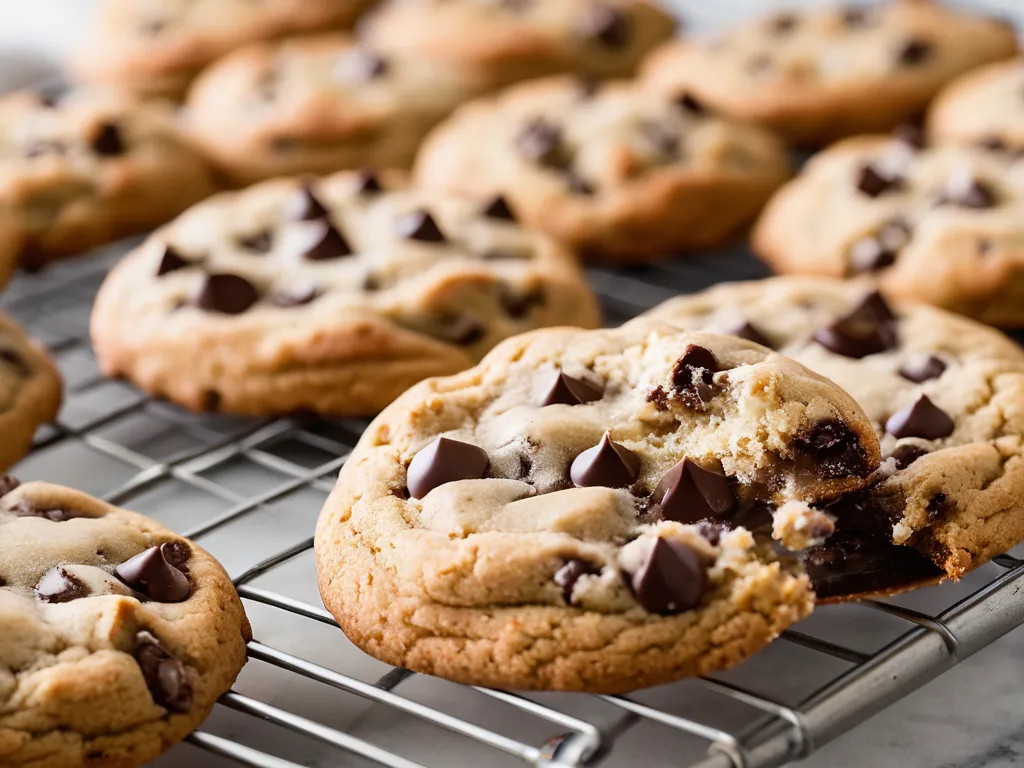
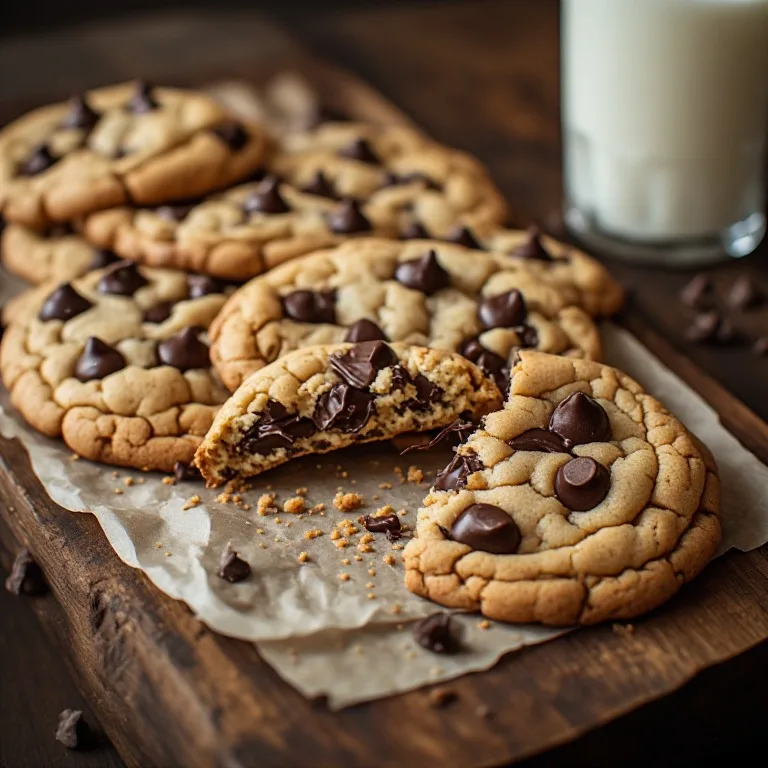
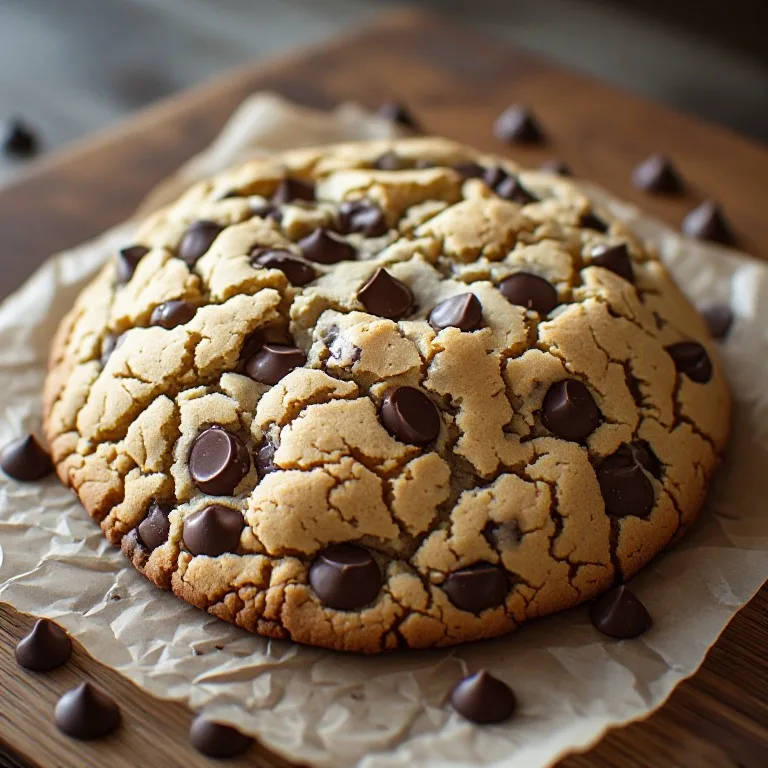
The original Nestlé Toll House chocolate chip cookie recipe — the back-of-the-bag formula Ruth Wakefield invented at her Massachusetts inn in 1937, essentially unchanged for 85 years. Crisp golden edges, soft chewy centers, the right ratio of brown sugar to white for a classic bite.

Easy Prep: 15 min Cook: 11 min Total: 26 min48 servings ~$3.50/serving
Prep15 min
Cook11 min
Total26 min
Servings
48
At home~$3.50/serving
vs
Restaurant~$15.75/serving
You save ~78%

The Story Behind the Recipe

Ruth Wakefield ran the Toll House Inn in Whitman, Massachusetts, serving full colonial meals and homemade desserts to travelers between Boston and New Bedford. In the late 1930s she added chunks of a Nestlé semi-sweet chocolate bar to her Butter Drop Do dough. The pieces held their shape instead of melting throughout, and the chocolate chip cookie as Americans know it was born. The recipe first appeared on Nestlé's chocolate bar wrappers, then on bags of the new semi-sweet morsels Nestlé began selling in 1939. Wakefield sold Nestlé the rights for one dollar and a lifetime supply of chocolate.

The formula printed on every Nestlé Toll House bag today is essentially the same one Wakefield developed in her inn's kitchen: equal parts brown and granulated sugar, a full cup of butter, two cups of morsels — straightforward ratios that have outlasted every trend in cookie baking. At a bakery, two cookies typically run $4–6. A full batch at home, about 48 medium cookies, costs $6–8 total, or roughly $0.14–0.17 per cookie. The technique that separates genuinely good Toll House cookies from flat ones: butter at true room temperature, a full 3-minute cream, and pulling the pan out of the oven when the centers still look underdone.

Nutrition Facts

Per serving (48 servings)
Calories120
Total Fat6g
Total Carbs15g
Dietary Fiber1g
Sugars10g
Protein1g
Sodium85mg

* Estimated values based on standard recipe preparation. Actual values may vary.

Ingredients

Instructions

💡
Pro tip: This recipe tastes even better the next day. The flavors need time to meld together in the fridge.
❄️
Storage: Keeps in an airtight container in the fridge for up to 2 weeks. Freezer-friendly for up to 3 months.
🎃 Free Halloween cookbook — download now The Copycat Halloween Cookbook A ready-made, photo-illustrated PDF of our best halloween copycat recipes — free to download, no building required. Pay what you want to support if you love it.

Free PDF — instant download. We'll also send new seasonal copycat recipes now and then; unsubscribe anytime. Or just download it →

The Recipe Behind Every American Bake Sale

The Nestlé Toll House chocolate chip cookie has been on the back of the yellow morsel bag since 1939. At this point it’s less a recipe than a baseline — the formula against which every other chocolate chip cookie gets measured. Bakery-style cookies like Levain go bigger and thicker. Trendy versions like the brown butter toffee cookie chase more complex flavor. But the Toll House formula — equal sugars, full cup of butter, one bag of chips — is what most people picture when they hear “chocolate chip cookie.” Making it right is a technique question, not an ingredient one.

The One Thing That Matters: Butter Temperature

Butter temperature is the single biggest variable between flat, greasy cookies and properly structured ones. The butter needs to be at true room temperature: it should bend easily when pressed, hold its shape rather than slump, and feel cool — not warm, not oily, not cold. This typically means an hour out of the refrigerator at 68–70°F.

Too cold: the fat doesn’t blend properly with the sugar. You’ll see small lumps and the creaming step won’t incorporate air. The cookies bake denser.

Too warm or melted: the fat doesn’t trap air at all. The cookies spread aggressively in the oven and bake thin and greasy. If your butter slides off a spatula rather than sitting on it, it’s too warm — refrigerate the dough for 30 minutes before baking.

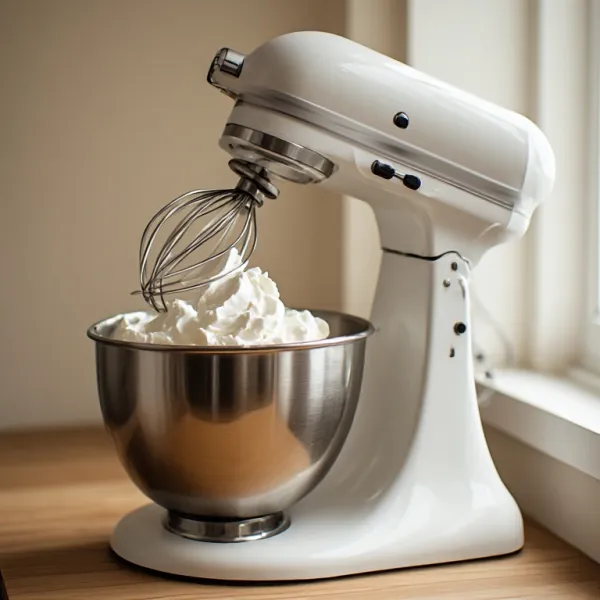
The 2–3 minute cream is also real work: beat the butter and both sugars until the mixture is noticeably paler (almost ivory) and the volume has increased. If it’s still a uniform caramel color, keep going.

The Optional Chill (Worth the Wait)

Nestlé’s recipe is bake-right-now ready. But if you have an hour — or overnight — refrigerating the dough pays off. Cold dough spreads less in the oven, which means taller, thicker cookies with a more defined edge. The flavor also improves: the flour fully hydrates, the sugars have more time to pull moisture from the dough, and the result is a noticeably more complex, slightly toffee-like background note. Three days in the fridge is the ceiling before the dough picks up refrigerator flavors; overnight is the sweet spot.

If you’re making cookies for the holidays, this also means you can portion and freeze the raw dough balls and bake directly from frozen — add 2–3 minutes to the bake time. A zip bag of frozen raw cookie dough in the freezer means fresh cookies whenever someone asks.

Variations

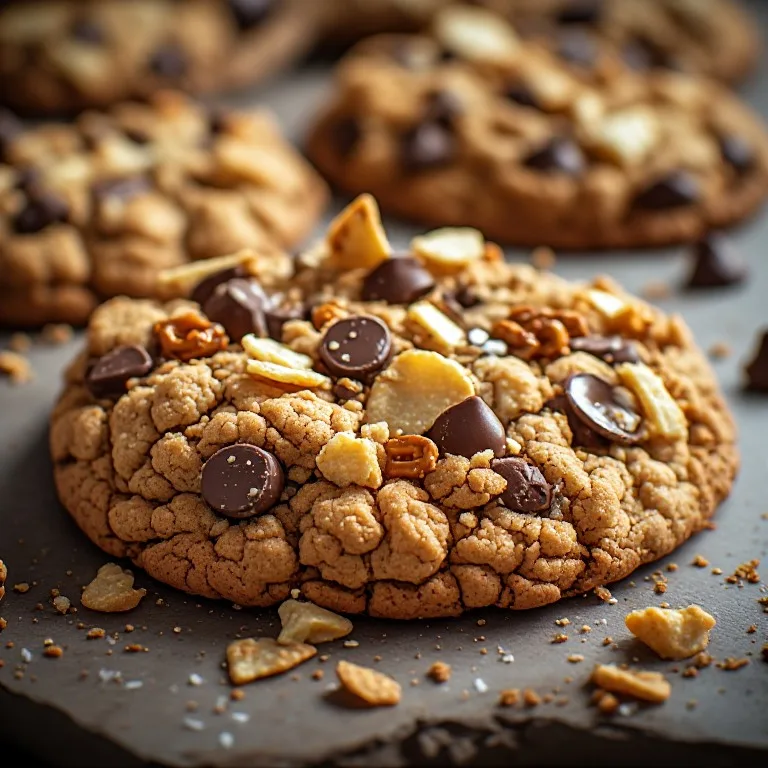
With walnuts: The original Toll House recipe includes 1 cup of chopped walnuts as an optional add-in. Toast them first — 3 minutes in a dry skillet over medium heat — and the flavor payoff is substantial. The bitterness of the walnuts cuts the sweetness of the chips.

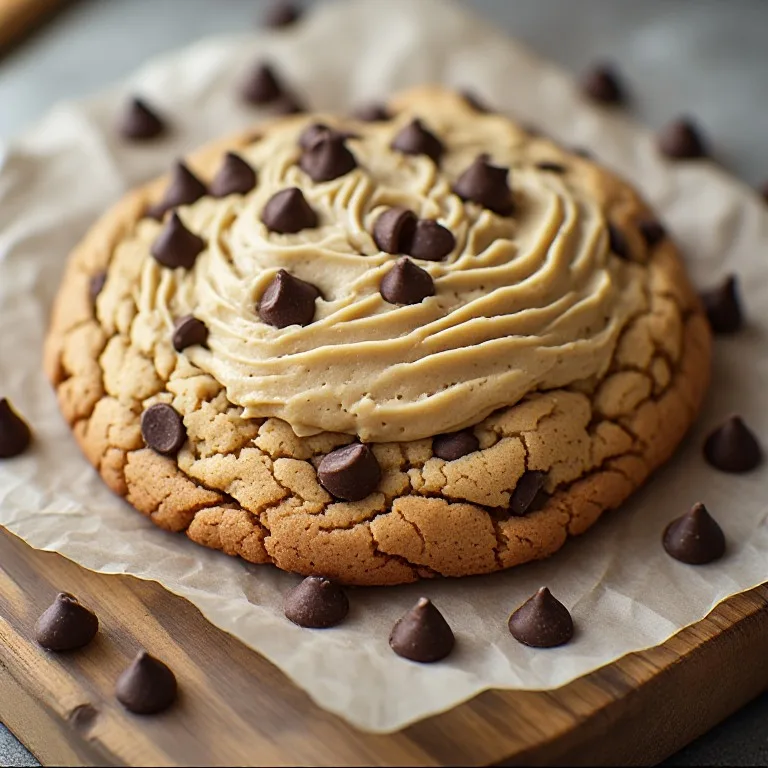
Thicker, bakery-style: For cookies closer to Levain’s texture without a full recipe change: add 2 tablespoons more flour, use cold butter (creamed briefly, not fully softened), and chill the dough for at least 2 hours. Higher flour and cold fat both resist spreading.

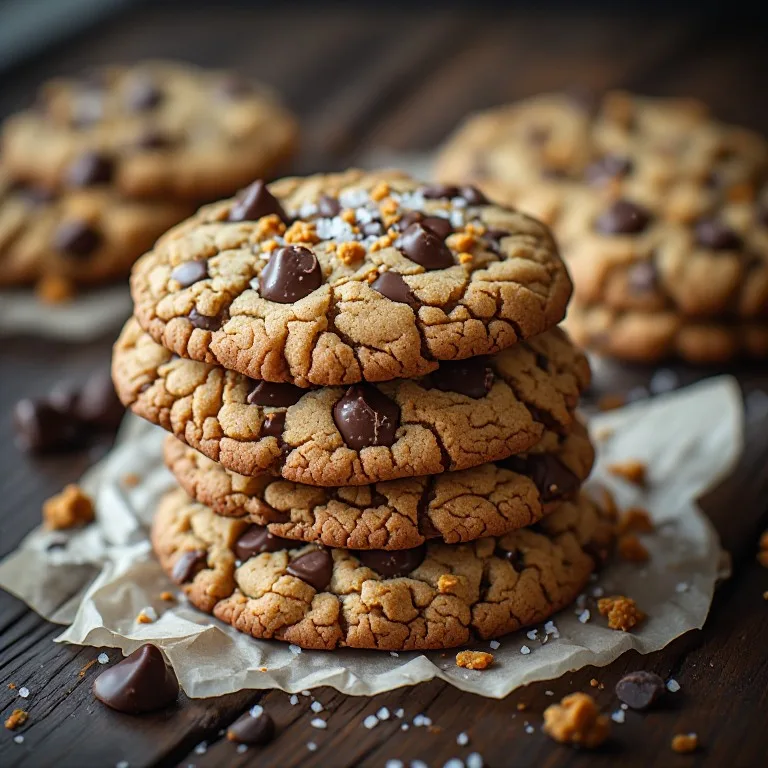
Salt-finished: Flaky sea salt (Maldon or similar) pressed lightly onto each cookie immediately out of the oven transforms the flavor — the salt amplifies the chocolate and cuts the sweetness in a way that makes the cookies taste more expensive. A small pinch per cookie is enough.

Smaller or larger: The tablespoon-sized cookies from the original recipe bake in 9–10 minutes. Scoop-sized (1½ tablespoon) take 10–11 minutes. Ice-cream-scoop size (3 tablespoon) take 13–14 minutes and look like bakery cookies. Adjust the bake time, not the oven temperature.

Storage and Freezing

Baked cookies keep at room temperature in an airtight container for 3–4 days. A slice of sandwich bread added to the container keeps them soft — the cookies pull moisture from the bread as it dries.

For longer storage, baked cookies freeze for up to 3 months in a zip bag; thaw at room temperature for 20 minutes. Raw cookie dough balls freeze even better — bake directly from frozen at the same 375°F, adding 2–3 minutes to the bake time.

See all Nestlé Toll House recipes at the Nestlé recipe page →
🥗

Make It Healthier

Love Nestlé Toll House Chocolate Chip Cookies but want a lighter version? Try these simple swaps:

  • ✓Swap 2 tablespoons of butter for 2 tablespoons of plain Greek yogurt to cut about 15 calories per cookie while keeping the dough moist — barely detectable in the finished texture
  • ✓Use dark chocolate chips (70% cacao) instead of semi-sweet to reduce sugar by roughly 2g per serving and add a more intense chocolate flavor
  • ✓Reduce both sugars to ½ cup each (from ¾ cup each) for a noticeably less sweet cookie — they spread slightly less and the chocolate comes forward more
  • ✓Add ¼ cup of old-fashioned rolled oats to the flour mixture for a small fiber boost and a slightly heartier chew that stretches the batch to about 60 cookies

Frequently Asked Questions

What is the original Nestlé Toll House chocolate chip cookie recipe?

The original Nestlé Toll House chocolate chip cookie recipe: 2¼ cups all-purpose flour, 1 teaspoon baking soda, 1 teaspoon salt, 1 cup (2 sticks) softened butter, ¾ cup granulated sugar, ¾ cup packed brown sugar, 2 large eggs, 1 teaspoon vanilla extract, and 2 cups (one 12-oz bag) Nestlé Toll House semi-sweet chocolate morsels. Optional: 1 cup chopped walnuts. Cream the butter and both sugars until fluffy, beat in the eggs and vanilla, stir in the flour mixture, fold in the chips. Bake at 375°F for 9–11 minutes. Makes about 4 dozen medium cookies.

Why do my Toll House cookies spread flat?

Flat cookies almost always mean the butter was too warm. If the butter is partially melted or the dough is warm, the fat spreads before the proteins in the egg and flour can set the structure. The fix: use butter that is genuinely at room temperature — cool to the touch but pliable, not greasy or oily. If your kitchen is above 75°F, chill the shaped cookies on the baking sheet for 15 minutes before baking. A second cause is too little flour — measure by spooning flour into the measuring cup and leveling it off, not scooping directly from the bag, which packs the flour and can add 10–20% more.

Should I chill Toll House cookie dough before baking?

Nestlé's recipe doesn't require chilling, but even a 1-hour rest in the refrigerator makes a noticeable difference: the cookies spread less, the edges brown better, and the centers stay chewier. An overnight rest (up to 72 hours) improves flavor further — resting allows the flour to fully hydrate and the sugars to develop a deeper, slightly toffee-like taste in the oven. If you want cookies now, skip the chill. If you have an hour, use it.

What makes Toll House cookies different from other chocolate chip cookie recipes?

The Toll House recipe uses equal amounts of granulated and brown sugar (¾ cup each), which balances crispness and chew. Recipes that use more brown sugar lean chewier; more white sugar makes crispier cookies. Toll House also uses a full cup of butter and no extra egg yolk, which produces a straightforward texture — chewy center, defined golden edge — rather than the ultra-thick fudgy profile that bakery-style recipes achieve with cold butter, extra yolks, or higher flour ratios.

Can I make the Toll House recipe without a stand mixer?

Yes. A hand mixer works exactly as well. Fully softened butter can even be beaten by hand with a wooden spoon until light and creamy — it takes 3–4 minutes of vigorous stirring. The key is that the butter-sugar mixture must be visibly pale and fluffy before you add the eggs. Undermixing here produces denser, less uniform cookies. For a full batch, a hand or stand mixer saves significant arm effort.

How do I keep Toll House cookies soft after baking?

Two things: underbake them slightly (pull when centers look barely set — they firm up during the 2-minute rest on the pan), and store them sealed. An airtight container at room temperature keeps them soft for 3–4 days. A piece of bread in the container is a real trick — the cookies absorb moisture from the bread and stay soft even as the bread dries out. They also freeze well in a zip bag for up to 3 months; thaw at room temperature for 20 minutes.

Can I double the Toll House recipe?

Yes, a direct 2× works fine. You'll need a large stand mixer bowl or mix in two batches. Bake the cookies in the same-sized batches on the same sheets — doubling the recipe just means more batches, not a longer bake time per sheet. Refrigerating a double batch overnight and baking fresh each day is a common approach during the holidays.

Can I use dark or milk chocolate chips instead of semi-sweet?

Yes. Dark chocolate chips (60–70% cacao) give a less sweet, more intense flavor that pairs well with the brown sugar notes. Milk chocolate chips make sweeter, milder cookies. White chocolate chips work but change the profile significantly — all sweetness, no cocoa bitterness. Any chip style substitutes at the same 2-cup quantity with no other changes to the recipe.

Love this recipe? Share it!

Free PDF: our 12 most-wanted copycat recipes — instant download.

Made it? Buy us a coffee

Every recipe here is free, with no paywalls. If this one was a hit at your table, a small tip keeps new copycats coming.

$

Nestlé is a trademark of its owner, used here only to describe the dish this recipe recreates. This is an independent copycat written in our own words — Copycat Spices is not affiliated with, endorsed by or sponsored by Nestlé.

Ratings & Reviews

—
No ratings yet

Rate this recipe

Click a star to rate

Leave a Review

0/500

CS

Copycat Spices Editorial

Researched + fact-checked. Every recipe on Copycat Spices is built from published sources — official ingredient lists, brand-published recipes, interviews and food-science references — and fact-checked before it goes live, then written as clear, step-by-step instructions for home cooks of all skill levels.

Learn more about our mission →