

Salt & Straw Jack o’ Lantern Pumpkin Bread Ice Cream
Prep time: 45 min active (plus overnight chill + overnight bread freeze) Cook time: 30 min Servings: 8
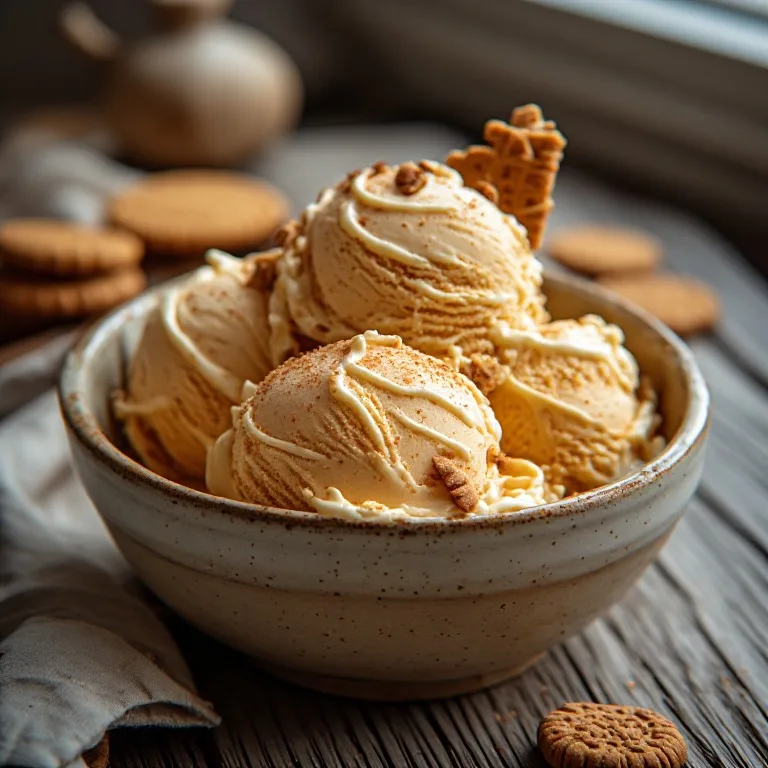
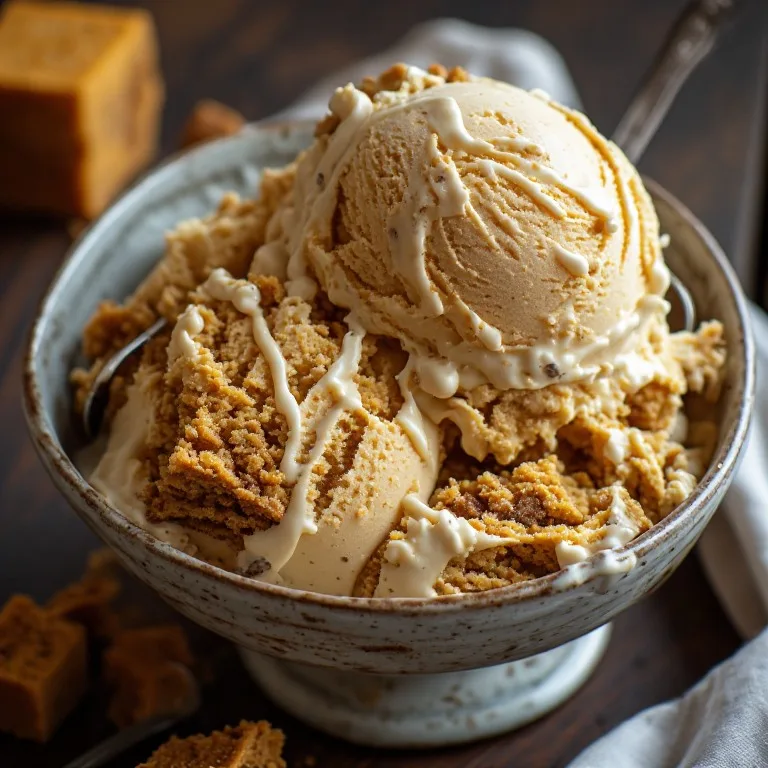
Salt & Straw’s Jack o’ Lantern Pumpkin Bread is one of five flavors in the Portland artisan ice cream shop’s 2026 Halloween series — released on September 25th and available only through October 31st. The flavor is what it sounds like: a pumpkin spice custard ice cream folded with cubes of real pumpkin bread and streaked with a tangy cream cheese frosting swirl. At the scoop shops, a single scoop runs about $7. At home, a full quart — eight generous servings — costs roughly $10 in ingredients.
This is a two-day project with about 40 minutes of active work each day. Day one: bake the pumpkin bread, freeze the cubes, and cook the custard for an overnight chill. Day two: churn, layer, and freeze. The result is close to what Salt & Straw serves — the same three-element structure (custard, bread, frosting), the same contrast between the smooth ice cream and the distinct bread pieces, and the same sharp cream cheese note that keeps the whole thing from landing as just “sweet.”
Why Salt & Straw Tastes Different From Other Ice Cream
Salt & Straw was founded in 2011 by cousins Tyler Malek and Kim Malek. Tyler, a self-taught ice cream maker, builds every flavor on a French-style egg-yolk custard rather than the cream-and-sugar Philadelphia base most commercial ice cream uses. The difference is textural and practical: egg yolks emulsify the cream fat into a smoother, denser structure that holds shape in the scoop, stays soft enough to dig directly from the freezer without a 15-minute thaw, and doesn’t shatter into icy shards when you put the spoon in. The recipe here uses that same base — five yolks cooked with cream, milk, and pumpkin to 170°F.
The other element that defines the Salt & Straw flavor: every ingredient has a source. The sea salt in their caramel flavor comes from Portland’s Jacobsen Salt Co.; the honey in their lavender is Oregon raw honey steeped with lavender petals. For the Jack o’ Lantern Pumpkin Bread, the pumpkin bread is baked in-house. In the home version, the quickest path to the same flavor is canned pure pumpkin puree (not pie filling) in both the bread and the custard — Libby’s 100% Pure Pumpkin is consistently the best supermarket option.
The Three Elements, Explained
1. The pumpkin spice custard
The ice cream base is where the pumpkin flavor lives. Pumpkin puree is added directly to the cream-and-milk mixture before the egg-yolk tempering — this integrates the pumpkin flavor into every bite rather than concentrating it in the bread or swirl. The spice level here is intentionally restrained: 1.5 teaspoons of pumpkin pie spice plus a half teaspoon of cinnamon, which is enough to register clearly without competing with the bread and frosting elements that will be layered in later.
A note on pumpkin puree in ice cream: pumpkin contains pectin, which thickens the custard slightly and contributes to the scoopable texture. It also contains water — which, if the custard is not cooked correctly, produces slightly icy ice cream. The solution is temperature: cook to 170°F, no exceptions.
2. The pumpkin bread
Baking a separate loaf of pumpkin bread is the most time-consuming part of this recipe, but it is not technically difficult. The bread is a straightforward quick bread — no yeast, no special equipment, 30 minutes in the oven, cooled and cubed. The important step is the overnight freeze: bread cubes that are not completely solid before they meet the churned ice cream absorb moisture from the custard and become indistinguishably mushy. Frozen solid, they stay as distinct, chewable pieces in the finished scoop.
A shortcut is available: store-bought pumpkin bread, cubed and frozen. Trader Joe’s sells a pumpkin loaf every fall that works well; it is slightly sweeter and more tender than homemade, but when frozen and folded in at the layering stage, it is a good substitute if you are making this without the full day-one lead time.
3. The cream cheese frosting swirl
This element does the most important flavor work in the recipe: it provides acidity and tang that cuts through the sweetness of the pumpkin custard and bread. Without it, the ice cream is pleasant but one-dimensional — pumpkin spice sweet, all the way through. With the cream cheese frosting pulling in the opposite direction, each bite is more complex.
The consistency of the frosting at layering time matters. Too thick, and it pools in chunks rather than ribboning through the layers. Too thin, and it just disappears into the custard. The target is a slow, thick drizzle — the consistency of warm honey, or slightly looser than pipe-able frosting. Add heavy cream one tablespoon at a time to achieve this; different brands of cream cheese have different moisture levels, so the exact amount varies by one tablespoon in either direction.
Cost Comparison
| Salt & Straw scoop shop | Homemade (8 servings) | |
|---|---|---|
| Single scoop | ~$7 | — |
| 1 pint (to go) | ~$15 | — |
| Full quart | not sold | ~$10 total |
| Per serving | ~$7 | ~$1.25 |
The cost differential is substantial because ice cream is mostly cream, eggs, and sugar — inexpensive pantry ingredients. What you are paying for at the scoop shop is Tyler Malek’s development time, house-baked bread, local dairy, and the experience of eating a scoop at a beautifully run ice cream shop. The home version saves the money but not the shop itself — worth going when you are in Portland.
Technical Notes for Best Results
Cold custard churns better. After cooking and straining, don’t skip the overnight chill. Ice cream makers need the base to be as cold as possible — 40°F or below — before churning begins. A warm custard takes longer to set up in the machine, incorporates less air, and produces a slightly icier, denser result. If you are pressed for time, a minimum 4-hour refrigerator chill works; overnight is better.
The bread pieces disappear if you don’t freeze them. This is the most common point of failure in bread-mix-in ice cream recipes. At room temperature or refrigerator temperature, bread soaks up moisture from the soft churned ice cream during layering and loses its structure. Completely frozen — at least 4 hours, overnight is better — it stays firm long enough to survive the layering and the final freeze.
Swirl the frosting, don’t blend it. The 4–5 drag passes with a knife are all you need. More dragging turns the frosting into a uniform pale tint throughout the ice cream; fewer means large undistributed pools. The goal is visible streaks — you should be able to see the cream cheese frosting as distinct ribbons in the finished scoop.
Storing and Serving
The ice cream keeps in the freezer for up to 2 weeks with good quality; the bread pieces become progressively softer after the first week as they absorb moisture. Pull from the freezer 3–4 minutes before serving — the egg-yolk custard base softens faster than commercial ice cream. Press plastic wrap against the surface after each use to prevent ice crystal formation.
Serve on its own or alongside a thin slice of extra pumpkin bread from the loaf you baked. The bread makes an excellent scoop companion and uses up the portion of the loaf that didn’t become ice cream mix-ins.
More Fall Frozen Desserts and Halloween Treats
- Baskin-Robbins Pumpkin Cheesecake Ice Cream — the Flavor of the Month copycat: two swirled no-churn bases (pumpkin spice and cheesecake), cinnamon cream cheese ripple, gingersnap pieces — no ice cream maker required
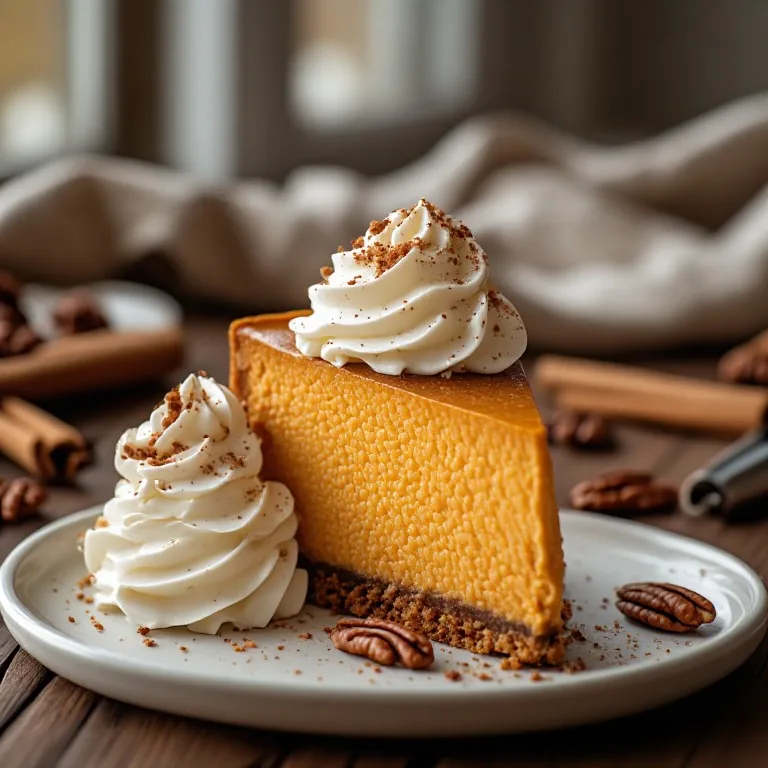
- Cheesecake Factory Pumpkin Cheesecake — the benchmark fall cheesecake: silky spiced pumpkin filling in a gingersnap crust with sour cream topping
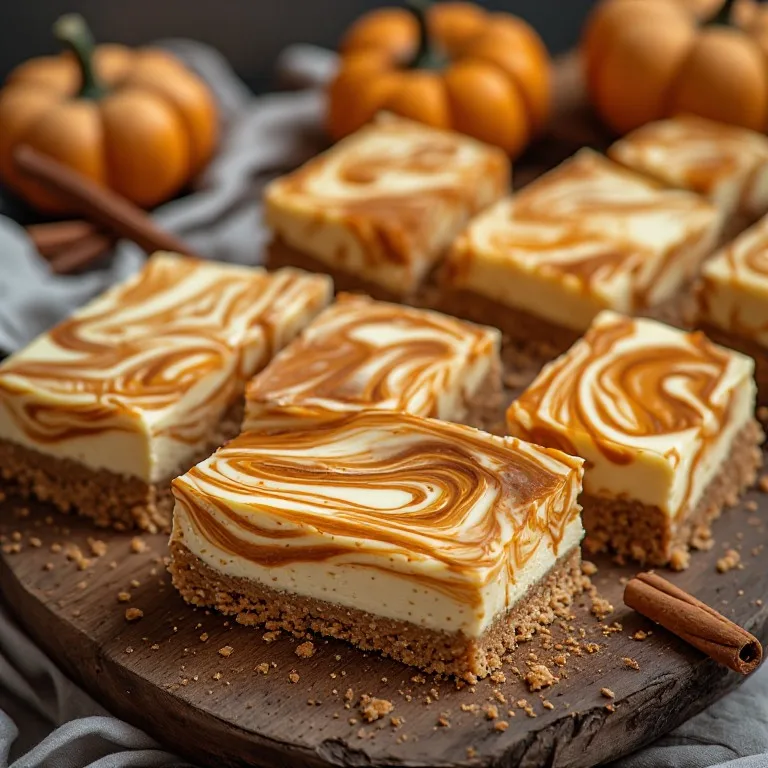
- Viral TikTok Pumpkin Cheesecake Bars — the easier weeknight version: no water bath, half the time, and a portable cut-and-serve format
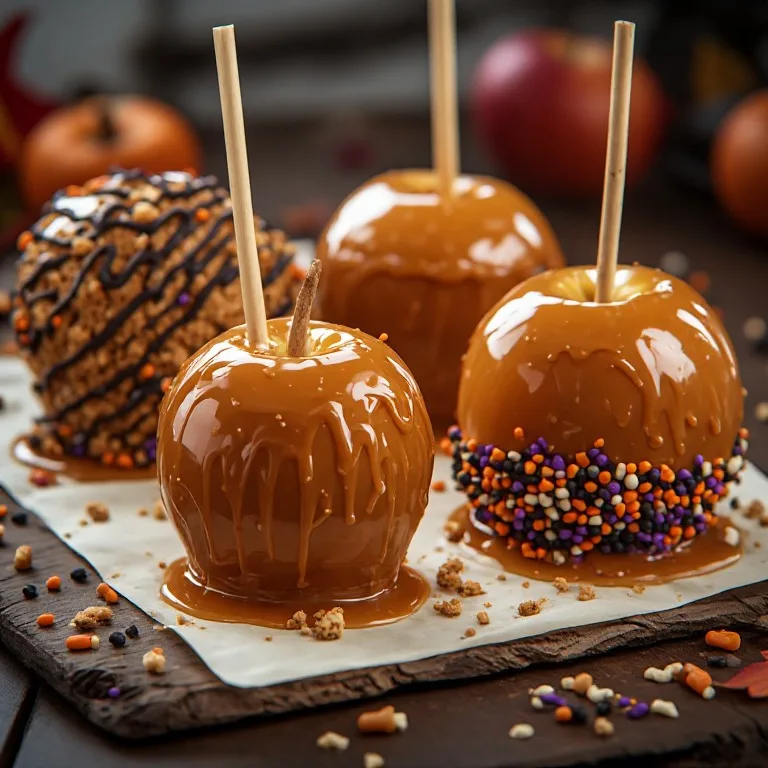
- Halloween Caramel Apples — the Halloween party classic that pairs naturally with a scoop of pumpkin ice cream on the side