Pin It

Copycat Starbucks Vanilla Latte

Copycat Starbucks Vanilla Latte
Jump to Recipe
Prep 5 min Cook 5 min Serves 1 drink (Grande / 16 oz)
Quick answer: A Starbucks Vanilla Latte is two shots of espresso, 4 pumps of vanilla syrup (about 2 tbsp), and steamed 2% milk, topped with microfoam. The assembly order matters: vanilla syrup into the cup first, espresso shot directly over it to dissolve, then steamed milk poured on top. At home it costs about $0.80 per Grande-size drink versus $5.25–5.75 at Starbucks. Iced version: same syrup, cold milk over ice, no steaming. Homemade vanilla syrup: 1 cup sugar + ½ cup water + 1 tsp vanilla extract, simmered until clear.

Copycat Starbucks Vanilla Latte

The Starbucks Vanilla Latte is two espresso shots, vanilla syrup, and steamed milk — and it's one of the easiest to replicate at home for about 80 cents. Get the exact pump counts, the vanilla syrup formula Starbucks uses, and the one assembly step most copycat recipes get wrong.

Easy Prep: 5 min Cook: 5 min Total: 10 min1 drink (Grande / 16 oz) servings ~$3.85/serving
Prep5 min
Cook5 min
Total10 min
Servings
1
At home~$3.85/serving
vs
Restaurant~$17.32/serving
You save ~78%

Ingredients

Instructions

💡
Pro tip: This recipe tastes even better the next day. The flavors need time to meld together in the fridge.
❄️
Storage: Keeps in an airtight container in the fridge for up to 2 weeks. Freezer-friendly for up to 3 months.
~300-500 cal/serving

The Story Behind the Recipe

Copycat Starbucks Vanilla Latte

A Grande Vanilla Latte at Starbucks runs $5.25–5.75. At home, it costs about 80 cents — espresso, a splash of vanilla syrup, and steamed milk. The drink itself is not complicated. What most copycat recipes get wrong is the assembly order.

Starbucks puts the vanilla syrup in first, pours the hot espresso directly over it, and then adds the milk. This matters: the hot espresso dissolves the syrup completely and evenly before any milk touches it. Vanilla syrup added after the milk sinks to the bottom and creates an uneven sweetness — sweet at the finish, flat at the start. One sequence change is often the entire gap between “tastes like Starbucks” and “tastes like warm coffee with some syrup in it.”

TL;DR

Pour 2 tbsp vanilla syrup into your mug. Brew 2 espresso shots directly over it and stir until dissolved. Steam 10 oz of 2% milk to 150°F and pour over the espresso base. For the iced version: syrup in glass → espresso over ice → cold milk, no steaming needed. About $0.80 per drink versus $5.25–5.75 at the café.


The Vanilla Syrup — What Starbucks Actually Uses

Starbucks’ Vanilla Syrup is a simple syrup (sugar + water) with “natural flavors” added — not pure vanilla extract. The ingredient list: sugar, water, natural flavors, potassium sorbate, citric acid. It’s cleaner and less floral than an extract-based syrup, which is why some homemade versions taste slightly different even when the ratio is right.

Three options, in order of authenticity:

Starbucks bottled Vanilla Syrup (~$10–13 per liter, Target and Amazon) — this is the exact product cafes use, just in consumer packaging. If you want the closest possible match, this is it.

Torani or Monin Vanilla Syrup (~$8–12 per 750ml) — calibrated to the same sweetness level and consistency as commercial coffee syrups. Either brand is a reliable substitute that most people can’t distinguish from the Starbucks version in a blinded sip.

Homemade simple syrup with vanilla — combine 1 cup granulated sugar and ½ cup water over medium heat, stir until dissolved (about 3 minutes), remove from heat, and add 1 tsp pure vanilla extract. Cool and store refrigerated up to 3 weeks. The flavor is slightly more extract-forward (more floral, more natural vanilla character) than the proprietary syrup. Some people actually prefer it. Cost is about $0.03 per tablespoon.

A note on pump equivalents: each Starbucks pump delivers approximately half a tablespoon of syrup. A Grande hot latte gets 4 pumps — 2 tablespoons. You can dial sweetness down by using 3 pumps (1.5 tbsp) or up by using 5 (2.5 tbsp).


Hot vs. Iced — Different Builds

Hot vanilla latte: espresso + steamed milk with microfoam. The milk is steamed to 140–160°F (Starbucks targets ~150°F), which makes it taste slightly sweeter and gives it a rounded, silky body. A thin layer of microfoam on top is the finish.

Iced vanilla latte: no steaming — cold 2% or oat milk poured directly over ice. The drink is crisper and less sweet-tasting than the hot version because cold suppresses your ability to taste sweetness. If you’re switching from hot to iced and find it tastes less sweet, that’s why — the fix is adding half a pump more syrup, not more milk.

The espresso still goes in hot for the iced version: pull your shots, pour over the ice in the glass (with syrup already in), and the ice flash-chills it within seconds. Don’t let the espresso cool before pouring — it oxidizes and turns flat.


Sizing the Recipe
SizeEspresso shotsVanilla syrupMilk
Tall (12 oz)1 shot3 pumps / 1.5 tbsp8 oz
Grande (16 oz)2 shots4 pumps / 2 tbsp10 oz
Venti hot (20 oz)2 shots5 pumps / 2.5 tbsp14 oz
Venti iced (24 oz)3 shots6 pumps / 3 tbsp12 oz cold

The Tall uses 1 shot; Grande and Venti hot both use 2. The iced Venti uses 3 shots and 6 pumps (more syrup because the larger ice-to-milk ratio dilutes the flavor). This is the official Starbucks build, not approximations.


Milk Options

2% milk (Starbucks default): The baseline. Steams well, produces a stable microfoam, and has the 250-calorie profile the nutrition data reflects.

Whole milk: Richer, creamier foam, about 270 calories. Better if you want a more indulgent texture.

Oat milk (Oatly Barista or Califia Barista Blend): The most popular dairy-free swap at Starbucks. Steams to a slightly thinner foam than dairy. Adds natural cereal sweetness that works well with vanilla — many people reduce the syrup by half a pump. About 270 calories per Grande but only 4g protein vs. 12g for 2%.

Almond milk: Lightest option (~120–140 cal per Grande), nuttier flavor that pairs well with vanilla, but it produces almost no foam so the drink is thinner in texture.

Nonfat milk: Drops to ~160 calories. Foam is airier but dissipates faster. Fine for the flavor; just don’t expect the dense microfoam of whole milk.


The 2025 Protein Upgrade

Starbucks launched the Vanilla Protein Latte in 2025–2026 — same espresso-milk build but with Sugar-Free Vanilla Syrup and whey protein isolate added, bringing the protein up to roughly 20g per Grande while cutting the added sugar significantly. If you’re tracking macros, this is worth knowing: you can replicate it at home by using a sugar-free vanilla syrup (Torani makes one) and adding a scoop of unflavored or vanilla whey protein to the milk before steaming. The texture changes slightly (protein can cause some graininess if the milk gets too hot — keep steaming temp at 140°F max).


Cost Breakdown
IngredientAmountCost
Espresso (ground coffee)2 shots$0.25
2% milk10 oz$0.35
Vanilla syrup (Torani)2 tbsp$0.20
Total$0.80

Compare to $5.25–5.75 at Starbucks — save about 85%

At one Grande per day: making it at home saves roughly $1,600–$1,800 per year.


See Also

Nutrition Facts

Per serving (1 drink (Grande / 16 oz) servings)
Calories250
Total Fat6g
Total Carbs37g
Dietary Fiber0g
Sugars35g
Protein12g
Sodium175mg

* Estimated values based on standard recipe preparation. Actual values may vary.

🥗

Make It Healthier

Love Starbucks Vanilla Latte but want a lighter version? Try these simple swaps:

  • Use nonfat milk — drops to roughly 160 calories while keeping the same vanilla-espresso structure. The foam is thinner, but the flavor is mostly intact.
  • Reduce to 3 pumps (1.5 tbsp syrup) instead of 4 — cuts about 5g of sugar with minimal flavor loss. The espresso and vanilla balance holds at 3 pumps; only the sweetness drops slightly.
  • Use barista oat milk (Oatly Barista or Califia Barista Blend) — comparable to 2% in calories (~270 cal Grande) but much lower in protein (4g vs. 12g) and higher in carbs; the natural sweetness of oat milk also means you can reduce the syrup by half a pump.
  • Make the 2025 Protein upgrade: replace standard vanilla syrup with Starbucks' Sugar-Free Vanilla Syrup + request the whey protein powder addition that launched as the Vanilla Protein Latte — brings the protein up to ~20g with fewer added sugars.

Equipment You'll Need

Espresso machine or moka pot

A Bialetti moka pot ($20–30) is the most practical home alternative — it produces a concentrated, espresso-strength brew that holds up in a milky drink. Nespresso Vertuo or Original also works well. Strong drip coffee is a fallback but produces a noticeably lighter, less structured result.

Milk frother or steam wand

A handheld milk frother ($8–12) heated via microwave is the standard budget option. A saucepan + jar-shake method requires no equipment at all. For the iced version, no frother is needed — cold milk pours directly.

16-oz mug or glass

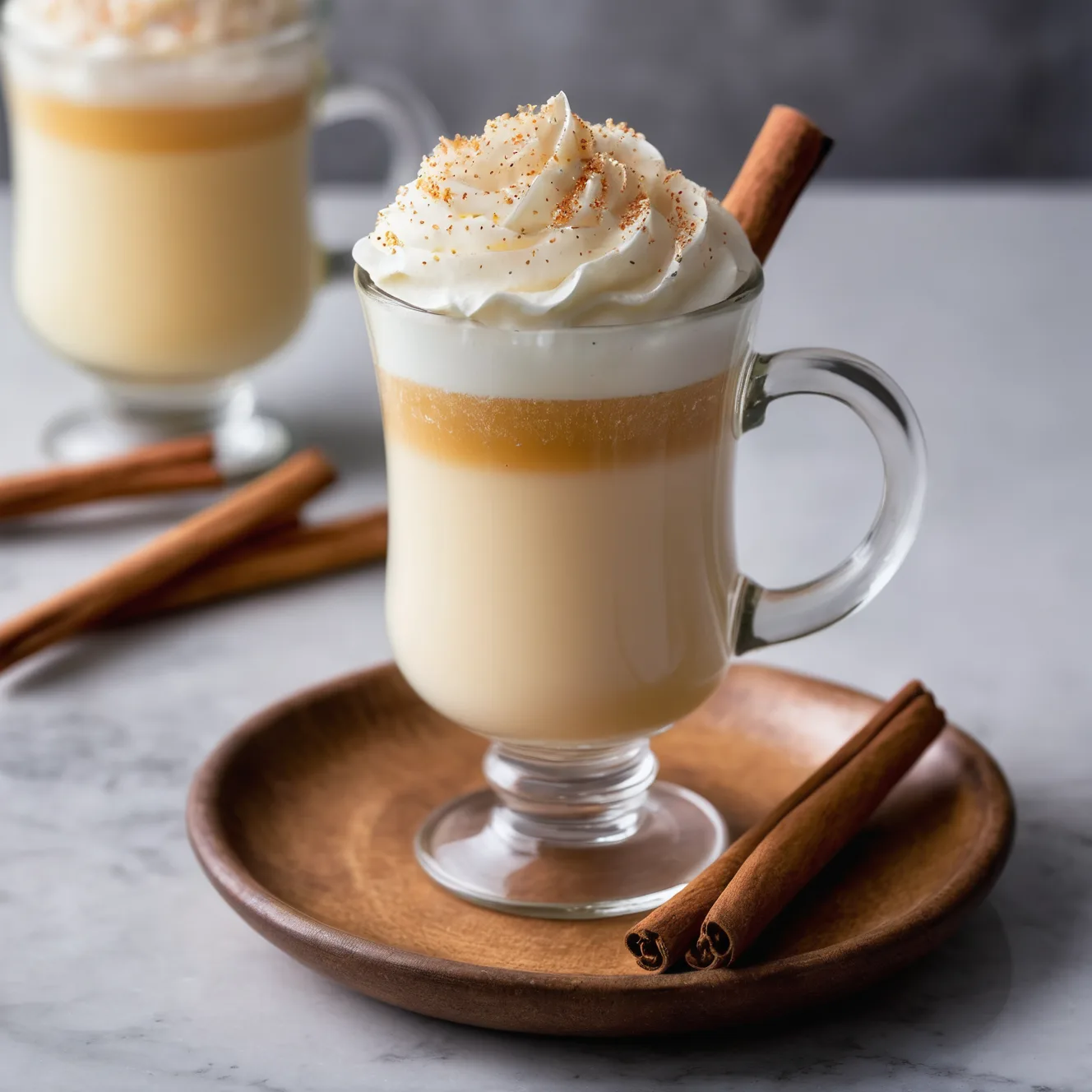
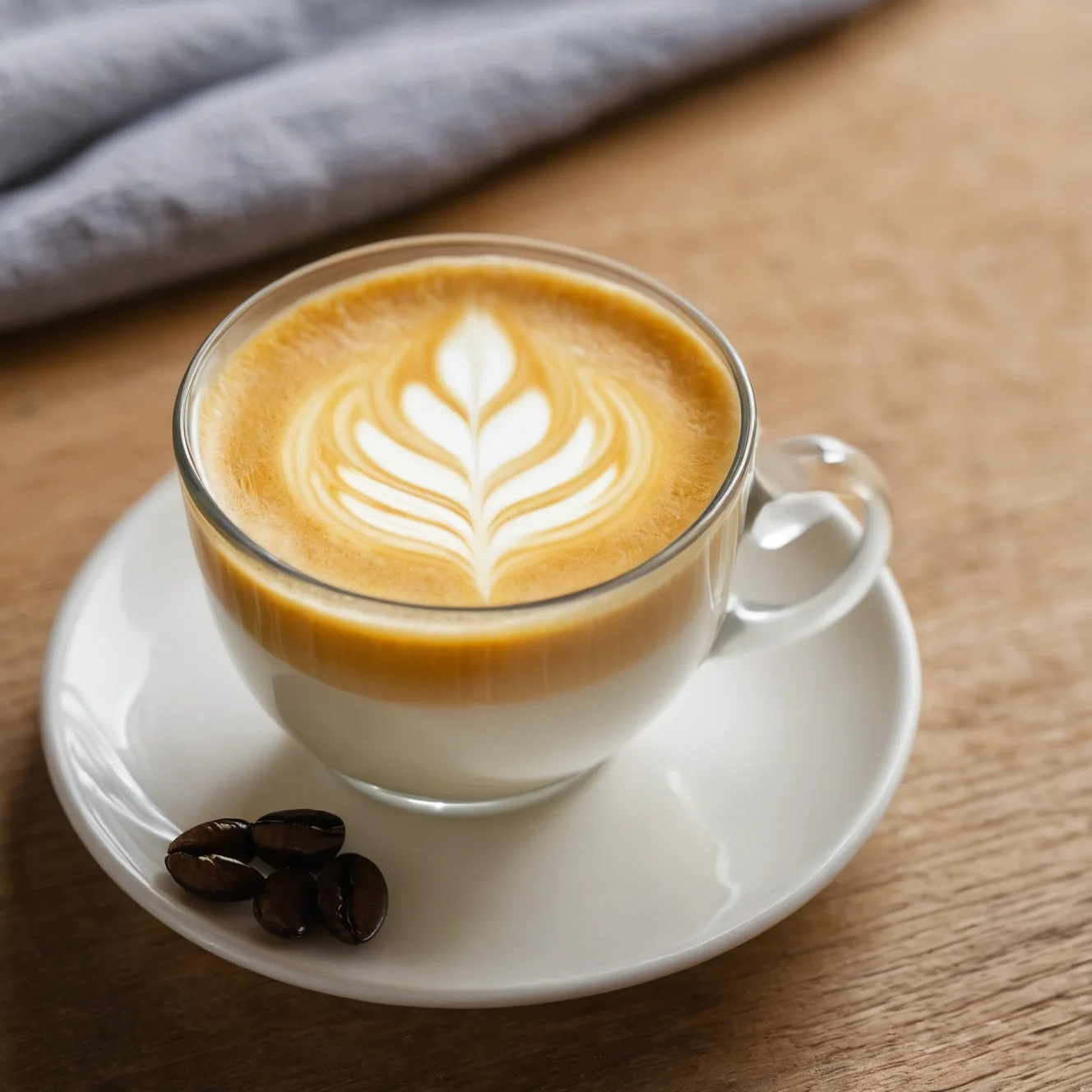
Build the drink in the serving cup so the espresso dissolves the syrup directly. A clear glass shows the caramel-and-cream color of a well-made vanilla latte.

Thermometer (optional)

Useful for hitting 150°F milk temp on your first few attempts; most people develop a feel for it after a week and skip the thermometer.

Frequently Asked Questions

How many pumps of vanilla syrup are in a Starbucks Vanilla Latte?

Starbucks uses 3 pumps for a Tall (12 oz), 4 pumps for a Grande (16 oz), 5 pumps for a hot Venti (20 oz), and 6 pumps for an iced Venti (24 oz). Each pump delivers about half a tablespoon (5g sugar, 20 calories). For a Grande — the standard size — 4 pumps equals roughly 2 tablespoons of syrup and 20g of added sugar from the syrup alone. If you want it less sweet, asking for 2–3 pumps ('light sweetness') is the most common Starbucks modification; the espresso and milk character comes through more clearly at lower pump counts.

What is the difference between a Starbucks Vanilla Latte and a Blonde Vanilla Latte?

The espresso roast is the only difference. A standard Vanilla Latte uses Starbucks Signature Espresso (dark roast), which has a bold, slightly bitter, caramel-forward profile. The Blonde Vanilla Latte uses Starbucks Blonde Espresso (lighter roast), which is milder, slightly sweeter, and has a bit more caffeine per shot. The vanilla syrup and milk are identical. If you find the standard version too bitter or intense, the Blonde version tones that down without changing the sweetness. For copycat purposes, any light-roast espresso or moka pot brew makes a decent Blonde substitute.

Why does my homemade vanilla latte taste different from Starbucks?

Usually one of three reasons. First, syrup order: vanilla syrup must go into the cup BEFORE the espresso, not after the milk — this is how Starbucks assembles it, and it affects how evenly the sweetness integrates. Second, espresso concentration: a moka pot or espresso machine produces a much more concentrated shot than even strong drip coffee; underpowered coffee makes the latte taste thin and the vanilla reads as sugary rather than blended. Third, milk temperature: milk steamed to 160°F tastes slightly sweeter and has a rounder mouthfeel than milk heated to 120°F or added cold. Getting all three right closes most of the gap.

Can I make a vanilla latte without an espresso machine?

Yes. A stovetop Moka pot makes the most espresso-like concentrated brew at home and costs $20–30. An AeroPress using the inverted method with a fine grind produces a similarly concentrated result. In a pinch, brew drip coffee at double strength (2x the usual grounds, same water) and use 4 oz instead of 2 oz — it's softer and less structured but works in the iced version where dilution over ice compensates. Instant espresso powder (1 tsp dissolved in 2 tbsp hot water) is the fastest no-equipment option and tastes surprisingly close when the vanilla syrup and milk carry the drink.

What vanilla syrup does Starbucks use, and what is the closest substitute?

Starbucks uses their proprietary Vanilla Syrup — ingredients are sugar, water, natural flavors, potassium sorbate, and citric acid. It's a standard simple syrup with a 'natural vanilla flavor' (not pure vanilla extract), which gives it a slightly cleaner, less floral vanilla note than homemade extract-based syrup. The closest store-bought match is Torani Vanilla Syrup or Monin Vanilla Syrup — both calibrated to the same sweetness and consistency level as commercial coffee syrups. Starbucks also sells its exact syrup for home use (under the Starbucks brand, at Target and Amazon, ~$10–13 per liter) — this is literally the product cafes use and produces the most faithful result. Homemade (1:1 sugar:water + vanilla extract) is excellent and cheaper, but the flavor is slightly more extract-forward than the proprietary syrup.

How many calories are in a Starbucks Vanilla Latte Grande?

A hot Grande Vanilla Latte with 2% milk and no whipped cream is approximately 250 calories: about 6g fat, 37g carbs, 35g sugar, 12g protein, and 150mg caffeine. With whole milk: roughly 270 calories and 11g fat. With nonfat milk: around 160 calories. The iced Grande (2% milk) is similar but the milk volume is slightly lower due to ice fill — approximately 200–220 calories. Sugar-free vanilla syrup drops the carbs by about 20g.

What is the difference between a vanilla latte and a vanilla macchiato?

The assembly and flavor profile are completely different. A Vanilla Latte is vanilla syrup + espresso + steamed milk, all integrated — you get a consistent sweet vanilla-coffee flavor from first sip to last. A Caramel Macchiato (Starbucks' version) is vanilla syrup + steamed milk first, then espresso poured on top last, finished with a caramel drizzle — the espresso 'marks' the milk (macchiato = 'marked' in Italian) and the drink transitions from sweet-milky at the bottom to espresso-forward at the top. The macchiato is not stirred so the layers are intentional. Both use vanilla syrup, but in a macchiato it's under the milk, not dissolved in the espresso.

Is there a Starbucks Vanilla Latte Frappuccino?

Not as a standard menu item. The closest is the Vanilla Bean Frappuccino, which is a crème-based (no espresso) blended drink — it's vanilla but not espresso. For an espresso-based vanilla Frappuccino, you'd order a Coffee Frappuccino with vanilla syrup added, which is a custom order. Don't confuse the Vanilla Latte with the Vanilla Bean Frappuccino: they share a flavor but are completely different drinks in terms of espresso content and preparation.

Love this recipe? Share it!

Shop the tools

Gear matched to this recipe's equipment list. We may earn a small commission if you buy through these links — at no extra cost to you.

As an Amazon Associate, Copycat Spices earns from qualifying purchases.

Free PDF: our 12 most-wanted copycat recipes — instant download.

Ratings & Reviews

No ratings yet

Rate this recipe

Click a star to rate

Leave a Review

0/500

CS

Copycat Spices Test Kitchen

Every recipe on Copycat Spices is developed and tested in our home test kitchen. We reverse-engineer beloved restaurant dishes and refine each one until the flavors and the instructions work reliably for home cooks of all skill levels.

Learn more about our mission →