

Copycat Taco Bell Naked Chicken Chalupa
Prep time: 20 min Cook time: 20 min Servings: 4
The Naked Chicken Chalupa is back. Taco Bell returned it nationwide on August 20, 2026 as the centerpiece of the Decades #TBTB menu — a 2016-throwback lineup that also brought back the Beefy Crunch Burrito, the Meximelt, and the Caramel Apple Empanada. If you missed it in 2017, 2018, or 2021, this is your chance to try the item that turned a fried chicken patty into a taco shell. And if your nearest Taco Bell runs out before the promotion ends, you can build a better one at home for a fraction of the $5.99 menu price.
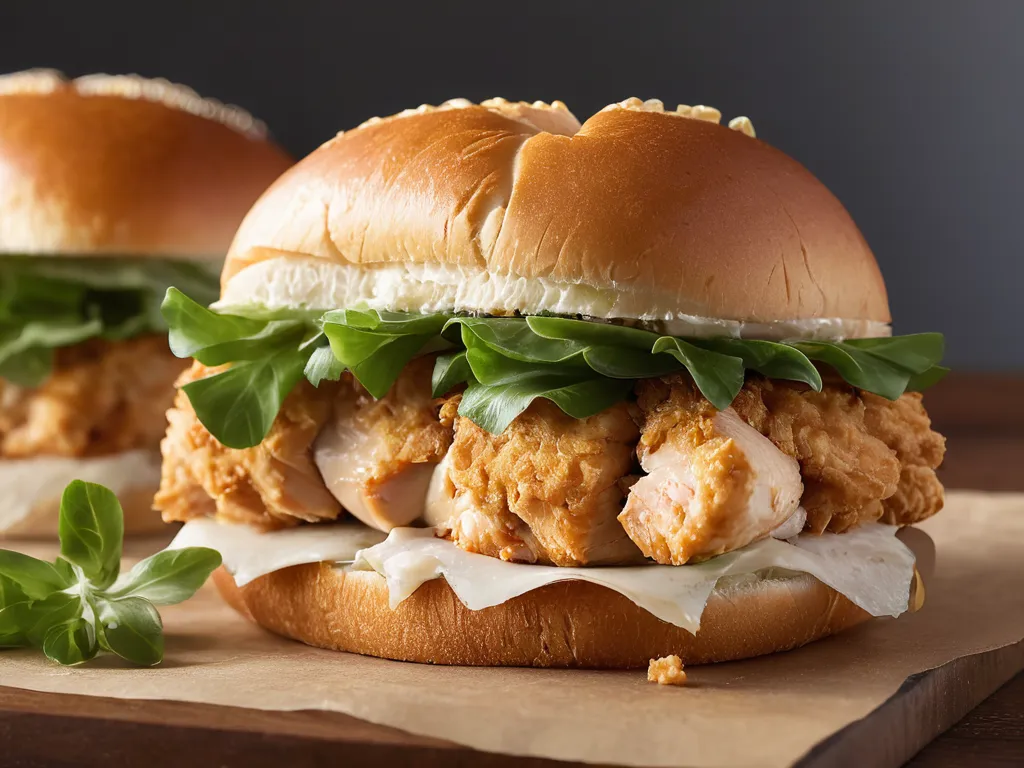
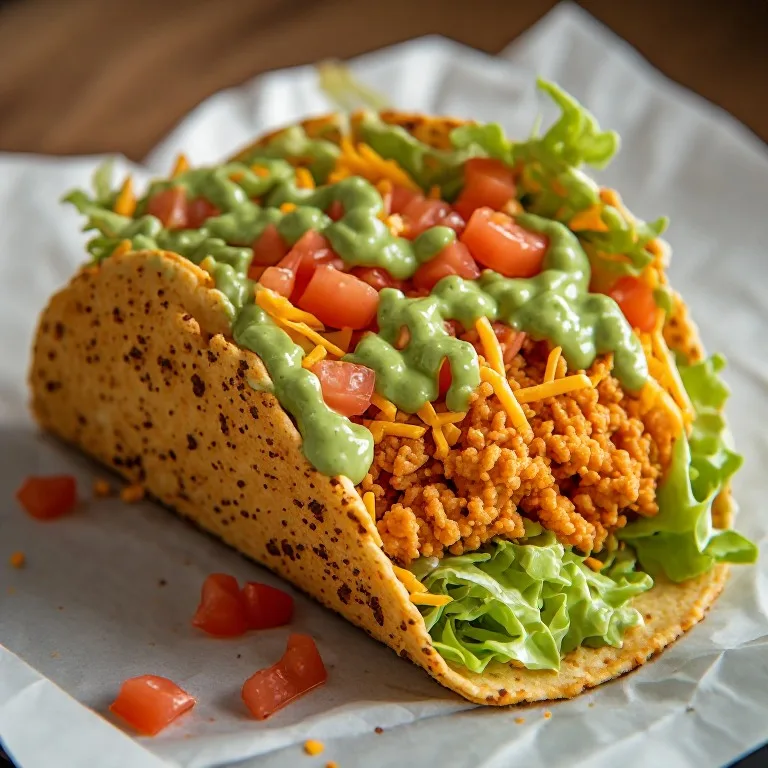
The whole idea is right there in the name: the chicken is the shell. There’s no bread, no tortilla, no fried flatbread. A thin, seasoned chicken patty is fried until crisp, then curved into a U-shape while it’s still hot and pliable. You fill that curved chicken shell with cheddar, lettuce, tomato, and a creamy avocado ranch. “Naked” doesn’t mean nude — it means the chicken is unencased, doing double duty as both the protein and the vessel.
Why Make It at Home?
The obvious reason is that it’s a limited-time item. Taco Bell hasn’t announced an end date for the Decades menu, but their LTOs typically run 8 to 12 weeks, and this one is already popular enough to sell out at busy locations. Making it yourself means you’re never at the mercy of the promotional calendar.
The second reason is control. A drive-through Naked Chicken Chalupa sits assembled under a heat lamp, which is the enemy of a crispy chicken shell — the residual steam from warm toppings softens it fast. When you make it at home, the shell goes from the fryer to your plate in under two minutes, and you assemble it the second before you eat. The texture difference is dramatic.
At roughly $5.99 each, a family of four spends about $24 before tax at Taco Bell. This recipe makes four full chalupas for around $9 in ingredients — and you get a fresher, hotter, crispier version for less than half the cost.
The One Technique That Makes or Breaks It
Everything about this recipe comes down to a single 90-second window. The chicken shell is most pliable in the first minute after it leaves the oil. That’s when you drape it over a small inverted bowl or a wire taco rack and press the sides down into a curve. Miss that window and the shell sets flat — still delicious, but a fried chicken patty is not a chalupa.
So the golden rule is: have your shaping tool sitting right next to the fryer before the first shell goes in. Don’t fry, then go looking for a bowl. Fry, then immediately curve. A 3-inch ceramic bowl works, a dedicated wire taco stand works best, and two balls of foil set three inches apart will do in a pinch.
Two other failure points are worth naming up front. First, thickness: press the patties to an even 1/4 inch. Edges thicker than that won’t flex when you curve them and will crack. Second, oil temperature: hold it at 350°F. Below 340°F the shell drinks oil and turns limp; above 375°F the breading browns before the chicken cooks through.
Why Ground Chicken Instead of Chicken Breast
Taco Bell uses whole all-white-meat chicken, marinated in Mexican-inspired spices, breaded and fried. You can absolutely replicate that at home by butterflying and pounding a chicken breast (see the FAQ below), and it gives you a chewier, more fillet-like shell.
But we call for ground chicken with a flour binder because it’s far more forgiving. Pounded breast varies in thickness and tends to split at its thin spots when you curve it. Ground chicken mixed with a quarter cup of flour presses into a perfectly even oval every time, and the binder gives the patty enough structure to hold its shape through breading, frying, and shaping. It’s the difference between a technique that works on your first try and one that takes practice.
The Avocado Ranch Sauce
The sauce is what ties the whole thing together, and it’s the one part Taco Bell doesn’t fully publish. It is not guacamole and it is not plain ranch — it’s a smooth, pourable blend where the ranch leads and the avocado adds body and a subtle green richness. Our copycat is one ripe Hass avocado blended completely smooth with three tablespoons of ranch dressing, a teaspoon of lime juice, and a pinch of garlic powder and salt. Blend it, don’t mash it — you want zero chunks so it spreads evenly across the inside of the shell.
Make it first, before you touch the chicken, and press plastic wrap directly onto the surface so it doesn’t brown while you fry.
Tips & Variations
- Fry on a wire rack, not paper towels. Draining a fried chicken shell on paper towels traps steam underneath and softens the bottom. A wire rack lets air circulate on all sides.
- Keep the oil at 350°F between batches. Adding cold patties drops the temperature fast. Let it recover to 350°F before the next shell goes in, or you’ll get greasy results.
- Drain your tomatoes and use iceberg, not romaine. Wet toppings are what turn a crisp shell limp. Draining the diced tomatoes and choosing crisp iceberg buys you extra minutes of crunch.
- Bake for a lighter version. Place the breaded patties on an oiled wire rack over a sheet pan and bake at 425°F for 20–22 minutes, flipping once. You lose a little edge crispness but save roughly 30% of the calories.
- Swap in ground turkey breast for an even leaner shell — once it’s seasoned, the flavor is nearly indistinguishable from chicken.
- Serve immediately. This is not a make-ahead, hold-and-serve dish. The shell begins softening the moment wet toppings touch it, so build each chalupa right before it’s eaten.
What You’re Tasting
A regular Chalupa Supreme is built on a fried flatbread shell — a neutral, slightly chewy carrier for the beef and toppings inside. The Naked Chicken Chalupa flips that logic. The shell itself is the seasoned, savory star, and the fillings play supporting roles. You end up with something much higher in protein, lower in refined carbs, and completely different in flavor from any other item on the menu. That’s the whole appeal, and it’s exactly what this copycat is built to capture.