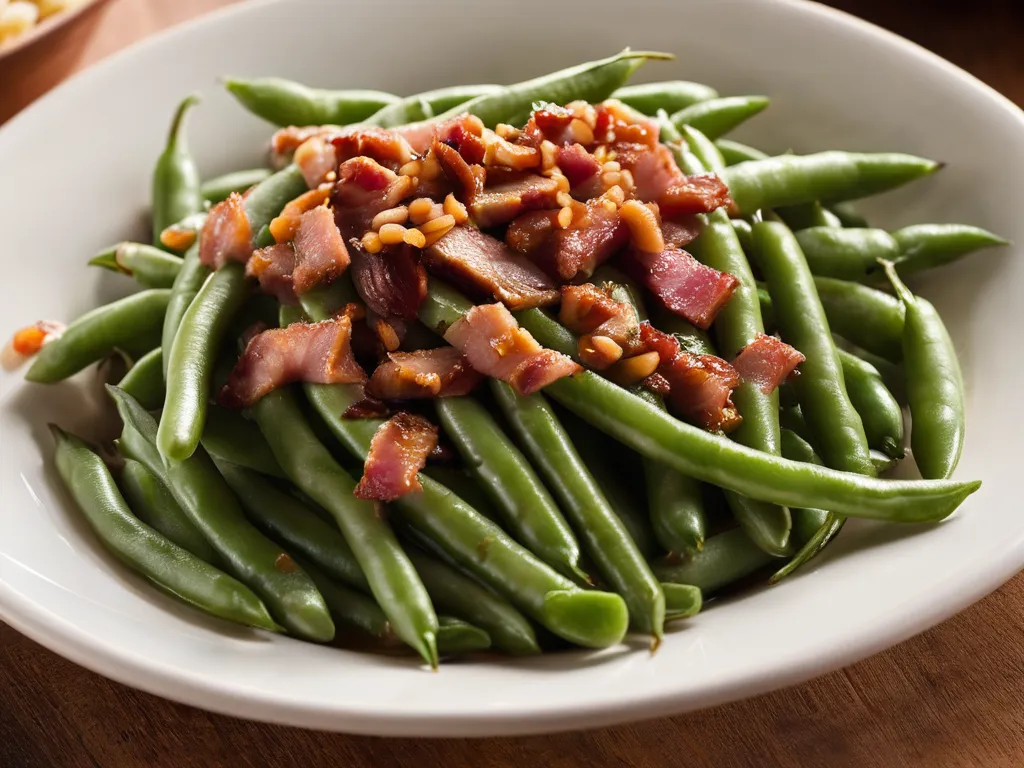
Copycat Texas Roadhouse Green Beans
Prep time: 10 minutes Cook time: 25 minutes Servings: 4
Texas Roadhouse serves green beans as part of their “Legendary Sides” lineup — $2.99 as an add-on, unlimited refills during the meal. They don’t taste like any other chain’s green beans, which raises a reasonable question: what are they doing differently?
The answer, pieced together from restaurant-industry reporting and years of copycat testing, is simpler than most sites let on: canned Italian-cut green beans, cooked slowly in rendered bacon fat with onion, garlic, a splash of chicken broth, brown sugar, and apple cider vinegar until the liquid reduces into a glaze. That’s it. No exotic ingredients, no technique that requires a culinary degree. The long, unhurried simmer does the work, and the bacon drippings carry more flavor in one tablespoon than a quarter cup of butter ever could.
This recipe produces four servings for about $4 — under $1 per serving. It takes 30 minutes and dirties exactly one pan.
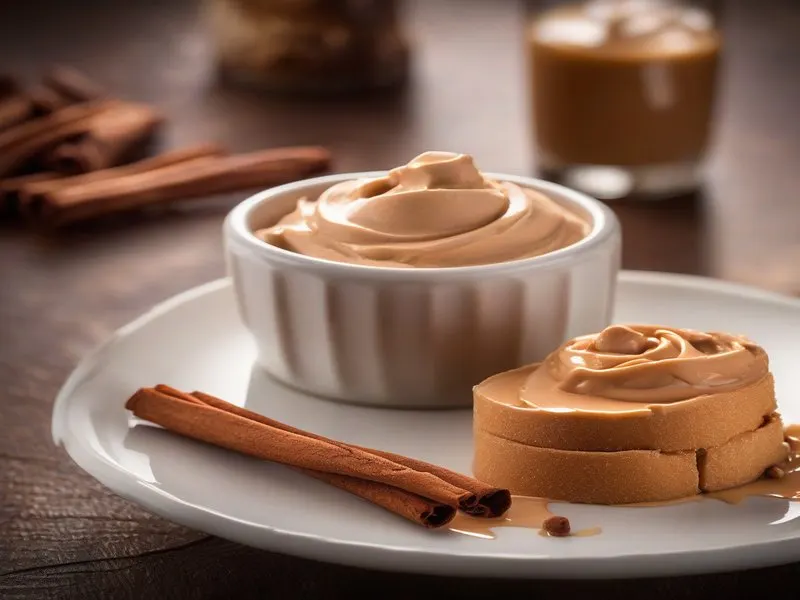
Pair these with Texas Roadhouse Rolls for the full experience. If you want to build out the whole plate, the cinnamon honey butter takes 10 minutes and uses the same pantry staples.
Why It Works
Canned beans, not fresh. This is the part that makes people skeptical until they taste the result. Fresh green beans are firm and bright-flavored, which is exactly what you want when you’re steaming them with olive oil and lemon. But Texas Roadhouse’s green beans are yielding and deeply savory — the texture of beans that have fully absorbed their cooking liquid. Canned beans are pre-cooked, so they soak up the bacon-and-broth glaze without turning mushy. Fresh beans would still be al dente when the liquid is reduced; canned beans will be perfectly tender. Italian-cut specifically (sliced on the bias into longer, thinner strips) means more surface area per bean to hold the glaze.
Starting the bacon in a cold pan. Most people add bacon to a hot skillet. That works, but the exterior crisps before the interior fully renders, leaving you with chewy centers. Starting cold lets the fat melt out gradually: the bacon cooks evenly from edge to center, the rendered fat accumulates in the pan, and you end up with crispier, more evenly cooked pieces and more drippings to cook in. This step adds no time — it takes the same total cooking duration, just with a different result.
Brown sugar and apple cider vinegar in tandem. Both seem counterintuitive in a savory vegetable dish, but they’re doing specific jobs. The brown sugar accelerates caramelization in the bacon fat, adding depth without making the beans taste sweet. The apple cider vinegar counteracts the fat richness and lifts the overall flavor — without it, the dish can taste flat and heavy. The ratio matters: one tablespoon of each is enough to notice both effects without either dominating.
Reducing the liquid uncovered. The 15–20 minute simmer over medium-low heat is not optional. The broth starts as a thin liquid and reduces into a sticky glaze. Cover the pan and you trap steam; the liquid never concentrates and you end up with watery beans in a pale broth. Keep it uncovered, stir every few minutes, and the sauce thickens until it just coats the beans. The visual cue is correct: when you can drag a spoon across the bottom of the pan and see it clearly for 2–3 seconds before the liquid closes in, it’s done.
The Canned vs. Fresh Debate
Multiple restaurant-industry sources and extensive recipe testing across copycat food sites confirm that Texas Roadhouse uses canned beans. The reason isn’t cost (canned and fresh green beans are similarly priced) — it’s consistency and texture. A restaurant cooking hundreds of portions per night needs identical results every time. Canned beans behave predictably in a hot pan; fresh beans vary by season, age, and exact blanching time.
If you prefer fresh beans, this recipe adapts: blanch trimmed green beans in heavily salted boiling water for 4–5 minutes, transfer to an ice bath to stop the cooking, drain thoroughly, then proceed from step 2. The flavor will be excellent — brighter and slightly more vegetal. The texture will be different: firmer, less yielding, less saucy. Neither is wrong. Just different.
Cost vs. the Restaurant
| Texas Roadhouse side | Homemade (4 servings) | |
|---|---|---|
| Price | $2.99 per order | |
| Sodium | ~1,070mg | ~800–1,000mg (with low-sodium broth) |
| Serving size | One portion | Four portions |
| Refills | Unlimited (dine-in) | As many as your pot can hold |
The real advantage at home is scale. A double batch for 8 people costs $7–8 and fits in one large skillet, making this ideal for holiday meals and Sunday dinners.
Make-Ahead Instructions
These green beans are one of the best make-ahead sides in the Texas Roadhouse lineup. Cook the full recipe through the reduction step, let it cool to room temperature, transfer to a sealed container, and refrigerate for up to 3 days. The beans absorb the seasoning overnight and taste slightly more developed on day two.
To reheat: add the refrigerated beans to a skillet over medium-low heat with 2–3 tablespoons of chicken broth or water. Stir occasionally for 5–8 minutes until heated through. The broth revives the glaze without making the beans watery.
For Thanksgiving or large gatherings: cook the night before, refrigerate, and reheat on the stovetop while the turkey or roast rests. This is genuinely the easiest holiday side dish you can have ready to go.
Storage and Reheating
Refrigerator: Store in an airtight container for up to 3 days. The flavor improves overnight.
Freezer: Technically freezable for up to 3 months, but the texture suffers — thawed green beans go soft. If you freeze, use in soups or stews where texture is less critical.
Reheating: Stovetop with a splash of chicken broth is best. Microwave works in a pinch (2–3 minutes, covered, stirring once halfway) but can make the beans a bit watery. Don’t try to reheat in an air fryer — they dry out completely.
Variations
Spicy green beans: Add 1/4 teaspoon red pepper flakes or a diced jalapeño (seeds removed) with the onion in step 2. A small dash of hot sauce stirred in at the end works too.
Southern-style with ham: Substitute 4 ounces of diced country ham for the bacon. Country ham has a more intense, salty, slightly smoky flavor and renders less fat, so add a teaspoon of olive oil when cooking the onion.
No-pork version: Use 2 tablespoons of butter instead of bacon drippings and add 1/2 teaspoon of smoked paprika for a smoky note without the meat. Replace chicken broth with vegetable broth.
Garlic-forward variation: Double the garlic to 6 cloves and add a tablespoon of Worcestershire sauce with the broth. The result is savory and complex without leaning sweet.
Browse the full Texas Roadhouse recipe collection for everything from the famous rolls to the rattlesnake bites. The steak seasoning is worth making in a double batch — it works on roasted vegetables too.