Pin It

Copycat Texas Roadhouse Steak Seasoning

Copycat Texas Roadhouse Steak Seasoning
Jump to Recipe
Prep 5 min Cook 0 min Serves 12
Quick answer: Texas Roadhouse steak seasoning is built on salt, black pepper, paprika, garlic powder, onion powder, turmeric, chili powder, and brown sugar. The last two are the differentiators — turmeric adds earthiness and a golden color; brown sugar caramelizes on contact with high heat and builds the dark, sticky crust their steaks are known for. Five minutes to mix; one batch covers 10–12 steaks and keeps airtight for 6 months.
Copycat Texas Roadhouse Steak Seasoning

Copycat Texas Roadhouse Steak Seasoning

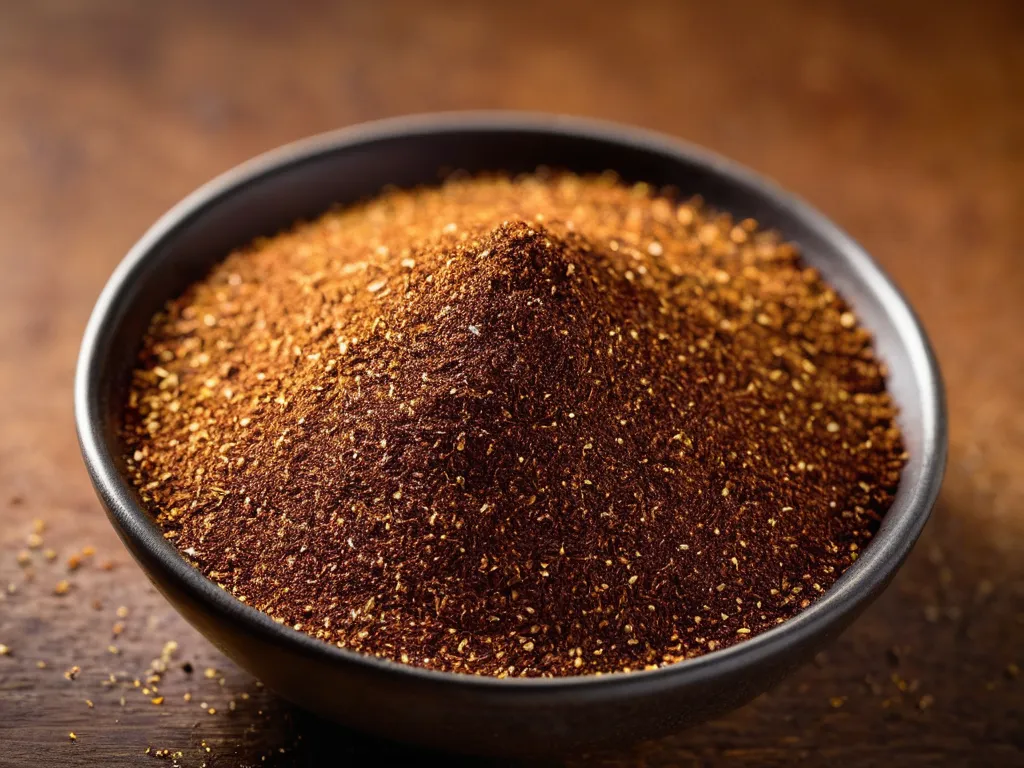
The real Texas Roadhouse steak seasoning blend: salt, pepper, paprika, garlic, onion, turmeric, and the ingredient most copycats miss — brown sugar that caramelizes into a proper crust. 5 minutes to mix; covers 12 steaks.

Easy Prep: 5 min Cook: 0 min Total: 5 min12 servings ~$2.80/serving
Prep5 min
Cook0 min
Total5 min
Servings
12
At home~$2.80/serving
vs
Restaurant~$12.60/serving
You save ~78%

Ingredients

Instructions

💡
Pro tip: This recipe tastes even better the next day. The flavors need time to meld together in the fridge.
❄️
Storage: Keeps in an airtight container in the fridge for up to 2 weeks. Freezer-friendly for up to 3 months.
~300-500 cal/serving

The Story Behind the Recipe

Texas Roadhouse doesn’t marinate, brine, or sous vide their steaks. Their edge is a well-calibrated seasoning blend, high heat, and — a detail most home cooks miss — brown sugar. This is that blend, plus the two-step cooking technique that makes it work.

The Two Ingredients Most Copycat Recipes Miss

Salt, pepper, garlic, onion — that’s where most copycat recipes stop. Texas Roadhouse adds turmeric and brown sugar, and Texas Roadhouse’s own branded Sirloin Seasoning confirms both as key components.

Turmeric adds a warm earthiness and a faint golden-yellow color to the crust. It’s subtle — you wouldn’t identify it in a blind taste and say “turmeric” — but it’s what gives the blend a slightly unusual depth compared to a standard beef rub.

Brown sugar is the more functional addition. On contact with a hot, butter-slicked surface, the sugar caramelizes almost instantly, building a dark, complex crust that locks the spice blend to the steak. Without it, seasoning can dust off during flipping and the flavors stay on the surface rather than forming a cohesive crust. With it, you get a caramelized, slightly sweet-savory exterior that tastes noticeably more “restaurant” than plain SPG.

One teaspoon of brown sugar per batch (which covers 10–12 steaks) is the right amount. More than that risks scorching at grill temperatures above 500°F.

A note on MSG: Texas Roadhouse’s retail Sirloin Seasoning also lists monosodium glutamate, the savory backbone behind its bottled flavor. You don’t need it here — the salt, garlic, and onion carry plenty of savor on their own. But if MSG is already in your pantry, a 1/4 teaspoon per batch deepens the umami and pulls the blend closer to the store version.

The 40-Minute Dry Brine

Apply the seasoning at least 40 minutes before cooking — not right before. Here’s what happens during that window:

  1. 0–10 minutes: The salt draws moisture to the steak’s surface. You’ll see a film of liquid appear.
  2. 10–30 minutes: The moisture dissolves the salt and spices into a concentrated brine.
  3. 30–40 minutes: That seasoned liquid gets reabsorbed into the outer layer of the meat.

The result: the seasoning goes into the steak, not just on it. If you season right before putting the steak on heat, the undissolved salt sits on the surface and draws out moisture that then steams the meat during searing — killing your crust. The 40-minute wait converts surface-applied seasoning into penetrating flavor and a drier surface that actually sears.

Let the steak sit on a wire rack (not a plate) so air circulates on all sides and the bottom doesn’t pool in its own moisture.

How Texas Roadhouse Actually Cooks Their Steaks

Texas Roadhouse uses a two-stage method that’s easy to replicate at home:

Stage 1 — Butter sear on a flat-top. Immediately after seasoning, the steak goes onto a scorching hot flat-top griddle slicked with butter — one minute per side. The butter promotes deep browning; the brown sugar caramelizes and sets the crust; the high heat locks everything in.

Stage 2 — Grill to doneness. The seared steak moves to the grill to reach the customer’s requested temperature. The grill adds char marks and smoke; the flat-top provides the crust.

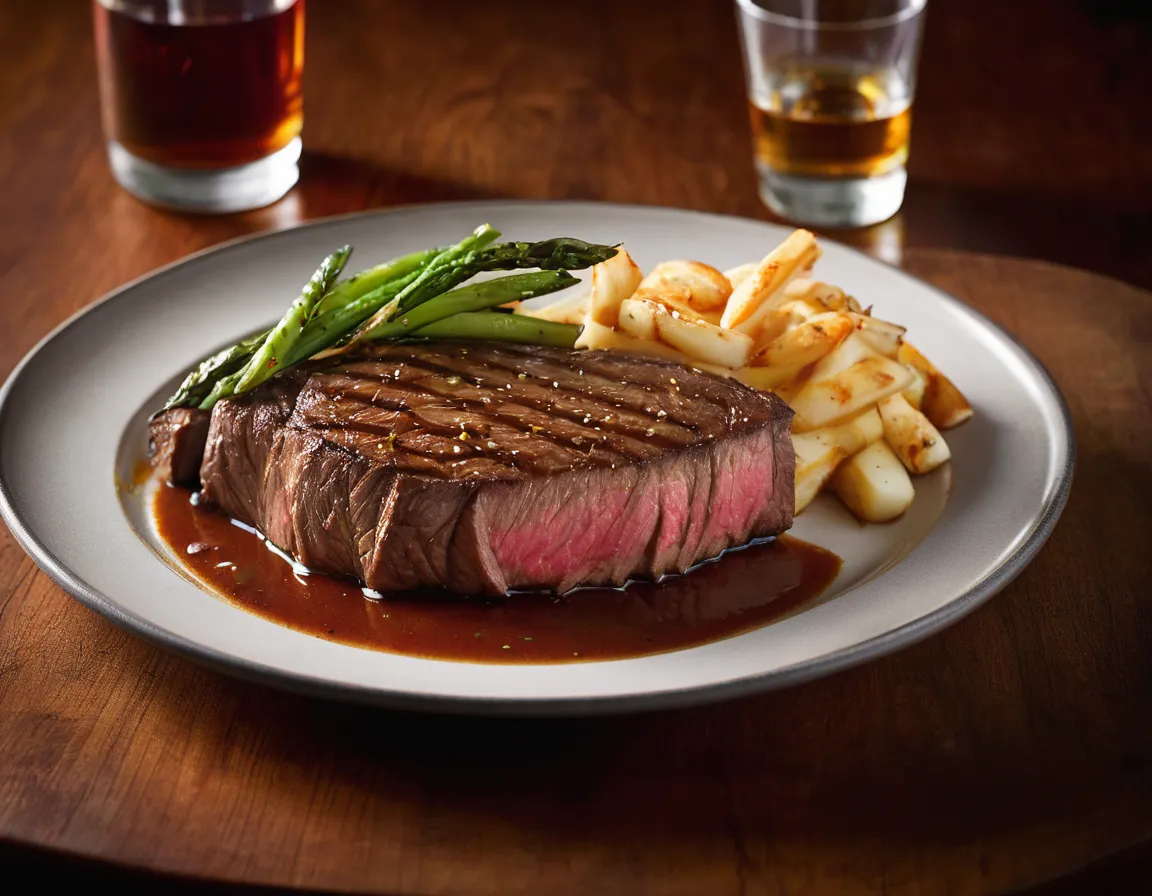
Home version: Heat a cast-iron skillet until it’s almost smoking. Add 1 tablespoon of butter. Sear the steak 1 minute per side without moving it. Transfer the whole skillet to a 400°F oven (or move the steak to a hot grill) and cook until a thermometer reads your target: 130°F for medium-rare, 140°F for medium. Rest 5–8 minutes before cutting — the temperature will rise another 5°F during the rest.

The cast-iron-to-oven method is closer to Texas Roadhouse’s actual process than a straight grill cook, because the flat-top gives you a full-contact sear that grill grates can’t replicate.

Uses Beyond Steak

This blend is versatile. It performs well on:

  • Chicken thighs — apply, rest 20 minutes, grill or sear skin-side down first; the sugar caramelizes against the skin for a lacquered finish
  • Pork chops — same approach; the turmeric-paprika-sugar combination works particularly well on thick bone-in cuts
  • Burgers — press 1 teaspoon into the surface of each patty before grilling; don’t mix it into the beef or it can make the patty dense
  • Oven fries — toss with 2 tablespoons of oil and 1 teaspoon of the blend per pound of potatoes; 425°F on a wire rack until caramelized
  • Roasted vegetables — 1 teaspoon per pound of potatoes, carrots, or squash; the brown sugar helps them caramelize at lower oven temperatures
Storage

Store in an airtight glass jar in a cool, dark pantry for up to 6 months. After that, spices lose potency — particularly turmeric and paprika, which fade fastest. To test: rub a pinch between your fingers and smell it. If it doesn’t smell sharp and distinct, mix a fresh batch. At the quantities used (2–3 teaspoons per steak), a single batch covers 10–12 steaks.

The Rest of the Texas Roadhouse Experience

If you’re building the whole meal at home:

Nutrition Facts

Per serving (12 servings)
Calories10
Total Fat0g
Total Carbs2g
Dietary Fiber0g
Sugars1g
Protein0g
Sodium960mg

* Estimated values based on standard recipe preparation. Actual values may vary.

🥗

Make It Healthier

Love Texas Roadhouse Steak Seasoning but want a lighter version? Try these simple swaps:

  • Cut kosher salt to 1 tablespoon to reduce sodium; finish the cooked steak with a squeeze of fresh lime to compensate.
  • Omit brown sugar if cooking above 500°F — at extreme heat it can burn before the interior is done.
  • Use smoked paprika instead of regular for a deeper wood-fire flavor without added calories.

Equipment You'll Need

Mixing bowl

For combining and whisking the spice blend

Airtight glass jar

For storing the seasoning — keeps for up to 6 months in a cool pantry

Measuring spoons

Level measurements matter for the salt-to-spice balance

Cast-iron skillet

For the butter-sear step that mimics Texas Roadhouse's flat-top method

Instant-read thermometer

The only reliable way to hit the right doneness without cutting into the steak

Frequently Asked Questions

What makes Texas Roadhouse steak seasoning different from a regular steak rub?

Most steak seasonings are an SPG blend — salt, pepper, garlic. Texas Roadhouse's version adds turmeric (earthiness and color) and brown sugar (caramelization and crust). Texas Roadhouse's own branded Sirloin Seasoning lists garlic, onion, paprika, and turmeric as defining ingredients. The brown sugar is the functional difference: it caramelizes against a hot butter-slicked flat-top or cast-iron surface, forming a dark, slightly sweet crust that plain SPG rubs can't replicate. Without it, the seasoning is fine but flat.

Does Texas Roadhouse use brown sugar in their steak seasoning?

Yes. Multiple well-documented reverse-engineer attempts and Texas Roadhouse's own branded Sirloin Seasoning confirm that sugar is a core component of the blend. At the restaurant, steaks are immediately placed on a hot butter-slicked flat-top after seasoning — the sugar caramelizes almost instantly, building the crust that locks the spice blend to the meat. Use exactly 1 teaspoon per batch of this recipe (about 7 tablespoons total mix). More than that risks burning the crust before the interior reaches temperature, especially on a grill running hotter than 500°F.

Does Texas Roadhouse steak seasoning have MSG?

Yes — Texas Roadhouse's retail Sirloin Seasoning lists monosodium glutamate (MSG) on its ingredient label, where it acts as the savory backbone behind the blend's restaurant taste. This homemade version leaves it out: the kosher salt, garlic powder, and onion powder already supply plenty of savor. If you keep MSG in the pantry, adding 1/4 teaspoon per batch deepens the umami and brings the blend a step closer to the bottled product. It's optional, not essential.

Can I buy the official Texas Roadhouse steak seasoning?

Yes, with some caveats. Texas Roadhouse has sold a 'Sirloin Seasoning' product at select grocery retailers and through their website, but availability is inconsistent. The retail product and the kitchen blend are not identical — restaurants receive proprietary formulations that differ from what ends up in the store bottle. The homemade version here is closely comparable and costs a fraction of the price when you already have the spices.

How much seasoning should I use per steak?

Apply 1 to 1½ teaspoons of the blend per side — 2 to 3 teaspoons total per steak. Press it gently into the surface so it adheres rather than dusting off when you flip. Too little is the most common home-cook mistake: the crust is where most of the flavor lives, and a light sprinkle doesn't produce the same result. For a bone-in ribeye or thick T-bone, err toward 3 teaspoons.

What cuts work best with this seasoning?

Any well-marbled cut: ribeye, New York strip, T-bone, or porterhouse. The fat in marbled cuts carries the spice flavor deep into the meat. Sirloin also works well — Texas Roadhouse named their retail product 'Sirloin Seasoning' for a reason. Leaner cuts like flank or flat iron benefit from the full 40-minute dry brine since the salt has more work to do without intramuscular fat helping with flavor delivery.

Love this recipe? Share it!

Shop the tools

The right tools make all the difference. We earn a small commission if you buy through these links — at no extra cost to you.

Free PDF: our 12 most-wanted copycat recipes — instant download.

Ratings & Reviews

No ratings yet

Rate this recipe

Click a star to rate

Leave a Review

0/500

CS

Copycat Spices Test Kitchen

Every recipe on Copycat Spices is developed and tested in our home test kitchen. We reverse-engineer beloved restaurant dishes and refine each one until the flavors and the instructions work reliably for home cooks of all skill levels.

Learn more about our mission →