



Bang Bang Chicken — The Sauce That Built a Dish
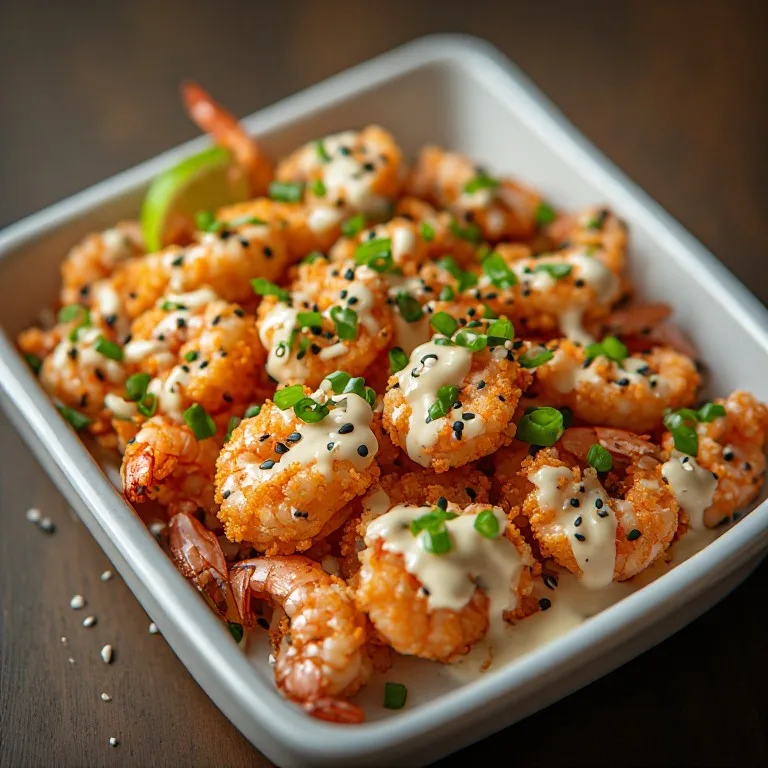
Bang bang chicken started at Bonefish Grill in Florida, where the original bang bang shrimp became one of the most-ordered appetizers in casual dining history. The sauce — mayo, sweet chili, Sriracha — was so good that home cooks immediately started cloning it and transferring it to chicken, and TikTok amplified that copycat energy into a fully viral recipe category with hundreds of variations.
The chicken is the delivery vehicle. The sauce is the point.
What Is Bang Bang Sauce, Exactly
The name comes from Chinese cooking, specifically the Sichuan dish bang bang chicken — cold poached chicken shredded and served with a spicy sesame sauce, where the “bang bang” refers to the banging of the meat against a board to tenderize it. The American chain restaurant version has nothing to do with that preparation beyond borrowing the name. Bonefish Grill’s bang bang sauce is a sweet-heat-creamy mayonnaise-based sauce, and it’s excellent.
Making it at home: the ratio that works is roughly half mayo to equal parts sweet chili sauce and Sriracha, pulled together with honey and rice vinegar. The sweet chili sauce does the heavy lifting — it’s already sweet, mildly spicy, and has a characteristic Thai flavor profile from ginger, garlic, and vinegar. The mayo adds fat that smooths and enriches it. The Sriracha provides sharper, forward heat. Honey adds sweetness without the jalapeño note of the sweet chili. And the rice vinegar lifts the whole thing with brightness.
This sauce is also independently excellent on salmon, shrimp, cauliflower, or as a straight dipping sauce for anything breaded. Make extra.
The Cornstarch-Flour Coating
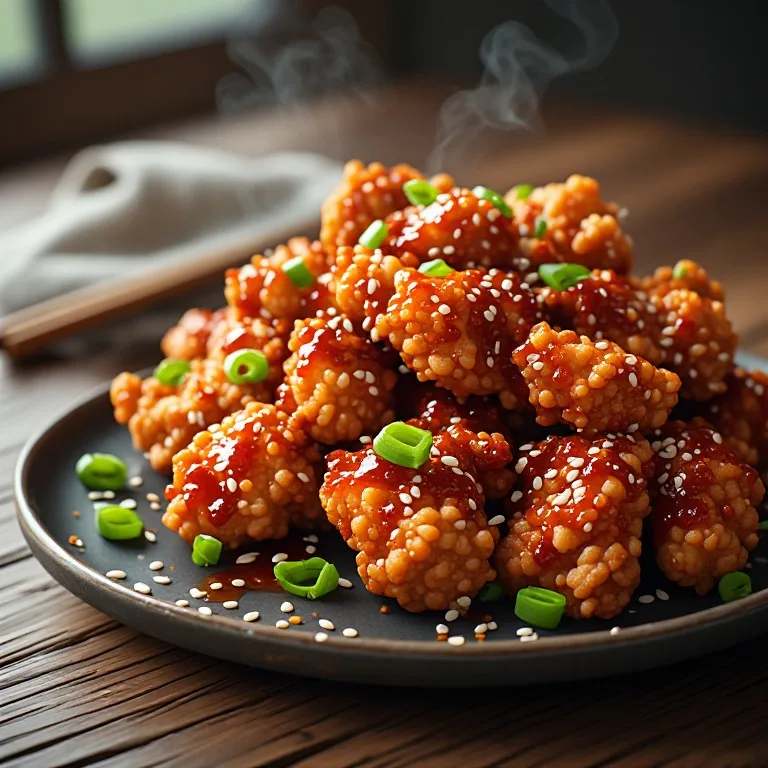
The 50/50 split of cornstarch and flour in the breading is the distinction that makes bang bang chicken’s crust genuinely special rather than just serviceable. Pure flour coating is thick and chewy when fried. Pure cornstarch is thin but can be too delicate. The split produces a crust that’s light, airy, and shatters when bitten — the same texture as good fried chicken at a Korean restaurant.
Buttermilk (rather than egg alone) adds slight lactic acid that tenderizes the chicken surface and adheres the coating cleanly. The five-minute rest before frying lets the coating firm up into a shell that survives the oil without dissolving.
Serving Options
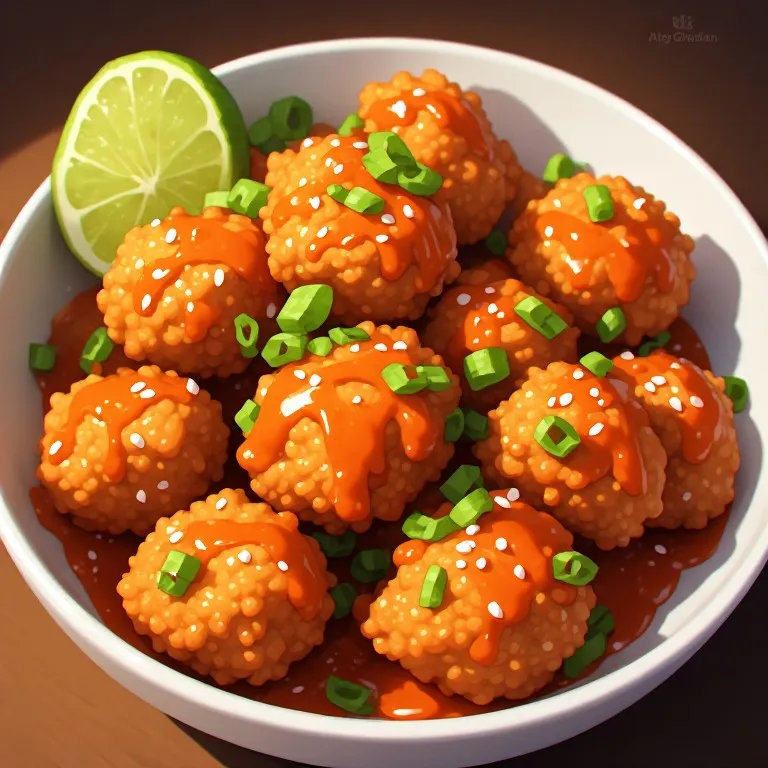
Bang bang chicken as an appetizer: serve in a bowl with extra sauce alongside for dipping. As a main: serve over jasmine rice with sliced scallions, sesame seeds, and julienned cucumber. As a wrap: tuck into large flour tortillas with shredded cabbage, avocado, and a squeeze of lime. As a bowl: set over rice noodles with shredded purple cabbage, edamame, and a drizzle of sauce.
Three Variations
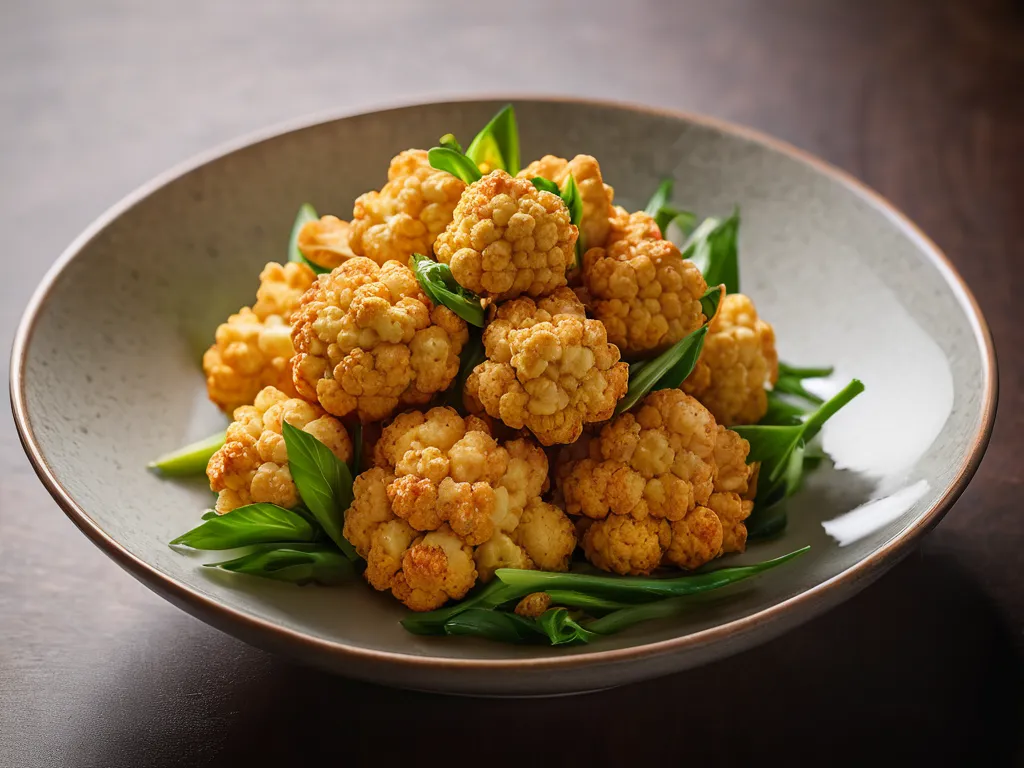
Bang bang cauliflower (vegetarian): Cut a head of cauliflower into florets, bread in the exact same buttermilk-flour-cornstarch coating, and air fry at 400°F for 15 minutes. Toss in the sauce and serve the same way. One of the best preparations for cauliflower in existence.
Bang bang chicken tacos: Toss the sauced chicken in small corn tortillas with shredded red cabbage, diced mango, and crumbled cotija. The mango and sauce combination is exceptional.
Extra spicy gochujang bang bang: Replace the Sriracha with 2 tablespoons gochujang (Korean red pepper paste). The gochujang adds fermented depth and a different, earthier heat profile that transforms the sauce. Serve with a cooling element — sliced cucumber or a spoonful of sour cream.