


Bonefish Grill Bang Bang Shrimp Copycat
Bonefish Grill’s Bang Bang Shrimp is the rare appetizer that has its own frozen retail line, its own imitators across half the casual dining chains in America, and an origin story that hinges entirely on a name change. The dish launched at the chain — founded in 2000 in St. Petersburg, Florida — under the name “Creamy Spicy Shrimp.” It underperformed. Co-founder Tim Curci renamed it “Bang Bang Shrimp,” and it became the chain’s number-one selling item almost immediately. Same shrimp, same sauce, different name. It has been their signature ever since.
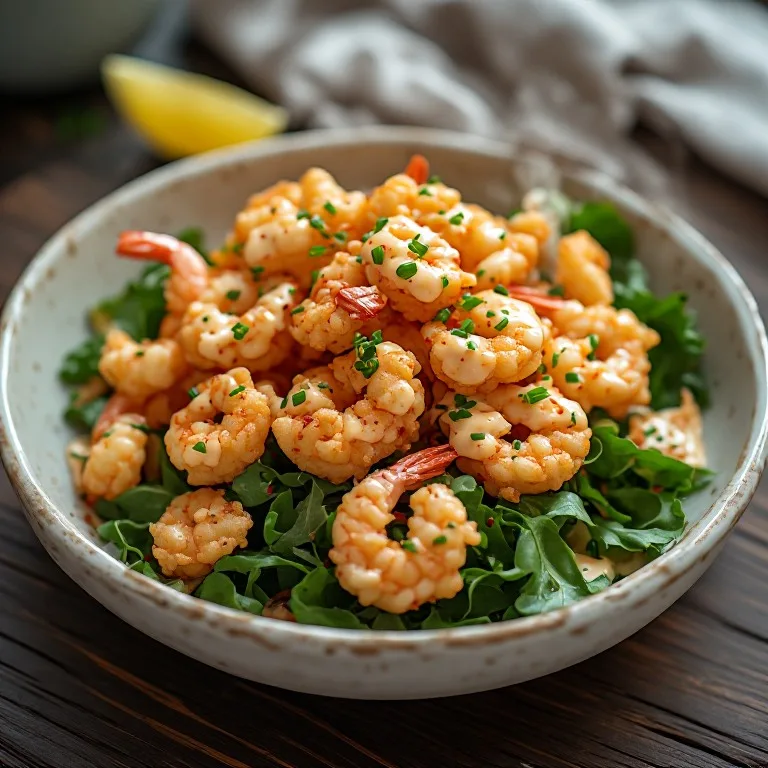
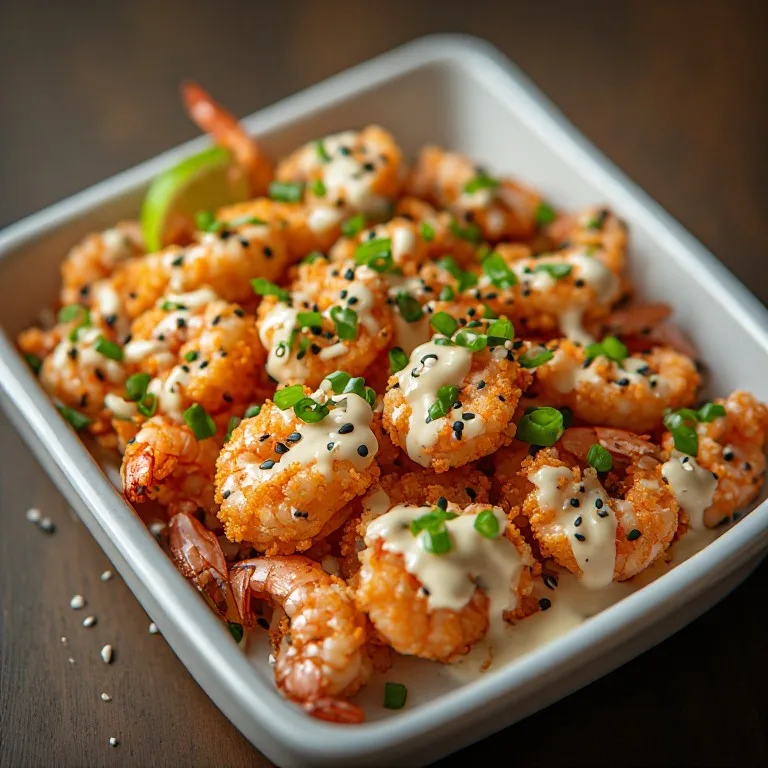
The dish itself is simple: crispy medium shrimp in a sweet-heat mayo sauce. Most copycat recipes get the coating wrong (panko or flour instead of cornstarch), skip the buttermilk soak, or heat the sauce (don’t). This one doesn’t make those mistakes.
The Sauce Ratio Is Everything
The sauce has three ingredients: mayonnaise, Thai sweet chili sauce, and Sriracha. That’s the whole thing. The ratio is:
- 1/2 cup mayonnaise
- 1/4 cup Thai sweet chili sauce
- 1–2 teaspoons Sriracha
This is mildly spicy. The heat comes from Sriracha, the sweetness from the chili sauce, and the fat and richness from mayo. It coats shrimp rather than pooling under them. If you want more heat, add more Sriracha — but the restaurant version is not aggressively spicy. It’s sweet first, then creamy, with a low-level warmth at the finish.
Brand of sweet chili sauce matters more than you’d think. Mae Ploy (the Thai brand in the jar, not the bottle) has a purer sweet-heat flavor than Heinz or store brands, which often taste more like ketchup with pepper. If you use a sauce that’s 80% sweet and 20% vinegary tang, your Bang Bang sauce will taste sharp instead of balanced. Mae Ploy, Maesri, or Pantainorasingh are the ones to look for.
Make the sauce before you start frying — it takes 90 seconds and the flavor improves even with a 30-minute rest. If you can make it the night before, do.
Why Buttermilk + Cornstarch, Not Batter
The distinguishing feature of Bang Bang Shrimp — the thing most home cooks and most copycat recipes get wrong — is the coating process. It is not tempura batter. It is not flour. It is not panko. It is two steps: a buttermilk soak, then pure cornstarch.
The buttermilk does two things: it tenderizes the shrimp slightly, and it gives the cornstarch something to adhere to. Dry shrimp dredged in straight cornstarch tend to have bare spots where the coating didn’t stick. Shrimp that went through buttermilk first come out with an even, complete coating.
The cornstarch does the rest. At 375°F, it forms an extremely thin, glass-like shell that shatters when you bite through it — the lightest possible fried coating. A flour coating or tempura batter is thicker and more porous, which absorbs sauce and turns soft within 3-5 minutes of saucing. Cornstarch coating gives you 8-10 minutes, which is enough time to sauce and serve properly. This is why the dish is still crunchy when it hits the table at the restaurant even though the kitchen coated it in sauce.
The frozen retail version (sold at Costco) uses a breaded coating instead of cornstarch — which is why it reheats differently than the restaurant version. The breadcrumb/flour coating required for freeze-reheat stability is the structural change that makes the two versions taste noticeably different.
Why Medium-Large Shrimp
Bonefish uses 31-40 count shrimp — what labels usually call medium-large — not small shrimp and not jumbo. At this size, each piece is about 1.5 inches long cooked: bite-sized but substantial enough to carry the coating without the shrimp disappearing inside it.
The sauce-to-shrimp ratio works at this size. Each piece, once tossed, is fully coated and fully seasoned in one bite. With very large or jumbo shrimp, the exterior gets sauce but the interior of each bite is mostly plain shrimp — the ratio tilts wrong. With very small shrimp, you get more pieces and higher sauce coverage, but the shrimp cooks so fast (60-90 seconds at 375°F) there’s a narrow window before the coating darkens.
If your store only has large shrimp without count labels: aim for pieces roughly the size of your thumb from knuckle to tip. Cut very large shrimp in half crosswise to get pieces closer to the right size.
The Lettuce Isn’t a Garnish
Bonefish serves Bang Bang Shrimp on butter lettuce (also called bibb or Boston lettuce) — not shredded iceberg, and without sesame seeds, which have crept into many copycat recipes but aren’t on the restaurant version. The lettuce is doing real work here. Butter lettuce is mild and slightly sweet, giving the dish something cool and fresh to contrast the warm, fried, spicy-sweet shrimp. It also catches any sauce that runs off the shrimp, so you get a saucy lettuce-shrimp combination at the base of the plate.
You can skip the lettuce, but the dish loses balance without something cool and mild underneath. If you can’t find butter/bibb lettuce: green leaf lettuce is the closest substitute. Iceberg works structurally but the flavor is too neutral. Romaine is fine but the crunch competes with the shrimp’s crunch rather than contrasting it.
Bang Bang Shrimp Variations
The dish has spawned officially and unofficially:
Bang Bang Shrimp Tacos: Bonefish served this as a recurring limited-time item — flour tortillas, sauced shrimp, shredded cabbage, pico de gallo. The shrimp-to-sauce ratio works identically in a taco. If you’re making this at home, warm small flour tortillas and add a thin layer of the bang bang sauce before piling in the shrimp.
Bang Bang Chicken: Same sauce, same cornstarch coating, applied to chicken breast cut into bite-sized pieces. Fry at 350°F (chicken needs a lower temp than shrimp to cook through without burning) for 4-5 minutes. Toss in the sauce the same way.
Bang Bang Cauliflower (vegetarian): Cut a head of cauliflower into bite-sized florets. Toss in cornstarch with salt and garlic powder. Roast at 425°F for 25 minutes until edges are brown, then toss in the sauce. You lose the shattery crunch (roasted cauliflower doesn’t fry-crisp the same way), but the flavor combination works.
Timing: What to Do Ahead
Bang Bang Shrimp is best served 5 minutes after saucing, while the cornstarch coating still has crunch. Plan accordingly:
| Task | When |
|---|---|
| Make the sauce | Up to 3 days ahead, refrigerate |
| Peel and devein shrimp | Up to 1 day ahead, refrigerate |
| Season the cornstarch | Before you start cooking |
| Fry the shrimp | 10 minutes before serving |
| Sauce and plate | Right before serving |
If you’re hosting and want to stay out of the kitchen: fry the shrimp, hold on a rack in a 200°F oven for up to 15 minutes, then sauce and serve. The coating holds better in a low oven than on the counter.
The Frozen Version at Costco
Bonefish Grill (owned by Bloomin’ Brands since 2012) launched a retail frozen version of Bang Bang Shrimp, sold at Costco and major grocery chains as “Bonefish Grill Sauced & Ready.” The fact that it made it to Costco — the retail validator for dishes with genuine mass appeal — is a measure of how popular this specific dish became at the restaurant level.
Two key differences between the frozen and restaurant versions: First, the frozen version uses a breaded coating (breadcrumbs or flour-based) rather than cornstarch. The breadcrumb coating survives the freeze-reheat cycle better than a thin cornstarch shell would, but it produces a noticeably different texture — chewier, less shattery. Second, the frozen version is pre-sauced, so the coating has already softened by the time you open the bag. The restaurant version is fried to order and tossed in cold sauce right before serving. The home version you’re making here is structurally closer to what the restaurant actually serves than anything in a freezer bag.