

Why Consommé Is a Better Pizza Sauce Than Tomato
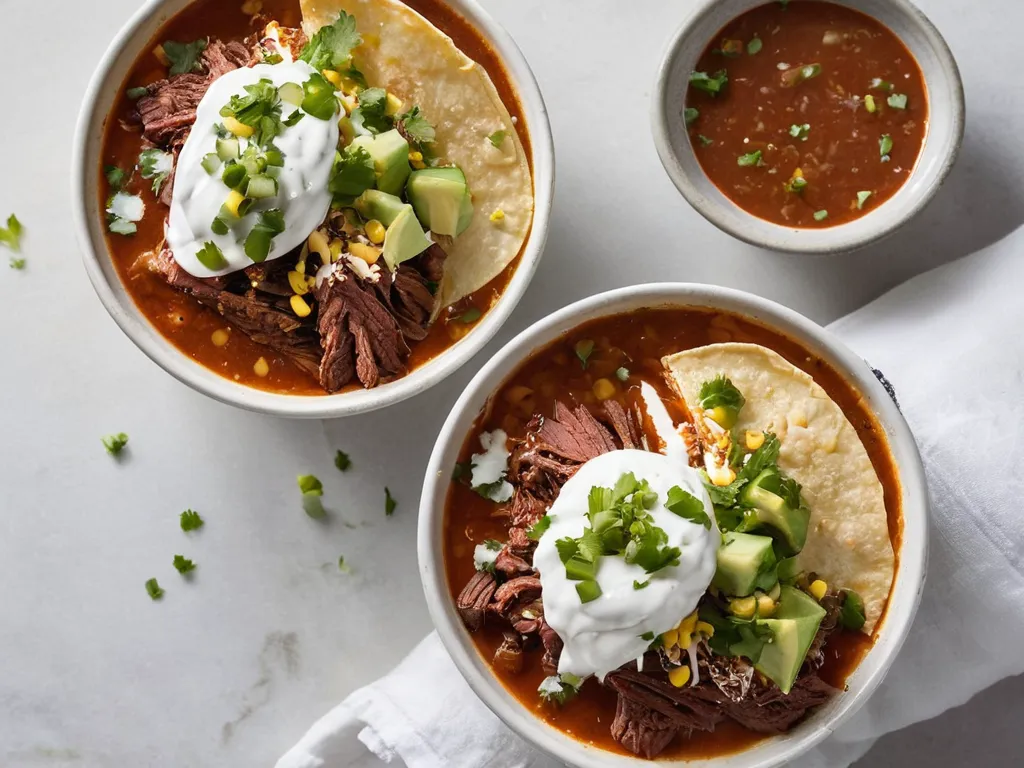
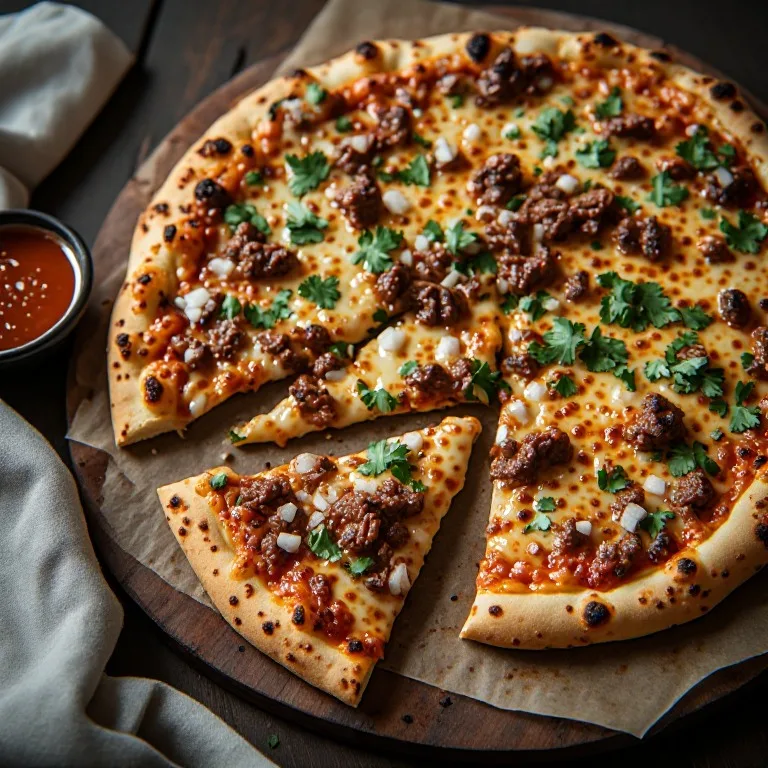
The key insight behind birria pizza is that the braising liquid — strained, salted, and used thin — is structurally more interesting as a pizza sauce than tomato. Tomato sauce contributes sweetness and vegetable acidity, which are fine for Italian pizza but competitive against the dried-chile depth of birria. Consommé is the same liquid the beef cooked in for three and a half hours. It carries guajillo, ancho, cumin, beef fat, and gelatin from the connective tissue. Spread thin on dough and baked at 500°F, it concentrates slightly and the fat emulsifies with the cheese in a way that creates a bottom layer tasting faintly of mole. You’re building resonance, not contrast.
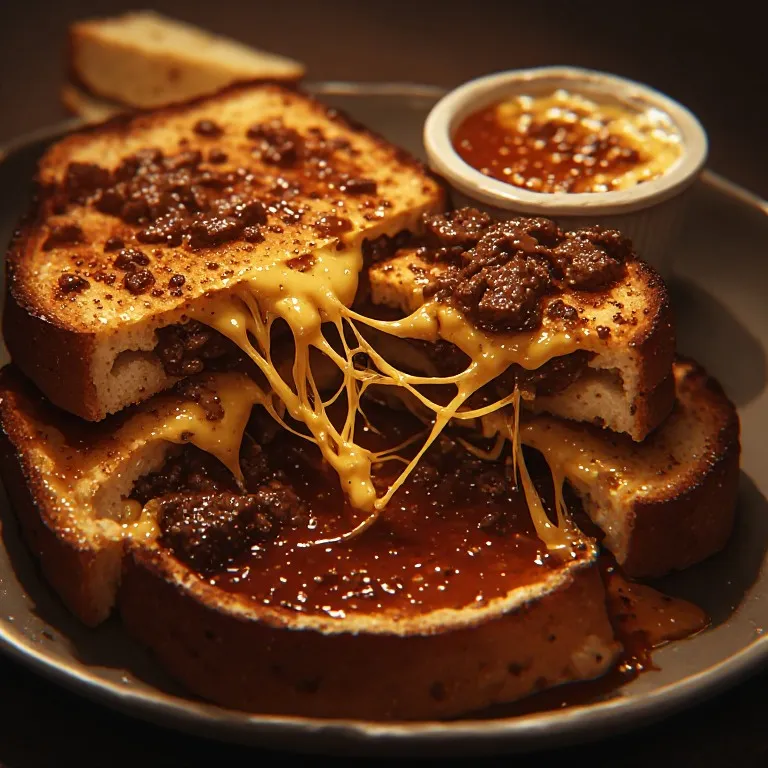
The dipping cup on the side is the second reason consommé works. A slice of birria pizza dipped into warm consommé before each bite has already been “sauced” once from baking, and the dip adds a second hit of the same profile. It’s a version of the quesabirria taco ritual — the crispy, cheese-filled taco dipped into consommé before every bite — adapted to a flat format. The experience only works because the base sauce and the dipping liquid taste like the same thing.
The Chile Fat Step: The One Thing Most Recipes Skip
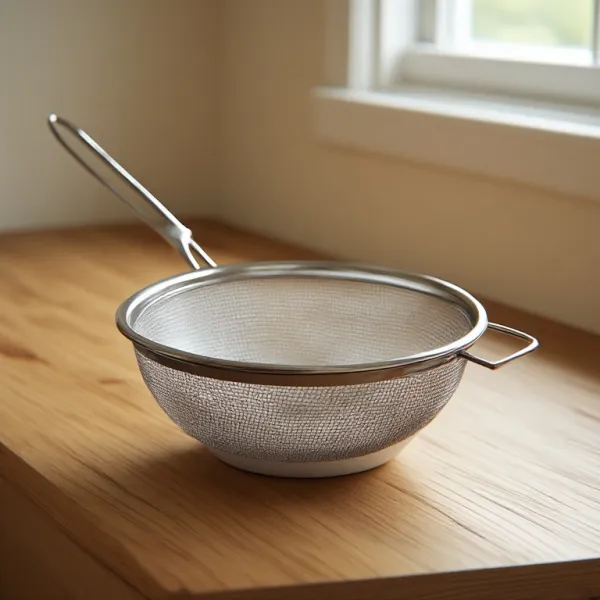
When you strain the birria consommé into a bowl, a layer of deep red-orange fat rises to the surface within minutes. This fat has been infusing in guajillo, ancho, and chile de árbol for three-plus hours. It carries every aromatic compound that evaporated from the chiles during the braise.
Most home recipes either stir this fat back into the consommé (where it gets lost) or skim it off and throw it away. The TikTok-famous birria pizza technique — borrowed from the LA taco trucks that pioneered this crossover — brushes it directly onto the raw dough before any toppings go on. Baked at 500°F, the fat renders into the bread, colors it rust-red, and delivers dried-chile flavor directly into the crust itself. The result is that every bite — crust-edge included — tastes like birria, not like bread.
You don’t need much: 2 tablespoons of fat for a 12-inch pizza. Skim it with a spoon immediately after straining while the fat layer is still clean and distinct. If the consommé cools in the refrigerator overnight, the fat solidifies into a solid orange disk on top and lifts off in one piece — arguably easier to manage than skimming from a hot liquid.
Double-Cheese Layering: Below the Meat and On Top
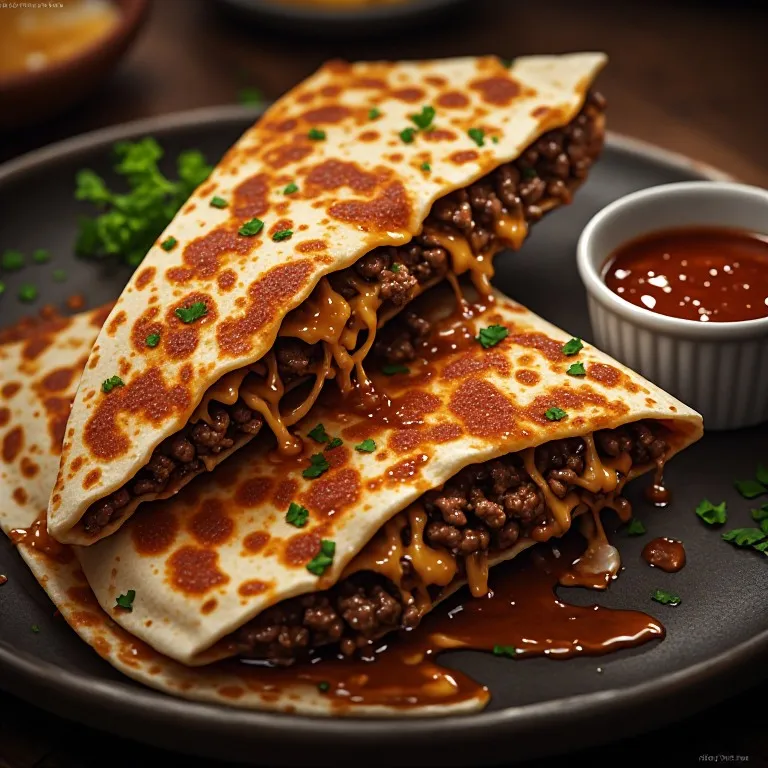
This technique comes directly from quesabirria tacos — the griddled birria taco with cheese on both inside faces of the tortilla, not just one. The logic is the same for pizza: cheese layered under the birria before assembly melts into the consommé sauce during baking, binding the toppings to the crust and creating a cheese-sauce layer at the bottom. Cheese layered on top creates the stretchy, pull-y surface. The two layers merge at the edges where the birria doesn’t reach, giving you a crispy, cheesy border on every slice.
Use 4 oz below the birria and 4 oz on top. If you put all 8 oz on top, the bottom of the pizza is dry and the toppings are loosely bonded — a slice that falls apart when lifted. If you put all the cheese under the birria, the top is matte and pale. Both layers matter.
Making It on a Weeknight (the Leftover Birria Approach)
The birria braise is a 3.5-hour project — mostly unattended, but front-loaded. The practical weeknight approach is to braise a full batch of traditional birria on Sunday (takes roughly 4 hours including prep) and refrigerate the beef and consommé separately. The birria keeps 5 days in the refrigerator and 3 months in the freezer.
On a weeknight, pull the cold consommé from the fridge: the fat solidifies on top overnight and lifts off in one piece. Scoop 2 tablespoons for the crust. Warm the remaining consommé in a small pot. Stretch the pizza dough. The whole assembly-to-table sequence takes under 30 minutes.
This is exactly the pattern that made birria pizza go viral: people who already had leftover birria from taco night realized they had everything they needed for a completely different meal. The pizza is as much a technique for leftover utilization as it is a standalone recipe — and it’s better for it. Birria that’s had 24 hours in the refrigerator has tighter, more sliceable texture and a more concentrated consommé than freshly made.