Pin It

Copycat Chipotle Queso Birria Bowl

Copycat Chipotle Queso Birria Bowl
Jump to Recipe
Prep 30 min (plus 25 min chile soak) Cook 3 hours 30 min Serves 4
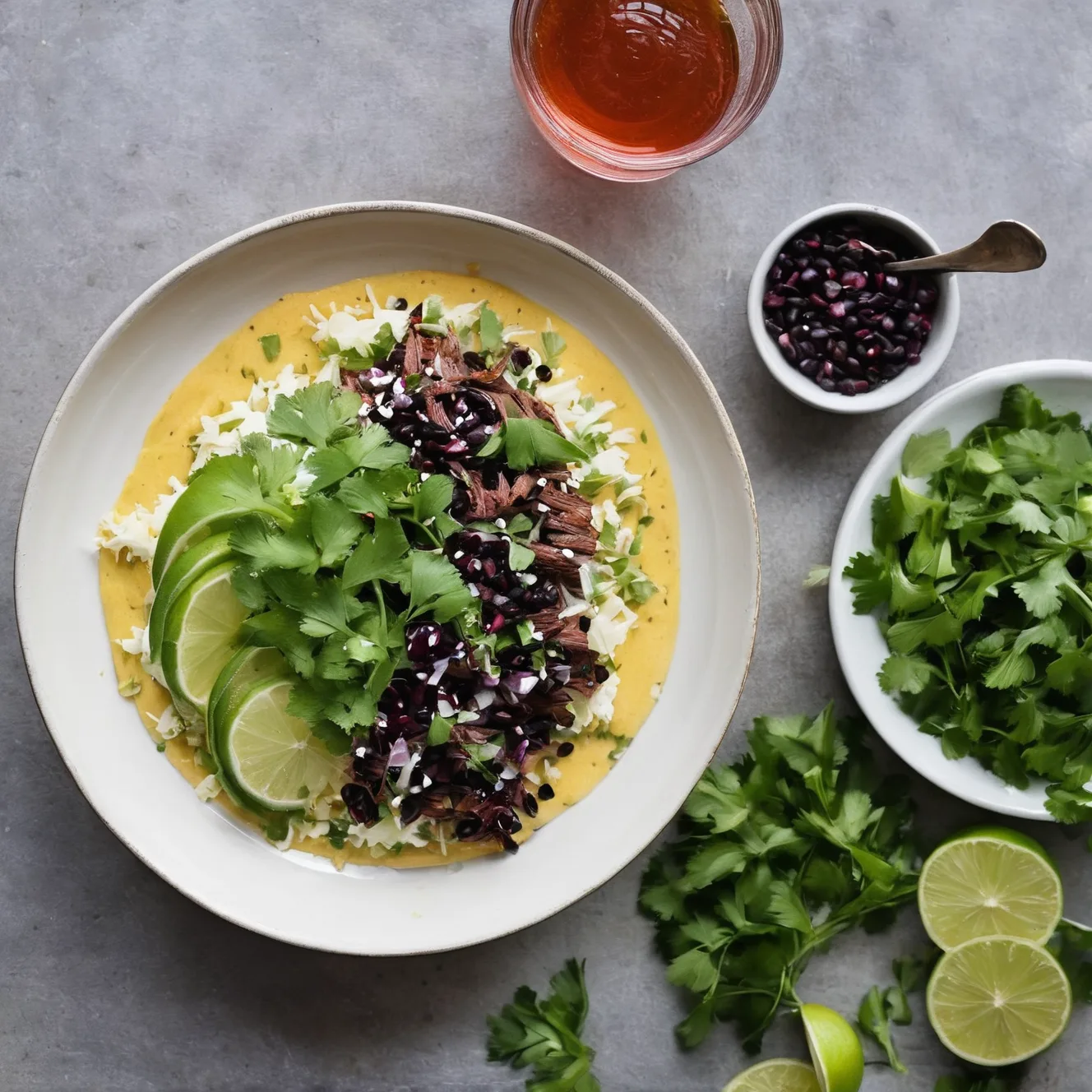
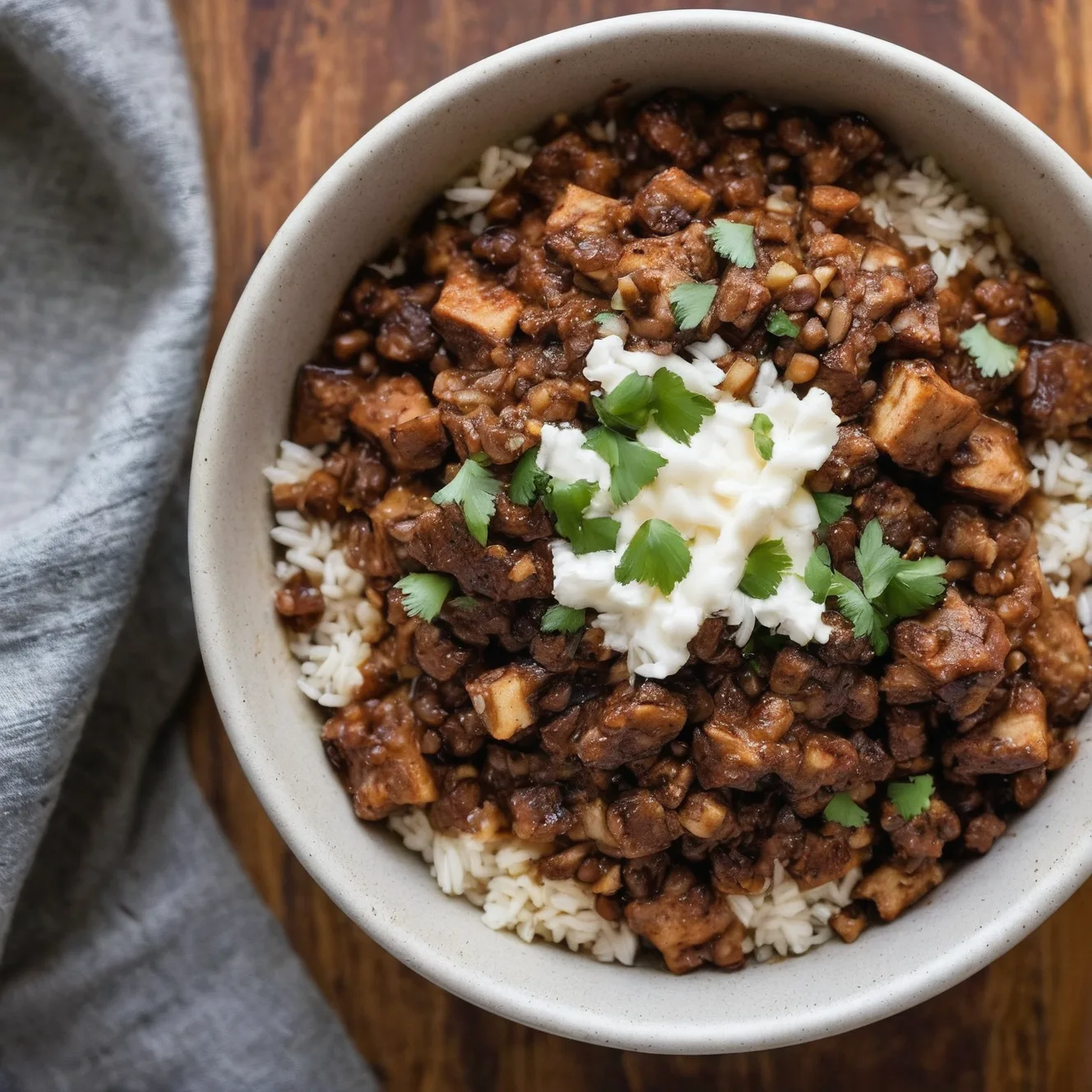
Quick answer: The Chipotle Queso Birria Bowl is not an official Chipotle menu item — it's a viral TikTok hack where customers order a barbacoa bowl with extra queso blanco drizzled over it to mimic the birria-queso experience. At home, the better version is a real birria de res: beef chuck slow-braised in a guajillo-and-ancho chile adobo, served over cilantro-lime rice with black beans and corn salsa, Queso Blanco drizzled on top, and the strained consomé (braising broth) in a small cup on the side for dipping. The consomé component — which Chipotle cannot replicate — is what makes the home version genuinely superior.

Copycat Chipotle Queso Birria Bowl

The viral Chipotle Queso Birria Bowl isn't an official menu item — it's a TikTok hack using barbacoa + queso blanco. This recipe shows both: the Chipotle order trick and the home birria de res version with real consomé for dipping, which is significantly better than either.

Medium Prep: 30 min (plus 25 min chile soak) Cook: 3 hours 30 min Total: 4h 0m4 servings ~$4.50/serving
Prep30 min (plus 25 min chile soak)
Cook3 hours 30 min
Total4h 0m
Servings
4
At home~$4.50/serving
vs
Restaurant~$20.25/serving
You save ~78%

Ingredients

Instructions

💡
Pro tip: This recipe tastes even better the next day. The flavors need time to meld together in the fridge.
❄️
Storage: Keeps in an airtight container in the fridge for up to 2 weeks. Freezer-friendly for up to 3 months.
~350-550 cal/serving · Rich & Indulgent🔥

The Story Behind the Recipe

The Chipotle Queso Birria Bowl is not on Chipotle’s menu. It’s a TikTok hack: order a barbacoa bowl, ask for extra queso blanco drizzled on top, and you get something that approximates the birria-queso experience that’s been all over social media. It works. But the home version in this recipe is better — meaningfully better — because of one component Chipotle cannot provide: the consomé.

The consomé is the strained braising broth from the birria. It’s an intensely flavored, slightly smoky, orange-red liquid that you pour into a small cup next to the bowl. Drizzle it over the rice and beef as you eat, or sip it between bites. When it hits the queso blanco and the chile beef together, the whole bowl changes register. No barbacoa bowl with queso blanco replicates that.

This recipe takes about 4 hours total (3 of them hands-off braising). A 3-pound chuck roast yields roughly 6 cups of shredded birria — enough to build four generous bowls now and still have beef and consomé left for tacos or ramen later in the week, which is why it’s built for batch cooking. The consomé, beef, and queso all refrigerate well and reheat without quality loss.

The TikTok Hack vs. The Real Thing

If you want the fast version:

Order at Chipotle: a barbacoa bowl with white rice, black beans, corn salsa, and ask for queso blanco drizzled over the top. Cost: about $13–15. The Chipotle Barbacoa recipe is as close as the chain gets to the birria flavor — its chipotle-pepper-and-clove profile has some overlap, even though it uses a very different chile base.

Make it at home: the full birria de res below, with real guajillo-and-ancho adobo, consomé, and the Queso Blanco recipe. Cost: under $30 for 4 generous bowls. No comparison.

The reason to make it at home is not price, though the math helps. It’s the dried-chile complexity of the adobo (which Chipotle doesn’t use), and the consomé, which is the distinguishing element of all birria — tacos, ramen, and bowls alike.

The Three-Chile Base

Birria’s flavor is built on dried chiles. This recipe uses three:

Guajillo chiles are the backbone — mild heat (2–4 on a 10-point scale), bright fruity flavor, vivid red color. They give birria its signature hue and the characteristic fruity depth that distinguishes it from generic braised beef. Non-negotiable.

Ancho chiles (dried poblanos) add earthy sweetness and body — think of them as the low, rounded note under the guajillo’s brightness. They prevent the sauce from reading as sharp or thin.

Chipotle peppers in adobo serve as a third chile in this recipe, replacing the pasilla or mulato that traditional recipes often call for. Canned chipotles add smokiness and connect the flavor to Chipotle’s world — a deliberate choice for a Chipotle-style bowl. The adobo sauce also adds tomato-based richness without a second produce item.

Toast the guajillos and anchos in a dry skillet before rehydrating. The 20–30 second toast deepens the flavor significantly — it’s the same step that makes the Chipotle al Pastor marinade distinctive compared to recipes that skip it.

Why the Sear Is Non-Negotiable

Most slow-cooked beef recipes say the sear is optional. For birria, it isn’t — and specifically, it isn’t because of the consomé.

When you properly crust the beef chunks before braising (3–4 minutes per side, medium-high heat, no crowding), the Maillard reaction creates flavor compounds in the crust that dissolve into the braising liquid. Seared beef produces a rich, complex consomé. Unseared beef produces a flat, pale broth.

The fond — the brown bits stuck to the Dutch oven after searing — also matters. When the chile sauce hits the hot pot, it deglazes those bits, adding an additional layer of depth to the consomé that’s impossible to replicate another way.

Pat the beef completely dry before searing. Wet beef steams and stays gray. Work in batches: crowding the pot drops the temperature and prevents crust formation.

The Consomé: What Chipotle Can’t Give You

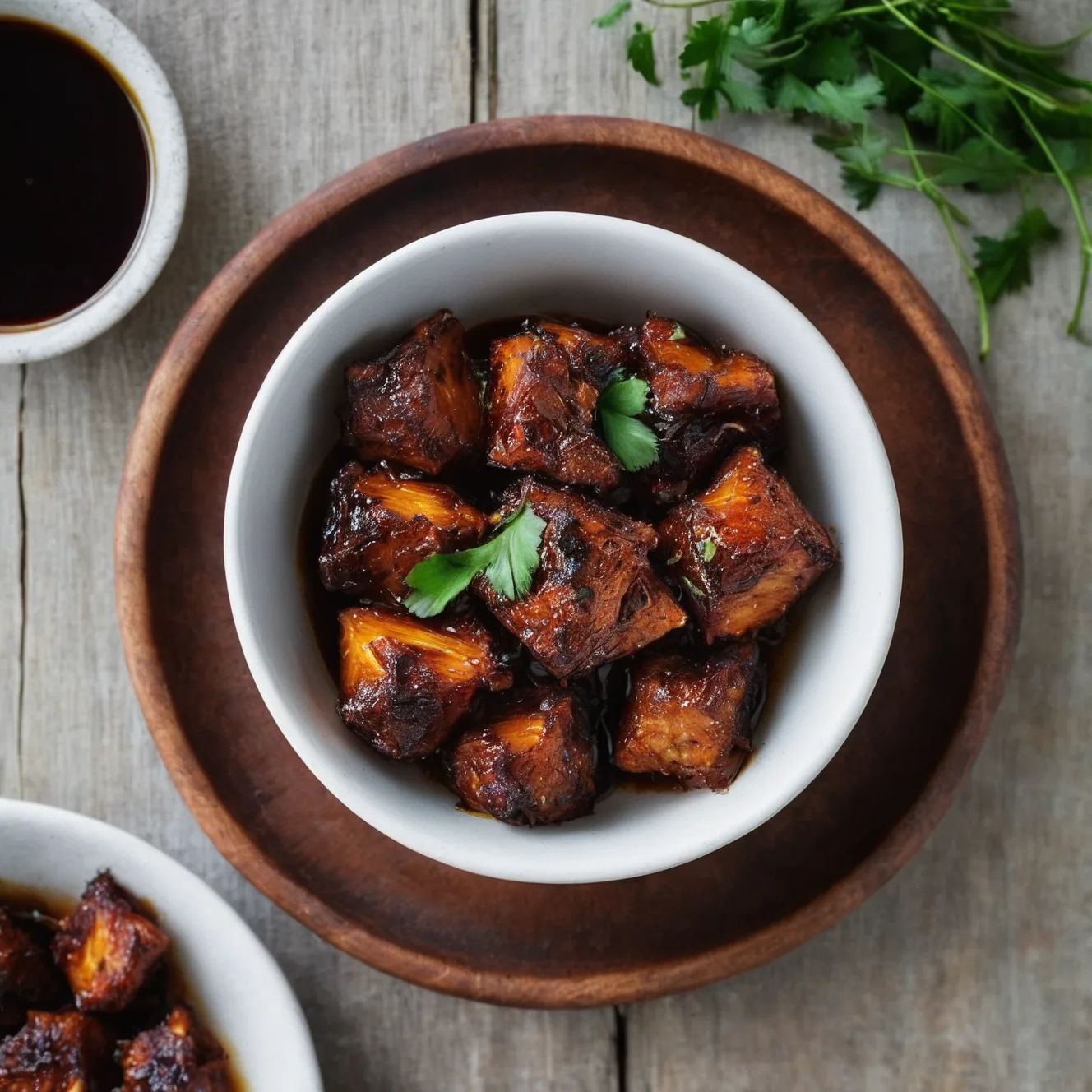
After the birria finishes braising, you strain the liquid and skim the fat. What’s left is the consomé — a clear, deeply flavored broth with the color and aromatic complexity of the dried chile adobo.

Pour it into small cups or shot glasses (2–3 tablespoons per person). Drizzle it over the bowl as you eat. The consomé enriches everything it touches: it soaks into the rice, cuts through the queso’s richness, and provides a liquid register that no dry bowl can replicate.

This is the defining element that separates birria from all other braised beef. Birria tacos dip corn tortillas in it before griddling. Quesabirria tacos use the fat layer for griddling the cheese tortillas. A birria ramen uses it as the soup base. In the bowl format, it’s a small cup on the side — but every bite is better when you use it.

After straining, skim the orange fat off the surface (or use a fat separator). Season with salt. The consomé keeps refrigerated for 5 days and frozen for 3 months — it only improves as it sits.

The Queso Blanco: Two Cheeses, One Reason

The Chipotle Queso Blanco recipe uses white American cheese and Monterey Jack. Both are necessary here:

  • White American cheese provides the emulsifying stability — its sodium citrate content keeps the sauce smooth under heat and as it cools. It will not break.
  • Monterey Jack provides the flavor complexity the American cheese alone can’t deliver — a slightly tangy, buttery quality that tastes like cheese rather than just processed smooth.

Add both in stages over the lowest heat you can manage. Never let the sauce boil. A tablespoon of warm milk fixes grainy queso if it breaks.

The queso goes on last, in a thin drizzle — not a thick pour. The contrast between the warm, creamy queso and the acid-cut birria consomé is the specific pairing that works here.

Bowl Assembly and What Order Matters

Warm bowls, warm components. The correct order:

  1. Rice — heat-holder for everything above it
  2. Black beans — warmed with cumin, on one side of the rice
  3. Birria beef — moistened with consomé, mounded on the other side
  4. Corn salsa — against the beef, for a temperature and textural contrast
  5. Pico de gallo — fresh and acidic, against the beans
  6. Queso Blanco — drizzled over beef and rice in a thin zigzag, last before serving
  7. Cilantro and lime on top
  8. Consomé cup on the side — 2–3 tablespoons

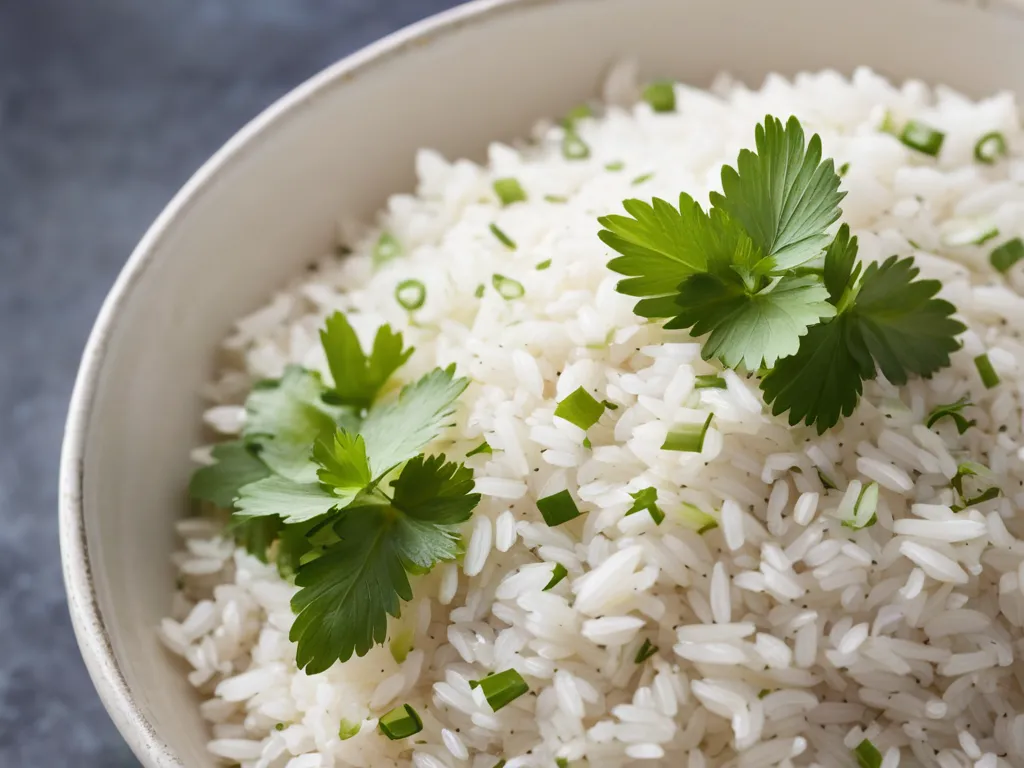
Use the Chipotle Cilantro-Lime Rice recipe for the base, and the Chipotle Corn Salsa for the corn layer. The Chipotle Burrito Bowl recipe covers the full bowl-building technique if you want to expand beyond this specific build.

Batch Cooking Notes

A 3-pound chuck roast makes roughly 6 cups of shredded birria plus plenty of consomé — enough to batch-cook once and eat four ways across the week:

DayFormat
Day 1–2Queso Birria Bowl (this recipe)
Day 3Birria tacos with remaining consomé for dipping
Day 4Birria ramen with consomé as soup base
Day 5Birria quesadillas

Store components separately. The beef reheats in a covered pan with a splash of consomé. The consomé reheats in a small saucepan. The queso reheats over low heat with a splash of milk.
Nutrition Facts

Per serving (4 servings)
Calories740
Total Fat38g
Total Carbs54g
Dietary Fiber9g
Sugars5g
Protein33g
Sodium1,200mg

* Estimated values based on standard recipe preparation. Actual values may vary.

🥗

Make It Healthier

Love Chipotle Queso Birria Bowl but want a lighter version? Try these simple swaps:

  • Trim visible fat from the chuck roast before braising — you still get the collagen richness that makes birria silky, with meaningfully less saturated fat and fewer calories in the consomé.
  • Use cauliflower rice instead of cilantro-lime rice to cut roughly 90 calories and 22g of carbs per bowl.
  • Reduce the Queso Blanco to 1 tablespoon per bowl instead of 2 — a thinner drizzle still delivers the full flavor contrast and saves about 85 calories.
  • Skip the black beans if you're watching carbs and double the pico de gallo instead — the tomatoes, onion, and lime add brightness with almost no calories.

Equipment You'll Need

Dutch oven or heavy pot (5–6 qt)

For searing the beef and the low-and-slow braise — a cast-iron Dutch oven gives the best fond and most even heat

Blender

For the dried chile sauce — blend on high for a full 2 minutes for the smoothest result

Fine mesh strainer

Essential for the consomé — strains out the chile skin and solids for a clear, restaurant-quality dipping broth

Medium saucepan

For the Queso Blanco (or reheating if made ahead)

Instant-read thermometer

Optional — birria beef is done at 200–205°F internal when it shreds with zero resistance

Frequently Asked Questions

Does Chipotle have birria on the menu?

No — as of 2026, Chipotle does not offer birria as an official protein. The 'Chipotle Queso Birria Bowl' is a viral TikTok customization, not a menu item. The hack works by ordering a barbacoa bowl (Chipotle's closest protein to traditional birria beef) and asking for extra queso blanco drizzled on top. Some TikTok creators also bring a homemade birria consomé in a small container to pour over the Chipotle bowl at the table — which is creative but impractical for most people. The home version in this recipe skips the workaround entirely and makes real birria that's better than either approach.

How is birria different from Chipotle's barbacoa?

Both are slow-braised, shredded beef, but the flavor profiles are meaningfully different. Chipotle's barbacoa uses chipotle peppers, cumin, cloves, oregano, and lime — it's smoky and savory with a strong chipotle-chile character. Traditional birria uses a multi-chile adobo of guajillo (fruity, mild), ancho (earthy-sweet), and often chipotle or morita, plus cinnamon and cloves in smaller amounts. The key distinction is the consomé: birria produces a rich, orange-red braising broth that's strained and served as a dipping sauce. Chipotle's barbacoa has no consomé component. The consomé is what makes birria feel like a complete, layered experience rather than just protein on rice.

What dried chiles are essential for birria and where do I find them?

Guajillo chiles are non-negotiable — they provide the bright red color, mild fruity heat, and the characteristic birria flavor. Ancho chiles (dried poblanos) add earthy sweetness and body. This recipe also uses chipotle peppers in adobo, which contribute smokiness and tie the dish to Chipotle's flavor world. Dried guajillos and anchos are at any Latin grocery store, in the Latin/international aisle at most large supermarkets, at Whole Foods (often in the bulk spice section), and widely available online. If you can't find ancho specifically, dried mulato or pasilla chiles are the closest substitutes — avoid generic 'dried chili peppers' with no varietal label, as the flavor is unpredictable.

Can I make this in a slow cooker or Instant Pot?

Yes to both. Slow cooker: after searing the beef and straining the blended chile sauce (do not skip either step), combine everything in the slow cooker with 1½ cups broth instead of 2 cups. Cook on LOW for 7–8 hours or HIGH for 4–5 hours. The consomé will be slightly less concentrated. Instant Pot: sear using the Sauté function, add the strained chile sauce and 2 cups broth, cook on High Pressure for 65 minutes, then natural release 15 minutes. Instant Pot results are excellent and cut the total time to under 2 hours. Strain and skim the consomé the same way regardless of method.

How do I prevent the Queso Blanco from breaking or getting grainy?

Two causes of broken queso: heat too high and adding cheese too fast. Keep the flame at medium-low or low throughout — never boil. Add the cheese in three additions, whisking until fully smooth before adding the next batch. White American cheese is the stabilizer: it contains sodium citrate, which acts as an emulsifier and keeps the sauce smooth. Monterey Jack alone would break under heat. If the queso does get grainy or thick, remove from heat and whisk in a tablespoon of warm milk to bring it back together.

How far ahead can I prep the components?

Birria beef: 4 days refrigerated, 3 months frozen. Reheat in a covered saucepan with a splash of consomé to remoisten. Consomé: 5 days refrigerated, 3 months frozen. Queso Blanco: 3 days refrigerated; reheat over low heat with a splash of milk, stirring constantly. Rice and beans: 4–5 days each. Only the pico de gallo should be made fresh — it gets watery after a day. Birria is one of the best batch-cook meals because the beef and consomé improve overnight as the flavors meld.

What can I do with leftover consomé?

Leftover consomé is genuinely one of the best cooking liquids you can have in your fridge. Use it: (1) as the dipping broth for quesabirria tacos the following day — the orange fat on the surface is what you dip the corn tortillas into before griddling; (2) as a flavored beef broth in rice, bean soups, or stews; (3) straight, heated and sipped from a mug, which is how it's traditionally consumed alongside birria tacos in Mexico; (4) as the base for a next-day birria ramen, adding ramen noodles and a soft-boiled egg. It keeps refrigerated for 5 days and freezes up to 3 months.

Love this recipe? Share it!

Shop the tools

Gear matched to this recipe's equipment list. We may earn a small commission if you buy through these links — at no extra cost to you.

As an Amazon Associate, Copycat Spices earns from qualifying purchases.

Free PDF: our 12 most-wanted copycat recipes — instant download.

Ratings & Reviews

No ratings yet

Rate this recipe

Click a star to rate

Leave a Review

0/500

CS

Copycat Spices Test Kitchen

Every recipe on Copycat Spices is developed and tested in our home test kitchen. We reverse-engineer beloved restaurant dishes and refine each one until the flavors and the instructions work reliably for home cooks of all skill levels.

Learn more about our mission →