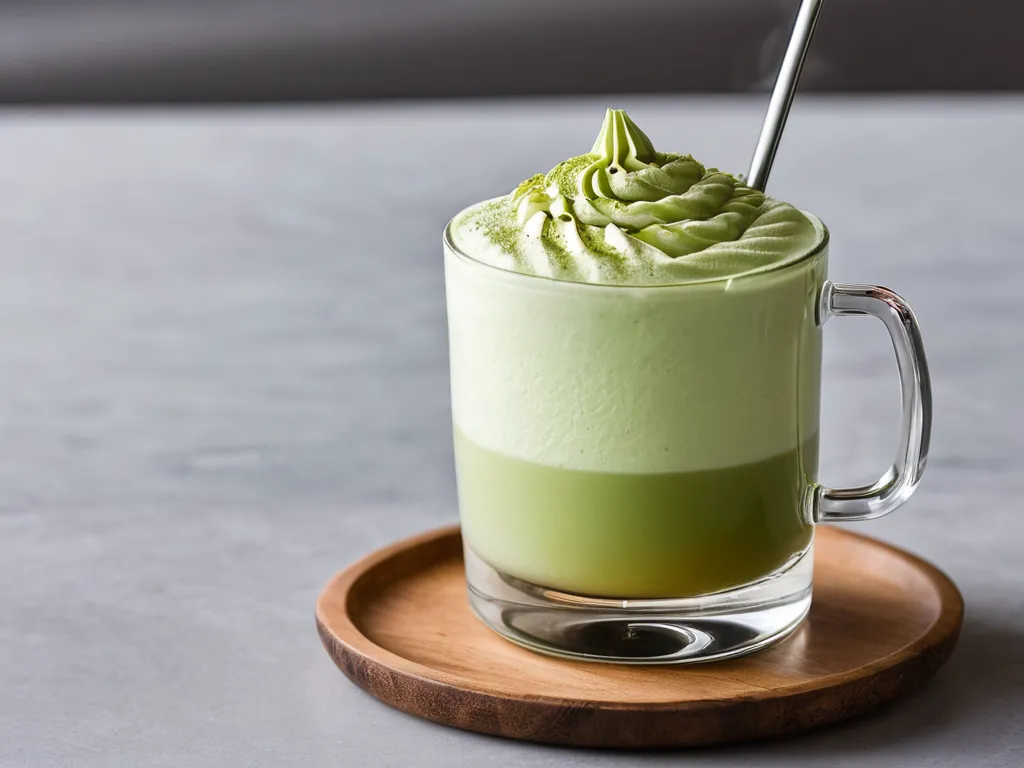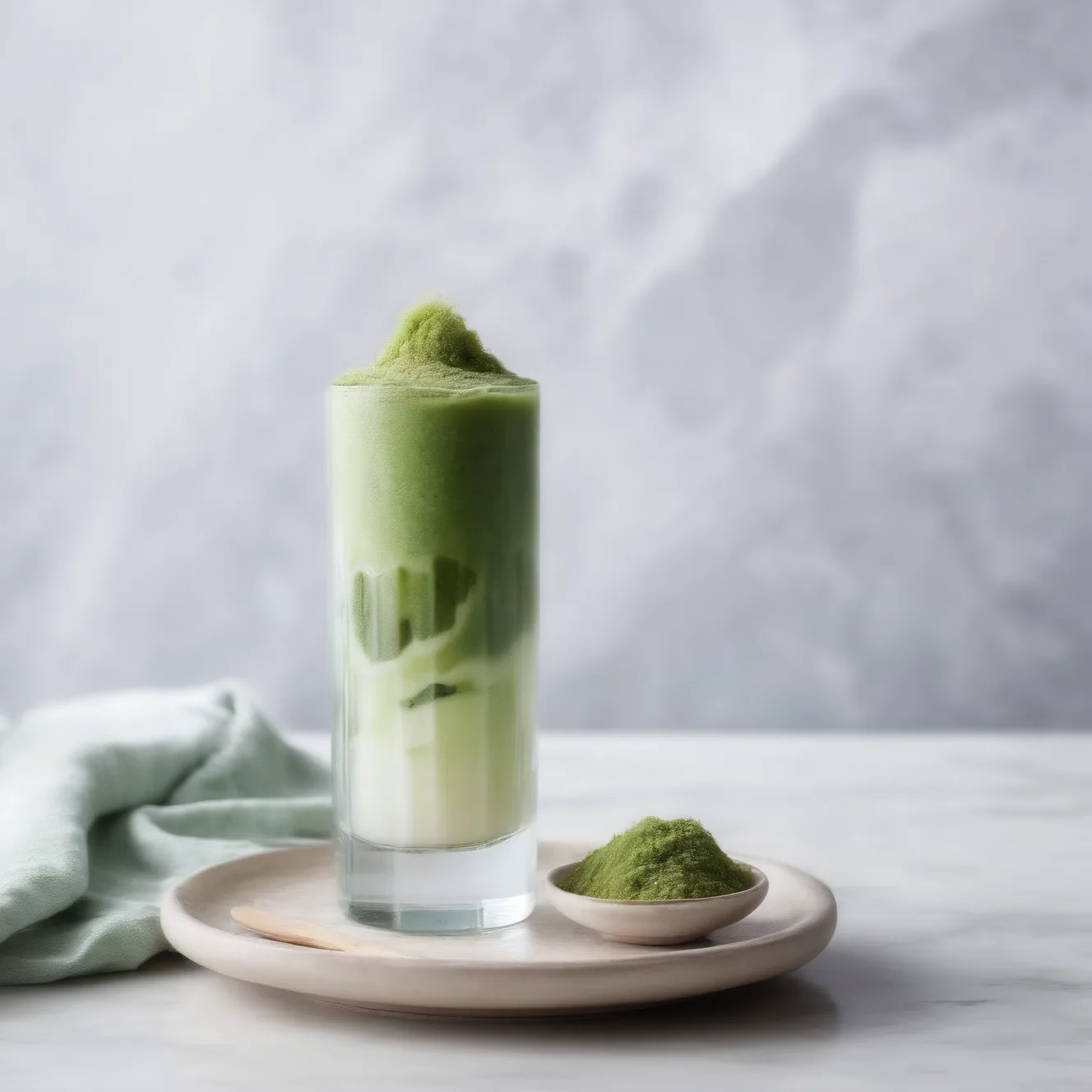


Blueberry Matcha Latte — The Two-Tone Drink TikTok Can’t Stop Making
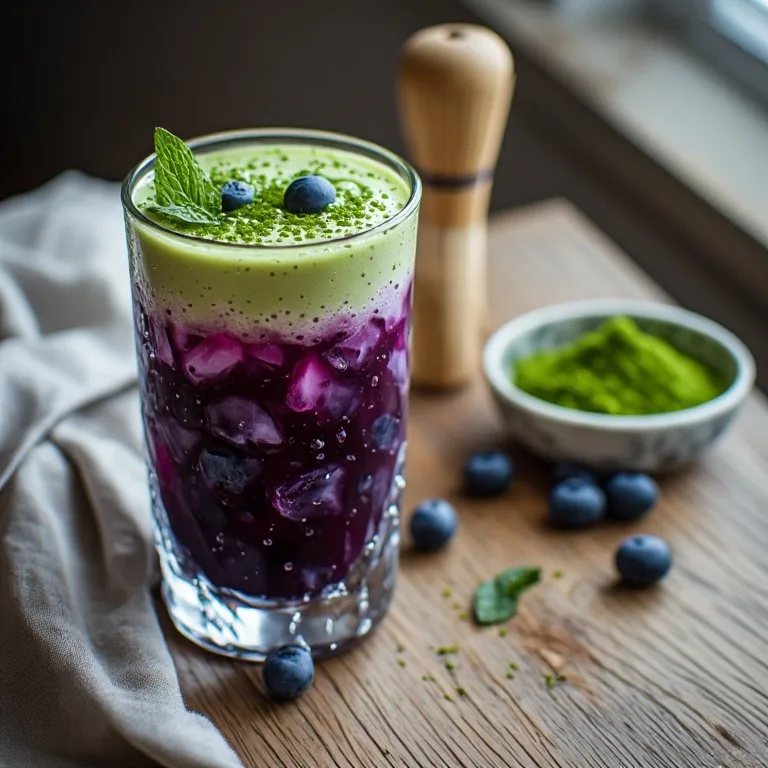
Purple on the bottom. Green on top. The blueberry matcha latte is, visually, one of the most striking drinks you can make at home — and unlike a lot of TikTok food trends, it actually tastes as good as it looks. Tart, jammy blueberry compote. Earthy, grassy ceremonial matcha. Creamy oat milk holding everything together. The flavors were made for each other.
Where This Trend Came From
The blueberry matcha combination has roots in Japanese-inspired cafes, where the balance of sweet-tart fruit and bitter matcha has been a flavor pairing for years. It went TikTok-mainstream around 2023 when creators discovered that the density difference between a thick berry compote and a whisked matcha-milk mixture creates a natural layering effect — no special equipment, no tricks. Just physics doing the work.
The drink hit a second wave in 2024 when Starbucks released a blueberry-lavender refresher and copycat creators started combining the blueberry aesthetic with their matcha latte recipes. By 2025, the blueberry matcha was a permanent fixture on cafe menus from New York to Los Angeles — often at $9 a glass.
The Matcha Question Everyone Gets Wrong
The single most common mistake in homemade matcha drinks is using culinary-grade matcha. Culinary matcha is made from older leaves harvested later in the season — it’s darker, more bitter, and designed to hold its flavor when baked into cookies or blended into smoothies. It does not make a pleasant latte.
Ceremonial-grade matcha uses young spring leaves (first flush), and it shows: brighter green color, grassy-sweet flavor, significantly less bitterness. Yes, it costs more — a good tin runs $20–35. But a tin lasts 30–50 drinks, putting your cost at about 60 cents a drink. The visual difference alone is worth it for this recipe, where the green-to-purple contrast is the whole point.
Water temperature also matters: 175°F, not boiling. Boiling water scorches matcha and makes it bitter. If you don’t have a thermometer, let boiled water sit for 3–4 minutes before using.
Getting the Layers Right
The purple-to-green layer effect is what makes this drink filmable, and it’s easier to achieve than most people think:
- The blueberry compote goes in first, directly on top of the ice. Its density and thickness anchor it to the bottom.
- The cold oat milk goes in next — poured relatively gently, it settles above the compote.
- The matcha gets poured last, slowly, over the back of a spoon. The spoon breaks the pour’s force so the matcha floats on top rather than plunging through.
Once you stir the drink, you lose the layers — but you gain the full flavor combination in every sip. Most people stir it for themselves and keep it layered for the photo. Both approaches are correct.
Three Variations Worth Trying
Lavender blueberry matcha: Add 1 teaspoon of culinary lavender to the blueberry compote while it simmers, then strain it out. The floral note connects the blueberry and matcha in a way that tastes genuinely expensive.
Blueberry matcha smoothie: Blend 1 cup frozen blueberries, 1 teaspoon matcha, 3/4 cup oat milk, 1 tablespoon honey, and 1/2 cup ice. No layering required — just a deeply purple-green smoothie that tastes like a good cafe drink.
Hot version: Make a larger batch of blueberry compote, stir 2 tablespoons into a mug, whisk matcha with 6 oz hot oat milk, pour over the compote, and stir gently. The hot version is more like a blueberry matcha mocha — the compote melts into the milk in the most comforting way possible.