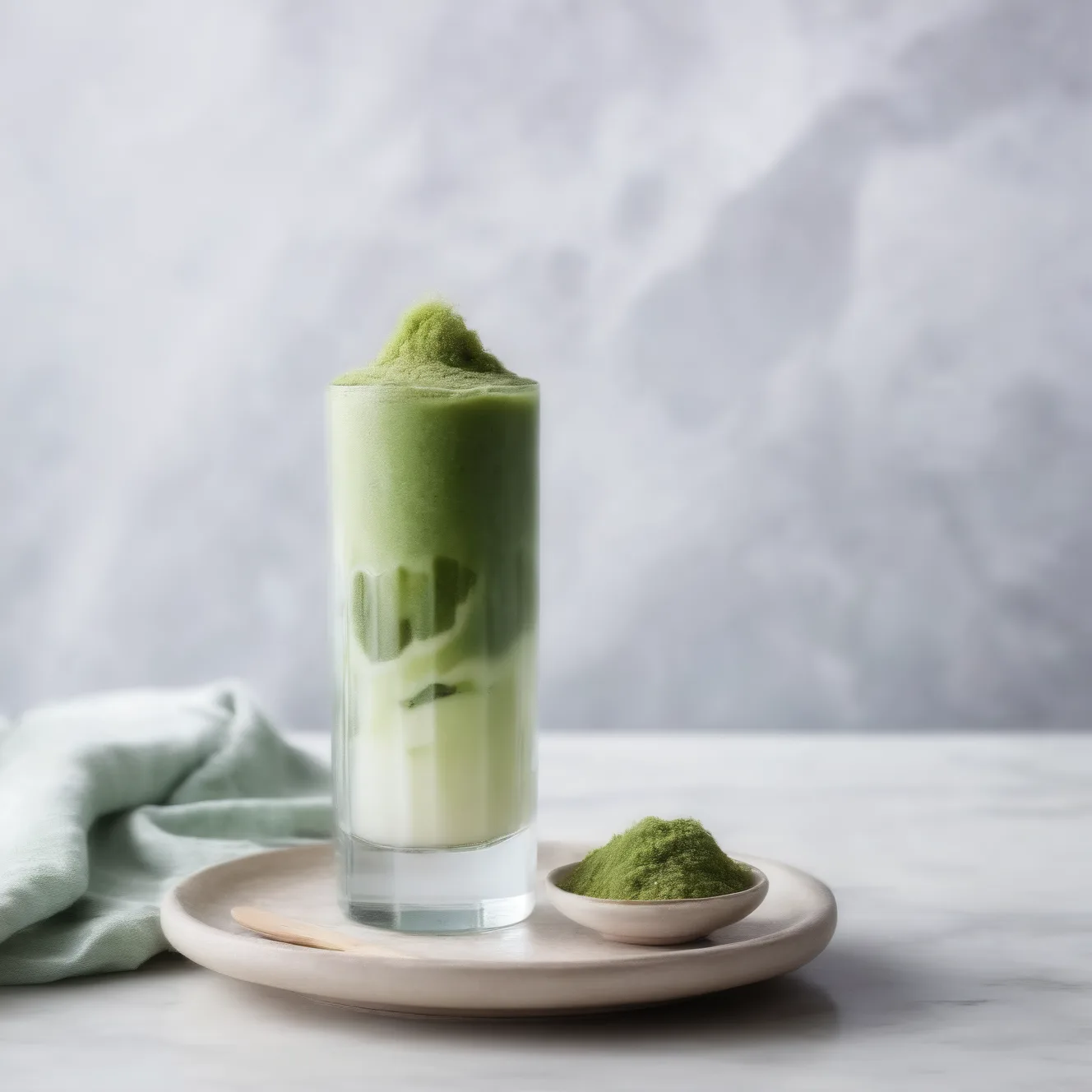
Iced Matcha Latte — The TikTok Green Drink
Matcha lattes exploded on TikTok not because they taste revolutionary — green tea in milk has existed for decades — but because the pour is visually spectacular. That electric green paste cascading through white milk and clear ice photographs and films beautifully. The trend accelerated around 2022–2023 with the “matcha girl” aesthetic: green drink, slick bun, oat milk, unhurried morning energy. What started as specialty café content became a stay-at-home DIY trend when people realized the drink cost $1.50 to make at home instead of $6.50 at a café.
TL;DR
- Sift matcha, bloom with 175°F water (not boiling), whisk smooth
- Use culinary-grade matcha for lattes — ceremonial grade’s delicate flavors disappear in milk
- Oat milk gives the best color contrast and creaminess
- The pour-over-milk technique creates the viral layered look
- Total cost: $1–1.50 per drink vs $5.50–7 at a café
The Most Important Rule: Don’t Boil the Water
This is the difference between a smooth matcha latte and a bitter, harsh one.
Boiling water (212°F) degrades L-theanine and catechins — the compounds responsible for matcha’s smooth, umami-forward character and the characteristic calm-focus it produces. What you get instead is a sharp, astringent drink that tastes punishing.
Target temperature: 165–175°F. Two ways to get there:
- Boil the water, then let it sit off the heat for 60–90 seconds (this lands around 170–175°F at sea level)
- Use a thermometer-equipped kettle set to 175°F (the most consistent method)
The 175°F recommendation is consistent across Japanese tea ceremony guidance and appears in everything from Starbucks’ current matcha training materials to the instructions on premium matcha tins.
The Grade Debate: Ceremonial vs. Culinary
Most beginner guides say to use ceremonial-grade matcha. For lattes, this advice is wrong.
Ceremonial grade matcha is made from the youngest, most carefully shade-grown first-flush leaves. It’s designed to be whisked with just hot water and consumed on its own — the delicate umami sweetness and subtle flavor notes are what you’re paying $25–40 per tin for. When you pour that matcha into oat milk with a tablespoon of simple syrup, every nuance disappears.
Culinary grade matcha is made from more mature leaves, is slightly more robust and bitter, and costs $8–15 per tin. In a milk-based drink, those traits become advantages: the stronger flavor holds up to sweetener and dilution, the more intense green color survives the milk, and you’re not being precious about each teaspoon you use.
The one real quality caveat: avoid the cheapest culinary matcha (usually bright-yellow-green or olive-green in color, with a muddy or grass-clipping flavor). A mid-range culinary grade from a reputable brand is the sweet spot — noticeably better than cheap and comparable to expensive ceremonial in a drink.
If you want to drink matcha the traditional way — plain, with just hot water — use ceremonial grade. For lattes, save your money.
Milk Comparison
| Milk | Texture | Color Contrast | Flavor | Notes |
|---|---|---|---|---|
| Barista oat milk | Creamy, rich | Strong white-to-green | Slightly sweet, neutral | Best all-around choice |
| Whole dairy milk | Creamy | Good | Clean, slightly sweet | Classic; good for non-dairy-free |
| Regular oat milk | Slightly thinner | Good | Slightly sweet | Fine if you can’t find barista style |
| Almond milk (unsweetened) | Thin, watery | Weaker | Neutral to slightly bitter | Workable; not ideal |
| Oat milk (sweetened) | Normal | Good | Sweeter | Reduces or eliminates need for added sweetener |
| Coconut milk | Very rich, thick | Weaker | Tropical note | Competes with matcha flavor |
Barista-style oat milk (Oatly Barista, Califia Farms Barista, Minor Figures) is heavier and creamier than regular oat milk because of the added oil, which gives a better mouthfeel without heating.
The Layering Technique
The viral TikTok pour is simple: once your matcha paste is ready and your glass is filled with ice and milk, pour the matcha over the back of a spoon held just above the surface of the milk. This slows the pour and lets the matcha float momentarily on top of the milk before it starts to cloud down through the glass.
An alternative: pour from height — hold the glass of matcha paste high and pour in a thin stream. The kinetic energy spreads it across the surface of the milk for a cloud-burst visual.
The effect lasts 5–10 seconds before the matcha starts mixing down. Film the pour, not the static drink.
Six Viral Variations
1. Brown Sugar Matcha Latte
Make brown sugar syrup: 1/4 cup brown sugar + 1/4 cup water, heat until dissolved, cool. Substitute brown sugar syrup for simple syrup. The molasses note in brown sugar plays well against matcha’s earthiness — noticeably richer than plain syrup. One of the most popular variations on TikTok.
2. Dirty Matcha Latte
Add a shot of espresso. Prepare the matcha paste normally, then stir in a single espresso shot before adding the milk. Total caffeine: ~135–145mg per drink (matcha ~70mg + espresso ~75mg). The flavor is polarizing — the contrast of matcha’s grassy vegetality against espresso’s dark roast bitterness is either interesting or chaotic depending on your palate. Good if you want a stronger caffeine hit than matcha alone provides (~70mg per 2 tsp).
3. Honey Matcha Latte
Replace simple syrup with raw honey (1–2 tsp). Add the honey to the warm matcha paste immediately after whisking — the warmth dissolves it fully. Honey adds a floral note that complements matcha’s umami character. Use lightly processed honey rather than ultra-filtered for the most flavor.
4. Vanilla Matcha Latte
Add ½ tsp of vanilla extract or 1 tablespoon of vanilla syrup to the matcha paste. Vanilla smooths the grassy edge of matcha for people who find straight matcha too vegetal. The Starbucks iced matcha latte uses this flavor profile (with their classic syrup, which is vanilla-forward).
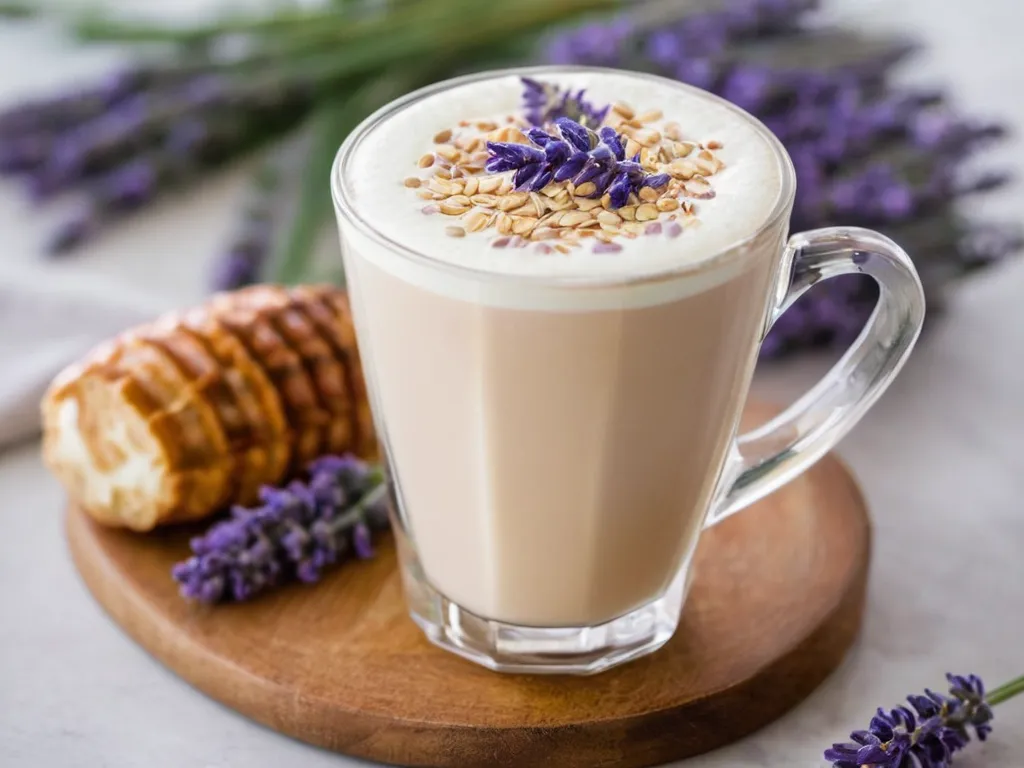
5. Lavender Matcha Latte
Add 1 tablespoon of lavender simple syrup to the matcha paste before the milk. Make lavender syrup by simmering 1/4 cup each sugar and water with 1 tablespoon dried culinary lavender for 5 minutes, then straining. Lavender’s floral note softens matcha’s vegetal edge — it’s a pairing that makes sense where most flavor additions don’t. This variation has grown sharply on TikTok in 2024–2025, particularly in spring content. Skip vanilla syrup when using lavender.
6. Hot Matcha Latte
Prepare the matcha paste with 175°F water as above, then heat 8 oz of milk to 150°F (don’t boil — it scalds) and froth until foamy. Pour the hot milk over the matcha paste and stir. If you have an espresso machine with a steam wand, use it for barista-level foam. This is the better format for cold days and for tasting the matcha character, since cold suppresses some flavor nuance.
Common Mistakes
Not sifting first. Matcha forms hard clumps on contact with liquid that no amount of whisking will fully break up. Sifting takes 15 seconds and makes a significant difference.
Using boiling water. See above — it turns the matcha harsh and degraded. This is the most common mistake and the most impactful fix.
Too much matcha. One teaspoon is a good starting point. Two teaspoons produces a stronger, more bitter drink. Three or more is intense and often unpleasant. New matcha drinkers frequently over-matcha trying to get a vivid green color — you don’t need more matcha, you need better matcha.
Using sweetener in the glass instead of the paste. If you drop honey or syrup into the ice-filled glass before adding the matcha, it sinks to the bottom and stays there. Add sweetener to the warm matcha paste while it’s still liquid so it integrates.
Buying cheap matcha. The cheapest culinary matcha powders are olive-green or dull yellow-green in color and taste muddy. The matcha-latte trend specifically depends on vivid green color — the visual is the point. Spend $10–15 on a mid-range culinary grade from a reputable brand and the color (and flavor) difference is immediately visible.
Cost Breakdown
| Component | Home | Café |
|---|---|---|
| Per drink | $1.00–1.50 | $5.50–7.00 |
| Matcha (1 tsp) | ~$0.40–0.80 | – |
| Oat milk (8 oz) | ~$0.40 | – |
| Sweetener | ~$0.10 | – |
A 30g tin of mid-range culinary matcha makes approximately 15–30 lattes depending on how much you use per drink.
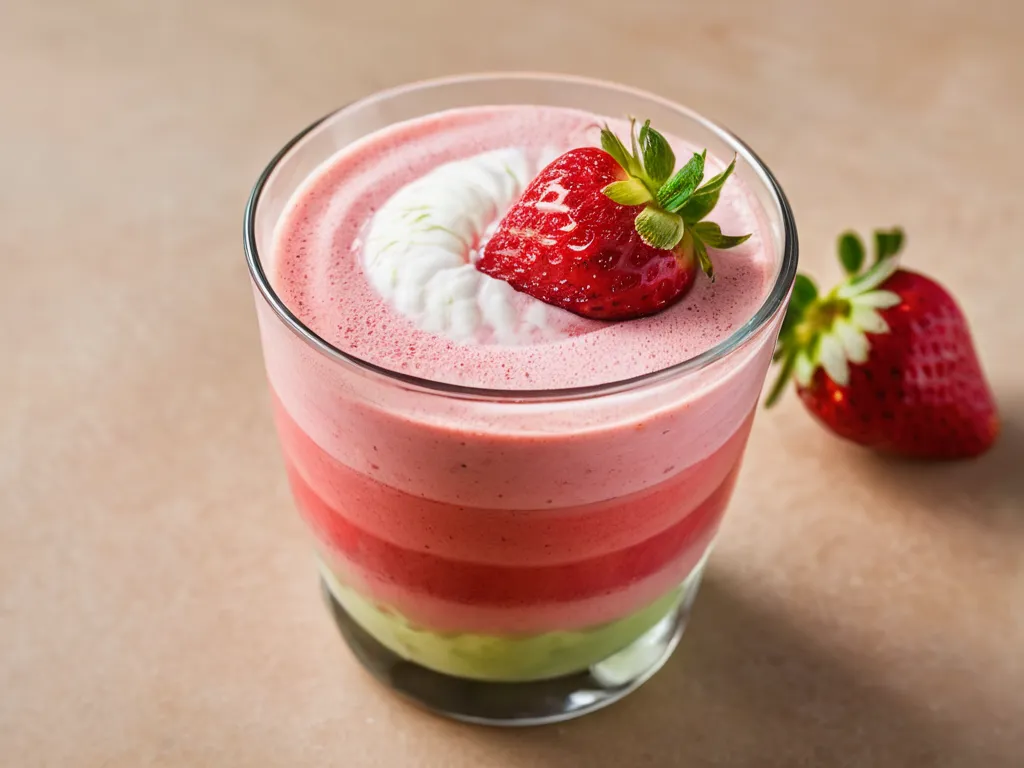
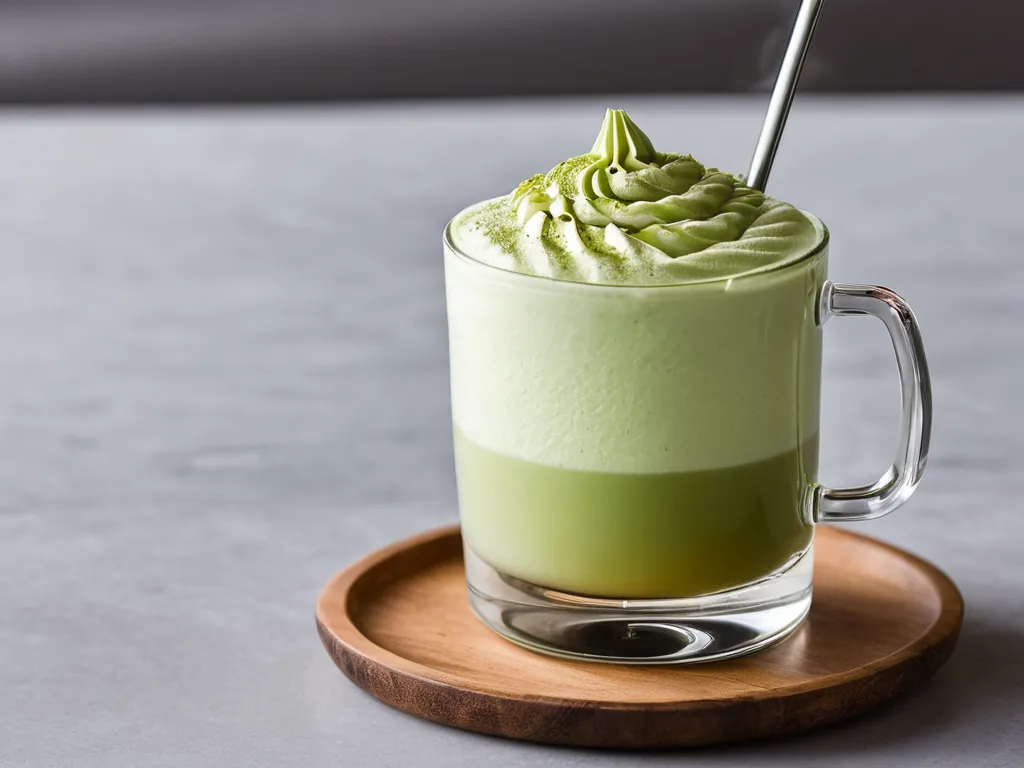
If you want the exact Starbucks version, see Copycat Starbucks Iced Matcha Latte — Starbucks switched to unsweetened matcha powder in early 2025, so the technique changed. For a layered strawberry version, see Viral Strawberry Matcha Latte. For the whipped cloud version, see Whipped Matcha.