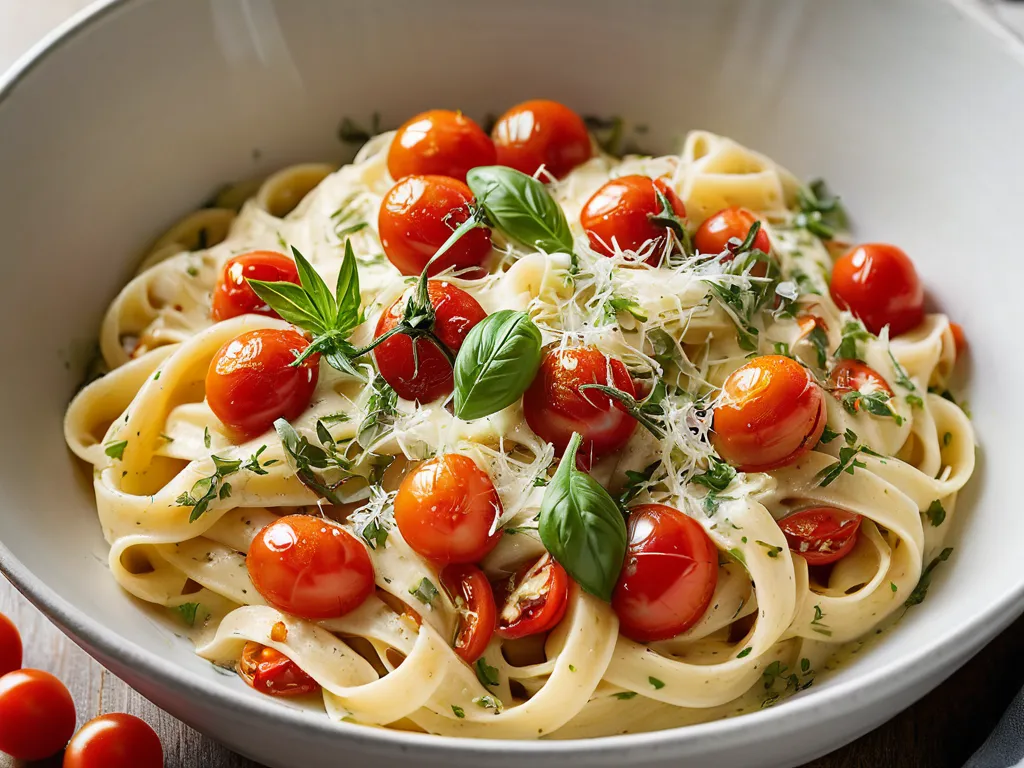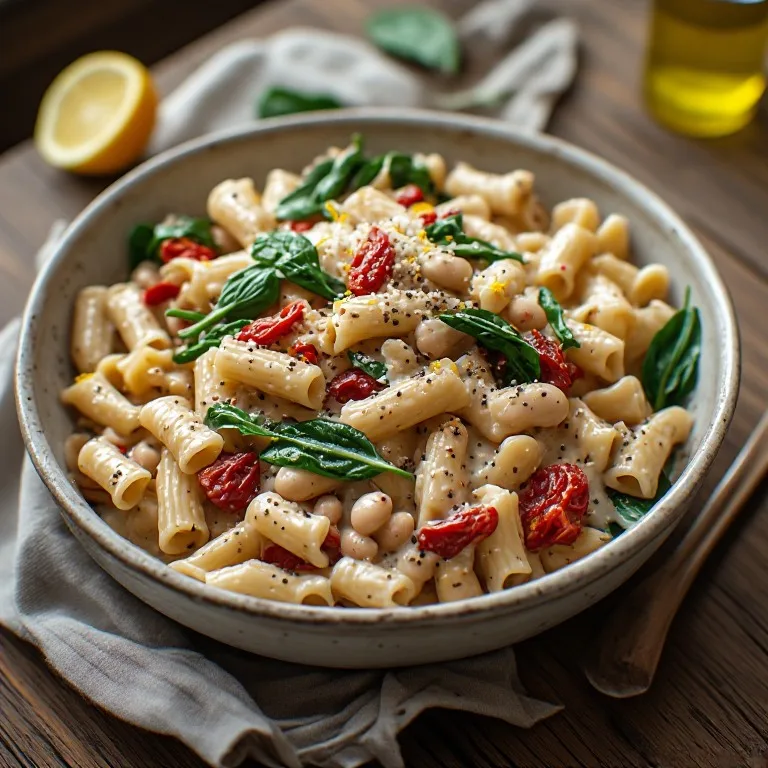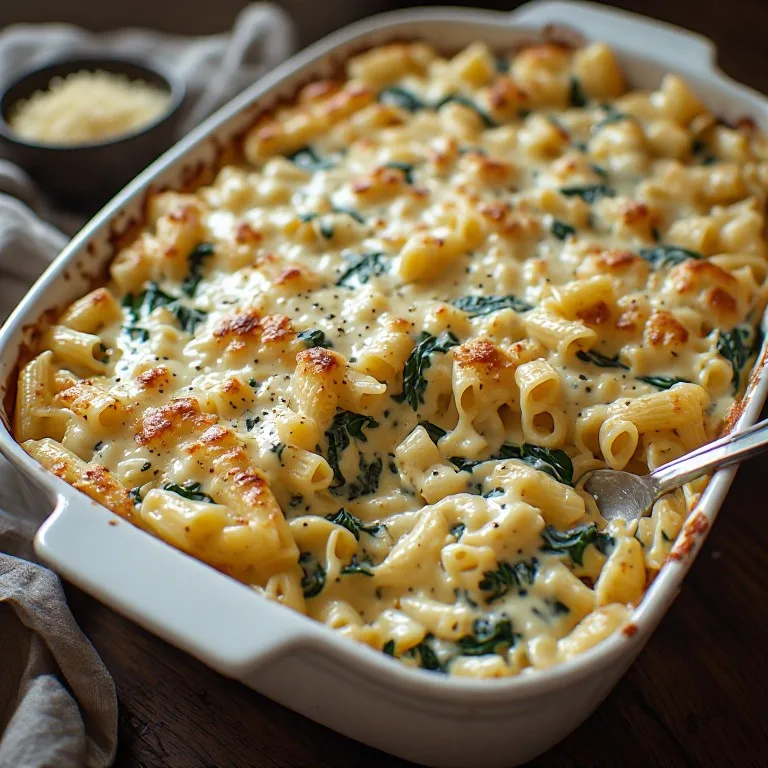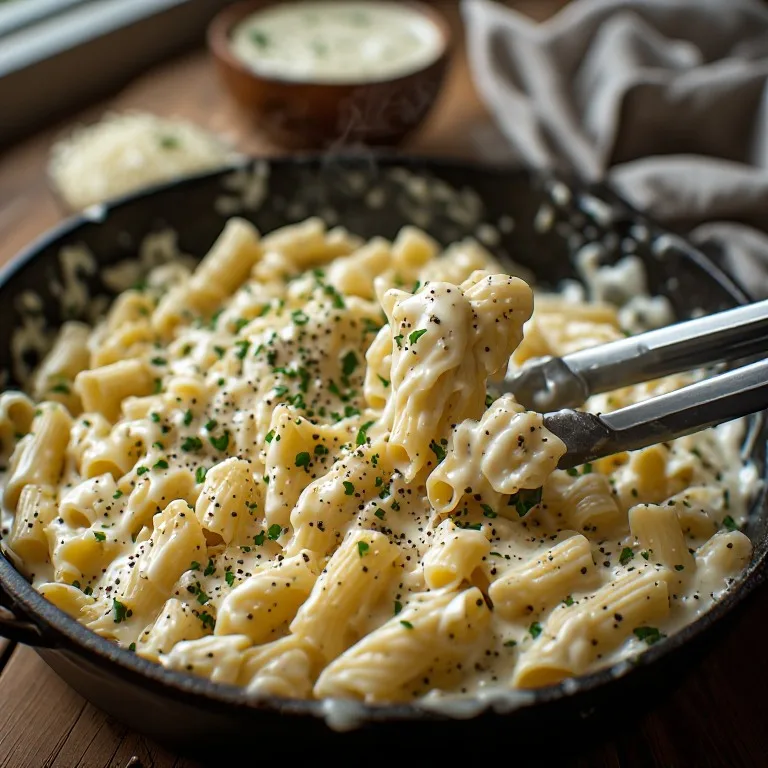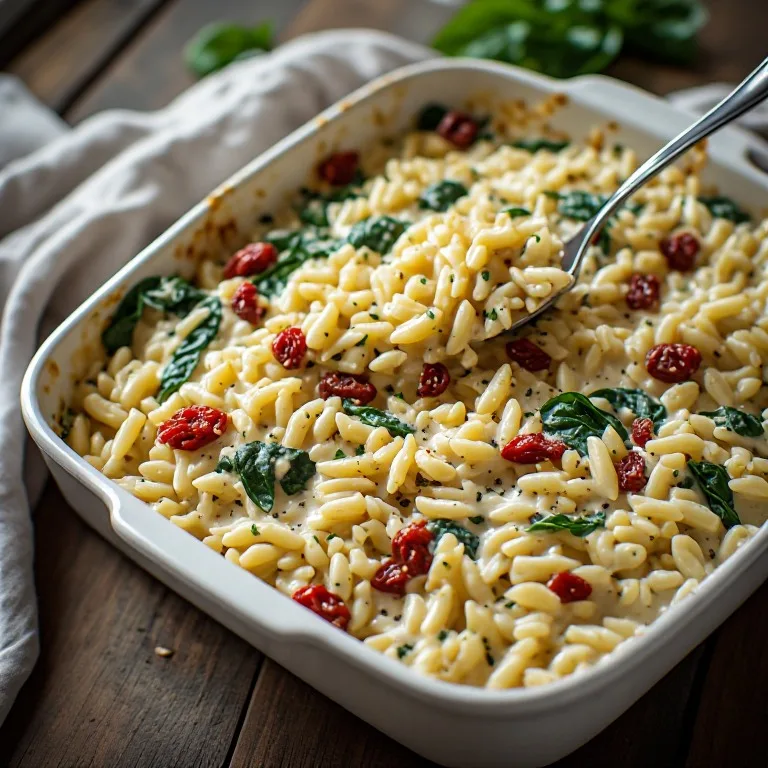



The viral TikTok Boursin orzo bake is a dump-and-bake where dry orzo, broth, sun-dried tomatoes, and a whole Boursin wheel go into a single dish and bake together at 425°F — no second pot, no draining, one dish start to finish. Creator @nutritionalsarah’s version topped 20 million views in late 2023, and the recipe has spawned hundreds of sausage, chicken, and vegetable variations since.
- 9×13 dish: Boursin wheel in center, 2 cups dry orzo scattered around, ¼ cup sun-dried tomatoes, 3 garlic cloves, olive oil, seasonings
- Pour in 3½ cups broth (measure it — precision matters here)
- Bake uncovered at 425°F for 28–30 minutes
- Stir vigorously to emulsify the melted Boursin into the orzo (takes 60–90 seconds)
- Fold in spinach, return to oven 3–4 minutes, rest 3 minutes
- Total time: 38 minutes, total dishes: one
What Makes This Different From Baked Boursin Pasta
The classic baked Boursin pasta bakes Boursin with cherry tomatoes, then tosses the melted sauce with separately boiled and drained pasta. It requires two vessels — one baking dish, one pot.
The orzo bake eliminates the pot entirely. Dry orzo goes directly into broth in the baking dish and cooks alongside the Boursin. As the orzo absorbs the liquid, the Boursin melts across the top. A single vigorous stir at the end folds them together. The orzo starch thickens the sauce the same way pasta water does in stovetop pasta — it’s built into the technique automatically because the orzo is cooking in the broth.
The result is closer to a baked risotto than a pasta dish: dense, pull-back creamy, and cohesive. The orzo fills the dish when dry, expands dramatically as it absorbs broth, and contracts slightly as it rests — the three-minute rest after baking is not optional, it’s what takes it from slightly soupy to properly set.
The One Number That Matters: 3½ Cups Broth
Every variable in this recipe has wiggle room except the broth amount. Orzo absorbs its cooking liquid at a fixed rate — too little and the top layer scorches and turns hard before the bottom cooks through; too much and the dish never sets, staying soup-like even after resting.
The correct ratio for 2 cups of dry orzo baked at 425°F in a standard 9×13 ceramic dish is 3½ cups. Some creators use 4 cups; this produces a wetter result that needs longer rest time. In a darker or thinner metal baking pan that conducts heat more aggressively, 3½ cups is right. Use a liquid measuring cup — eyeballing a half-cup is how you ruin the dish.
The Boursin Stir: Why It Takes 90 Seconds
When you pull the dish from the oven, the melted Boursin is sitting in creamy pools on top of the orzo. It looks like it’s done. It isn’t — if you scoop now, you’ll get bites that are pure Boursin and bites that are plain orzo.
The stir is an emulsification step. The Boursin fat needs to be worked into the hot, starchy orzo-broth base. Use a silicone spatula or large spoon and stir in full circular motions, scraping the bottom and sides of the dish, for 60–90 seconds until the Boursin has fully disappeared into the orzo and everything looks uniformly cream-colored. This is the same motion as finishing a risotto — you’re incorporating fat into a starchy base while everything is hot enough to stay fluid.
Taste it here, before adding the spinach. Broth sodium varies widely — some brands make this dish plenty salty without added salt, others leave it flat. Adjust here, not at the table.
Protein Variations
Italian sausage (the most popular): Brown 12 oz Italian sausage, crumbled, in a skillet and drain the fat. Scatter over the orzo before adding the broth. Everything bakes together; the sausage seasons the broth as it finishes cooking.
Chicken thighs: Place 1–1.5 lbs of boneless skinless chicken thighs directly on top of the assembled orzo (not submerged in it). Bake at 425°F for 30–35 minutes until chicken reaches 165°F. Pull the chicken out, slice or shred it, complete the orzo stir and spinach step, fold the chicken back in.
Shrimp: Add after baking, not during — the orzo’s 30-minute bake time is too long for shrimp. Fold raw medium shrimp (peeled, deveined) into the stirred-orzo in the dish, return to the 425°F oven for 5–8 minutes until the shrimp just turns pink and opaque.
White beans: One can (15 oz) of drained cannellini beans, scattered with the orzo, adds fiber and protein without changing the technique. Particularly good in the vegetarian version.
Vegetable Add-Ins That Work
Add these before baking (they cook with the orzo):
- Baby bell peppers, halved lengthwise
- Cherry tomatoes (swap for or supplement sun-dried)
- Broccoli florets cut very small (larger pieces don’t cook through in time)
- Halved artichoke hearts from a jar, drained
Add after baking (fold in with the spinach):
- Fresh basil, torn
- Arugula (less wilted-looking than spinach)
- Lemon zest + squeeze (brightens the richness immediately — highly recommended)
- Burrata, broken over the top while the dish is still steaming
Common Mistakes
Not stirring long enough. The Boursin has to be fully worked into the orzo. Thirty-second stir = you’ll see cream pockets. Sixty-to-ninety-second stir = uniformly creamy. The difference is significant enough that you’ll know immediately which one you did.
Skipping the rest. The orzo looks soupy right out of the oven and is not done resting. Three minutes is enough for the residual starch to finish thickening the liquid. Skip the rest and serve immediately and you’re eating a wet dish.
Using Boursin straight from the fridge. A cold wheel takes longer to melt and can develop unappealing firm patches. Set it on the counter for 10–15 minutes before assembling the dish.
Using an undersized dish. Dry orzo looks like it fits with room to spare — it expands substantially. A 9×13 deep-sided baking dish or a 3-quart casserole is the minimum. A shallow 2-quart dish bubbles over.
Make-Ahead and Storage
Make-ahead: Assemble the dry dish (Boursin, dry orzo, sun-dried tomatoes, garlic, seasonings) without the broth. Cover and refrigerate up to 24 hours. Add broth and bake when ready. Do not add broth ahead of time — dry orzo in liquid overnight absorbs unevenly and produces gummy, mushy results.
Leftovers: Refrigerate covered up to 3 days. The orzo continues absorbing moisture as it sits and will be thick and set when cold. To reheat: add 2–3 tablespoons of broth or water per serving, cover with foil, microwave at 70% power with one stir halfway through, or reheat in a 350°F oven for 12–15 minutes covered. The spinach loses its color but the flavor remains strong.
Freezing: Not recommended. Orzo freezes poorly — it becomes grainy and waterlogged on thaw.
Cost Breakdown
| Item | Approximate cost |
|---|---|
| Boursin Garlic & Fine Herbs (5.2 oz) | $5–8 |
| Dry orzo (1 lb bag, use half) | $2–3 |
| Low-sodium broth (32 oz carton) | $2–3 |
| Sun-dried tomatoes (jar, use ¼ cup) | $1–2 |
| Baby spinach (5 oz bag) | $3–4 |
| Garlic, olive oil, seasonings | ~$1 |
| Total (4 servings) | ~$14–21 |
| Per serving | ~$3.50–5.25 |
A comparable baked orzo at an Italian restaurant runs $22–30. The only specialty cost at home is the Boursin wheel — everything else is pantry and produce-section staples.
If you’re working through the baked-Boursin catalog, the Boursin chicken and the classic baked Boursin pasta use the same wheel-in-a-dish technique in different directions. For a heartier fall soup in the same flavor family, the tomato tortellini soup uses a similar one-pot approach.