

Pin It

Viral TikTok Creamy Tuscan White Bean Pasta (High-Protein, No Cream)

Viral TikTok Creamy Tuscan White Bean Pasta (High-Protein, No Cream)
Jump to Recipe
Prep 5 min Cook 20 min Serves 4
Quick answer: Boil 12 oz of pasta in heavily salted water and scoop out 1.5 cups of pasta water before draining — this is non-negotiable. While the pasta cooks, sauté 4 minced garlic cloves in 2 tablespoons of olive oil over medium heat for 60 seconds. Pour the garlic and oil into a blender with one drained 15-oz can of cannellini beans, 3/4 cup of the hot pasta water, 1 tablespoon of lemon juice, 1/2 teaspoon of Italian seasoning, and 3/4 teaspoon of kosher salt. Blend for 60 to 90 seconds until completely smooth — the sauce should pour like heavy cream. If it's too thick, add pasta water one tablespoon at a time. Drain the pasta and return it to the pot over low heat. Pour the bean sauce over the pasta and toss, adding splashes of reserved pasta water until the sauce coats every piece. Stir in 1/3 cup of chopped oil-packed sun-dried tomatoes and 3 oz of baby spinach; toss until the spinach wilts, about 2 minutes. Finish with lemon zest, black pepper, and red pepper flakes. Optional: freshly grated Parmesan to serve.

Shop the tools

Gear matched to this recipe. These are Amazon affiliate links — we may earn a small commission if you buy, at no extra cost to you.

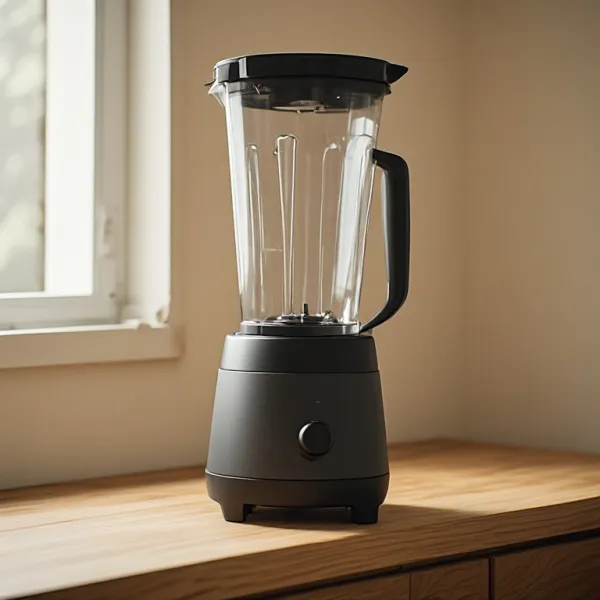
As an Amazon Associate, Copycat Spices earns from qualifying purchases. Product images are generic illustrations, not the exact item listed.

Viral TikTok Creamy Tuscan White Bean Pasta (High-Protein, No Cream)

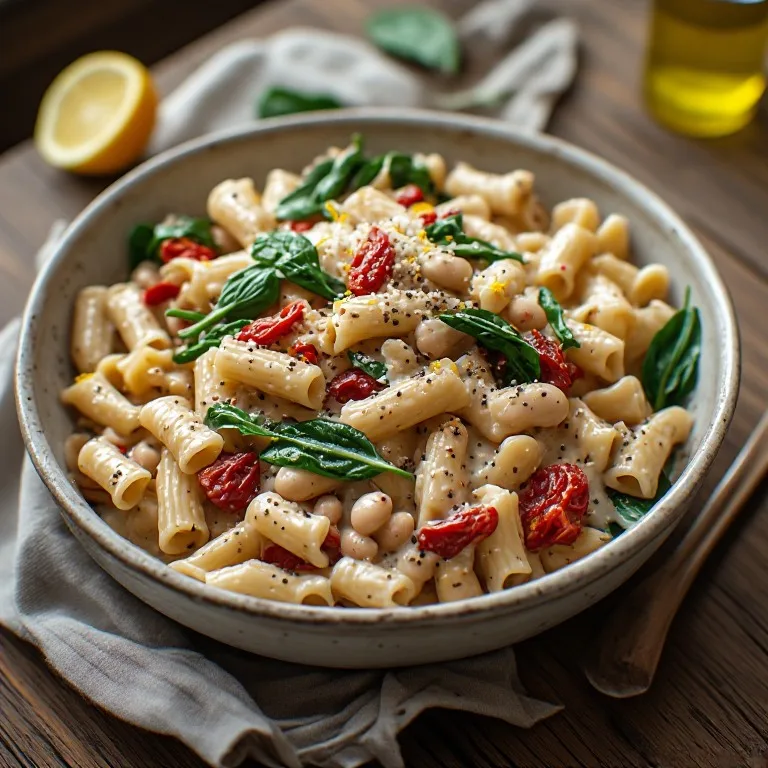
The FoodTok sauce that turns a $1 can of white beans into velvet: blend cannellini beans with hot pasta water and garlic until the mixture pours like heavy cream, then toss with pasta, sun-dried tomatoes, and spinach. No cream, no butter, 17g protein per serving.

Easy Prep: 5 min Cook: 20 min Total: 25 min4 servings ~$4.50/serving
Prep5 min
Cook20 min
Total25 min
Servings
4
At home~$4.50/serving
vs
Restaurant~$20.25/serving
You save ~78%

The Story Behind the Recipe

The FoodTok sauce that turns a $1 can of white beans into velvet: blend cannellini beans with hot pasta water and garlic until the mixture pours like heavy cream, then toss with pasta, sun-dried tomatoes, and spinach. No cream, no butter, 17g protein per serving.

Nutrition Facts

Per serving (4 servings)
Calories490
Total Fat10g
Total Carbs78g
Dietary Fiber6g
Sugars3g
Protein17g
Sodium540mg

* Estimated values based on standard recipe preparation. Actual values may vary.

Ingredients

  • Optional for serving

Instructions

💡
Pro tip: This recipe tastes even better the next day. The flavors need time to meld together in the fridge.
❄️
Storage: Keeps in an airtight container in the fridge for up to 2 weeks. Freezer-friendly for up to 3 months.
🎃 Free Halloween cookbook — download now The Copycat Halloween Cookbook A ready-made, photo-illustrated PDF of our best halloween copycat recipes — free to download, no building required. Pay what you want to support if you love it.

Free PDF — instant download. We'll also send new seasonal copycat recipes now and then; unsubscribe anytime. Or just download it →

Creamy Tuscan white bean pasta is one of the more quietly brilliant tricks circulating on FoodTok: a whole can of cannellini beans blended with hot pasta water and garlic produces a sauce that pours and coats like heavy cream, with none of the dairy fat and far more protein and fiber. One serving lands at about 490 calories with 17g of protein and 10g of fat — roughly half the fat of a comparable cream-and-Parmesan Tuscan pasta, at a fraction of the cost.

The visual payoff is the blender reveal — a pile of plain white beans and a cup of pasta water go in, and what comes out looks like poured béchamel. It has become one of those “I can’t believe this isn’t cream” moments that TikTok does well.

The TL;DR: salt your pasta water aggressively, scoop out 1.5 cups before draining, blend the beans with hot pasta water and sautéed garlic until completely smooth, toss the pasta in the bean sauce, fold in sun-dried tomatoes and spinach. Done in 20 minutes, one blender, one pot.

Why the Pasta Water Is Non-Negotiable

White bean sauce without pasta water becomes a paste, not a sauce. Hot water alone would thin it but leave it flat and prone to separating. What makes pasta water work as an emulsifier is the dissolved starch it picks up from the cooking pasta — those starch molecules bond with the bean starch, the olive oil, and the water into a cohesive, stable sauce that clings to noodles rather than pooling at the bottom of the bowl.

The temperature matters too. Cold water chills the bean starch and interrupts the emulsification. Scoop the pasta water while it is still actively boiling, or as soon as the pasta comes out of the pot. Set it on the counter while you blend — it will still be hot enough.

Measure more than you need. 1.5 cups sounds like a lot, and you may use only ¾ cup in the blender — but the rest will be essential for adjusting the sauce consistency once it hits the pasta. Keep it close until the dish is plated.

The Blend Has to Run Long

Sixty seconds minimum, 90 seconds if you are not sure. Cannellini beans have a dense, starchy interior that an immersion blender will leave slightly grainy — you can feel the tiny fragments against your tongue even after extended blending with a stick blender. A jar blender’s higher speed and enclosed chamber fully breaks down the cell walls.

The texture benchmark: the sauce should pour from the blender in a continuous, smooth stream — like heavy cream, not like applesauce or hummus. If it slides out in slow, thick chunks, it needs more pasta water (add 2 tablespoons, blend again) and more time.

The Tuscan Elements Do What They Are Supposed To

Oil-packed sun-dried tomatoes go in at the very end, after the spinach has wilted. They do not need to cook — heat makes them muddy and slightly bitter, while adding them off heat preserves their concentrated, tangy sweetness. That sweetness is the counterpoint to the neutral bean sauce: it gives the dish the flavor complexity that would otherwise need cheese or cream to achieve.

Baby spinach wilts in about 90 seconds of tossing in a hot pasta pot. It adds color, texture, iron, and a very mild bitterness that breaks up the richness of the bean sauce in the same way that lemon juice does — as a brightness contrast, not a flavor note you actively taste.

The lemon is the final step. Cannellini beans have a faintly earthy, mineral quality that flattens the dish if left uncorrected. A tablespoon of juice and a bit of zest brings everything into focus — the dish goes from bland-creamy to savory-creamy in a single stir.

How It Compares to Other White Bean Recipes

This is the sauce-forward version of Tuscan White Bean Soup, which keeps the beans whole in a brothy base. Here, every bean is blended smooth — completely different texture and purpose.

It is not Pasta e Fagioli, which is a soup with a spoonable broth and intact beans. This is a dry-tossed pasta dish with a coating sauce.

For other creamy pasta techniques: Boursin Pasta uses a different dump-and-melt approach with a cheese block; Baked Feta Pasta roasts everything in the oven before tossing. Creamy Lemon Pasta achieves its creaminess entirely from pasta water and Parmesan emulsified together. None of them use beans as the sauce base — this technique is its own lane.

If you are drawn to white beans as a main ingredient, Dense Bean Salad covers cannellini in a completely different format — cold, undressed, high-protein, a meal-prep staple.

The Four Failure Modes

1. Sauce is still thick and pasty, won’t coat the pasta. More pasta water, one tablespoon at a time, tossing hard between each addition. Different bean brands vary in dryness; some cans need significantly more water than others to reach pouring consistency. Never add plain cold tap water — it drops the pasta temperature and dilutes the starch emulsion. Only use the reserved hot pasta water.

2. Sauce tastes flat or earthy. Not enough lemon and not enough salt. Taste the blended sauce before tossing the pasta and season aggressively — it should taste slightly overseasoned on its own because the pasta will dilute it. Add the full 1 tablespoon of lemon juice in the blender, then check again after plating and add more zest or a fresh squeeze if it still reads flat.

3. Sauce seized and turned gluey. The pasta was over-hot when the bean sauce hit it, or the sauce went back on too-high heat. The bean starch can overcook just like a béchamel can — it thickens from creamy to pasty under prolonged heat. Toss the pasta off heat or on low heat only, and add pasta water immediately if the sauce starts tightening too fast.

4. Sun-dried tomatoes tasted muddy or disappeared into the dish. They cooked too long. Fold them in off heat, at the very end, after the spinach has already wilted. Two minutes of contact with a hot pasta pot is already enough to warm them through — they do not need more.

Storage

Keeps in the refrigerator for up to 3 days. Like all starchy pasta sauces, it thickens significantly as it cools — the bean starch continues to gel. Reheat in a skillet over low heat with 2 to 3 tablespoons of water or vegetable broth per serving, stirring until loose and glossy again. Alternatively, microwave covered with a tablespoon of water added, on medium power in 60-second intervals, stirring between each.

Does not freeze well — the bean sauce texture breaks on thawing.
🥗

Make It Healthier

Love Viral TikTok Creamy Tuscan White Bean Pasta (High-Protein, No Cream) but want a lighter version? Try these simple swaps:

  • ✓Boost protein further by stirring in a second can of white beans — half blended into the sauce, half left whole and folded in at the end. This adds roughly 6g of protein and 4g of fiber per serving with no change to the cook time.
  • ✓Use a whole-wheat or legume-based pasta (chickpea or lentil pasta) to increase fiber and protein. The strong flavor of the Tuscan sauce holds up well against the earthier taste of alternative pasta.
  • ✓Reduce the olive oil to 1 tablespoon if you want to cut 30 calories per serving. The sauce will be slightly less silky but still works — the beans provide their own natural fat and creaminess.
  • ✓Add a cup of roasted cherry tomatoes or a handful of kale in place of or alongside the spinach. Kale adds more fiber and a mild bitterness that balances the richness of the bean sauce.

Frequently Asked Questions

Why does blending white beans with pasta water make a creamy sauce?

Cannellini beans have a very high starch content and a mild, neutral flavor — similar in texture and function to a cooked potato. When blended with hot liquid, the starch granules swell and form a smooth emulsion that coats a spoon the same way cream would. The hot pasta water carries dissolved starch from the cooking pasta, which helps the sauce cling to the noodles. The olive oil emulsifies into the bean puree rather than sitting as a separate layer. The result is a sauce that is genuinely creamy without any dairy — it functions like a béchamel or cream sauce in terms of texture and coating behavior.

What is the difference between this and pasta e fagioli?

Pasta e fagioli is a soup — it has a brothy, thin consistency with whole beans and pasta swimming in a tomato-and-broth base. This recipe is a pasta dish with a creamy coating sauce: all the beans are blended smooth, there is no excess liquid, and the pasta is fully coated rather than submerged. The flavor profile overlaps (Italian herbs, garlic, white beans), but the texture and eating experience are completely different. Pasta e fagioli is served in a bowl and eaten with a spoon; this is served on a plate and eaten with a fork.

Can I use other beans besides cannellini?

Cannellini beans (white kidney beans) blend the smoothest because of their very starchy, creamy flesh. Great Northern beans are a close substitute — similar flavor, slightly less starchy, still works well. Navy beans are smaller and denser; they blend acceptably but the sauce tends toward slightly gummy rather than silky. Chickpeas do not work well here — their drier flesh and stronger flavor produce a hummus-adjacent sauce that does not taste like a pasta sauce. Stick to white beans.

Do I need to use oil-packed sun-dried tomatoes, or will dried ones work?

Oil-packed sun-dried tomatoes are far better here. They are soft, chewy, intensely flavored, and ready to eat straight from the jar. Dry-packed sun-dried tomatoes are leathery and will not soften in the 2-minute cook time — they need to be rehydrated in hot water for 20 minutes before using. The oil from an oil-packed jar is also excellent and worth reserving: drizzle a teaspoon over the finished pasta in place of the regular olive oil for a concentrated tomato-herb flavor.

My sauce is still too thick and won't coat the pasta smoothly. What went wrong?

Add pasta water, a tablespoon at a time, and toss vigorously. The sauce thickens further as it cools and as the pasta continues absorbing liquid, so a consistency that looks right in the blender will be thicker once it hits the hot pasta. This is normal and correctable. The blended beans also vary by brand — some cans are drier and starchier than others, requiring more pasta water to reach pouring consistency. Keep your reserved pasta water close throughout the toss step and do not be afraid to use most of it.

How is this different from a Tuscan cream sauce?

A traditional Tuscan cream sauce (like the one in Marry Me Chicken or Tuscan chicken pasta) uses heavy cream as the base, often with sun-dried tomatoes, spinach, garlic, and Parmesan — a rich, dairy-forward dish. This recipe replaces the cream entirely with blended cannellini beans. The flavor is less rich but noticeably more satisfying nutritionally: the bean version has roughly half the fat, three times the fiber, and significantly more protein than a cream-based version of the same size serving. The Tuscan elements — sun-dried tomatoes, spinach, Italian seasoning, lemon — are identical. If you miss the Parmesan depth, add a small handful freshly grated over the finished dish; it integrates beautifully without overwhelming the bean sauce.

Can I make this vegan?

It already is, unless you add Parmesan at the end. The sauce is entirely plant-based: white beans, olive oil, garlic, pasta water, lemon, Italian seasoning. Use a vegan pasta (most dried pasta is vegan; check for egg on fresh pasta labels). Skip the Parmesan topping or replace with nutritional yeast, which adds a similar umami depth. A tablespoon of nutritional yeast stirred into the blender with the beans also adds a subtle cheesiness to the sauce itself.

Love this recipe? Share it!

Free PDF: our 12 most-wanted copycat recipes — instant download.

Made it? Buy us a coffee

Every recipe here is free, with no paywalls. If this one was a hit at your table, a small tip keeps new copycats coming.

$

Ratings & Reviews

—
No ratings yet

Rate this recipe

Click a star to rate

Leave a Review

0/500

CS

Copycat Spices Editorial

Researched + fact-checked. Every recipe on Copycat Spices is built from published sources — official ingredient lists, brand-published recipes, interviews and food-science references — and fact-checked before it goes live, then written as clear, step-by-step instructions for home cooks of all skill levels.

Learn more about our mission →