

Brookie Bars — Because Choosing Between Brownies and Cookies Is Impossible
There’s a long-running debate in the chocolate dessert world: brownies or chocolate chip cookies? The brookie bar refuses to participate in that debate. It says yes to both, layers them together in a single pan, and serves them as one unified dessert that’s better than either component alone.
Why Brookies Went Viral
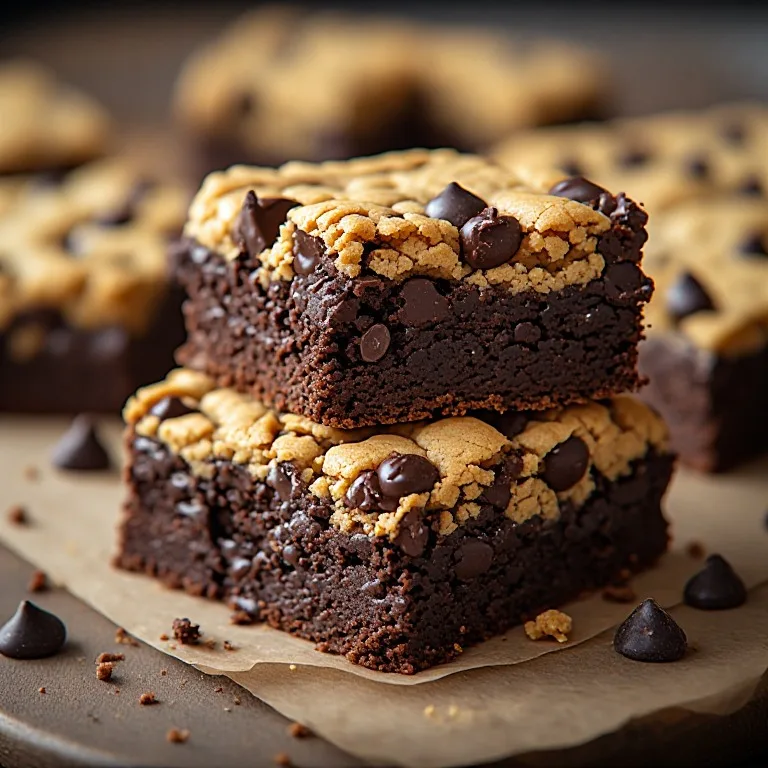
The brookie is not a new idea — it’s been in home bakers’ repertoires for years. But TikTok’s cross-section cookie moment made it explode in 2023 and 2024. Creators discovered that cutting into a chilled brookie bar reveals a picture-perfect two-tone interior: the dark, dense brownie layer beneath, the golden-speckled cookie layer on top, separated by a thin interfacial zone where the two batters merge into something new.
That cross-section is catnip for food content. It answers a visual promise: two distinct textures, two distinct colors, cleanly delineated. The comments on every brookie video say the same thing: “I could eat the whole pan.” And the engagement follows.
The Layering Strategy
The key decision in building a great brookie is which layer goes where. Brownie batter on the bottom, cookie dough on top — and there’s a functional reason for this arrangement. Cookie dough is firmer and can be pressed into an even layer on top of the poured brownie batter. If you reversed it, the heavier brownie batter would sink through the cookie dough. The brownie-on-bottom configuration also means the cookie layer gets more direct oven heat, which gives it that golden-brown surface while the brownie stays fudgy beneath.
The interface between layers is where something interesting happens. As they bake, the two batters slightly merge at the border — the brownie bleeds up into the base of the cookie layer, and the cookie dough settles down into the brownie top. The result is a transition zone that has elements of both: chewy, slightly fudgy, deeply chocolatey. It’s the best bite of the bar.
The Two-Batter Approach
Each layer needs to be independently right. The brownie batter is a classic cocoa brownie: high-butter, high-sugar, low-flour, for maximum fudginess. The cookie dough uses only an egg yolk (not a whole egg) — this keeps the cookie layer denser and chewier, preventing it from puffing up into a cake-like texture above the brownie. A single yolk gives richness and bind without the water content of the white, which would create steam and lift.
Both batters use a full teaspoon of vanilla because vanilla is the flavor thread that connects them — it’s present in both layers, making the brookie taste coherent rather than like two separate things awkwardly stacked.
The Cooling Patience Problem
The most common brookie failure is cutting too early. Both layers are still liquid-soft when the bars come out of the oven. The brownie needs to set. The cookie needs to cool. 90 minutes at room temperature is the minimum. Refrigerating for 30 minutes after the initial cool gives you even cleaner cuts and a denser, fudgier brownie texture.
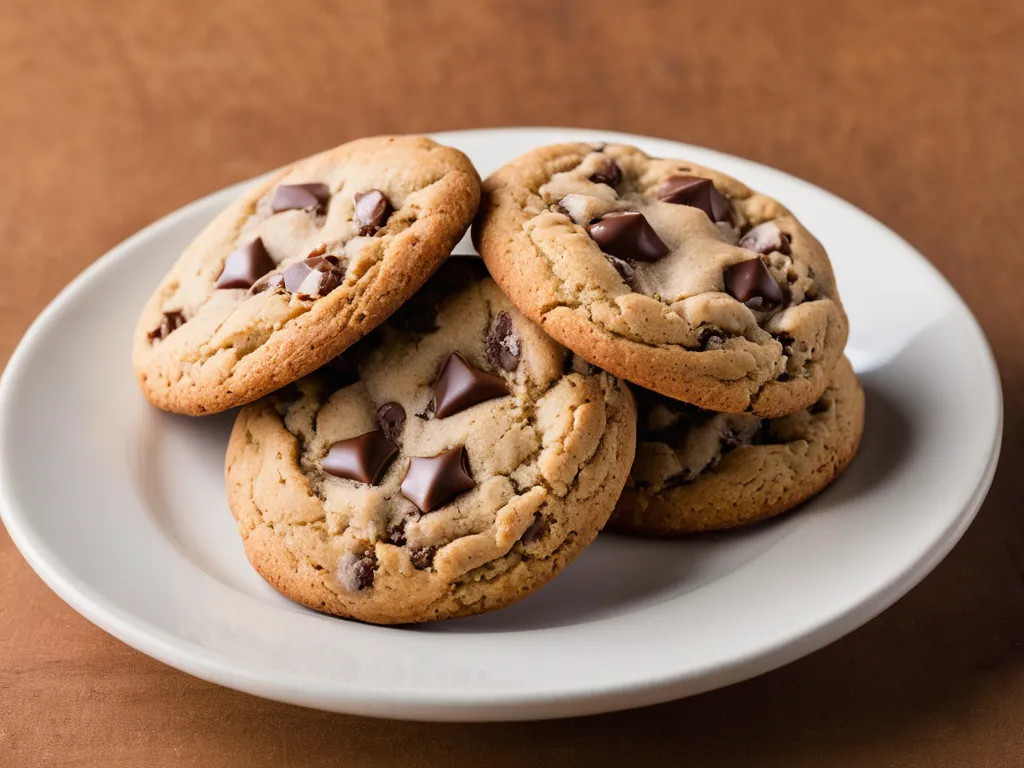
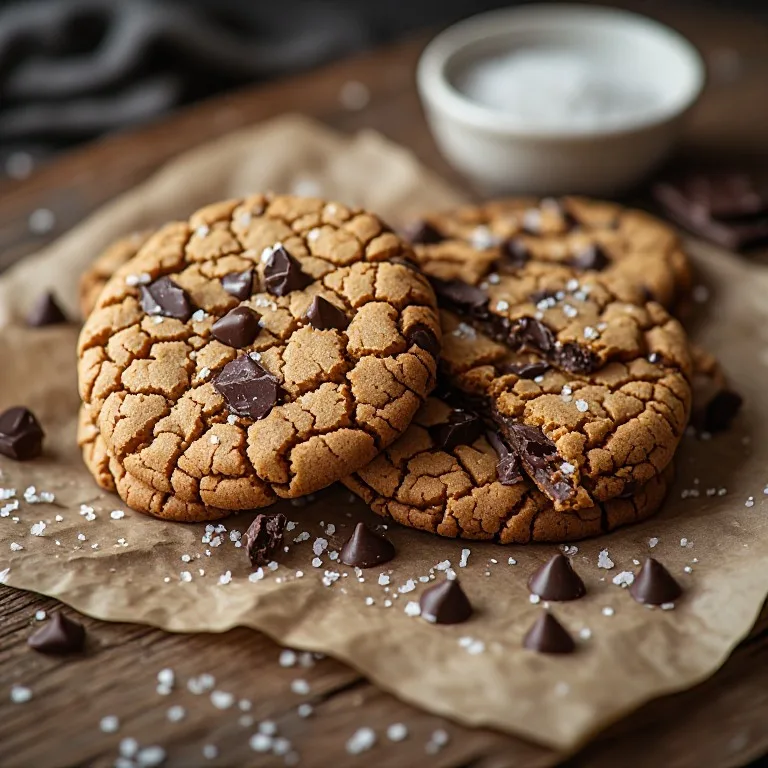
The payoff for waiting is a cross-section that actually shows both layers distinctly — the dark brownie, the lighter cookie, the chocolate chips suspended in the top layer.
Variations
Peanut Butter Brookie: Swirl 2 tablespoons of peanut butter into the brownie batter before adding the cookie layer. Use peanut butter chips in the cookie dough instead of chocolate chips.
Oreo Brookie (Triple Layer): Press a single layer of Oreo cookies into the brownie batter before adding the cookie dough. Three-layer bars with a white cream center that becomes gooey. Cut to reveal and watch the comments happen.
Salted Caramel Brookie: Drizzle 3 tablespoons of caramel sauce over the brownie layer before adding cookie dough. The caramel pools inside the bar as it bakes.