Quick answer: Add to a blender: one 15-oz can of cream of coconut (Coco López is the classic), one 13.5-oz can of coconut milk, one 14-oz can of sweetened condensed milk, one 12-oz can of evaporated milk, 1½ cups white rum (Don Q Cristal or Bacardi Superior), 2 teaspoons pure vanilla extract, 1 teaspoon ground cinnamon, ¼ teaspoon freshly grated nutmeg, and ⅛ teaspoon ground cloves. Blend on high for 60 seconds until completely smooth and frothy. Taste and adjust: if it's too sweet, add a splash more rum; if you want it boozier, add another ¼ cup rum. Pour through a fine mesh strainer into glass bottles or a large pitcher and refrigerate for at least 4 hours — overnight is better because the flavors meld and the drink thickens. ALWAYS shake the bottle before pouring because the coconut fat separates as it chills. Serve over ice or straight-up in small glasses. Garnish with a cinnamon stick and a dusting of nutmeg. This makes about 1½ quarts, or roughly 12 half-cup servings.
Shop the tools
Gear matched to this recipe. These are Amazon affiliate links — we may
earn a small commission if you buy, at no extra cost to you.
As an Amazon Associate, Copycat Spices earns from qualifying purchases.
Product images are generic illustrations, not the exact item listed.
Coquito (Puerto Rican Coconut Rum Drink)
The viral TikTok coquito recipe that blows up every October — Puerto Rico's coconut rum holiday drink made with Coco López, condensed milk, and white rum. Creamier than eggnog, no eggs needed, and it bottles beautifully as a gift.
Easy
Prep: 5 min
Cook: 0 min
Total: 5 min12 servings
~$4.50/serving
Prep5 min
Cook0 min
Total5 min
Servings
12
At home~$4.50/serving
vs
Restaurant~$20.25/serving
You save ~78%
The Story Behind the Recipe
Coquito — "little coconut" in Spanish — is Puerto Rico's answer to eggnog, and in most Puerto Rican households it's far more important than eggnog is anywhere. The drink is woven into the holiday season from October through Three Kings Day in January: every family has A recipe, which is THE recipe, and the debate over whose abuela's version is best is eternal. Traditional batches are bottled in repurposed rum handles, labeled by hand, and distributed to family and friends starting in mid-October. The key debate is cream of coconut (Coco López) versus pure coconut cream — Coco López is sweeter, thicker, and gives the drink its signature dessert-drink texture; straight coconut cream is less sweet and more naturalistic. Both are correct. The one thing that is not up for debate: real white Puerto Rican rum (Don Q Cristal or Bacardi Superior), not spiced rum, not dark rum.
TikTok turned coquito into a cross-cultural phenomenon beginning around 2020. Puerto Rican creators sharing family recipes drew millions of views, and the gifting angle — pretty glass bottles with cinnamon sticks and handwritten tags — drove enormous engagement because it photographs beautifully and feels personal. The #coquito hashtag now sees its biggest traffic spike in October and November, when the first-batch-of-the-season videos begin and comment sections fill with family recipe wars. Non-Puerto Rican audiences discovered the drink through the trend and quickly understood why it eclipses eggnog: it's silkier, coconut-forward, and the blender technique means there's no stovetop custard to fuss with. The comparison cost at home versus buying it (premium bottled coquito sells for $18–$35 per 750ml bottle) makes it especially compelling to make yourself.
Nutrition Facts
Per serving (12 servings)
Calories340
Total Fat13g
Total Carbs34g
Dietary Fiber0g
Sugars30g
Protein4g
Sodium70mg
* Estimated values based on standard recipe preparation. Actual values may vary.
Ingredients
Coquito Base
Serving
For gifting
Instructions
💡
Pro tip: This recipe tastes even better the next day. The flavors need time to meld together in the fridge.
❄️
Storage: Keeps in an airtight container in the fridge for up to 2 weeks. Freezer-friendly for up to 3 months.
🎃 Free Halloween cookbook — download now
The Copycat Halloween Cookbook
A ready-made, photo-illustrated PDF of our best halloween copycat
recipes — free to download, no building required. Pay what you want to support if you love it.
Free PDF — instant download. We'll also send new seasonal copycat recipes now
and then; unsubscribe anytime.
Or just download it →
🎉 Your Halloween Cookbook is ready!
It's free — but if it's worth something to you, you can pay what you want.
It keeps the recipes coming.
$
✓ Downloading your free Halloween Cookbook — check your downloads folder. Happy cooking!
CopycatSpices
Coquito (Puerto Rican Coconut Rum Drink)
The viral TikTok coquito recipe that blows up every October — Puerto Rico's coconut rum holiday drink made with Coco López, condensed milk, and white rum. Creamier than eggnog, no eggs needed, and it bottles beautifully as a gift.
viral · tiktok · drinks · cocktails
🕑Prep5 min
🍳Cook0 min
⏱Total5 min
🍽Serves12
⭐DifficultyEasy
Ingredients
Coquito Base
1 can (15 oz) cream of coconut, such as Coco López — the sweetened kind, NOT coconut cream (they're different products)
1 can (13.5 oz) full-fat coconut milk — shake the can before opening
1 can (14 oz) sweetened condensed milk
1 can (12 oz) evaporated milk
1½ cups white rum — Don Q Cristal or Bacardi Superior are traditional; choose a clean, unflavored white rum
2 teaspoons pure vanilla extract
1 teaspoon ground cinnamon
¼ teaspoon freshly grated nutmeg (about ⅛ of a whole nutmeg) — pre-ground works but fresh is much more aromatic
⅛ teaspoon ground cloves
1–2 whole cinnamon sticks to steep in the bottle (optional but recommended)
Pinch of kosher salt — rounds out the sweetness
Serving
Ice (optional — some families serve it chilled, others over ice)
Cinnamon sticks for garnish
Extra freshly grated nutmeg for garnish
For gifting
Clean glass bottles or mason jars (repurposed wine or spirit bottles work perfectly)
Small labels and ribbon (the TikTok gifting aesthetic)
Instructions
1.Gather the cans at room temperature. Cold condensed milk and coconut milk pour sluggishly and sometimes clump in the blender. If your cans were refrigerated, run them under warm water for 2 minutes before opening.
2.Open and check the cream of coconut. Cream of coconut (Coco López and similar) is thick and syrupy — scrape every bit out with a spatula. If the top has solidified, stir it before adding. This is your primary sweetener; the condensed milk also adds sweetness. If you prefer a less-sweet coquito, use coconut cream (unsweetened) in place of the Coco López and add ¼ cup of sugar to taste.
3.Blend everything in one go. Add to a large blender: the cream of coconut, coconut milk, sweetened condensed milk, evaporated milk, white rum, vanilla extract, cinnamon, nutmeg, cloves, and a pinch of salt. Put the lid on firmly (hold it down — this is a lot of liquid). Blend on high for 60 seconds until completely smooth, creamy, and slightly frothy. Scrape down the sides if any condensed milk stuck.
4.Taste and adjust before bottling. Pour a small amount into a glass and taste it. Too sweet? Add another ¼ cup rum and blend 10 seconds. Want it boozier? Same move. Need more cinnamon warmth? Add ¼ teaspoon more. The balance at this stage matters because the flavor concentrates slightly as it chills overnight.
5.Strain and bottle. Pour the coquito through a fine mesh strainer into a large pitcher, then funnel into your bottles. The straining step removes any clumps of spice that didn't fully blend — it takes 30 seconds and makes a difference in texture. Drop one whole cinnamon stick into each bottle before sealing — it steeps in the bottle and deepens the cinnamon flavor more subtly than ground cinnamon does. Seal the bottles.
6.Refrigerate for at least 4 hours; overnight is better. Coquito served immediately tastes boozy and thin. After chilling, the coconut fats re-solidify slightly, the flavors meld, and the texture becomes thick and creamy — closer to a pourable coconut cream than a drink. Overnight is the traditional minimum. It keeps refrigerated for up to 4 weeks.
7.SHAKE BEFORE EVERY POUR. Coquito separates as it sits in the refrigerator — the coconut fat rises and the lighter liquid settles below. This is not a flaw; it's physics. Shake the bottle vigorously for 5–10 seconds before each pour. If you skip this step the first glass is watery and the last glass is pure fat. Shaking 5 seconds fixes it.
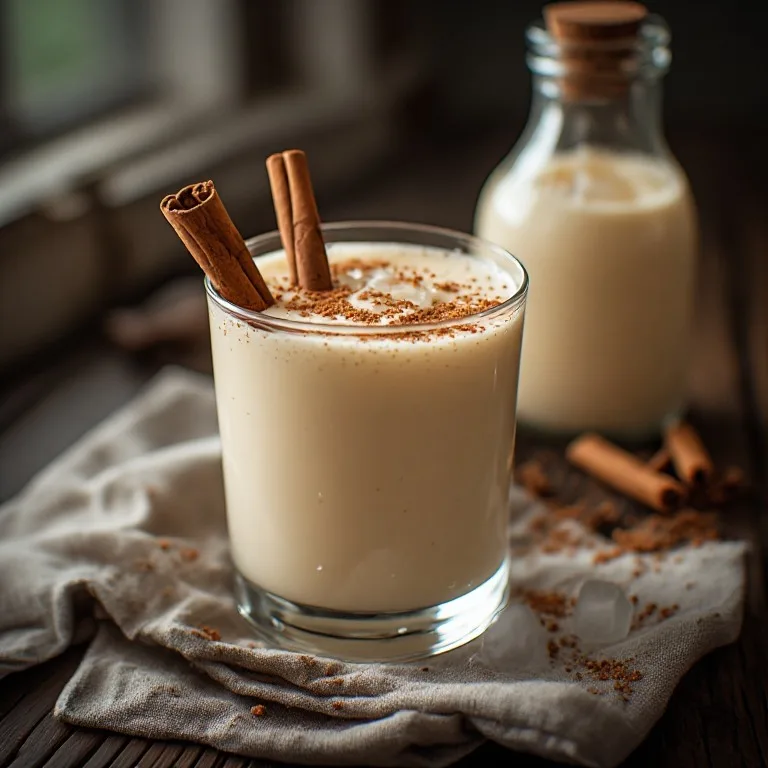
8.Serve cold over ice or straight. Pour into small glasses (it's rich — 4 oz is typically enough), garnish with a cinnamon stick and fresh nutmeg, and serve immediately. Some families serve it blended with ice for a frozen version; others like it straight-up slightly slushy from the coldest part of the fridge.
Notes
Coquito is Puerto Rico’s beloved holiday coconut rum drink — and every October, TikTok’s #FoodTok rediscovers it all over again. The recipe is five minutes in a blender: cream of coconut, condensed milk, evaporated milk, coconut milk, white rum, and warm spices. Then you bottle it, chill it overnight, and shake before every pour. The result is richer and creamier than eggnog, genuinely coconut-flavored rather than coconut-scented, and it keeps in the fridge for up to a month — which is why Puerto Rican families make large batches in October to gift through Three Kings Day in January.
The viral TikTok angle is the gifting aesthetic: a bottle of coquito with a handwritten label and a cinnamon stick costs about $4–5 to make and sells for $18–35 per bottle at holiday markets. Premium bottled coquito from Puerto Rican vendors commands even more. Making it yourself is not just cheaper — it lets you tune the sweetness, rum level, and spice balance to your exact preference, which is what the best family recipes do.
The one rule: shake the bottle before every pour. The coconut fat separates in the fridge. Ten seconds of shaking fixes it completely.
🥗
Make It Healthier
Love Coquito (Puerto Rican Coconut Rum Drink) but want a lighter version? Try these simple swaps:
✓Reduce the sweetened condensed milk by half and substitute with 7 oz of full-fat coconut milk — this cuts sugar by about 9g per serving while keeping the rich texture. The drink will be noticeably less sweet; add vanilla and cinnamon generously to compensate.
✓Make a lower-proof batch by using 1 cup of rum instead of 1½ cups and adding ½ cup of unsweetened coconut water — this reduces the ABV while actually improving the coconut flavor's freshness.
✓For a non-alcoholic version: replace the rum entirely with ¾ cup coconut water plus 1 teaspoon rum extract. The extract is optional but gives a faint background warmth. This version is ready to drink immediately after blending (no 4-hour chill needed for flavor development, though chilling still improves texture).
✓Use light coconut milk instead of full-fat to cut about 4g of fat per serving — the drink will be thinner but still cohesive. Do not substitute light coconut cream; the fat content difference is too large and the emulsification breaks.
Frequently Asked Questions
What is coquito and why is it viral on TikTok?
Coquito is a traditional Puerto Rican holiday drink made by blending cream of coconut, condensed milk, evaporated milk, coconut milk, white rum, and warm spices. It's Puerto Rico's version of eggnog but richer, silkier, and distinctly coconut-forward — and notably, traditional coquito has no eggs despite the creamy texture (that comes from the coconut fat). It's been made in Puerto Rican families for generations. It went viral on TikTok starting around 2020 when Puerto Rican creators began sharing family recipes, and the gifting angle — bottled in pretty glass bottles as holiday gifts — drove massive engagement. Every October the first-batch-of-the-season videos restart the annual cycle, and the #coquito hashtag draws millions of views through January.
What is the difference between coquito and eggnog?
Coquito is made with coconut (cream of coconut, coconut milk) as its base; traditional eggnog is made with eggs and milk/cream. Traditional coquito has no eggs at all — the creamy texture comes entirely from coconut fat and the combination of condensed and evaporated milk. Coquito is distinctly coconut-flavored, dessert-sweet, and silkier than eggnog. Eggnog has an eggy custard flavor and a heavier, thicker body from the cooked eggs. Coquito uses white rum; eggnog often uses bourbon, brandy, or dark rum. Both are holiday drinks, but the flavor profiles are completely different — coquito tastes like a coconut cream pie you can drink.
What rum should I use for coquito?
Traditional coquito uses Puerto Rican white rum — Don Q Cristal is the most historically authentic choice (it's made in Puerto Rico and many families consider it the only acceptable option), and Bacardi Superior is the widest-available alternative. Both are clean, light-bodied white rums with no competing flavors. Do NOT use spiced rum (the spice flavors clash with the cinnamon and cloves already in the recipe), dark rum (it turns the drink brown and changes the flavor balance significantly), or coconut rum (it makes the coconut taste artificial). If you want a higher-end version, Diplomatico Planas (a Venezuelan white rum with more body) adds complexity without overwhelming the coconut base.
Can I make coquito without alcohol (non-alcoholic coquito)?
Yes, and non-alcoholic coquito is specifically popular for families with children. Replace the 1½ cups of rum with ¾ cup of coconut water (for light fresh coconut flavor) plus 1 teaspoon of rum extract if you want a hint of warmth, or skip the extract entirely. The non-alcoholic version is ready to drink right after blending and chilling for 2 hours — it doesn't need the overnight rest that alcohol-based coquito benefits from. It's just as creamy and rich. Non-alcoholic coquito is also a common gifting option when you're unsure whether the recipient drinks alcohol.
What is the difference between cream of coconut and coconut cream?
These are two completely different products that are often confused. Cream of coconut (like Coco López, or the Goya brand) is sweetened and thick — it's the base for piña coladas and is used in coquito specifically because it adds sweetness and the characteristic dessert-drink texture. Coconut cream (like Chaokoh or Aroy-D brand) is unsweetened and high-fat — it's used in curries and cooking where you don't want added sugar. For coquito, use cream of coconut unless you are specifically trying to control sweetness, in which case coconut cream plus ¼ cup sugar is the workaround. The cans look similar; check the ingredient list for added sugar to be sure which you have.
How long does homemade coquito last in the refrigerator?
Up to 4 weeks refrigerated in a sealed bottle. Because coquito contains no raw eggs and has a high alcohol content (the rum acts as a preservative), it keeps significantly longer than eggnog. Most families make a large batch in October and it lasts through the holiday season. The flavor actually improves over the first week as the spices meld. Always smell and taste before serving if it's been more than 3 weeks. Signs it's gone off: sour smell, separation that doesn't fix with shaking, or a curdled appearance after shaking.
Why does my coquito separate in the bottle?
This is completely normal and expected. The coconut fat in coquito is semi-solid at refrigerator temperature, so it rises and separates from the lighter milk proteins and liquid. Every bottle of properly made coquito separates. The fix is simple: shake the bottle for 5–10 seconds before each pour. The emulsion reforms instantly. If your coquito is separating within minutes of pouring (not just sitting in the fridge), the blend time was too short — 60 seconds at high speed creates enough emulsion to hold it together for at least 20–30 minutes in the glass, which is all you need.
Can I make coquito ahead and freeze it?
Freezing is not recommended. The coconut fat and dairy solids separate during freezing in a way that doesn't fully recombine on thawing, even with vigorous blending. The texture becomes grainy rather than silky. Since properly made coquito keeps for 4 weeks in the refrigerator and only takes 5 minutes to blend, there's no practical need to freeze it. If you absolutely must extend the shelf life beyond 4 weeks (for a large gift batch made in October for December gifting), store it in the coldest part of the refrigerator — close to the back wall — and keep the bottles sealed until ready to give.
Researched + fact-checked. Every recipe on Copycat Spices is built from published sources — official ingredient lists, brand-published recipes, interviews and food-science references — and fact-checked before it goes live, then written as clear, step-by-step instructions for home cooks of all skill levels.
Before you go — grab The Copycat Halloween Cookbook 🎃
Our best Halloween copycat recipes in one photo-illustrated PDF. Free, instant download.
Free PDF — instant download. We'll also send new seasonal copycat recipes now
and then; unsubscribe anytime.
Or just download it →
✓ Downloading your free Halloween Cookbook — check your downloads folder. Happy cooking!
We use privacy-friendly analytics to understand what recipes people love. By continuing, you consent to our use of cookies. Learn more
🎃 Get The Copycat Halloween Cookbook — freeInstant PDF, no sign-in. Pay what you want only if you'd like to support us. One email a week, unsubscribe anytime.