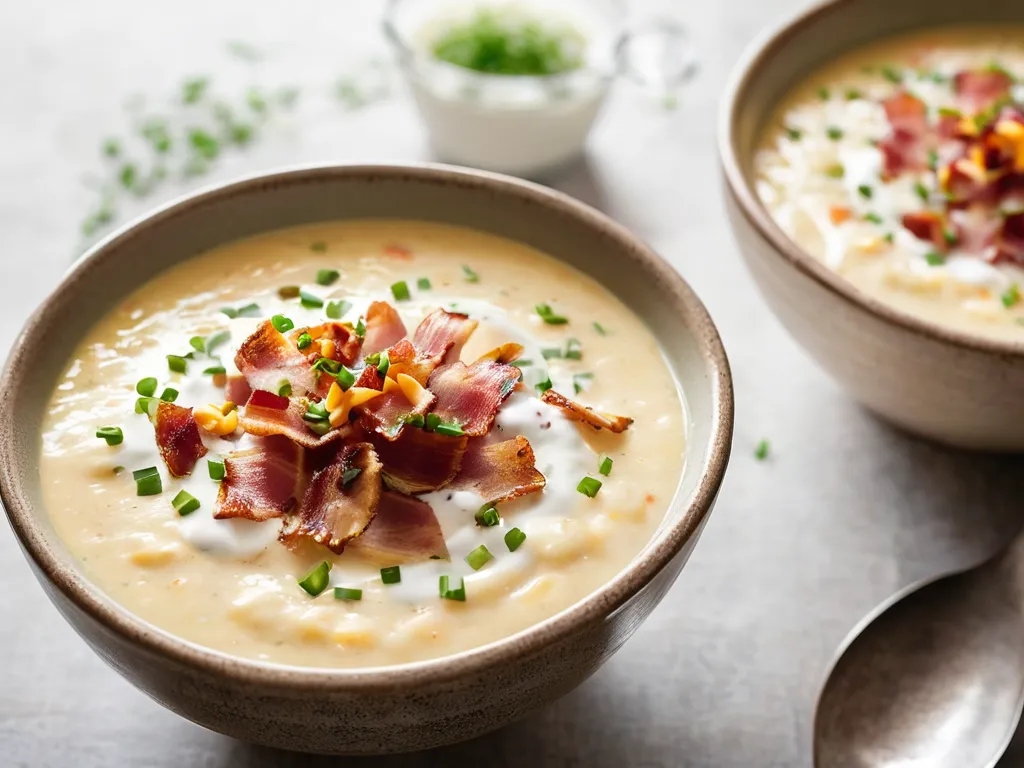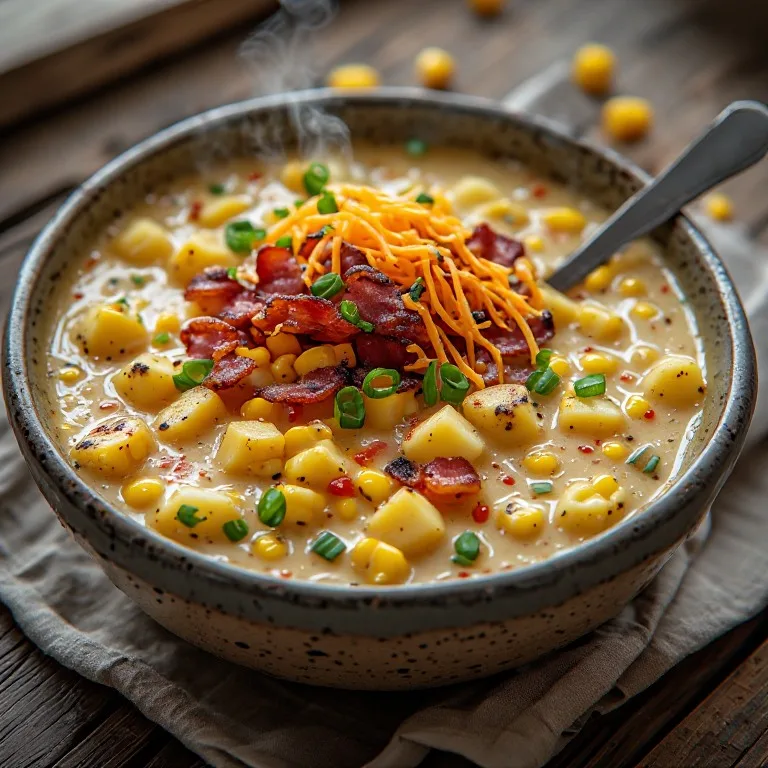


Corn chowder is a natural fall comfort dish — but the version all over TikTok is fundamentally different from what you grew up with. The key is charring frozen corn in a dry cast-iron skillet before it ever hits the pot, which unlocks a deep, smoky-sweet caramelized flavor that no amount of cream or seasoning can fake. Then instead of a flour roux to thicken, you blend a third of the finished soup back into the pot, letting the starchy corn and potato do the work.
Three Things Most Corn Chowder Recipes Get Wrong
1. They skip charring the corn. Adding frozen or canned corn straight to the pot produces one-dimensional sweetness. Charring it in a dry cast-iron at high heat triggers the Maillard reaction — the same chemistry that makes seared steak or toasted bread taste complex. The corn develops smoky, caramelized notes that give the soup its depth. This is the step most home recipes omit because it adds one pan and five minutes. It is not optional if you want the TikTok result.
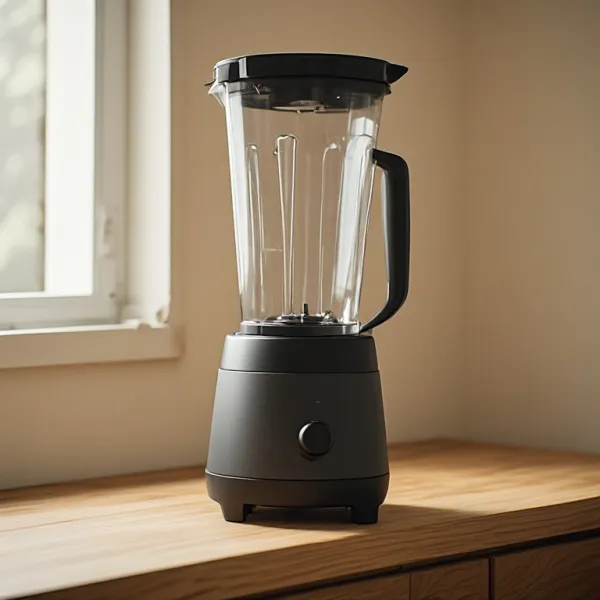
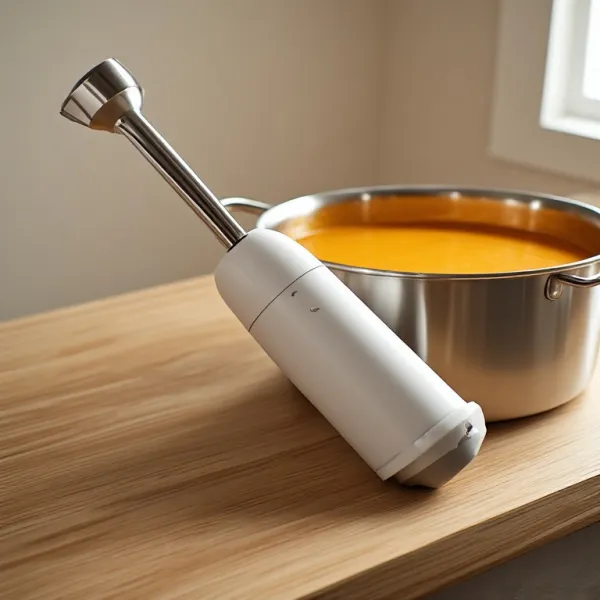
2. They use flour to thicken. A flour-butter roux makes corn chowder gluey and pasty — the starch coats your palate instead of letting the corn flavor come through. The partial-blend technique (scoop 2 cups of the finished soup into a blender, blend smooth, stir back in) uses the corn and potato starch that’s already in the pot to build body. The texture is silkier and more natural, and the corn flavor is cleaner.
3. They under-season. Corn is inherently sweet, and sweetness actively suppresses the perception of saltiness. Corn chowder requires more salt than almost any other vegetable soup. If it tastes flat or one-dimensional, add more salt before you add more cream — cream adds richness but also further mutes savory notes. Season aggressively before you add the dairy.
How to Char Corn (The Right Way)
Heat a dry cast-iron skillet over high heat for 2 to 3 minutes, until it just starts to smoke. Add frozen corn kernels directly from the bag, in a single layer. Do not add oil. Do not stir. Walk away for 3 to 4 minutes. You want deep char spots — dark brown to black in some places, bright yellow in others. The contrast is correct. Toss once, let it sit another 60 seconds, then transfer to a bowl.
The cast-iron is important: it holds heat when the cold corn hits it. A thin pan cools down immediately and the corn steams rather than chars.
At-a-Glance
| This recipe | |
|---|---|
| Total time | 40 min |
| Servings | 4 bowls |
| Cost per serving | ~$2.50 |
| Restaurant price | $14–$18/bowl |
| Gluten-free | Yes (naturally) |
| Dairy-free option | Yes (coconut milk + skip the cheddar) |
| Make-ahead | Yes (freeze before cream; add cream when reheating) |
Recipe Notes
Frozen vs. fresh corn: Both work. Frozen corn chars faster and more evenly because it’s drier (see FAQ). In peak summer, use fresh corn cut from the cob — just pat the kernels dry first. In October through May, frozen is the better ingredient for this recipe.
Bacon fat vs. butter: The bacon fat carries smoked-pork flavor throughout the entire chowder — it’s worth keeping. If you’re making a vegetarian version, substitute 1 tablespoon of butter plus ½ teaspoon extra smoked paprika.
The partial-blend decision: Blending 2 cups (roughly a third of the soup) gives a thick but still chunky chowder — you can see potato and corn pieces in a creamy broth. Blend 3 cups for a thicker, more bisque-like result. Blend the whole pot for a smooth puréed version (very different dish, still delicious, better described as corn bisque).