
The Brownie TikTok Did Not Expect
The cottage cheese brownie shouldn’t work. You’re taking the defining ingredient of a watery, lumpy dairy product and asking it to stand in for butter, oil, and flour in one of the most beloved desserts in American baking.
It works. Actually works.
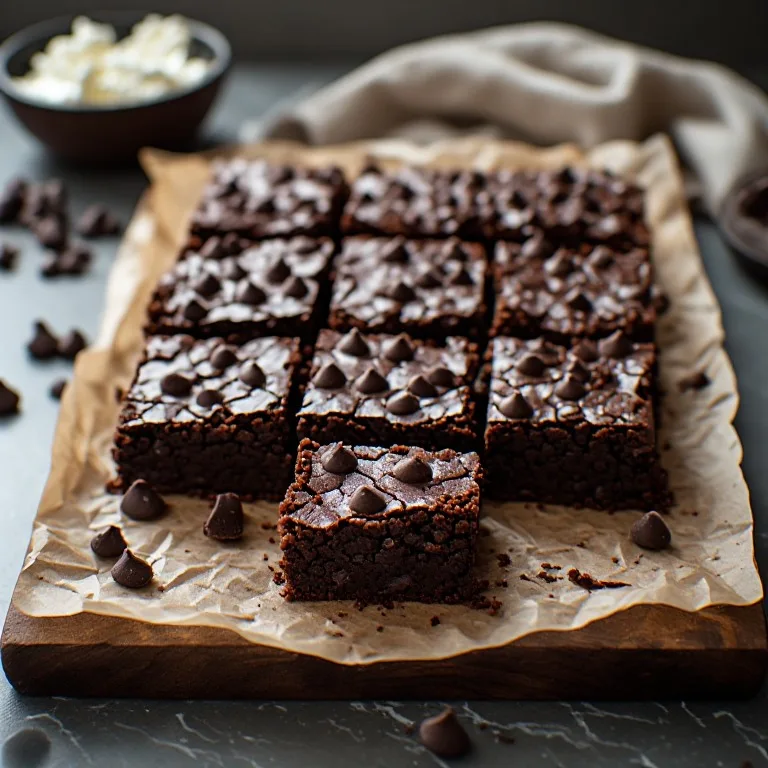
The reason is both simple and a little counterintuitive: full-fat cottage cheese, when properly blended, becomes a smooth, protein-rich emulsifier that behaves almost identically to the fat-and-moisture combination in traditional brownie batter. Blend it long enough and there’s no trace of the original ingredient — no curds, no sourness, nothing. What you get is a rich, dark, intensely chocolate brownie that clocks in around 95 calories and 7g of protein per square.
TikTok found this and did what TikTok does: 50 million views later, everyone who makes them sounds slightly shocked. “I can’t taste the cottage cheese at all.” “These are actually better than regular brownies.” The skepticism-to-conversion ratio in the comments is unusually high.
Two Methods: Scratch vs. Brownie Mix Shortcut
Most videos show one of two approaches:
The scratch version (this recipe): blended cottage cheese + cocoa powder + eggs + sweetener. Maximum nutritional control. Cleanest ingredient list. The flavor is deep and genuinely chocolate-forward once the cocoa and vanilla go in.
The 3-ingredient shortcut: 1 box brownie mix + 1 cup blended cottage cheese + 1 egg. You’re trusting the boxed mix for flavor and sweetness, adding cottage cheese in place of the butter/oil/water. The result is richer and sweeter than the scratch version — boxed mixes are engineered for maximum flavor impact — but you’re trading the low-calorie advantage (mix adds back ~100–120 cal/serving). If you’re making these for guests who don’t care about macros, the mix version wins on flavor.
This recipe is the scratch version because that’s where the nutritional case is strongest. But the shortcut is also valid — same technique, 3 ingredients.
Why You Must Refrigerate Before Eating
This is the most important instruction in the recipe and the one most commonly skipped.
Cottage cheese brownies warm from the oven are custardy and fragile — they’ll fall apart when you cut them and the texture reads as “healthy baking experiment” rather than “brownie.” An hour in the refrigerator firms the protein matrix from the eggs and cottage cheese, sets the chocolate chips, and produces a texture that genuinely reads as fudge-brownie: dense, sliceable, with a slight pull when you bite.
The cold transforms the experience. Every creator who posts impressive-looking cottage cheese brownies is showing them cold.
The Comparison: Scratch vs. Regular vs. Shortcut
| Scratch CC Brownie | Boxed Mix CC Brownie | Standard Box Brownie | |
|---|---|---|---|
| Calories | ~95 | ~195 | ~250 |
| Protein | ~7g | ~8g | ~3g |
| Carbs | ~10g | ~28g | ~35g |
| Fat | ~4g | ~6g | ~10g |
| Prep time | 10 min | 5 min | 5 min |
| Taste | Deep, rich chocolate | Sweeter, more traditional | Most familiar |
| Texture (cold) | Fudgy, dense | Fudgy, dense | Fudgy, dense |
The protein-to-calorie ratio in the scratch version is genuinely useful: two squares deliver 14g of protein at under 200 calories — a better profile than most protein bars with significantly more satisfaction.
The Blending Step Is the Whole Trick
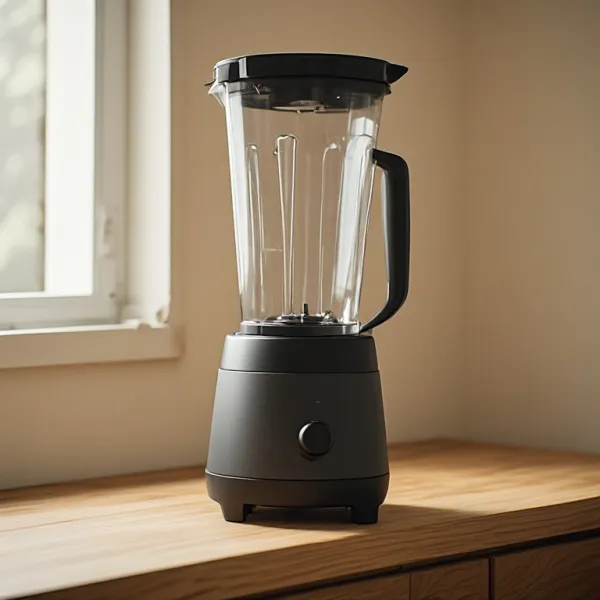
You cannot make this recipe without blending the cottage cheese until completely smooth before adding anything else. This is the single step that determines whether the brownies taste like a dessert or a science experiment.
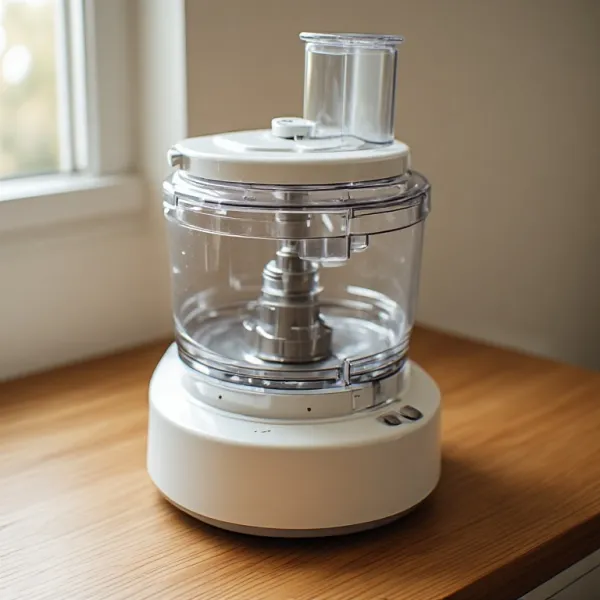
A high-speed blender running for 60 seconds turns the curds into a pourable liquid with no texture. That liquid, when baked with eggs and cocoa, produces the smooth, glossy, uniform crumb you see in the TikTok videos. Cottage cheese that’s only partially blended will have visible pockets and an uneven mouthfeel — technically edible, but not what made the videos go viral.
Sixty seconds. Smooth as sour cream. Then add everything else.
Variations Worth Trying
The base recipe is a starting point. A few of the best-performing variations:
Peanut butter swirl: After pouring the batter, drop teaspoons of natural peanut butter across the surface and drag a toothpick through. The peanut butter stays in visible ribbons, doesn’t mix fully, and the result reads as a Reese’s cup in brownie form. This is the highest-viewed variation for a reason.
Espresso amplified: Add 1/2 teaspoon of espresso powder to the blender with the cocoa. The brownies won’t taste like coffee — the espresso deepens and sharpens the chocolate flavor, making it more complex. A common trick in bakery brownies.
Sea salt finish: After pressing in the chocolate chips, add a generous pinch of Maldon or Jacobsen flaky sea salt. The contrast between the bitter-rich chocolate and the crystalline salt is the same reason salted chocolate is its own category.
For more high-protein cottage cheese desserts, the cottage cheese cookie dough recipe uses the same blending principle for an edible no-bake dough with 9g protein per serving. The cottage cheese ice cream uses blended cottage cheese as an ice cream base — same technique, completely different application. If you want a traditional brownie comparison, the edible brownie batter covers the safe-to-eat raw version.