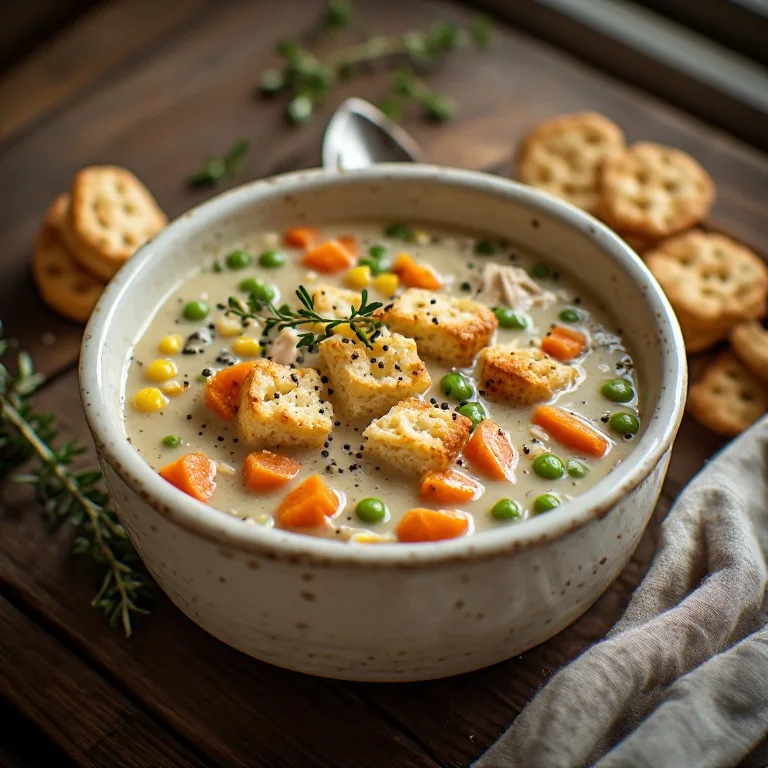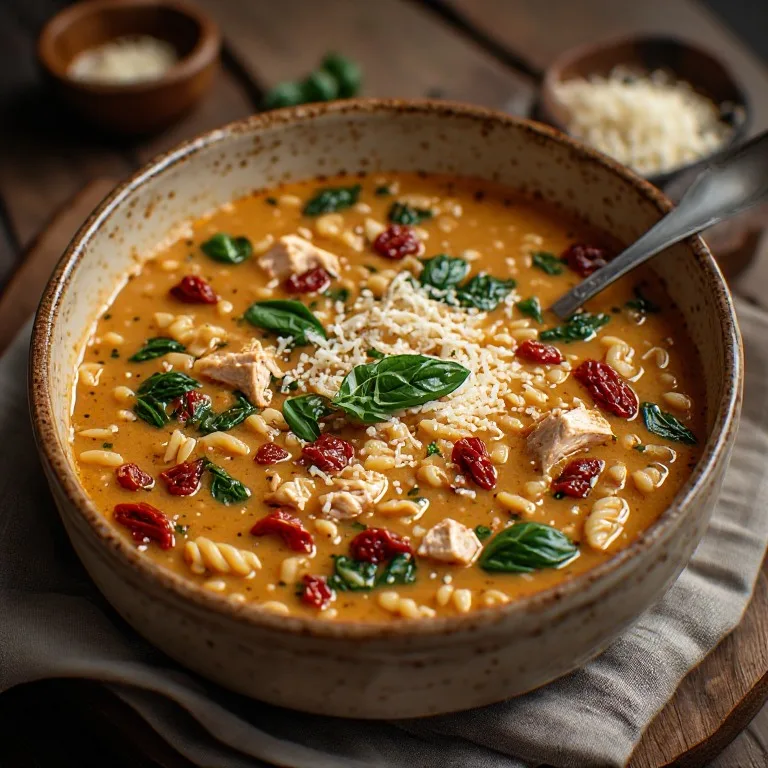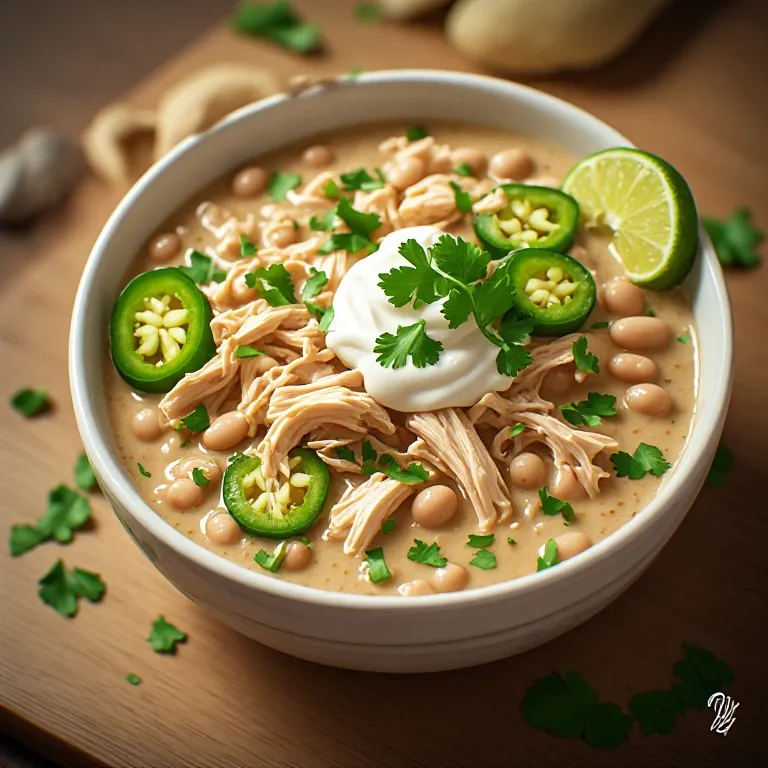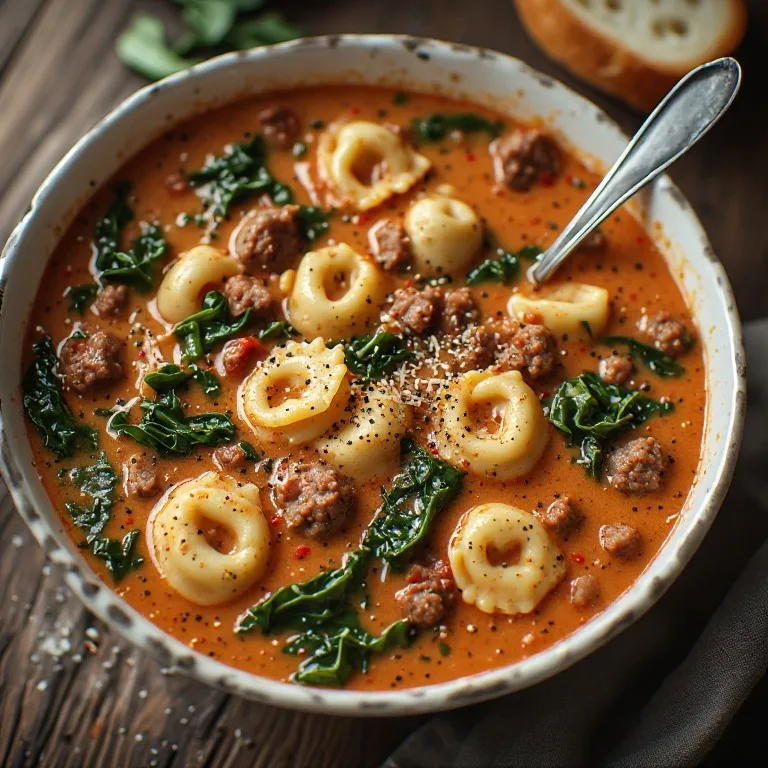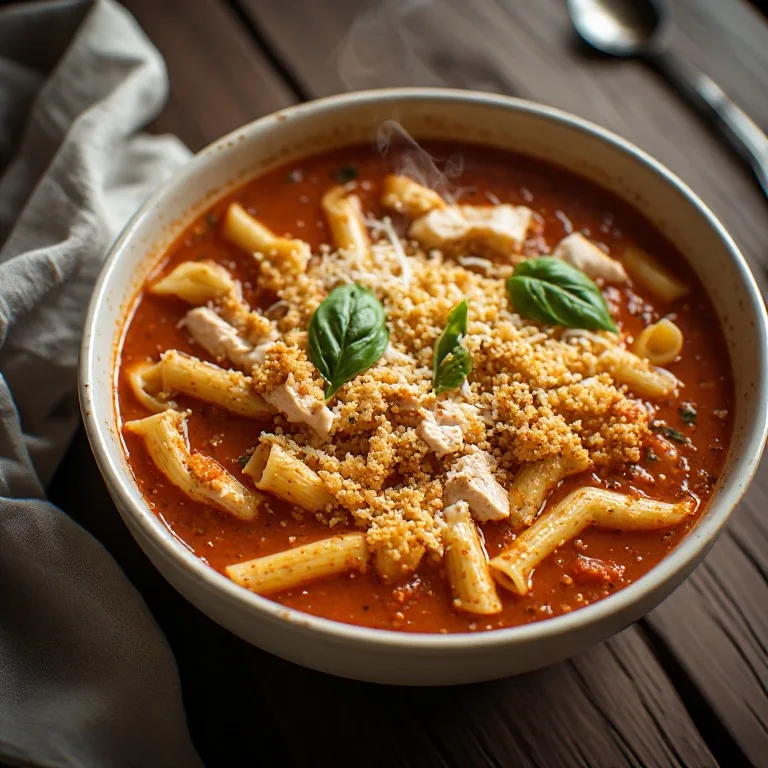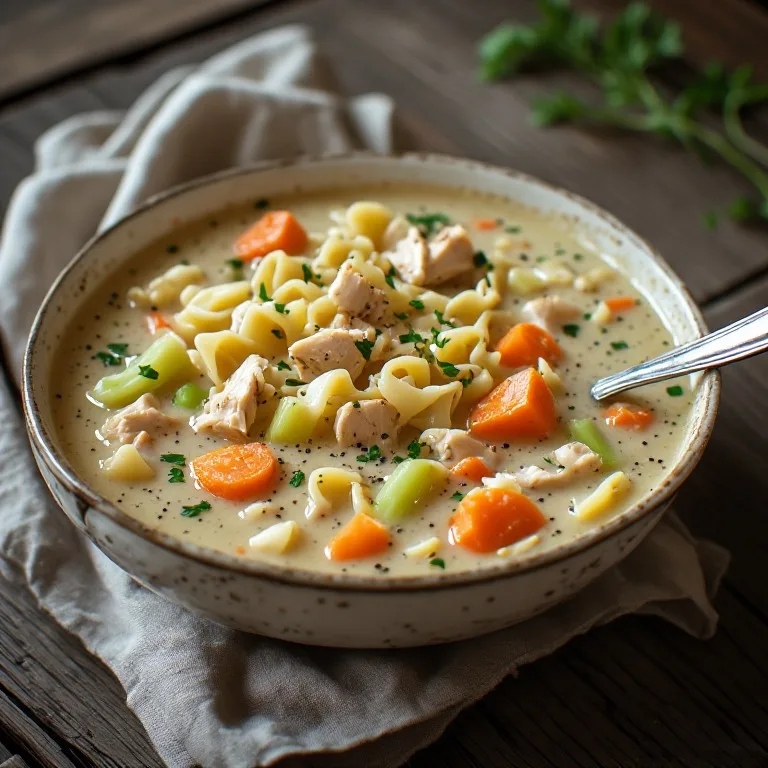



The Parmesan rind changes the soup in a way that’s hard to explain until you taste it. Add it, and a 40-minute weeknight soup tastes like it simmered all day — with a deep, savory richness that regular chicken broth doesn’t have on its own.
The Parmesan Rind: Free Umami, Zero Work
A Parmesan rind is the dense, dried outer layer of a Parmigiano-Reggiano or Grana Padano block — the piece most people throw away when the block runs out. In soup, it does something extraordinary: it releases glutamates (the amino acids behind umami), along with a small amount of protein that adds body to the broth. The result is a soup that tastes richer, more complex, and more like a long-cooked stock than its actual 40-minute cook time suggests.
The rind doesn’t fully melt. It softens, some of the outer cheese dissolves into the broth, and the core piece remains (though it will be dramatically softened). Pull it out with a spoon before serving. If you have children, some of the softened rind becomes a savory, pasta-like treat to chew.
Start saving your Parmesan rinds in a zip-lock bag in the freezer. They keep indefinitely, and one or two rinds in any broth-based soup or pasta sauce are a permanent upgrade. The technique is standard in Italian cooking and has been translated by TikTok food creators into American comfort food — this soup being one of the best examples.
The Sear: Where the Flavor Starts
The step that most distinguishes this recipe from a pantry-dump chicken soup is searing the raw chicken breasts before anything else. This creates fond — the browned, caramelized residue that coats the bottom of the pot. Fond dissolves into the broth when liquid is added, contributing hundreds of flavor compounds that you cannot replicate any other way.
The chicken doesn’t need to be cooked through at the sear stage — 4 minutes per side at medium-high heat creates color and fond without finishing the center. You’ll shred the chicken and return it to the simmering broth, where it finishes cooking. The combination of seared exterior and poached interior produces a more interesting texture than either method alone.
The Garlic Is Intentional
Eight to ten cloves is more than most chicken noodle soup recipes call for. When cooked into a 40-minute broth, garlic loses its sharp, raw heat and becomes sweet and mellow — it flavors the broth without tasting aggressively of garlic. This is the same principle behind 40-clove garlic chicken: volume and heat transform garlic’s character. If you use three cloves (as many recipes specify), you won’t taste it at all in the finished soup.
Lemon: Not Optional
The heavy cream enriches the broth; the lemon juice is what keeps it from becoming heavy. Without it, cream-enriched soups can feel cloying by the third spoonful — the fat coats the palate and the flavor flattens. A tablespoon of fresh lemon juice at the end brightens everything, makes the individual flavors more distinct, and makes the soup genuinely hard to stop eating. This is the same principle that makes restaurant pasta sauces taste brighter than home versions — professional kitchens add acid at the end as a standard step.
Fall and Winter Storage Notes
The most common mistake with this soup is storing the noodles inside the broth. By the next day, the noodles have absorbed the majority of the broth and turned soft. Store the soup and the noodles in separate containers; reheat each individually and assemble in bowls. This is a 30-second extra step that completely changes the leftover experience.