

Zuppa Toscana — Olive Garden’s Famous Soup, Made Better at Home
There is a specific kind of craving that only Zuppa Toscana satisfies: something rich and warming, with enough substance to be a full meal, but still light enough to feel like soup. Olive Garden has served their version since the 1990s, and it has become one of the most recognized restaurant soups in America. TikTok’s copycat community has been obsessing over it for good reason — the homemade version is genuinely superior, costs a fraction of the price, and takes less time than driving to the restaurant.
The Viral Copycat Phenomenon
TikTok’s food culture has a deep love for restaurant copycat recipes, and Zuppa Toscana ranks near the top of the most-attempted. The appeal is straightforward: it looks impressive, feeds a crowd, and uses ingredients most people already have. Videos showing the finished pot — creamy broth, visible chunks of potato and sausage, dark ribbons of kale — consistently generate hundreds of thousands of views. The payoff of tasting something familiar but noticeably better than the original drives massive engagement.
What the restaurant version gets right is the flavor combination. What the homemade version improves on is the richness of the broth — restaurant soup often has to be formulated for consistency at scale, which means more water and less fat. At home, you control those proportions.
Building the Flavor Foundation
The secret to this soup’s depth is layering two pork products: spicy Italian sausage and bacon. The bacon goes in first, rendering slowly until crispy, and its fat becomes the cooking medium for everything that follows. This step tempts people to skip — why dirty the pot twice? — but the smoky, porky backbone the bacon adds to the broth is irreplaceable. Reserve those crispy bacon bits; they go on top at the end for texture contrast.
The sausage needs to be spicy Italian, not mild. The heat balances the cream and fat in the broth. If you use mild sausage, the soup becomes rich in a flat way. The crushed red pepper flakes add another layer of heat that you can dial up or down.
The Potato Question
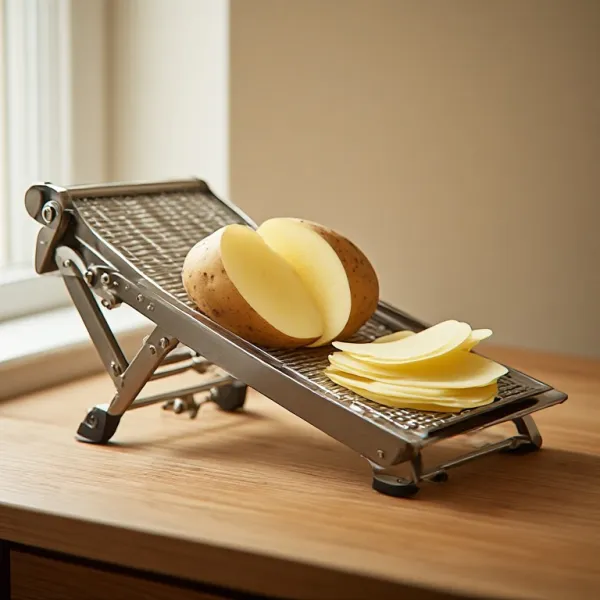
Russet potatoes are traditional here for a specific reason: they have a high starch content that slightly clouds the broth as they cook, contributing body. Slice them thin — about a quarter inch — and they’ll be perfectly tender in 12 to 15 minutes without falling apart. If you cut them too thick, you’ll end up with undercooked centers; too thin, and they disintegrate into the broth.
Kale goes in at the end, not the beginning. It only needs three to four minutes to wilt and soften. Adding it too early turns it army-green and bitter; added at the last moment, it stays vibrant and tender with a pleasant chew.
Serving and Storing
Ladle the soup into wide, shallow bowls so the potato slices don’t all pile up in one spot. The crispy bacon on top is structural — it stays crunchy for the first several bites before the broth softens it, which gives every spoonful a different texture than the last.
This soup stores well for three days in the refrigerator. The broth thickens as it sits because the potatoes continue to release starch. Reheat gently over low heat and add a splash of broth or water to loosen it back to soup consistency.
Variations
Dairy-Free: Substitute full-fat coconut milk for the heavy cream. It works surprisingly well — the coconut flavor is subtle against the strong sausage and bacon notes.
Add White Beans: A can of drained cannellini beans adds protein and makes the soup even more filling. Add them with the broth and potatoes.
Gnocchi Instead of Potatoes: Swap the potato slices for 1 lb shelf-stable gnocchi, added in the last 5 minutes of cooking. The result is pillowy dumplings in place of potato coins — a texturally exciting riff on the original.