

Creamy Garlic Parmesan Pasta — The Viral TikTok Version That Actually Works
There’s a reason this dish has been shared hundreds of millions of times on TikTok. It looks expensive, it tastes like something from a real Italian restaurant, and the entire process — from raw chicken to plated dinner — takes 30 minutes and requires nothing you don’t already have in your kitchen.
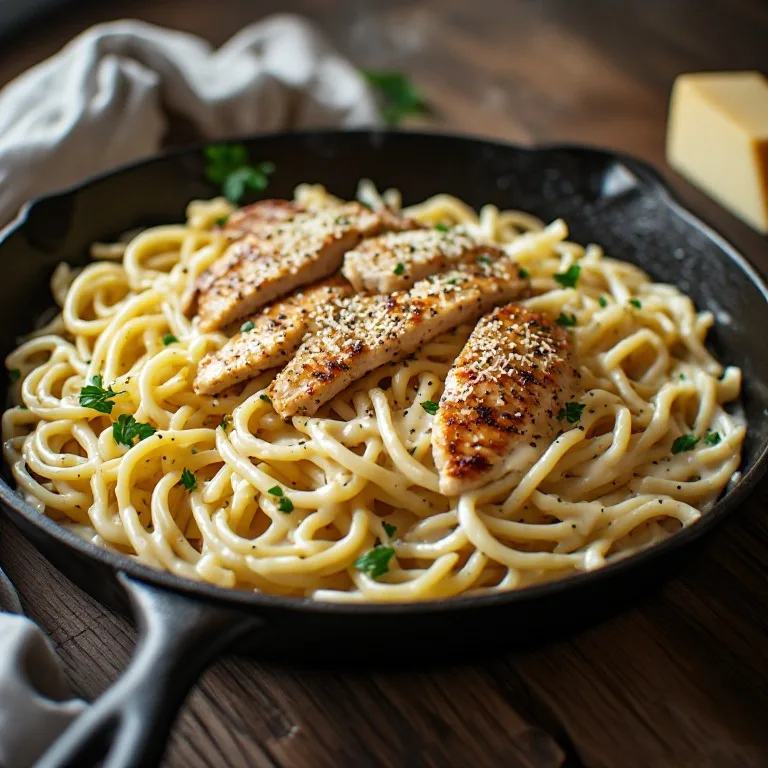
The viral TikTok creamy garlic parmesan pasta is not a complicated recipe. It’s heavy cream simmered with slow-cooked garlic, Parmesan whisked in off the heat so it melts smooth instead of clumping, and starchy pasta water added strategically to keep the sauce silky. Seared chicken on top makes it a full meal. Here’s exactly how to do it.
The Garlic Is the Point — Don’t Cut Corners
Eight cloves sounds like a lot. It’s not. Cooked low and slow in butter and olive oil for 3–4 minutes until just golden, garlic transforms from sharp and pungent into something sweet, nutty, and deeply savory. That’s the base the entire sauce is built on.
Do not rush this step. High heat turns garlic from golden to burnt in seconds, and burnt garlic tastes bitter no matter how good the rest of the dish is. Low heat, patience, and golden edges — that’s the goal.
Why You Pull the Pan Off Heat Before Adding Parmesan
This is the one technique most people skip and most failed sauces trace back to. If the pan is still over heat when you add grated Parmesan to cream, the cheese proteins tighten and seize before they can emulsify — you get stringy clumps instead of a smooth sauce.
Pull the pan completely off the burner first. Add Parmesan in three small additions, whisking between each one. The residual heat in the cream is enough to melt the cheese slowly and evenly. Add pasta water if the sauce is too thick — the starch in it acts as a natural emulsifier and keeps everything glossy.
The Pasta Water Is the Secret Ingredient
Before you drain the pasta, scoop out a full cup of the starchy cooking water. This is not optional. As the pasta sits in the sauce, it absorbs cream quickly — after 60 seconds of tossing, a sauce that looked perfect can look dense and gluey. Two tablespoons of pasta water loosens it back to silky.
The starch from the pasta dissolves into the water as it cooks, and that starch is what allows cream sauces to cling to noodles instead of pooling at the bottom of the bowl.
Searing the Chicken: What Most Recipes Get Wrong
Pat the chicken completely dry before it goes in the pan. Moisture on the surface creates steam, steam prevents browning, and you’ll end up with gray, rubbery chicken instead of a golden crust. Season right before it hits the pan, use medium-high heat, and don’t touch it for the full 5–6 minutes. Let the crust develop.
Rest the cooked chicken for at least 5 minutes before slicing. If you cut it immediately, the juices run out onto the cutting board and the meat dries out fast. Rested properly, chicken breast stays juicy enough to stay moist on top of the sauce.
Variations Worth Trying
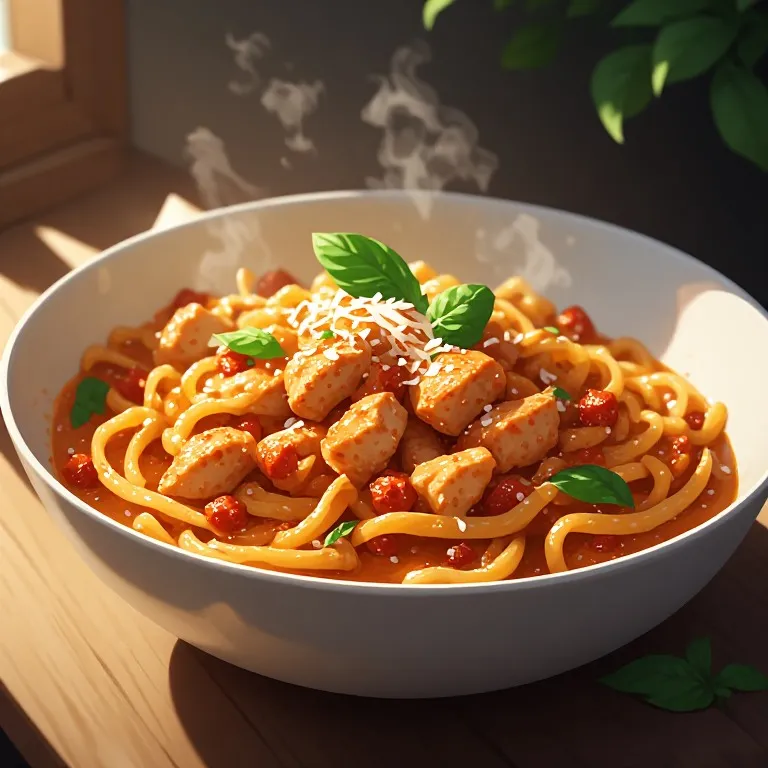
Sun-dried tomato version: Add 1/3 cup oil-packed sun-dried tomatoes (drained and chopped) when you add the garlic. The tomatoes add a jammy sweetness that turns this into something closer to Tuscan chicken pasta — a different recipe but built on the same bones.
Shrimp instead of chicken: Season peeled shrimp with garlic powder and salt, sear 90 seconds per side until pink, and serve immediately over the pasta. Shrimp overcooks fast — pull them as soon as they curl into a C shape.
Fully vegetarian: Skip the chicken. Double the garlic. Toss in a handful of fresh basil right before serving. This is the purest version of the sauce and honestly the most elegant.
Spicy: Add 1 full teaspoon of red pepper flakes with the garlic and a small pinch of cayenne to the cream. The heat plays against the richness in a way that makes the dish feel lighter.
Make It Ahead?
The sauce doesn’t hold well — cream sauces absorb into pasta within minutes and the texture changes. This is a make-and-eat dish. If you need to prep ahead, make the garlic cream base up to 2 hours in advance and store it separately; cook the pasta fresh and reheat the sauce gently over low heat with a splash of cream before tossing.
Leftovers reheat well the next day with a couple tablespoons of whole milk stirred in to loosen the sauce — microwave gently, stirring every 30 seconds.