


Pin It

Espresso Tonic

Espresso Tonic
Jump to Recipe
Prep 2 min Cook 0 min Serves 1
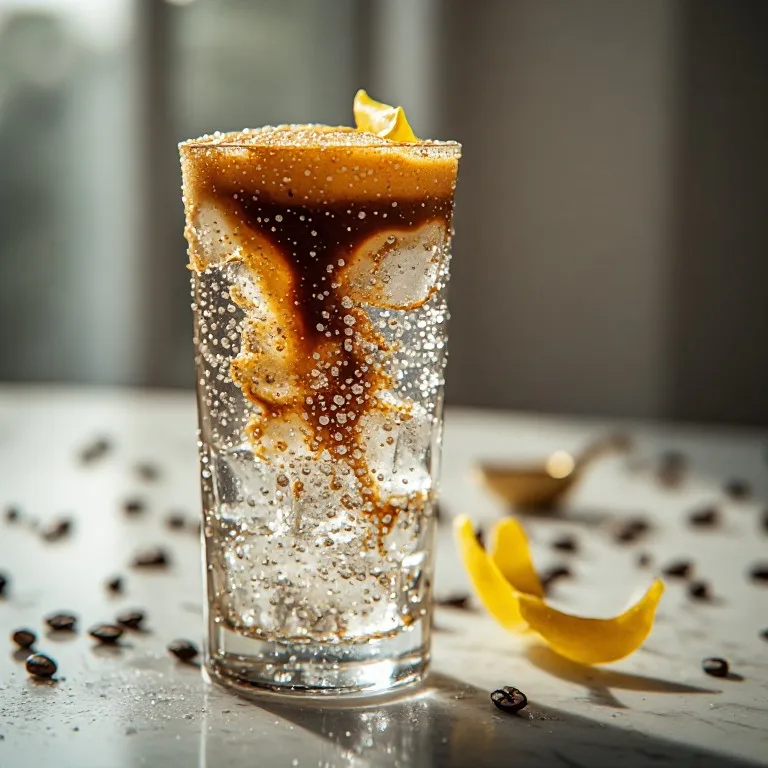
Quick answer: An espresso tonic is two shots of fresh espresso poured over tonic water and ice. The CO2 in the tonic reacts with the coffee oils when the espresso hits it, creating a foamy cloud that disperses in slow motion — that visual is why it went viral. Tasting it: slightly bitter, slightly effervescent, unexpectedly refreshing. Use Fever-Tree tonic, pour the espresso last, and don't stir.

Shop the tools

Gear matched to this recipe. These are Amazon affiliate links — we may earn a small commission if you buy, at no extra cost to you.

As an Amazon Associate, Copycat Spices earns from qualifying purchases. Product images are generic illustrations, not the exact item listed.

Espresso Tonic

The viral TikTok espresso tonic at home — espresso poured over tonic water and ice creates a stunning foam cloud effect and tastes surprisingly complex. Three ingredients, two minutes.

Easy Prep: 2 min Cook: 0 min Total: 2 min1 servings ~$2.45/serving
Prep2 min
Cook0 min
Total2 min
Servings
1
At home~$2.45/serving
vs
Restaurant~$11.02/serving
You save ~78%

The Story Behind the Recipe

The viral TikTok espresso tonic at home — espresso poured over tonic water and ice creates a stunning foam cloud effect and tastes surprisingly complex. Three ingredients, two minutes.

Nutrition Facts

Per serving (1 servings)
Calories40
Total Fat0g
Total Carbs8g
Dietary Fiber0g
Sugars8g
Protein0g
Sodium10mg

* Estimated values based on standard recipe preparation. Actual values may vary.

Ingredients

  • Optional additions

Instructions

💡
Pro tip: This recipe tastes even better the next day. The flavors need time to meld together in the fridge.
❄️
Storage: Keeps in an airtight container in the fridge for up to 2 weeks. Freezer-friendly for up to 3 months.
🎃 Free Halloween cookbook — download now The Copycat Halloween Cookbook A ready-made, photo-illustrated PDF of our best halloween copycat recipes — free to download, no building required. Pay what you want to support if you love it.

Free PDF — instant download. We'll also send new seasonal copycat recipes now and then; unsubscribe anytime. Or just download it →

Espresso Tonic — The Viral Coffee Drink That’s Actually Worth Making

Specialty coffee shops in Stockholm and London had it on their menus for years before TikTok discovered it. Then in 2023, espresso tonic went completely viral — not because of a new flavor or a complex recipe, but because of a visual: the moment fresh espresso hits carbonated tonic water over ice, something happens. The CO2 reacts with the coffee oils and creates a slow-motion foam cloud that disperses through the glass like smoke dissolving in water. It’s genuinely one of the most satisfying things you can film in a kitchen.

But here’s the part that surprises people who make it for the first time: it also tastes good.

Three Mistakes That Kill the Effect (and the Flavor)

The internet is full of espresso tonic recipes where the drink looks flat, murky, and nothing like the TikTok version. Almost always, one of three things went wrong.

Mistake 1: Using the wrong tonic water.

Supermarket tonic water — Schweppes, Canada Dry, most store brands — is formulated to be sweet and mild, often with artificial sweetener and minimal carbonation. When you pour espresso over it, you get a slightly fizzy, slightly bitter coffee drink with no foam and a medicinal aftertaste from the artificial sweeteners clashing with the coffee oils.

The fix is simple: use Fever-Tree Indian Tonic Water. It has higher carbonation, natural quinine (from real cinchona bark extract), and no artificial sweeteners. The quinine flavor is more assertive and more interesting — it’s the same slightly bitter, slightly herbal quality you taste in a well-made gin and tonic. Q Spectacular Tonic is the second-best option. Both are available at most grocery stores with a decent beverage section.

Mistake 2: Wrong pour order.

If you pour espresso into the glass first and then add tonic, you’ve already made iced coffee. The foam effect requires tonic water to be in the glass first, cold and carbonated, before the espresso arrives. The CO2 bubbles in the tonic react with the lipids and oils on the espresso’s surface — but only if the espresso is arriving as a concentrated drop into a carbonated liquid, not the other way around.

Mistake 3: Espresso that sat too long.

Freshly pulled espresso has a layer of crema — the emulsified oils and dissolved CO2 that give espresso its thick, reddish-brown foam cap. That crema is what creates the visual effect. If you pull your espresso and then answer a text for three minutes before assembling the drink, the crema collapses and those oils settle. Pour it immediately.

Why Tonic Water Works With Coffee (When It Shouldn’t)

The pairing sounds wrong on paper. Tonic water is bitter. Coffee is bitter. Doubling down on bitterness should be unpleasant.

But the bitterness in tonic water and the bitterness in espresso come from different chemical compounds — quinine in the former, chlorogenic acids and caffeine in the latter. They don’t stack the way you’d expect; they interact. Coffee’s bitterness tends to have more acidity and aromatic complexity; tonic’s bitterness is earthier and more medicinal. Combined, with carbonation cutting through both, the result reads as complex rather than harsh.

The comparison food scientists often reach for: bitter + bitter combinations in cocktails (Campari + sweet vermouth, Aperol + prosecco) that work because the bitterness comes from different sources with different aromatic profiles. Espresso tonic is, in some ways, the non-alcoholic coffee equivalent of a Negroni.

It works best with espresso from medium or light-roast single-origin beans, where you have brighter, fruitier notes — citrus, berries, stone fruit — to counterbalance the quinine. Dark-roast espresso pushes the bitterness past the interesting threshold into uncomfortable territory.

The Perfect Pour, Step by Step

Fill your glass with ice. Pour in the cold tonic. Hold a spoon just above the tonic’s surface, bowl-side up. Pour the espresso — slowly, in one continuous stream — over the back of the spoon so it distributes across the tonic’s surface gently instead of plunging through.

You’ll see it happen in real time: a rust-and-cream foam forms where the espresso hits the tonic, disperses in a slow wave, and gradually sinks as the two liquids find equilibrium. The whole thing takes about 30 seconds if you pour slowly enough.

Then: don’t touch it. The layers will blend on their own. Let the visual live.

Variations Worth Trying

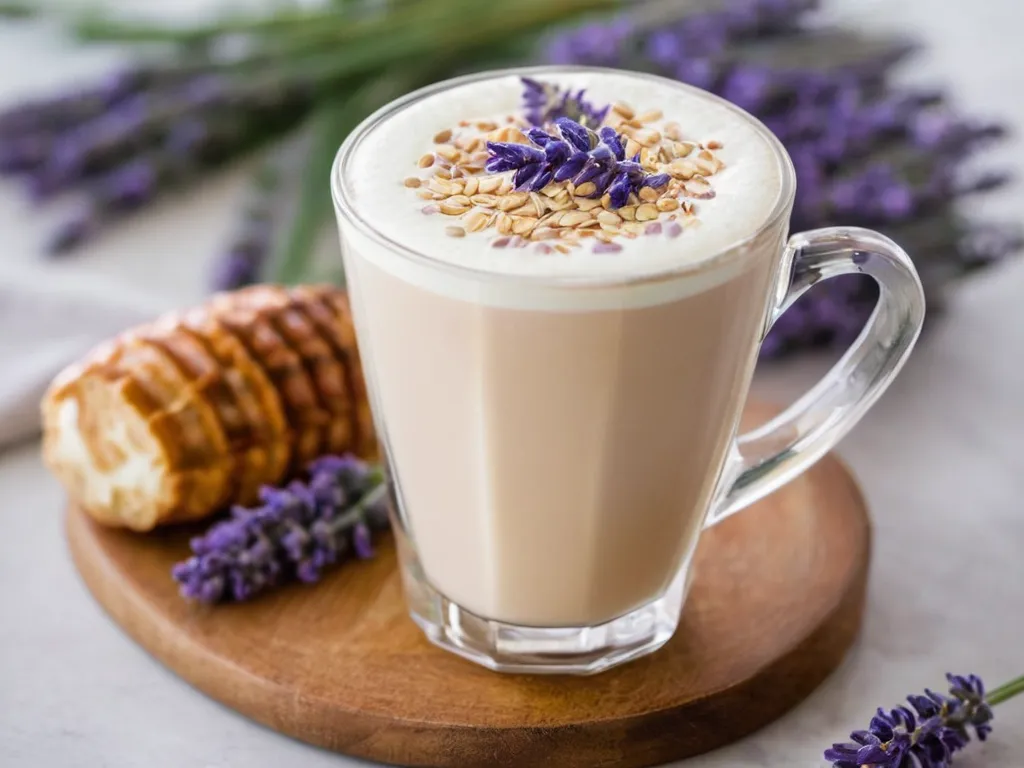
Lavender espresso tonic. Stir 1 teaspoon of lavender simple syrup into the tonic before adding espresso. The floral note bridges the bitterness of both components. This is the version most likely to convert people who find straight espresso tonic too intense.

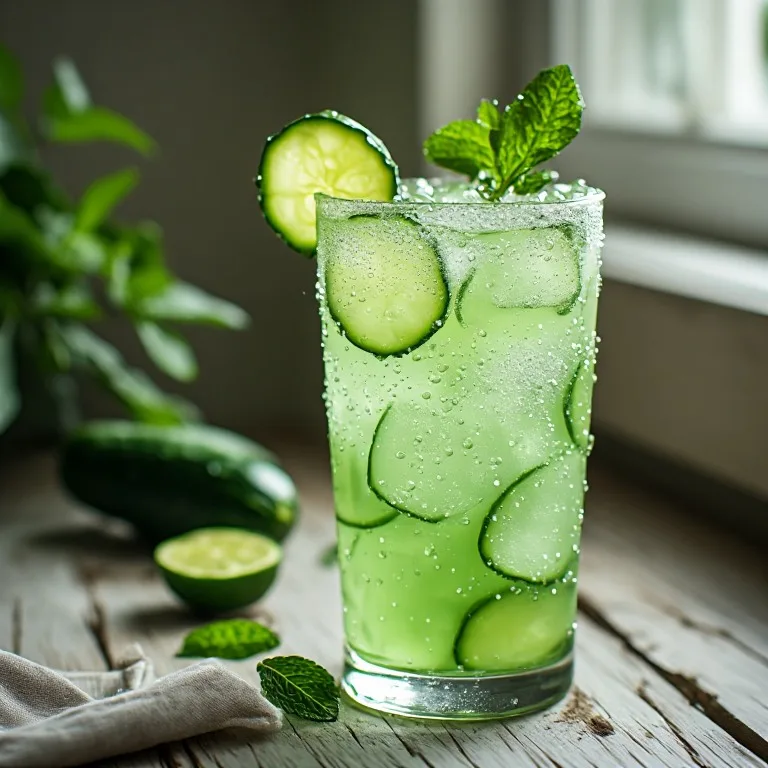
Citrus espresso tonic. Add a long strip of lemon peel (expressed over the glass to release the oils, then dropped in) and swap regular tonic for a lemon tonic like Fever-Tree Lemon Tonic. The citrus amplifies the brighter notes in a lighter-roast espresso.

Cardamom espresso tonic. Muddle two cardamom pods in the glass before adding ice. The spice adds a chai-adjacent warmth that works particularly well in fall. Add 1 teaspoon of simple syrup if you want sweetness.

Cold brew tonic. Substitute 3 oz of 1:1 cold brew concentrate for the espresso. Gentler flavor, no foam cloud, but works for anyone who finds the espresso-tonic combination too intense. Pour the cold brew over the tonic the same way.

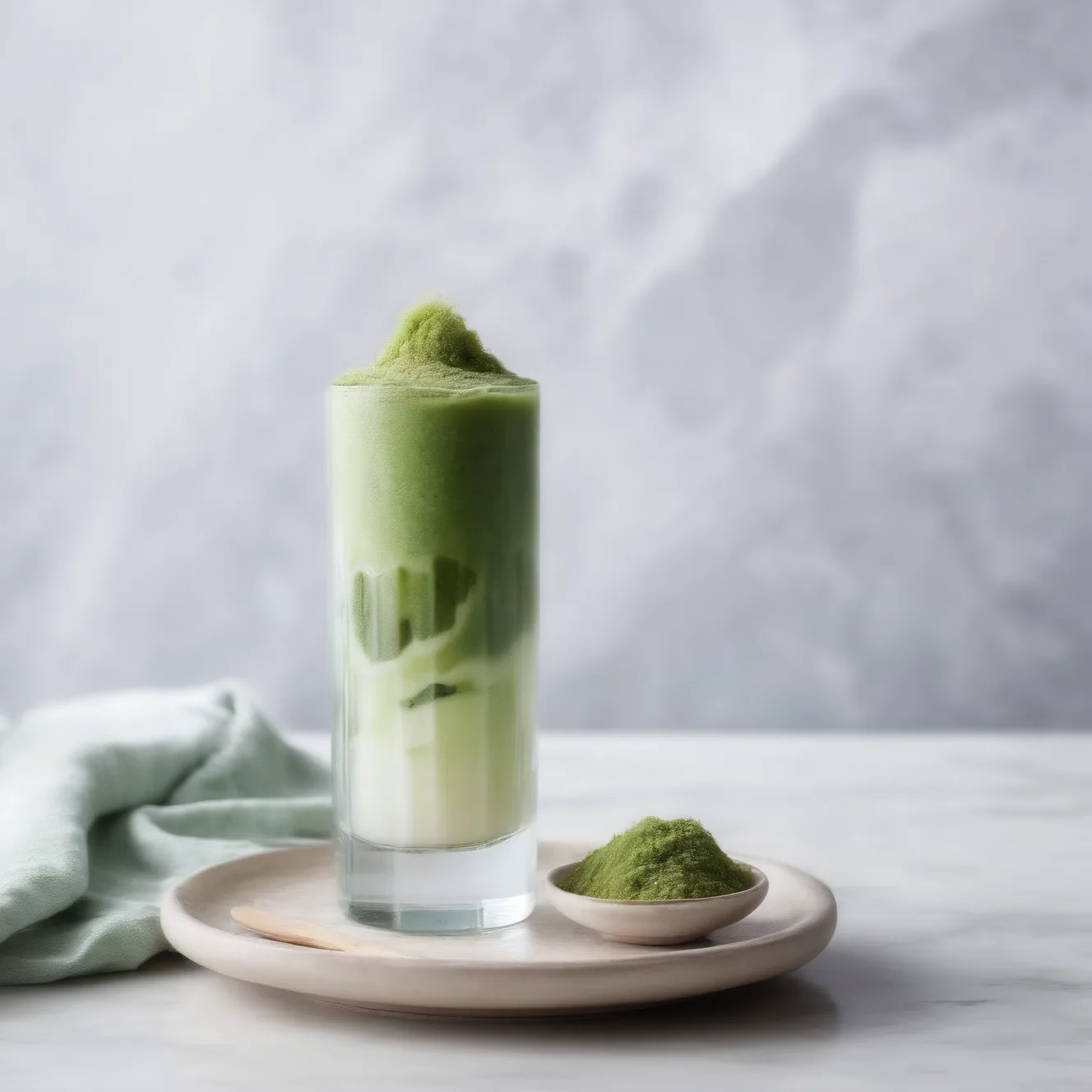
Matcha tonic. Not an espresso drink — whisk 1 teaspoon of ceremonial-grade matcha into 2 tablespoons of hot water to form a paste, then dilute slightly and pour over tonic using the same back-of-spoon technique. The visual effect is even more dramatic than espresso: a vivid green cloud dispersing through clear tonic water.

🥗

Make It Healthier

Love Espresso Tonic but want a lighter version? Try these simple swaps:

  • ✓One espresso tonic with regular tonic is about 40 calories and 8g sugar (all from the tonic — standard tonic water is sugar-sweetened, not sugar-free). That's still far lighter than a sweetened iced latte, which runs 200+ calories.
  • ✓To cut the sugar without wrecking the drink, use Fever-Tree Light Indian Tonic — it has about half the sugar but keeps real quinine and strong carbonation, unlike diet/zero tonics that fall flat and taste artificial
  • ✓The quinine in tonic water has a long history as a digestive aid; the amount in one drink is small but real
  • ✓Two shots of espresso is about 130mg caffeine — moderate, less than most energy drinks
  • ✓Skip tonic water if you take certain medications — quinine can interact with some blood thinners and antiarrhythmics

Frequently Asked Questions

Why does it look so different when I make it versus TikTok?

Three things kill the visual: (1) using cheap tonic with artificial sweetener — it doesn't have enough carbonation to create the foam cloud; use Fever-Tree Indian Tonic or Q Spectacular Tonic; (2) adding the espresso before the tonic — you need tonic in the glass first, then espresso poured slowly over the back of a spoon; (3) letting the espresso cool too long — pour it within 60 seconds of brewing while the oils are still emulsified.

Does it taste good, or is this just for looks?

It genuinely tastes good if you use quality ingredients. The quinine in tonic water is slightly bitter, which complements the espresso bitterness in a way that feels balanced rather than overwhelming. The carbonation adds a lightness that makes it feel refreshing instead of heavy. It's an acquired taste if you're used to sweet iced lattes, but coffee geeks love it — it's a popular menu item at specialty coffee shops in Sweden and the UK.

Can I use cold brew instead of espresso?

Yes, but the effect is different. Cold brew is less concentrated and has fewer surface oils, so you get less foam and a milder flavor. Use a 1:1 cold brew concentrate (not regular cold brew) for best results — about 2–3 oz over tonic. The result is gentler and less bitter, good if espresso + tonic sounds too intense.

What tonic water is best?

Fever-Tree Indian Tonic Water is the standard choice — cleaner, more natural quinine flavor, higher carbonation than supermarket brands. Q Spectacular Tonic is also excellent. Avoid Schweppes (too sweet, artificial) and diet/zero-sugar tonics (the flavor profile is wrong and the carbonation is weaker). Small-format bottles (200ml / 6.8oz) are ideal because you use the whole bottle before it goes flat.

Should I add sweetener?

Traditional espresso tonic is unsweetened — the slight bitterness is the point. If you want sweetness, add 1–2 teaspoons of simple syrup or flavored syrup (lavender, vanilla, and cardamom are popular) to the tonic before the espresso. Adding sweet syrup also makes the foam layer more pronounced because it gives the CO2 more to work with.

What roast of espresso works best?

Medium or light roast single-origin espresso is the ideal pairing. Light-to-medium roasts have more acidity and fruity notes — citrus, berry, stone fruit — that complement the quinine's bitterness rather than doubling down on it. A dark-roast espresso makes the drink taste aggressively bitter; save the dark roast for your cappuccino.

Love this recipe? Share it!

Free PDF: our 12 most-wanted copycat recipes — instant download.

Made it? Buy us a coffee

Every recipe here is free, with no paywalls. If this one was a hit at your table, a small tip keeps new copycats coming.

$

Ratings & Reviews

—
No ratings yet

Rate this recipe

Click a star to rate

Leave a Review

0/500

CS

Copycat Spices Editorial

Researched + fact-checked. Every recipe on Copycat Spices is built from published sources — official ingredient lists, brand-published recipes, interviews and food-science references — and fact-checked before it goes live, then written as clear, step-by-step instructions for home cooks of all skill levels.

Learn more about our mission →