Pin It

Copycat Cheesecake Factory Shrimp Scampi (Parmesan Crust, Roasted Garlic Cream)

Copycat Cheesecake Factory Shrimp Scampi (Parmesan Crust, Roasted Garlic Cream)
Jump to Recipe
Prep 20 min Cook 25 min Serves 4
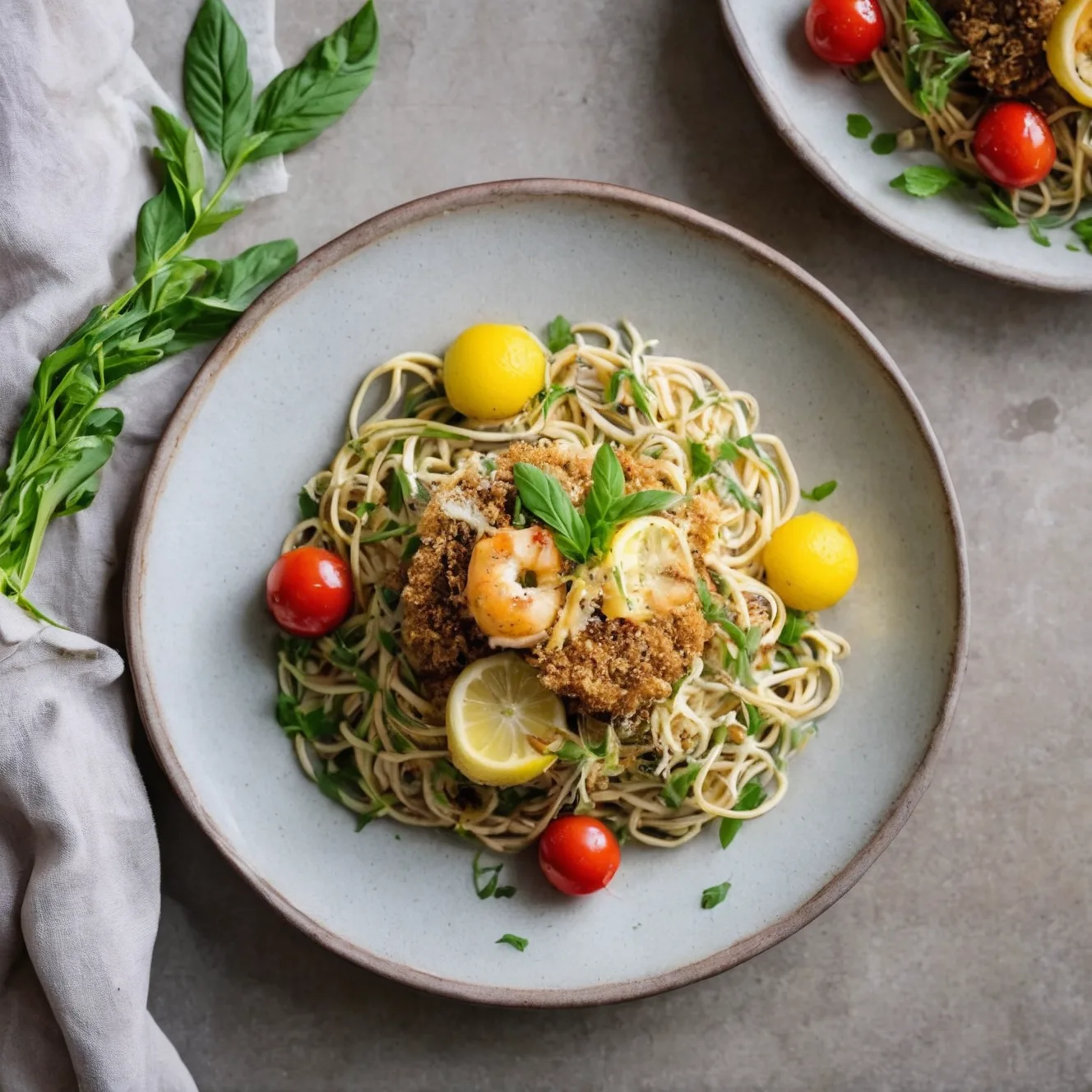
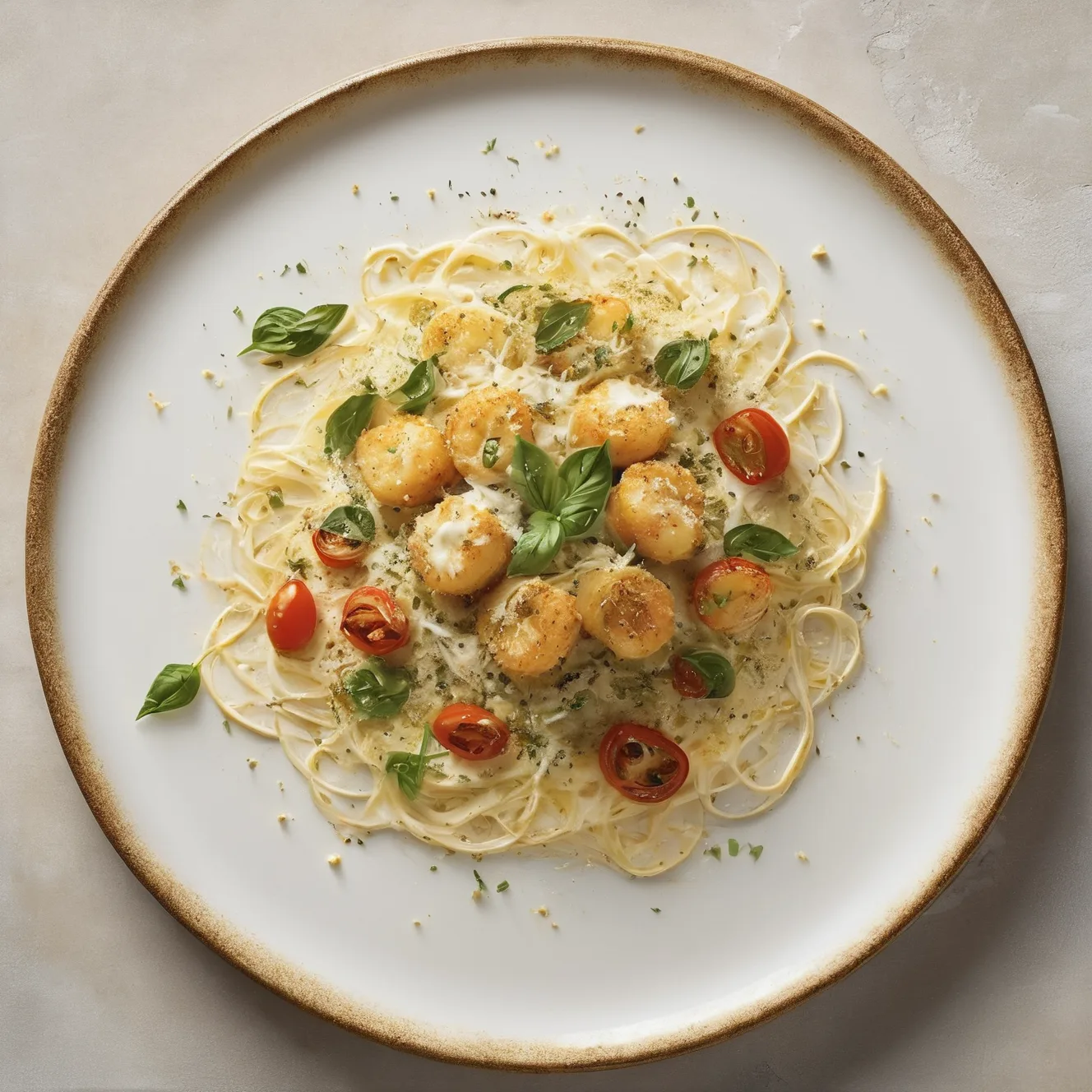
Quick answer: Cheesecake Factory Shrimp Scampi is not a traditional garlic-butter-lemon scampi. The shrimp are dredged in a Parmesan-flour-garlic powder coating and pan-fried golden, then arranged standing upright in a ring around a mound of angel hair pasta — not mixed into the sauce — so the crispy crust stays intact. The sauce is a roasted garlic cream: white wine, heavy cream, shallots, whole roasted garlic cloves, diced tomatoes, and fresh basil. The roasted garlic is the defining ingredient — whole cloves roasted until golden and nutty, which stay somewhat intact in the sauce rather than dissolving, giving bursts of sweet garlic in each bite. At the restaurant this is approximately 1,350 calories and runs $24.95 to $28.95 depending on location. At home this recipe feeds four for roughly $45 total, or about $11 per serving.

Copycat Cheesecake Factory Shrimp Scampi (Parmesan Crust, Roasted Garlic Cream)

Cheesecake Factory Shrimp Scampi is not a classic garlic-butter scampi. The shrimp are Parmesan-and-flour crusted and pan-fried, then arranged upright around angel hair pasta in a roasted garlic cream sauce with white wine, diced tomatoes, and fresh basil. The restaurant version runs about 1,350 calories and $24–29. This copycat nails the crispy crust and the roasted garlic cream in about 45 minutes.

Medium Prep: 20 min Cook: 25 min Total: 45 min4 servings ~$4.50/serving
Prep20 min
Cook25 min
Total45 min
Servings
4
At home~$4.50/serving
vs
Restaurant~$20.25/serving
You save ~78%

Ingredients

Instructions

💡
Pro tip: This recipe tastes even better the next day. The flavors need time to meld together in the fridge.
❄️
Storage: Keeps in an airtight container in the fridge for up to 2 weeks. Freezer-friendly for up to 3 months.
~200-300 cal/serving · Rich & Indulgent🔥

The Story Behind the Recipe

Copycat Cheesecake Factory Shrimp Scampi

Prep time: 20 min (plus 35 min roasting garlic) Cook time: 25 min Servings: 4

The name is misleading. Cheesecake Factory Shrimp Scampi is not the classic Italian-American garlic-butter-lemon preparation that “scampi” usually signals. The shrimp are not sautéed in a clear butter sauce. They are coated in a Parmesan-and-flour crust and pan-fried golden. The sauce is not a thin lemony butter emulsion — it is a heavy cream and white wine reduction built on whole roasted garlic cloves, diced tomatoes, and fresh basil. The dish is richer, more complex, and more visually striking than its name implies, and the roasted garlic is the ingredient that makes every bite unmistakably different from a standard restaurant scampi.

The restaurant charges $24.95 to $28.95 depending on location and serves it at roughly 1,350 calories. At home, this recipe feeds four for about $45 total, or roughly $11 per serving, and comes in around 720 calories per plate.

Cost Comparison: Home vs. Restaurant
Cheesecake FactoryHomemade (4 servings)
Per plate~$24.95–$28.95
Full batch (4 plates)~$100–$116~$45
Per serving~$27~$11
Calories~1,350~720

The heavy cream and shrimp are the only premium ingredients. A pint of heavy cream runs $3–4; 1.5 lbs of 26/30-count large shrimp from a grocery seafood counter is typically $14–18. Everything else is pantry staples plus a head of garlic.

What Makes the CF Version What It Is

Parmesan-flour coating instead of sautéed bare shrimp. This is the single biggest departure from what the name “scampi” suggests. The coating is flour, finely grated Parmesan, garlic powder, and smoked paprika, pressed onto dry shrimp and pan-fried in butter until golden. The Parmesan browns into a fragrant, slightly salty crust that adds flavor the bare shrimp in a classic scampi never have. It also creates a textural contrast with the cream sauce — the crust softens where it contacts the pasta but stays crispy where it is exposed above the sauce line.

Roasted garlic, not sautéed. This is the dish’s most distinctive flavor element. Roasting a whole head of garlic at 400°F for 35 to 40 minutes transforms sharp, pungent raw garlic into something sweet, soft, and nutty. The cloves go into the cream sauce mostly whole, where they continue to mellow rather than dissolving. The result is a sauce with sweet garlic depth and occasional soft pockets of roasted clove — completely different from the sharp garlic-forward bite in a classic scampi. The roasting can be done up to 3 days ahead and refrigerated, which removes the time-intensive step from the weeknight version.

Heavy cream (a full pint). A traditional scampi sauce has no cream — it’s a butter emulsification. CF’s sauce is unmistakably restaurant cream sauce: white wine reduces by half, heavy cream goes in and simmers until it coats a spoon. The tomatoes and basil keep the richness from feeling heavy, but this is firmly in the American casual-dining cream pasta category, not the Italian trattoria one.

Standing shrimp arrangement. This dish is typically plated with the shrimp standing upright in a ring around the pasta mound, tails out — the plating the widely-published copycat versions call for. It’s both a visual choice and a practical one: shrimp laying flat in cream sauce soften immediately; standing upright with the crust exposed, they retain texture through most of the meal.

The Shrimp Scampi vs. Bistro Shrimp Pasta Side-by-Side

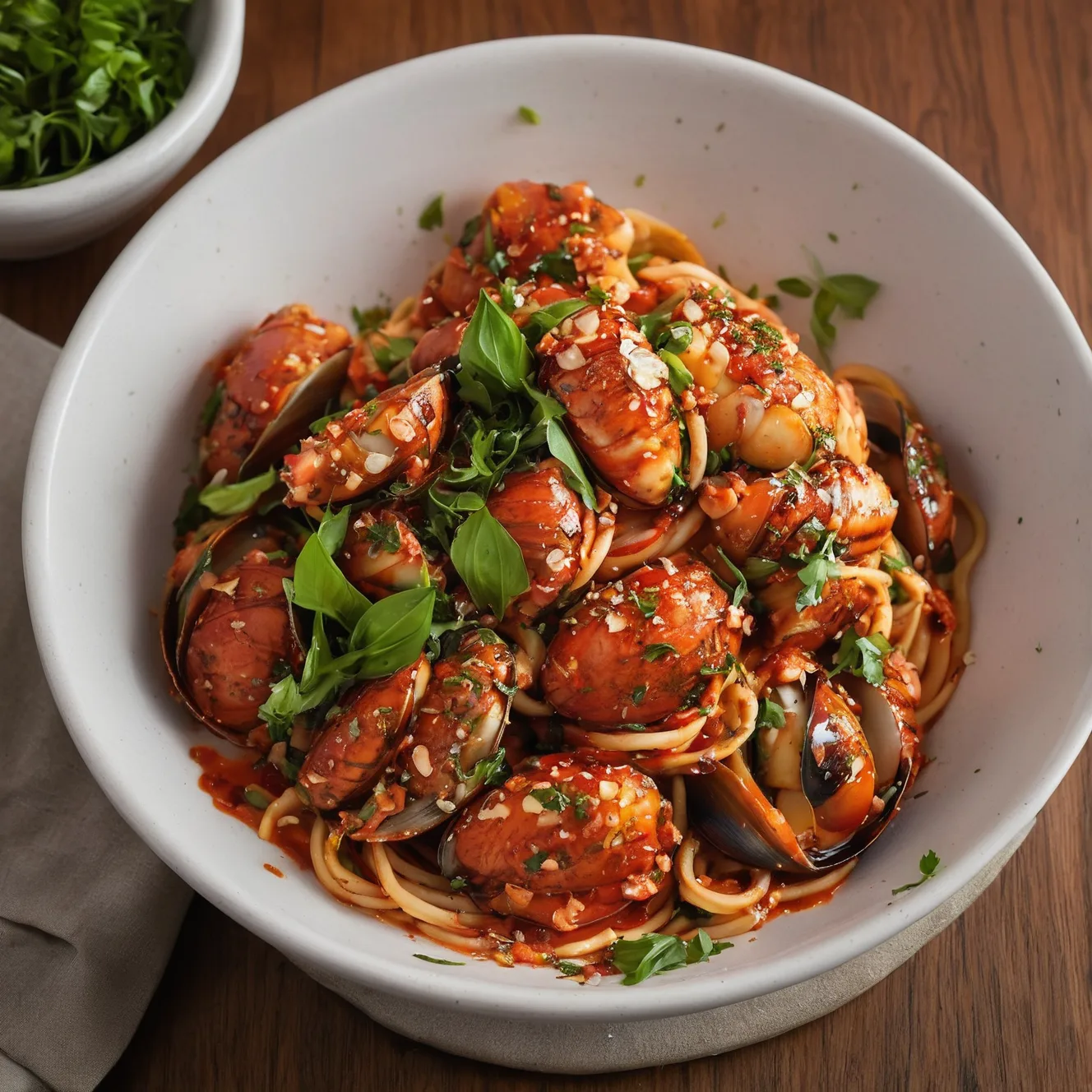
The two dishes are frequently confused — both use pan-fried shrimp in a cream sauce over pasta. The Bistro Shrimp Pasta was removed from the CF menu in March 2025.

Shrimp Scampi (current)Bistro Shrimp Pasta (discontinued)
Shrimp coatingParmesan + flour + garlic powderPanko breadcrumbs
PastaAngel hairSpaghetti
Sauce garlicWhole roasted clovesSliced sautéed garlic
Sauce baseCream + white wine + tomato + basilCream + white wine + lemon + arugula
Other componentsDiced tomatoesMushrooms, cherry tomatoes, arugula
Shrimp positionUpright around pastaLaid flat on top
Calories~1,350~2,010
Menu statusCurrently availableRemoved March 2025

Both are cream-based pasta dishes with fried shrimp — the disambiguation is in the specifics, not the broad category.

Do Ahead and Timing Notes

The roasted garlic is the longest step and the one most worth doing in advance. A whole head of garlic roasts for 35 to 40 minutes at 400°F and keeps in the refrigerator for up to 3 days once cooled. If you have roasted garlic ready, this dish comes together in under 30 minutes.

The sauce can also be built up to 2 hours ahead through the cream-reduction step, then held on very low heat. Add the tomatoes and basil just before serving — both lose their freshness quickly in a hot sauce.

The shrimp should be cooked fresh, as close to plating as possible.


See also:

See all Cheesecake Factory copycat recipes →

Nutrition Facts

Per serving (4 servings)
Calories720
Total Fat35g
Total Carbs56g
Dietary Fiber3g
Sugars5g
Protein38g
Sodium820mg

* Estimated values based on standard recipe preparation. Actual values may vary.

🥗

Make It Healthier

Love Cheesecake Factory Shrimp Scampi (Parmesan Crust, Roasted Garlic Cream) but want a lighter version? Try these simple swaps:

  • Use half-and-half in place of heavy cream to save about 80 calories per serving; the sauce will be thinner and less rich but still very good — simmer it a minute longer to compensate
  • Use 3 tbsp of pre-made roasted garlic paste to skip the 40-minute oven step while keeping the flavor profile
  • Substitute zucchini noodles for angel hair to cut carbs significantly; toss them raw in the warm sauce for 30 seconds only

Equipment You'll Need

Two large skillets (or one + a deep saucepan)

One for the cream sauce, one for frying the shrimp — running them together is the key to keeping the shrimp hot while the sauce stays warm

Foil for roasting garlic

The garlic can be roasted up to 3 days ahead — this is the most time-intensive prep step and it's worth doing the day before

Shallow bowl or plate for dredging

Wide enough to press the shrimp flat into the Parmesan coating on both sides

Large pot

Angel hair cooks in 2–3 minutes; time it to be ready when the shrimp and sauce are done

Frequently Asked Questions

Is Cheesecake Factory Shrimp Scampi a traditional scampi — garlic butter, white wine, lemon?

No, and this is the most important accuracy point about the dish. Traditional Italian-American scampi is sautéed shrimp in a clear garlic-butter-white wine-lemon sauce — no cream, no breading, no tomatoes. Cheesecake Factory's Shrimp Scampi is something different: the shrimp are dredged in Parmesan and flour and pan-fried crispy, and the sauce is a heavy cream and white wine base with whole roasted garlic cloves, diced tomatoes, and fresh basil. The 'scampi' in the name refers to the shrimp as the main ingredient (scampi is Italian for the type of crustacean) and the garlic-forward character, not to the classic Italian-American sauce technique. If you search online for this dish expecting garlic butter and lemon, you will be surprised. The restaurant's version is richer and more composed than the name suggests.

What makes CF's version different from Bistro Shrimp Pasta, which was discontinued in 2025?

Both dishes use pan-fried shrimp in a cream sauce over pasta, which creates genuine confusion — especially since Bistro Shrimp Pasta was removed from the CF menu in March 2025 and Shrimp Scampi remains available. The structural differences: Shrimp Scampi uses a Parmesan-and-flour coating on the shrimp (thinner, more fragrant, Parmesan-forward) versus panko breadcrumbs in Bistro Shrimp Pasta (thicker, crunchier, neutral). The scampi sauce uses roasted whole garlic cloves, heavy cream, white wine, diced tomatoes, and fresh basil. The Bistro Shrimp Pasta sauce used sautéed sliced garlic, heavy cream, lemon juice, cherry tomatoes, mushrooms, and arugula — a more acidic, complex, restaurant-salad style of cream sauce. The scampi is served over angel hair; the bistro pasta over spaghetti. The scampi shrimp also stand upright around the pasta rather than laying on top. Calorie-wise, the scampi runs roughly 1,350 calories versus the bistro pasta's approximately 2,010 calories.

What pasta does Cheesecake Factory use for Shrimp Scampi?

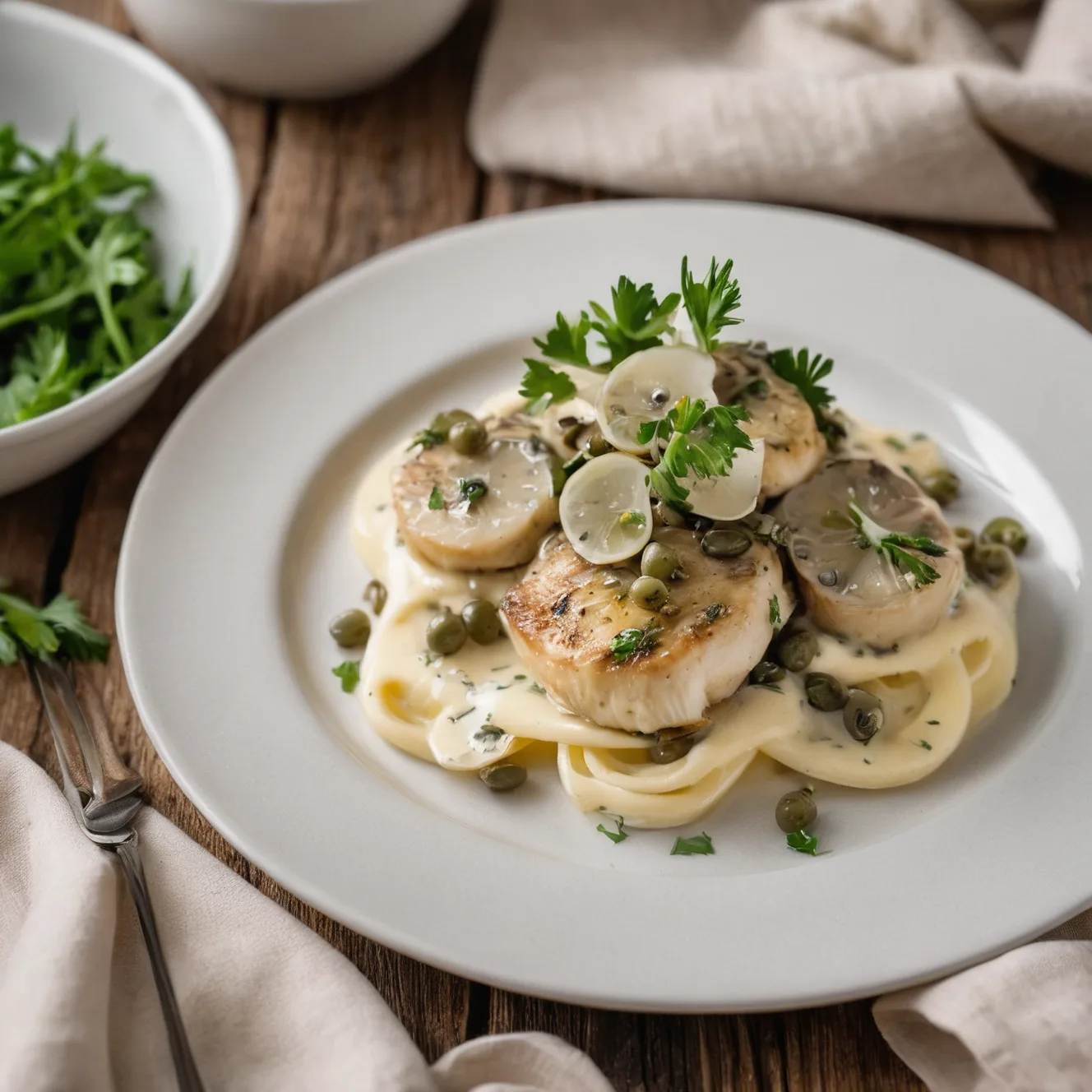
Angel hair (capellini). CF serves this dish over angel hair, the same pasta used for Chicken Piccata and several other seafood and cream pasta dishes. Angel hair is 1.0 to 1.5 mm thick — significantly thinner than spaghetti (2.0 mm) or linguine (2.5–3.5 mm). For a cream sauce, that means more coating per strand and a softer overall bite that doesn't compete with the crispy shrimp. It also cooks in 2 to 3 minutes, which is practical when you are timing the shrimp and sauce simultaneously. Some recipe sites list linguine, which is a standard choice for traditional scampi, but CF specifically uses angel hair.

What is roasted garlic and why does CF use it instead of sautéed?

Roasting garlic transforms its flavor completely. Raw or lightly sautéed garlic is sharp, pungent, and sulfurous — the flavor most people think of as 'garlic.' Roasted garlic is mellow, sweet, nutty, and almost caramel-like. The process (wrapping a whole head in foil with olive oil at 375–400°F for 35 to 40 minutes) drives the sharp sulfur compounds out and concentrates the natural sugars. Cheesecake Factory's scampi uses roasted garlic cloves in the cream sauce so the garlic adds sweetness and depth without sharpness. The cloves stay somewhat intact rather than dissolving, so you get occasional bites of soft, sweet roasted garlic in the pasta. This is a fundamentally different flavor profile than the garlic bite you get in a classic sautéed scampi sauce. If you are pressed for time, you can substitute 2 teaspoons of pre-made roasted garlic paste from a jar (Trader Joe's and many grocery stores carry it), but the flavor is slightly less vivid than roasting whole cloves yourself.

How do I keep the Parmesan crust on the shrimp from falling off?

Three technique details matter: pat the shrimp completely dry before dredging, press the coating firmly onto the shrimp, and let the coated shrimp rest for 3 to 5 minutes before frying. Wet shrimp reject the coating — the moisture prevents the flour from adhering and the crust slides off in the pan. The Parmesan in the coating browns quickly and forms a crispy shell around the shrimp within 60 to 90 seconds per side; once it sets, the crust is stable. Also use medium-high rather than high heat — the Parmesan can brown faster than the shrimp cook if the heat is too aggressive, leaving a burnt crust on raw shrimp. Finally, arrange the shrimp upright and leaning against the pasta on the plate rather than laying them flat in the cream sauce — contact with the hot liquid will soften the crust over time.

Why are the shrimp arranged standing upright, not mixed into the pasta?

The shrimp arrangement is both visual and functional. Standing the shrimp upright in a ring around the pasta mound — tails pointing out — is how the dish is commonly plated, and the widely-published copycat versions call for it specifically. Functionally, keeping the shrimp out of the cream sauce preserves the Parmesan crust. Breaded or coated shrimp soften and lose their texture within a minute of sitting in a hot cream sauce. By arranging them around rather than in the pasta, they stay crispy through most of the meal. At home, plate the pasta in a mound in the center of the bowl, then stand the shrimp upright around the edge with the tails pointed out.

How many calories and how much does it cost at the restaurant versus at home?

At the Cheesecake Factory, the Shrimp Scampi dinner portion runs approximately 1,350 calories, 77g fat, 123g carbs, 45g protein, and about 2,800mg of sodium (per fastfoodnutrition.org). The price as of 2026 is approximately $24.95 to $28.95 per plate depending on location. At home, this recipe feeds four for roughly $45 in ingredients — about $11 per serving — and comes in around 720 calories per serving. The higher calorie count (compared to many home recipes) is because the sauce uses a full pint of heavy cream and the shrimp are fried in butter. The home version uses less cream and fewer shrimp than the restaurant portion, which is why the per-serving count drops by roughly half.

Love this recipe? Share it!

Shop the tools

Gear matched to this recipe's equipment list. We may earn a small commission if you buy through these links — at no extra cost to you.

As an Amazon Associate, Copycat Spices earns from qualifying purchases.

Free PDF: our 12 most-wanted copycat recipes — instant download.

Ratings & Reviews

No ratings yet

Rate this recipe

Click a star to rate

Leave a Review

0/500

CS

Copycat Spices Test Kitchen

Every recipe on Copycat Spices is developed and tested in our home test kitchen. We reverse-engineer beloved restaurant dishes and refine each one until the flavors and the instructions work reliably for home cooks of all skill levels.

Learn more about our mission →