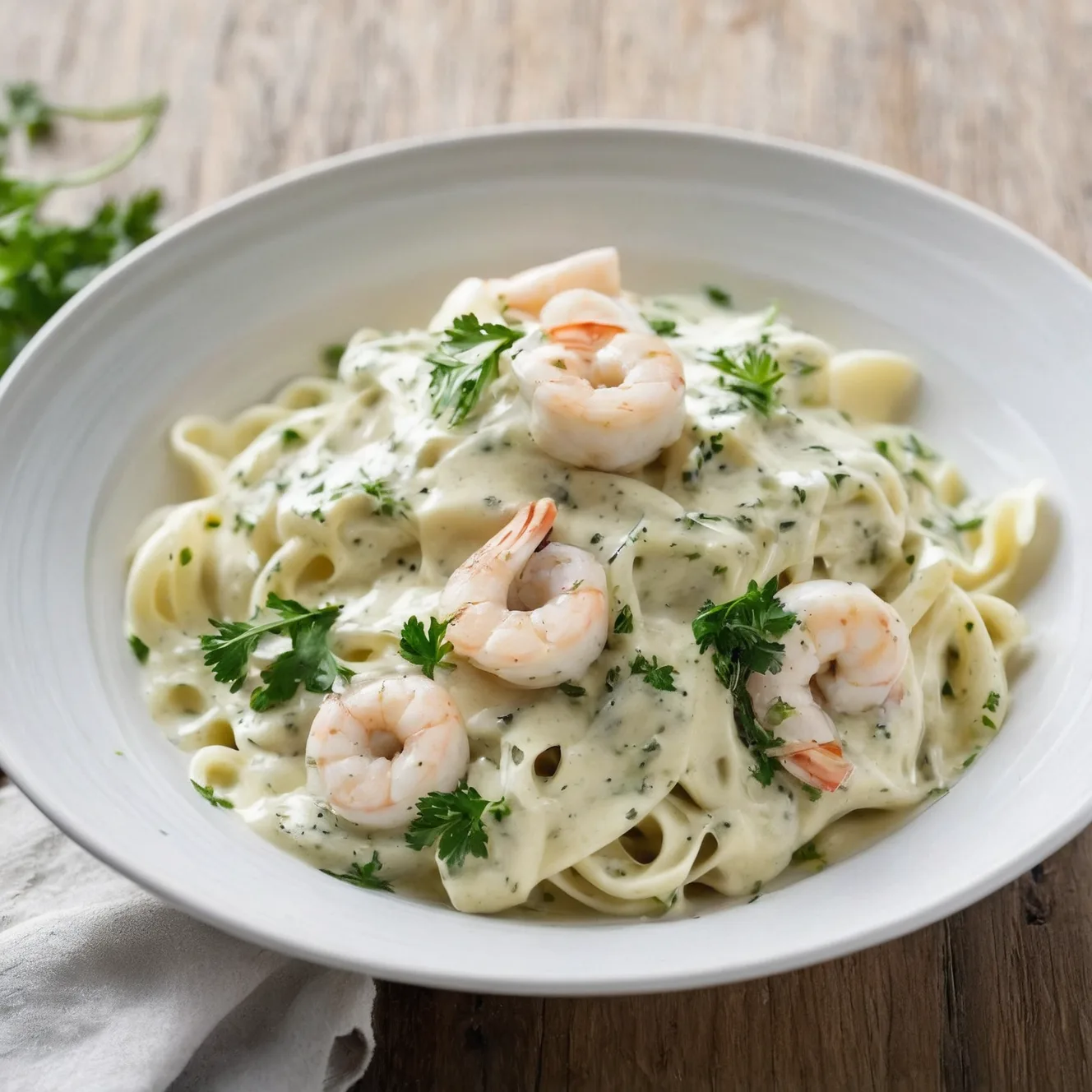
Copycat Olive Garden Shrimp Alfredo
Prep: 10 min | Cook: 20 min | Serves: 4 | Cost: ~$22 at OG per plate vs. ~$7 per serving at home
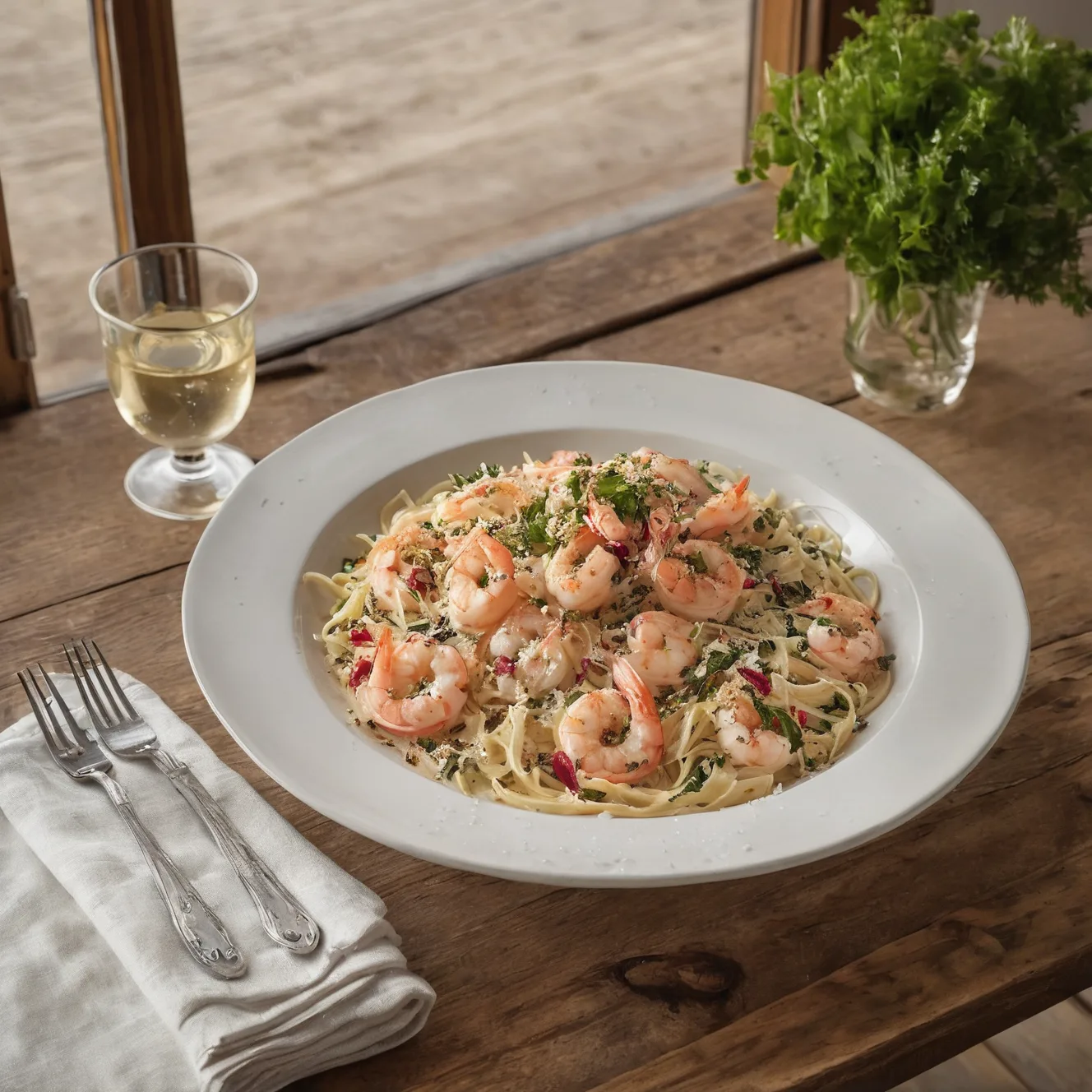
Olive Garden’s Shrimp Alfredo is the same silky Parmesan-Romano cream sauce as the Fettuccine Alfredo, with large seared shrimp added at the last moment. It’s one of the quickest weeknight pasta dishes you can make — the shrimp cook in under 4 minutes, the sauce comes together in 10 — but it only works if you get two things right: don’t overcook the shrimp, and add the cheese off heat.
TL;DR:
- Pat shrimp completely dry before seasoning — wet shrimp steam instead of sear
- Cook shrimp to a loose ‘C’ shape, not a tight ‘O’ (tight = overcooked)
- Remove shrimp before building the sauce; return only at the final toss
- Sauce uses both Parmesan AND Romano, grated fresh from the block
- Cheese goes in off heat — proteins clump above 185°F
- Reserve pasta water to adjust sauce consistency at the end
- Serve immediately; Alfredo stiffens as it cools
What Makes Shrimp Alfredo Different from Chicken Alfredo
The sauce is identical. The difference is entirely in the protein and how it’s handled.
Chicken has a long cook time (10–12 minutes total for seared breasts), so it’s cooked first, set aside, and the sauce is built in the same pan to capture the fond — the caramelized browned bits that add meatiness to the sauce.
Shrimp cook in under 4 minutes total and carry almost no fond. They go in after the chicken’s pan logic but require the same discipline: remove them from the heat the moment they’re done, and don’t return them until the sauce is ready. The enemy of shrimp is residual heat — even off the stove, shrimp left in a hot pan continue cooking and tip from tender to rubbery in under 60 seconds.
The other difference is flavor profile. Chicken brings a savory, meaty richness that competes with the cream sauce; shrimp brings a clean, slightly sweet brininess that complements it. Shrimp Alfredo tastes a little lighter even though the sauce is identical — the shrimp’s flavor is additive rather than dominant.
The Shrimp: What to Buy and How to Cook It
Size: Use large shrimp (21/25 count per pound). This gives you 5–6 shrimp per serving — substantial bites without the ratio tipping toward shrimp-as-garnish or shrimp-as-the-whole-dish. Extra-large (16/20 count) work fine but take 30 extra seconds per side. Medium (31/40) are too small; they overcook before you’ve had time to react and get lost in thick fettuccine.
Fresh vs. frozen: Don’t pay a premium for “fresh” shrimp at the fish counter. Most of it was previously frozen and thawed. Buying frozen shrimp directly and thawing yourself at home is often higher quality (frozen at peak freshness on the boat) and always cheaper. Thaw overnight in the refrigerator, or under cold running water for 10 minutes in a bowl. Never use warm water — it starts cooking the shrimp.
Peeled and deveined: Buy them this way to save time. Tails on or off is personal preference — tails on looks better; tails off is easier to eat.
The non-negotiable step: Pat the shrimp completely dry with paper towels immediately before seasoning. Wet shrimp hitting a hot pan create a steam burst that drops the pan temperature and keeps the shrimp surface at 212°F until the moisture evaporates. By then, the exterior is pale and rubbery and you’ve lost the chance for any sear. Dry shrimp contact a hot pan and brown in the first 30 seconds.
Reading Shrimp Doneness: The C vs. O Rule
You can’t check shrimp with a thermometer the way you check chicken — they’re too small and move too fast. Instead, watch two things: color and shape.
Color: Shrimp go from translucent gray to pink and opaque as they cook. The interior should be fully opaque — no translucent gray in the center — when done. If you see a gray spot in the middle, give it another 20 seconds.
Shape: Raw shrimp are straight. As proteins denature during cooking, the shrimp curls. The target is a loose ‘C’ shape — curled, but not coiled. If the tail tip is pointing toward (but not touching) the head end, it’s about right. If the shrimp has curled into a tight ‘O’ — tail fully touching head — it’s overcooked. At that point the proteins have contracted enough to squeeze out moisture, and no amount of sauce will make them tender.
Large (21/25) shrimp in hot butter: 90 seconds first side, 60–90 seconds second side. Start checking at 90 seconds total by looking at the widest part of one shrimp for the opaque center.
Why the Off-Heat Cheese Rule Matters
This is the most commonly skipped step in every cream-sauce pasta recipe, and it’s what separates silky restaurant-style Alfredo from grainy homemade versions.
Parmesan and Romano contain proteins that denature — permanently change structure — when they hit liquid above approximately 185°F. At that temperature, the proteins seize into clumps instead of dissolving into the cream and fat. You’ll see visible white specks and a gritty texture that no amount of stirring will fix.
The fix: remove the pan from heat. Wait 30 seconds for the cream to cool slightly below the danger zone. Add the cheese in two additions, stirring until each is fully incorporated before adding the next. The residual heat in the cream is more than sufficient to melt freshly grated Parmesan and Romano smoothly. After the cheese is in, don’t return the pan to high heat — if you need to warm the sauce, use medium-low.
Second rule: grate the cheese yourself from a block. Pre-shredded cheese in bags contains anti-caking agents (typically powdered cellulose) that coat each strand and prevent it from melting cleanly into cream and fat. It will always produce a grainier sauce than freshly grated cheese, regardless of how carefully you manage the temperature.
The Two-Cheese Sauce
The Alfredo sauce at Olive Garden uses both Parmesan and Romano — a combination that appears in most serious copycat recipes. Olive Garden markets the sauce as “Parmesan,” but the Romano is what adds depth.
Parmesan (Parmigiano-Reggiano or domestic) provides the nutty, umami-forward richness and the creamy body. It’s the dominant cheese in volume (3 parts Parmesan to 1 part Romano).
Romano (Pecorino Romano or domestic Romano) is sharper, saltier, and slightly tangy. It adds a contrasting edge that prevents the sauce from being one-dimensionally rich — the same reason a dash of Worcestershire or lemon juice makes butter-heavy sauces taste more alive. The quantity is small enough that the sauce doesn’t taste like Romano; it just doesn’t taste flat.
Both must be freshly grated. Both must go in off heat.
Timing: Running Both Proteins and Pasta Together
Shrimp Alfredo is faster than Chicken Alfredo by several minutes. Here’s how to run everything concurrently without things getting cold or overcooking:
- Get pasta water boiling (10–12 min). While it heats, prep and dry the shrimp.
- Start the pasta. While it cooks, sear the shrimp (4 min total) and set aside.
- Build the sauce in the same pan (8–10 min, overlapping the end of the pasta cook).
- When sauce is ready, drain the pasta (saving the water). Add pasta to sauce. Toss 1 minute.
- Return shrimp. Fold once or twice. Serve immediately.
The goal is to have the pasta and sauce ready at roughly the same time. The shrimp are the most time-sensitive element; they can wait 5–6 minutes on a plate at room temperature without deteriorating, but they should not sit longer than that.
Common Mistakes
Overcooking the shrimp. This is by far the most common problem. Shrimp go from done to rubbery in under 60 seconds. Watch the shape, not the clock. Remove at the first sign of a loose ‘C’ — they’ll carry over slightly from residual heat.
Not drying the shrimp. The second most common mistake. Wet shrimp can’t sear. Paper towels, aggressively, right before seasoning.
Adding cheese to a hot pan. Grainy sauce, every time. Off heat, 30 seconds, then cheese.
Using pre-shredded cheese. See above. The cellulose coating prevents smooth melting. Grate from a block.
Skipping the cream reduction. Under-reduced cream makes thin, watery sauce. Simmer 4–5 minutes until it coats the back of a spoon before adding cheese.
Returning shrimp too early. If you add the shrimp back while the sauce is still on high heat and the pasta is still tossing vigorously, they’ll overcook in the pan. Return them only at the final gentle fold, with the heat off.
Storage and Reheating
Refrigerator: Store in an airtight container up to 2 days. (Shorter than the chicken version — shrimp deteriorate faster than cooked chicken in dairy-based sauce.) The sauce will solidify as it cools.
Reheating stovetop: Add 2–3 tablespoons of heavy cream or milk per serving and warm over low heat, stirring constantly. Do not use high heat — the emulsion breaks, fat separates, and cheese turns grainy. Low and slow is the only option.
Microwave: Works in short 30-second bursts with stirring between each. Add a splash of cream before microwaving. Results are less even than stovetop.
Freeze: Not recommended. Cream-based sauce separates badly when frozen; the texture does not recover. Cooked shrimp also deteriorate significantly in the freezer.
Cost Breakdown
| Item | Approx. cost |
|---|---|
| 1 lb fettuccine | $2 |
| 1 lb large shrimp | $10–12 |
| Heavy cream (1 pint) | $4 |
| Parmesan + Romano blocks | $5–6 |
| Butter, garlic, herbs | ~$1 |
| Total (serves 4) | ~$22–25 |
| Per serving | ~$6–7 |
Olive Garden’s dinner Shrimp Alfredo runs $20–24 per plate. This home batch costs roughly the same for four servings total.
More Olive Garden Recipes
The Shrimp Alfredo shares its sauce with the rest of the Alfredo family. If you’ve nailed the sauce, these are a natural next step:
- Olive Garden Fettuccine Alfredo — the same Parmesan-Romano cream sauce without protein, when you want it pure. The most stripped-down version of this sauce.
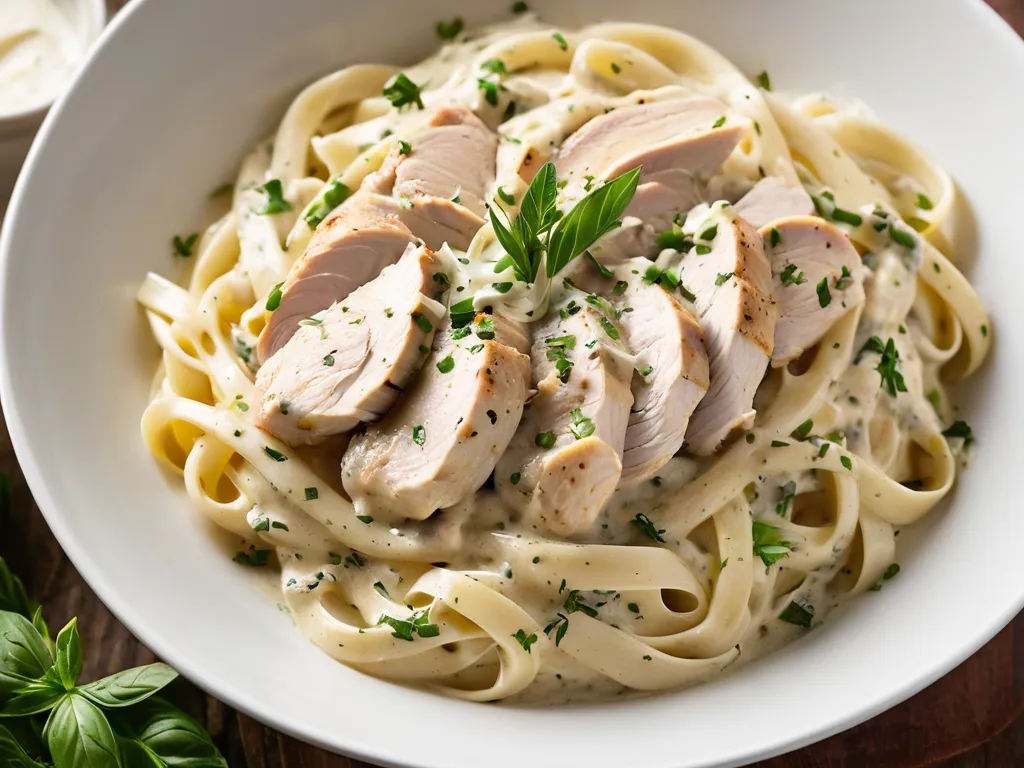
- Olive Garden Chicken Alfredo — the bestselling version: seared chicken breast over fettuccine in the same sauce. Includes the full history of Roman-vs.-American Alfredo and a detailed breakdown of why the two-cheese blend works.
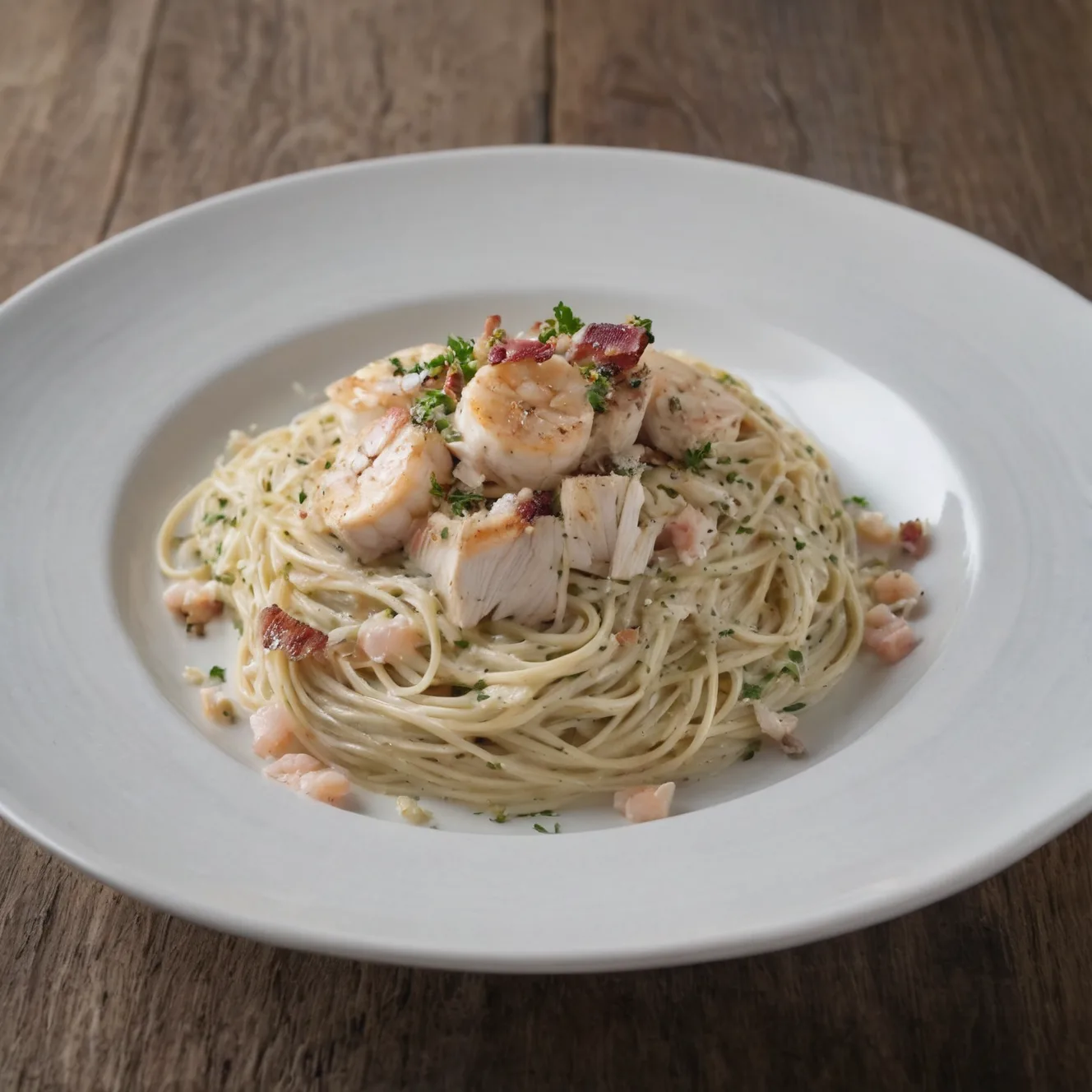
- Olive Garden Chicken & Shrimp Carbonara — cream-based bacon, chicken, and shrimp pasta. Different sauce (Parmesan + bacon fat base, no Romano) with both proteins.
- Olive Garden Chicken Scampi — garlic white wine cream sauce with bell peppers. Similar approach (cream + cheese off heat) with a lighter, brighter flavor profile.
- Olive Garden Breadsticks — garlic butter brushed soft rolls. Make them alongside; they absorb cream sauce better than any other bread.
See all Olive Garden copycat recipes →