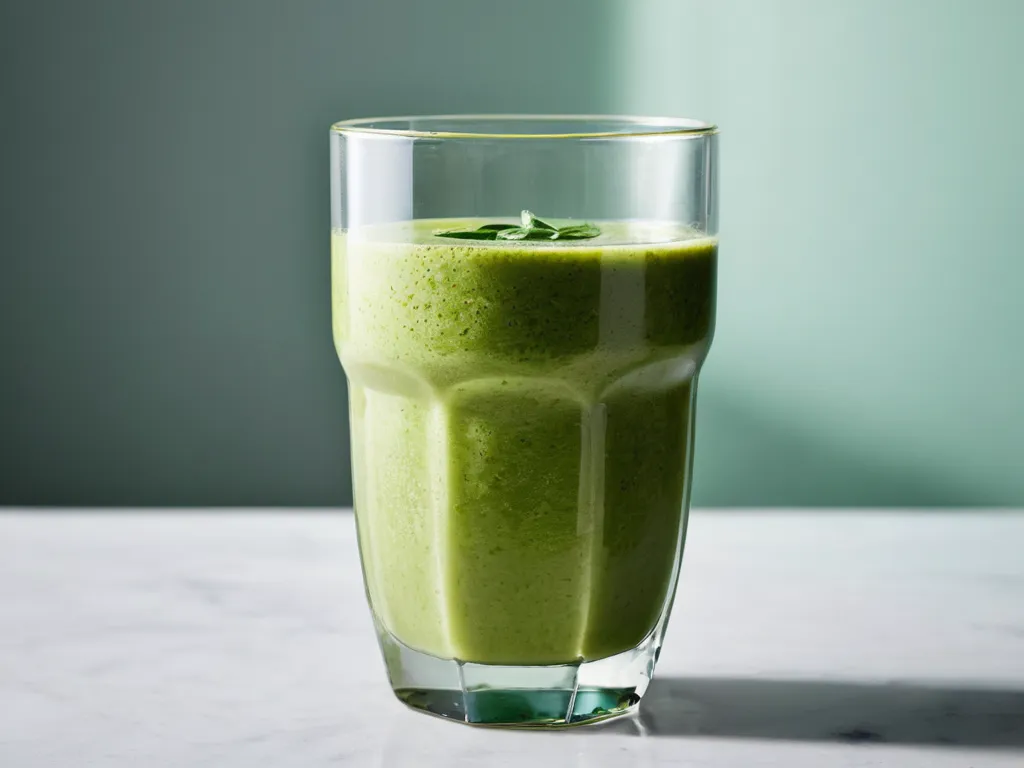
Viral TikTok Green Goddess Smoothie
The green goddess smoothie is a wellness drink that looks like it should taste terrible and doesn’t. It’s thick, vivid green, packed with spinach and avocado — and it tastes like a vanilla banana milkshake. That disconnect between appearance and flavor is exactly why it went viral.
The trend crossed hundreds of millions of views on TikTok as wellness creators posted morning routine content featuring this as their first meal of the day. The color is content — that bright, impossible green in a clear glass photographs like a Studio Ghibli still. The taste surprise converts skeptics. And the combination of avocado fat, banana carbs, and protein powder keeps people full for hours, which made it a legitimate morning routine anchor, not just a one-day trend.
TL;DR: Blend spinach + milk first (30 seconds), then add frozen banana, avocado, protein powder, honey, and ice. Blend 60 more seconds. Drink within 30 minutes. Tastes like a vanilla milkshake. Takes 5 minutes.
What the Green Goddess Smoothie Actually Is
This is a blended smoothie, not a juiced drink. The distinction matters: it includes the whole avocado and the whole banana — fiber and all — which is why it’s thick, filling, and calorie-dense enough to replace a meal. A cold-pressed green juice (celery, cucumber, kale, apple) is a different format: lighter, less filling, extracted through a juicer.
The key ingredients each do something specific:
Spinach provides the color (chlorophyll) and a concentrated dose of vitamins A, C, and K, iron, and folate. Crucially, it tastes like almost nothing when blended with the other ingredients — the banana and honey completely dominate it. Baby spinach is better than mature spinach leaves: less bitter, softer, and blends more completely.
Avocado is what separates this from a regular green smoothie. Avocado is about 75% monounsaturated fat, and that fat does two things: it creates an exceptionally creamy, almost milkshake-like texture, and it helps your body absorb the fat-soluble vitamins in the spinach (A and K are only absorbed in the presence of dietary fat). Remove the avocado and you get a thinner, flatter-tasting smoothie. It also means this drink sustains you — the fat slows digestion and prevents the sugar spike-and-crash from the banana.
Frozen banana is the texture engine. It functions exactly like the ice base in a blended coffee drink — providing chill and thickness without diluting flavor. A ripe, frozen banana is also sweeter than a fresh one, because the starches have fully converted to sugars. Freeze bananas at peak ripeness for the best result.
Vanilla protein powder adds around 20g of protein and contributes to the milkshake-like flavor. Whey protein gives the smoothest texture; pea protein and plant-based blends have a slightly grittier texture but work well. The vanilla flavor is important — unflavored protein powder makes the smoothie taste like vegetables.
The Spinach-First Technique
This is the single technique that separates a smooth, uniform green smoothie from a flecked one.
Spinach cell walls are cellulose — they need high-impact blending to break down completely. When you add spinach at the same time as a frozen banana and ice, the blender prioritizes crushing the denser frozen material, leaving the spinach partially intact. The result is a smoothie with small green flecks suspended in it — not inedible, but not the vivid, uniform green that photographs well and feels smooth to drink.
The fix: Add spinach and liquid only, and blend on high for 30–45 seconds before anything else goes in. By the time the frozen ingredients join, the spinach is already fully liquified into the milk. The final blend produces an entirely smooth, deeply colored base.
This technique matters more with a standard blender than with a high-powered Vitamix or NutriBullet — the more powerful the blender, the less it matters, though it still improves the result.
Flavor Variations
No protein powder: Skip the scoop and add 2 tablespoons of Greek yogurt instead. You get fewer total grams of protein (about 4–5g vs 20g) but the yogurt adds creaminess and a mild tang that works well with the banana. The texture will be slightly thinner.
Tropical version: Swap the banana for 1/2 cup of frozen mango and add 1/4 cup of frozen pineapple. The mango provides thickness; the pineapple adds brightness. The color turns a lighter, golden-green. No honey needed — the tropical fruit is sweet enough.
Peanut butter version: Add 1 tablespoon of natural peanut butter and reduce the honey by half. The fat in the peanut butter amplifies the avocado richness and adds a nutty backdrop that works surprisingly well with spinach.
Higher protein: Use 1.5 scoops of protein powder and add 1 tablespoon of hemp hearts. Gets you to 28–30g protein — legitimate meal replacement territory.
Keto-ish version: Omit the banana and honey entirely. Add 1/4 cup more avocado, 2 tablespoons of coconut cream, and a pinch of stevia or monk fruit sweetener. Reduces carbs significantly but the texture is less milkshake-like — closer to a thick avocado pudding.
Matcha version: Add 1 teaspoon of ceremonial-grade matcha with the spinach in the first blend. It deepens the green color and adds a mild earthiness that pairs well with banana. Add a pinch of vanilla extract to balance the matcha bitterness.
Green Smoothie vs. Green Juice: Which Should You Make?
The TikTok green smoothie and traditional green juice are often conflated but are fundamentally different formats.
| Green Goddess Smoothie | Cold-Press Green Juice | |
|---|---|---|
| Equipment | Blender | Juicer (centrifugal or cold-press) |
| Texture | Thick, creamy, meal-like | Light, liquid, water-like |
| Fiber | Full fiber retained | Fiber removed (in pulp) |
| Calories | 280–380 per serving | 80–130 per serving |
| Staying power | Fills you up for 3–4 hours | Hunger returns in 1–2 hours |
| Main ingredients | Avocado, banana, spinach, protein | Celery, cucumber, kale, apple, ginger |
| Cost per serving | ~$3–4 | ~$5–8 (produce-intensive) |
| Make-ahead | Freezes decently | Best consumed immediately |
The smoothie is the right choice if you want a meal replacement or breakfast. The juice is the right choice if you want a light, fast nutrient delivery in liquid form and already eat a full breakfast.
Why It Keeps People Full
The satiety comes from the fat-protein-carb combination hitting all three macronutrient signals simultaneously:
The avocado’s monounsaturated fat triggers the release of cholecystokinin (CCK), a hormone that signals fullness to the brain. Fat digests slowly, which means the feeling of satisfaction lasts.
The protein powder activates a separate satiety pathway — protein is the most satiating macronutrient per calorie. Research suggests that eating around 20g of protein at breakfast reduces hunger and total calorie intake later in the day.
The banana provides quick energy but is paired with enough fat and protein to blunt the glucose curve — you get energy without the subsequent crash.
The avocado’s fiber (about 5g per half) slows gastric emptying further.
The net result is a 350-calorie drink that keeps most people full for 3–4 hours, which is why it became a genuine morning ritual rather than just a viral moment.
Preventing Oxidation (The Browning Problem)
Oxidation turns this smoothie from vivid green to murky brown within 30–45 minutes of blending. Two approaches:
Lemon or lime juice: Add the juice of half a lemon or lime to the blender with everything else. The vitamin C (ascorbic acid) neutralizes the oxidation reaction in both the avocado and the spinach, buying you an extra 30–60 minutes of green color. It also adds brightness to the flavor — highly recommended regardless of timing.
Drink it fast: The honest answer. This smoothie is fundamentally a make-it-and-drink-it recipe. If you need to take it to work, make it, pour it into a sealed container with no air gap (fill to the very top), and drink it within 90 minutes. Storing leftover smoothie in the fridge overnight turns it an unappetizing gray.
Cost Breakdown
The viral TikTok version of this smoothie frequently shows creators buying it at smoothie bars for $12–16. Making it at home:
- Spinach (1 cup from a $3 bag): ~$0.30
- Avocado (half of a $1.50 avocado): ~$0.75
- Frozen banana (from a $0.20 banana frozen at home): ~$0.20
- Almond milk (1 cup from a $3.50 carton): ~$0.50
- Vanilla protein powder (1 scoop from a $30/30-serving tub): ~$1.00
- Honey (1 tablespoon from a $6 jar): ~$0.25
Total: ~$3.00 per smoothie vs. $12–16 at a smoothie bar.
Related Recipes
If you like the green goddess flavor direction, the Viral TikTok Green Goddess Salad uses the same herby, creamy green profile in a different format — green onion, avocado, and edamame tossed in a green goddess dressing. The Copycat Panera Green Goddess Salad is the restaurant version of that same trend. For other viral TikTok drinks worth making, the Viral TikTok Protein Coffee covers the sweet, caffeinated corner of the wellness drink space. And if you want to experiment with other smoothie formats, the Viral TikTok Oatmeal Cookie Smoothie takes the thick-smoothie format in a dessert direction.