

Jalapeño Cheese Crisps — The 3-Ingredient Snack That Actually Satisfies
There’s something almost magical about what happens to shredded cheese in a hot oven. The moisture evaporates, the proteins denature, and the fat fries the remaining solids into a golden, lacework crisp that shatters when you bite it. Add a round of fresh jalapeño on top — its heat blooming in the rendered cheese fat — and you have one of the most satisfying snacks possible made from three ingredients.
The TikTok Angle
Cheese crisps aren’t new — Italian frico has been around for centuries, and restaurant cheese boards have included parmesan crisps for decades. But TikTok made them a viral moment by leaning into the keto/low-carb food space, where creators were constantly searching for chip replacements that actually delivered on crunch. Cheese crisps delivered — genuinely crispy, deeply savory, with zero carbohydrates. The jalapeño version was a natural evolution: TikTok loves a spicy snack.
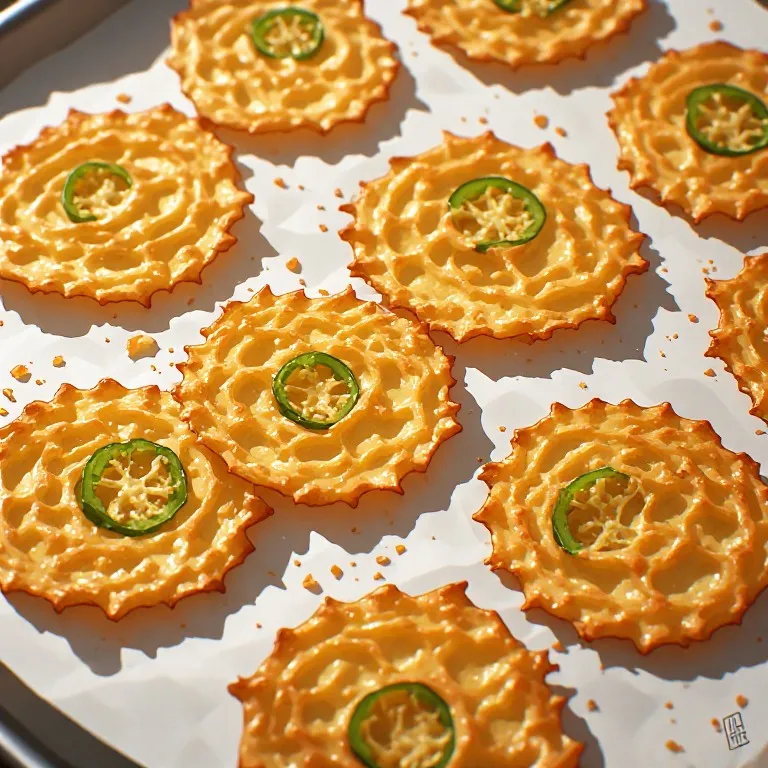
The visual appeal is also strong: the lacy, golden edges of a cheese crisp cooling on a pan photograph beautifully, and the jalapeño slice on top adds a pop of green that makes even a simple snack look intentional.
The Science of Cheese Crisping
Understanding what’s happening in the oven helps you troubleshoot. When cheese heats, three things happen:
- Moisture evaporates. The water content of the cheese (anywhere from 15% to 40% depending on type) steams out. The more moisture that leaves, the crispier the result.
- Fat renders. The fat in the cheese liquefies and essentially shallow-fries the protein solids. This is why the edges look “fried” — they are.
- Proteins set. As the fat fries the proteins, they solidify into a rigid structure. When the crisp cools, that structure locks in place.
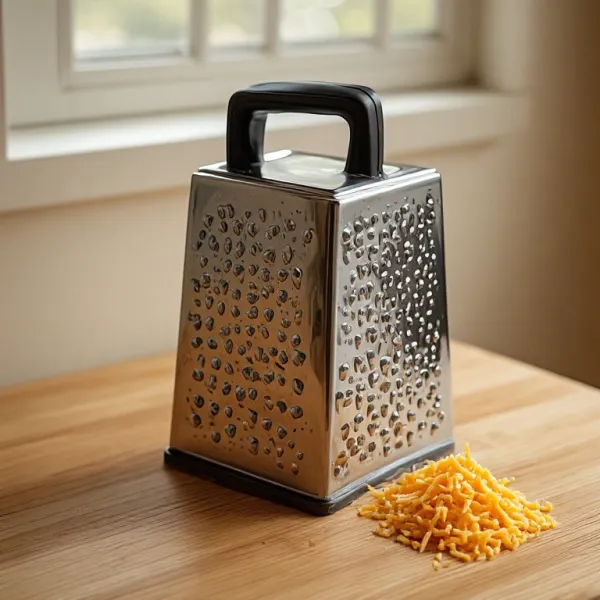
Cheeses with less moisture (aged cheddar, parmesan, asiago) make crispier crisps than high-moisture cheeses (fresh mozzarella, brie). Pre-shredded cheese from a bag has anti-caking agents (potato starch, cellulose) that interfere with the even melting and browning — shredding from a block gives you a purer, more predictable result.
The Jalapeño Variable
Fresh jalapeño slices lose their raw bite in the oven and develop a deeper, more complex heat. The capsaicin doesn’t diminish (heat doesn’t destroy it) but the harsh, sharp edge of raw jalapeño mellows as the cell walls soften. What you get is a roasted chile warmth that builds slowly rather than hitting immediately.
Slice them very thin — 1/8 inch or less. Thick jalapeño rounds retain too much moisture and create a soft spot in the crisp beneath them. A mandoline gets you the consistent thin cuts that make the difference, though a sharp knife works with care.
Party Platter
These are the kind of snack that earns you a reputation. Arrange them on a slate or marble board with small bowls of guacamole, salsa verde, and sour cream. Label them as keto/gluten-free if you’re hosting guests with dietary restrictions — they’ll appreciate the clarity and these genuinely satisfy that “chip” craving.
Make two batches — they go fast and take only 15 minutes from cheese to platter.
Variations
Parmesan and Rosemary: Finely grated parmesan with a few fresh rosemary needles pressed in. No jalapeño. The parmesan makes the crispiest, most delicate lace and the rosemary adds an herbal note that’s sophisticated for a charcuterie board.
Everything Bagel Crisps: Cheddar with a pinch of everything bagel seasoning on top instead of paprika and jalapeño. The sesame, poppy, dried garlic, and onion create a savory everything-bagel flavor in crisp form. Serve with cream cheese for dipping.
Spicy Ranch Crisps: Add a tiny pinch of ranch seasoning powder and cayenne to the cheese before baking. The dried buttermilk and herbs in ranch powder toast along with the cheese and create a flavor that’s unmistakably “spicy ranch” — and completely addictive.