Viral TikTok Bell Pepper Sandwich: How to Actually Make It Work
TL;DR: Use a large red or yellow pepper (sweetest, firmest), pat the inside dry before spreading, use cream cheese as both base spread and moisture barrier, layer fillings from heaviest to lightest, and eat within 20–30 minutes. The crunch is real, the carb count is 10g vs. 28g for wheat bread, and once you understand how to manage the one structural challenge (moisture), it’s a genuinely good lunch — not a compromise.
The bell pepper sandwich is the rare TikTok food trend that actually earned its view count. You watch the cross-section reveal — layers of deli meat and cheese between vibrant pepper walls — and think it might just be a photo opportunity. Then you make one, take a bite, and understand what the crunch is about.
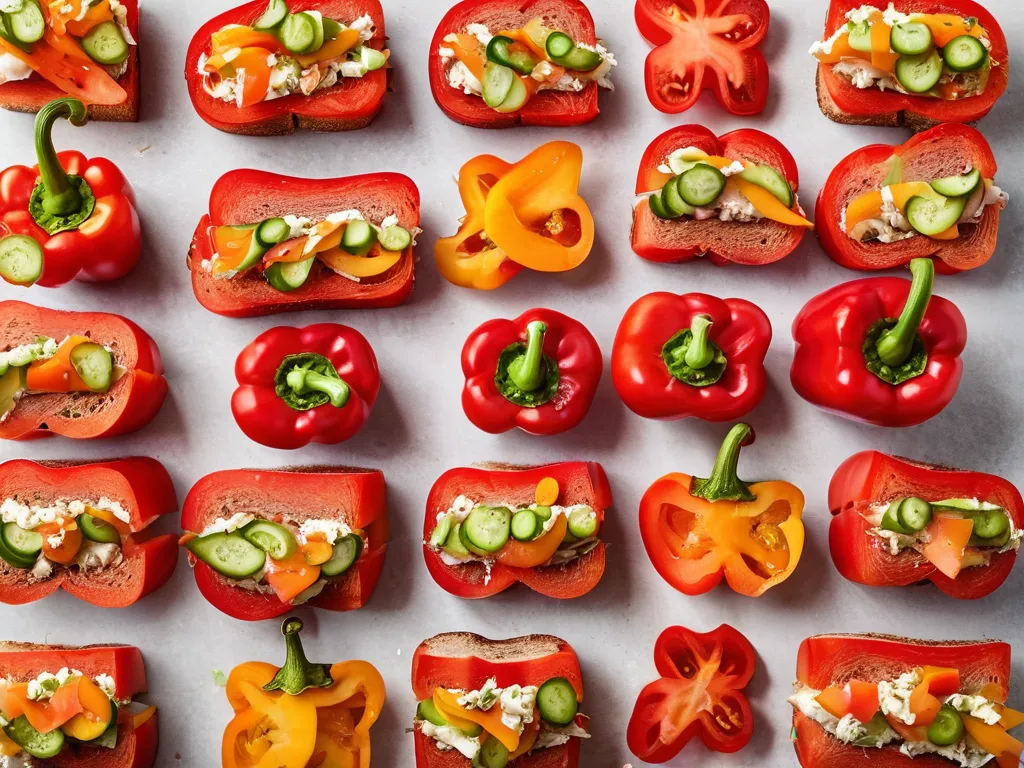
The concept is simple: halve a raw bell pepper lengthwise, remove the seeds, use the two halves as bread. The execution has one non-obvious trick that most viral videos skip over entirely. More on that in a moment.
The Viral Story
The trend doesn’t trace to a single creator — it emerged simultaneously across keto and low-carb TikTok communities around 2020, when the collision of pandemic-era home cooking and food content created an environment where visual, concept-clear recipes spread instantly. My Nguyen (@myhealthydish), one of the early most-viewed versions, showed the cream-cheese-and-deli-meat approach that became the template. Janelle Rohner’s posts gave the aesthetic a second life with the keto community. The hashtag accumulated tens of millions of views.
Gordon Ramsay eventually reacted to the trend — typically ruthless with TikTok food — and said the concept was “actually not bad.” For Ramsay, that’s a standing ovation.
The mainstream appeal is simple: everyone who eats a sandwich knows what they want out of one, and everyone who’s ever tried a lettuce wrap knows what they’re missing. The bell pepper solves the structural problem lettuce can’t — it’s rigid, it holds its shape, it snaps when you bite it, and it adds sweetness that complements rather than fighting the savory filling.
The Color Guide: Which Bell Pepper to Choose
This matters more than most recipes admit. Bell peppers range from genuinely bitter (green) to almost fruity (red), and the gap between them directly affects how the finished sandwich tastes.
| Color | Sugar Content | Flavor | Structure | Best For |
|---|---|---|---|---|
| Red | 6.5g/100g | Sweet, slightly smoky | Firm | Sandwiches (top pick) |
| Yellow | 5.8g/100g | Sweet, citrusy | Firm | Sandwiches (second pick) |
| Orange | 5.0g/100g | Sweet, mild | Firm | Sandwiches (solid) |
| Green | 2.5g/100g | Bitter, grassy | Firm | Not ideal — bitter fights savory fillings |
Red bell peppers win for sandwiches: the combination of maximum sweetness, structural rigidity, and nutritional density (127mg of vitamin C per 100g — roughly 1.4× the daily RDA — plus significant vitamin A from beta-carotene) makes them the default choice. A good red bell pepper eaten raw tastes almost fruit-adjacent; next to salty deli meat and tangy cream cheese, that sweetness is an asset.
Green bell peppers are what you use when you’re out of the better options. The bitterness competes with the seasoning rather than balancing it, and the color isn’t as visually striking in the cross-section. They work — but they’re the last choice.
The One Trick Most Videos Skip: The Pat-Dry Method
Here’s what separates a bell pepper sandwich that holds together from one that turns into a wet, sliding mess inside 10 minutes.
The inside of a raw bell pepper is coated in a thin layer of moisture — you can feel it when you touch the interior after halving. This moisture prevents cream cheese from bonding to the pepper wall, which means your spread slides, your fillings migrate, and by the time you’re three bites in, you’re holding a handful of deli meat.
The fix: fold a paper towel and press it firmly inside each pepper half for 10 seconds. Wipe the entire interior surface. This creates a clean, slightly rougher surface that cream cheese actually adheres to. It takes 20 seconds total and is the difference between a sandwich that holds together and one that doesn’t.
This is also why using room-temperature cream cheese matters. Cold cream cheese is too stiff to spread into the slight surface irregularities of the pepper; room-temperature cream cheese is soft enough to bond to the surface and create the moisture barrier that keeps everything else dry.
The Spread Layer Is Architecture, Not Just Flavor
Cream cheese in a bell pepper sandwich is doing three jobs simultaneously:
- Flavor (tangy, rich, works with everything bagel seasoning)
- Adhesive (keeps fillings from sliding off the interior curve)
- Moisture barrier (prevents the juices from leafy greens or cucumber from reaching the pepper wall and further destabilizing the structure)
Hummus works as an alternative and has advantages (more fiber, less saturated fat, works well with Mediterranean fillings), but it’s wetter than cream cheese and produces a slightly less stable result. If you use hummus, reduce the cucumber amount and eat within 20 minutes rather than 30.
Pesto works brilliantly for Italian-style builds — the oil in pesto coats the pepper surface and functions as an effective moisture barrier while adding more flavor complexity than cream cheese. Just be aware that pesto will stain anything it touches.
5 Filling Combinations Worth Making
Classic deli (the most versatile, the one to make first):
Cream cheese + everything bagel seasoning / turkey or ham, folded 3–4 times / 1 slice provolone / baby spinach / thin cucumber / salt and black pepper. The cream cheese and everything bagel seasoning do most of the flavor work; the pepper’s sweetness handles the rest.
Italian (for when you want more complexity):
Pesto spread / salami or thinly sliced prosciutto / fresh mozzarella (patted very dry — fresh mozzarella is wet and will accelerate sogginess if you skip this step) / arugula / 2–3 sun-dried tomatoes. This version is closer to a muffuletta than a deli sandwich; the arugula’s peppery bitterness works with the pesto and cuts through the fat in the cured meat.
Mediterranean/Greek (the vegetarian option that actually satisfies):
Hummus spread / crumbled feta / thin cucumber / 4–5 Kalamata olives, halved / a few fresh basil leaves / a pinch of dried oregano. The olives provide the salt and umami that keeps this from feeling like a snack rather than a meal. Works with red or yellow pepper.
Breakfast (unusual but excellent):
Cream cheese spread / 2 strips bacon, cooked and broken / 1 hard-boiled egg, sliced / ¼ avocado, sliced / everything bagel seasoning. The avocado adds creaminess; the bacon adds crunch that complements the pepper’s crunch in a different register. This works as either a late breakfast or lunch.
Keto-heavy (maximum protein, minimum carbs):
Cream cheese spread / ranch seasoning stirred into the cream cheese / 3–4 folds each of turkey and salami / 1 slice cheddar or pepper jack / 2–3 jalapeño rounds / extra black pepper. Ranch seasoning in the cream cheese turns the base from neutral to assertive, which this combination of fillings needs.
Nutrition: The Actual Numbers
The comparison that drives most of the interest in this trend is the carb count.
| Component | Bell Pepper (large) | 2 Slices Whole Wheat Bread |
|---|---|---|
| Calories | 37 | 160 |
| Total carbs | 10g | 28g |
| Fiber | 3g | 4g |
| Net carbs | 7g | 24g |
| Vitamin C | 127mg (142% DV) | ~0mg |
| Vitamin A | 157µg (17% DV) | ~0µg |
| Protein | 1g | 8g |
The tradeoffs are real: bread contributes protein (8g from two slices), iron, calcium, and B vitamins that bell pepper doesn’t. If you’re eating a bell pepper sandwich for lunch, make sure your filling contributes the protein the pepper can’t — 3–4 oz of deli turkey gets you 18–20g, which more than compensates.
The vitamin C figure is striking. A large red bell pepper delivers more vitamin C than an orange, in a format where you’re eating the whole thing raw (cooking destroys a significant portion of vitamin C). There are very few lunches that incidentally deliver 142% of the daily RDA of vitamin C.
Storage, Make-Ahead, and the 30-Minute Rule
Bell pepper sandwiches do not travel well assembled. The cut pepper releases moisture continuously once halved, and by the 45-minute mark the cream cheese has thinned, the spinach has wilted slightly, and the structural integrity is compromised.
For same-day eating: Assemble and eat within 20–30 minutes. This is a make-it-and-eat-it lunch.
For meal prep: Store the pepper halves (prepped, seeds removed, patted dry) in an airtight container in the fridge for up to 3 days. Pack the filling components separately. Assemble on-site in 60–90 seconds. This is the method that actually works for work lunches — keep a small container of cream cheese and your fillings in the fridge at work, and assemble at lunch.
Avoid: Assembling the night before, packing a fully assembled sandwich in your bag for more than an hour, or substituting wet tomato slices for cucumber (tomatoes release significantly more moisture than cucumber).
See also: Cream Cheese Stuffed Mini Peppers — another bell pepper application (roasted this time, with a cream cheese filling) that works for appetizers; PF Chang’s Chicken Lettuce Wraps for another low-carb hand-held format; Everything Bagel Cream Cheese for a homemade version of the spread that makes this sandwich; Baked Feta Pasta for another bell-pepper-forward viral TikTok recipe worth knowing.