

Viral TikTok Kale Crunch Salad — The Chick-fil-A Copycat That’s Actually Better at Home
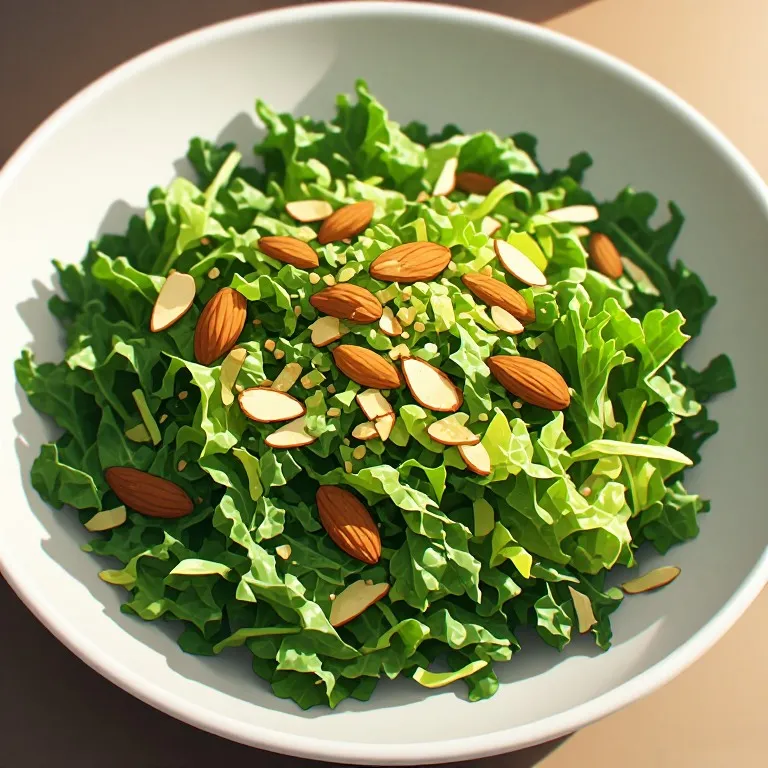
There’s a moment in every viral food video when something clicks. For the Kale Crunch Salad, that moment comes at the 45-second mark when the creator tips the bowl and the kale — dark, glossy, completely transformed from the stiff leaves it started as — practically melts together. Comments fill up instantly: I’ve made this three times this week. I don’t even like kale. My husband asked me to make this again.
Chick-fil-A introduced their Kale Crunch Side as a healthier alternative to their cole slaw, and it quietly became one of their better menu items. TikTok took notice, started reverse-engineering it at home, and found that the copycat is genuinely easy and costs a fraction of the price. The secret — and every good version emphasizes this — is the massage.
The Technique That Changes Everything
Kale is not a cooperative green. Raw and untreated, it’s fibrous, slightly bitter, and almost rubbery in a bad way. It resists dressing the way a waxed car resists water. Most people who say they don’t like kale have only ever had it this way — underprepared, overdressed, still tough.
Massaging changes the physics of the leaf. When you work the kale with salt and a little acid for two to three full minutes — and it has to be full minutes, not a quick squeeze — the salt draws out moisture while your hands physically rupture the cell walls. The leaves darken and shrink. They go from stiff to pliable. The bitterness mellows significantly because you’re breaking down the compounds responsible for it. By the time you’re done, the kale feels almost silky, and it will absorb the vinaigrette instead of letting it pool at the bottom of the bowl.
This is not an optional step. It is the recipe.
Building the Dressing
The Chick-fil-A dressing is tangy and mustardy with just enough sweetness to keep it from being sharp. Apple cider vinegar is the backbone — three tablespoons, which sounds like a lot but gets balanced by the honey and olive oil. Dijon acts as both a flavor agent and an emulsifier; it keeps the oil and vinegar from splitting so the dressing coats each leaf evenly rather than sliding off.
Whisk the dressing in a small bowl until it looks uniform and slightly thickened. Taste it on its own before you add it to the salad — if it’s too sharp, add another half-teaspoon of honey; if it’s flat, add a pinch more salt and a splash more vinegar. Dressing should taste slightly aggressive on its own because it’ll mellow once it hits the greens.
Serving and Meal-Prep
This salad holds beautifully. Unlike romaine or arugula, massaged kale is structurally robust enough to sit dressed in the fridge for up to 24 hours without wilting. This makes it an excellent meal-prep option — dress a full batch Sunday night and it’s ready through Tuesday with minimal degradation. Add the almonds right before eating so they stay crunchy.
The cabbage adds a different, lighter crunch that plays well against the almonds. Keep it thinly sliced — a mandoline works well, but a sharp knife does the job. If you shred it too thick, it competes with the kale instead of complementing it.
Three Ways to Build on the Base
Italian upgrade. Add ¼ cup shaved Parmigiano-Reggiano and a teaspoon of fresh lemon zest to the finished salad. The salt from the cheese amplifies the dressing without making it heavier. This version pairs well with grilled fish.
Bistro style. Thinly slice half a crisp apple (Honeycrisp or Granny Smith), add ¼ cup crumbled gorgonzola, and toss. The fruit-blue cheese-kale combination sounds aggressive and tastes incredible — especially in fall when good apples are in season.
Protein bowl. Top with ½ cup crispy roasted chickpeas (from a can, rinsed, dried, tossed in olive oil and smoked paprika, roasted at 400°F for 25 minutes). This makes a fully plant-based, high-fiber lunch that holds up in a container all week.
The base recipe is deliberately simple so it works as a side or as a foundation. Once you have the massage technique down, the whole thing takes about 12 minutes. That’s the reason the TikToks keep coming — because people make it once, realize how easy and genuinely good it is, and immediately want to show someone else.