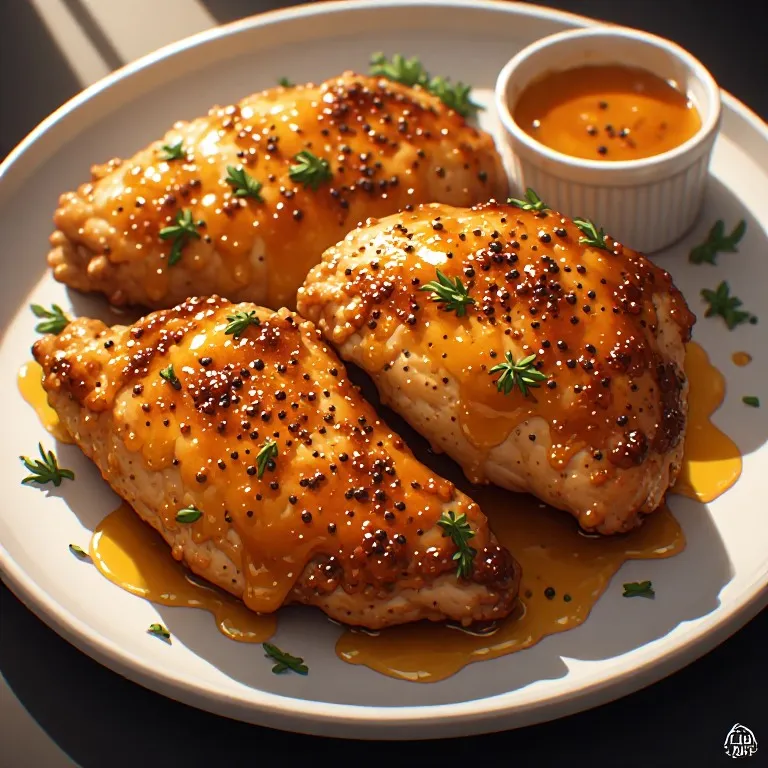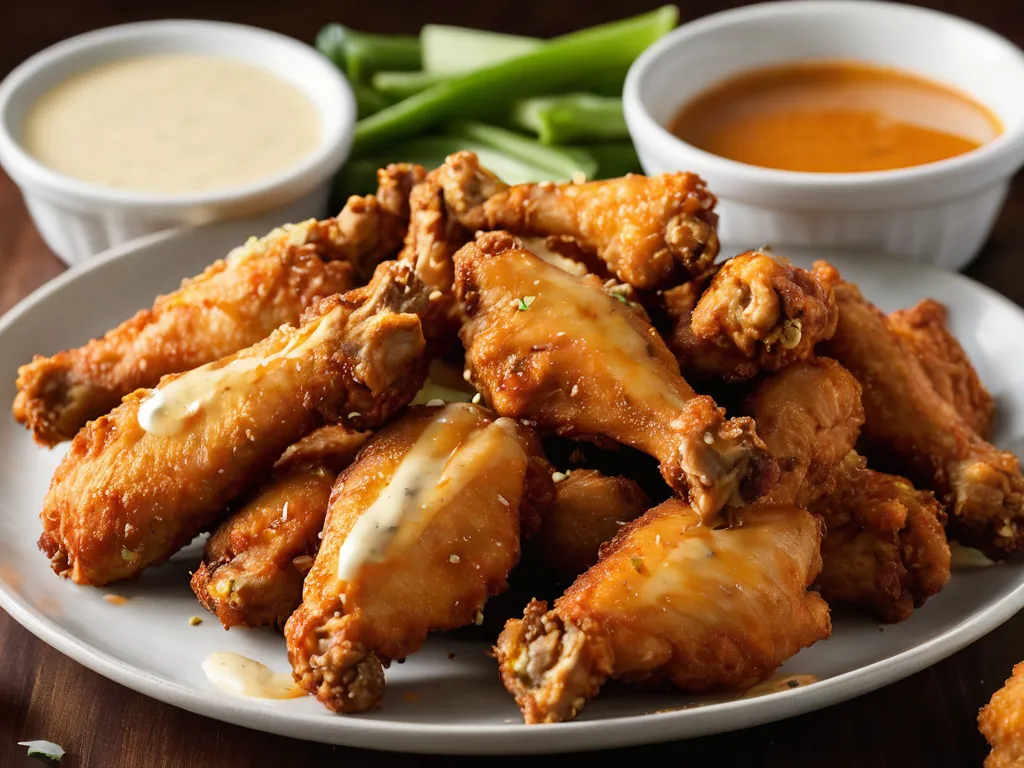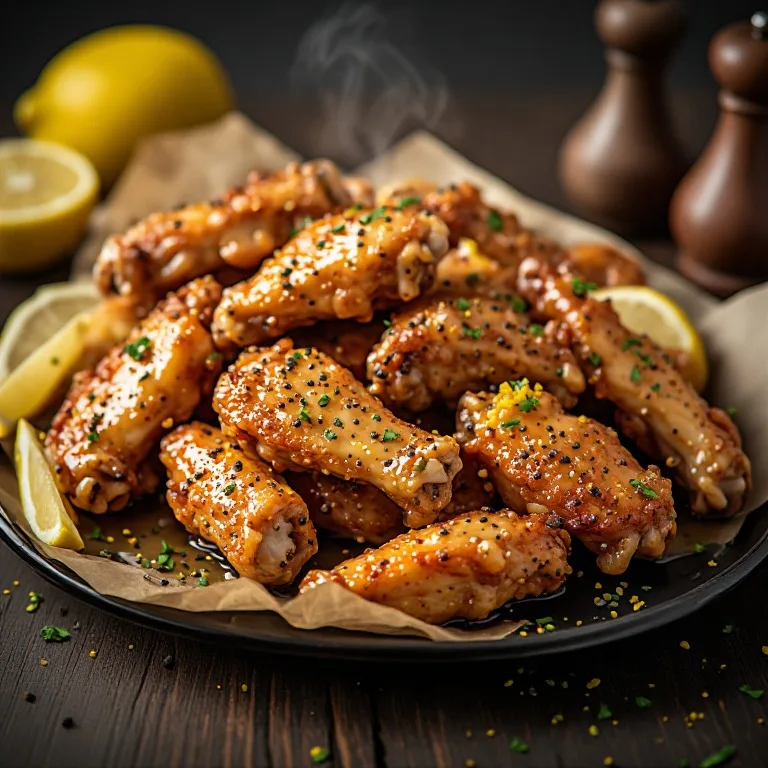



Quick answer: Cook wings crispy first — oven at 425°F for 45–50 minutes on a wire rack with baking powder, or air fryer at 400°F for 22–25 minutes. Then, the moment they come out, toss them in a warm butter-lemon sauce made with fresh lemon zest, cracked black pepper, and unsalted butter. That last step — the “wet” — is what separates Atlanta-style lemon pepper wings from the dry version, and it needs to happen while the wings are still blazing hot.
Why “wet” changes everything
Most home recipes make lemon pepper wings the dry way: season raw wings with a store-bought lemon pepper mix, bake or fry, eat. The result tastes fine, but the lemon flavor is muted — it’s been in a 425°F oven for 45 minutes, which drives off most of the volatile citrus compounds that make lemon smell and taste like lemon.
The wet version flips the sequence. Cook the wing plain, maximizing skin crispiness with no seasoning in the way. Then, immediately after, toss in a butter sauce made with fresh lemon zest (the fragrant oil that lives in the skin of the lemon), fresh lemon juice, cracked black pepper, and warm butter. Because the sauce never hits high heat, the lemon flavor stays vivid and bright. Because the butter coats the already-crispy skin instead of being present during cooking, the skin stays crisped underneath the glaze.
The result looks and eats like a saucy wing — glossy, lacquered, deeply aromatic — but without the wet-sauce softening of the skin. It’s why this style went viral: it’s visually dramatic and genuinely more flavorful than the dry alternative.
The baking powder trick
This is the single technique that makes oven wings worth making. Before the wings go in the oven, toss them with a small amount of aluminum-free baking powder (2 teaspoons per 2 lbs of wings) and let them rest on a wire rack in the fridge for at least an hour.
What happens: baking powder is alkaline (pH ~8.5 vs. chicken skin’s natural pH ~6). The alkaline coating on the skin accelerates the Maillard reaction — the browning chemistry — in the oven. The same amount of heat produces darker, crispier skin faster than untreated wings. Simultaneously, the baking powder draws moisture to the skin’s surface, which then evaporates in the fridge, leaving the skin slightly rough and dry — exactly the texture that crisps instead of steams.
Oven wings without this step are good. Oven wings with this step taste fried.
Two requirements: use aluminum-free baking powder only (Rumford is the common brand), and let the wings rest in the fridge uncovered long enough for the surface to dry. Thirty minutes is the minimum; 1–2 hours is better; overnight is ideal.
Building the lemon pepper seasoning
Store-bought lemon pepper is made with dehydrated lemon granules. The dehydration process strips most of the aromatic lemon oils — what’s left is mostly citric acid and lemon-colored powder. It’s functional but flat.
Fresh lemon zest is the real lemon. The zest is where the essential oils live — limonene, geraniol, and other volatile aromatics that make a lemon smell like a lemon. Microplaned off a fresh lemon and mixed with cracked black pepper and salt, it creates a seasoning that smells more intensely lemon than anything from a jar.
The homemade mix for this recipe:
| Component | Amount | Purpose |
|---|---|---|
| Fresh lemon zest | 2 teaspoons | Real citrus oil, the core flavor |
| Freshly cracked black pepper | 2 teaspoons | Heat and depth |
| Kosher salt | 1 teaspoon | Enhancement and balance |
| Garlic powder | ½ teaspoon | Savory backbone |
| Onion powder | ¼ teaspoon | Mild sweetness |
Rub the mixture between your fingers for 30 seconds before using. Pressing the zest into the dry ingredients releases the lemon oil and saturates the pepper and salt with it. The difference in aroma before and after rubbing is significant.
The wet sauce ratio
The butter sauce doesn’t need to be complicated, and it shouldn’t be. The ratios that work:
- 4 tablespoons butter — the fat base that creates the glossy coating
- 2 tablespoons fresh lemon juice — the acid that brightens and cuts the richness
- 2 teaspoons lemon pepper mix — the seasoning (use your homemade; or store-bought plus a teaspoon of fresh zest)
- 1 tablespoon honey (optional) — adds the sweetness that Wingstop’s version uses, balances the acid
Melt the butter over low heat. Add the lemon juice and seasoning. Stir to combine. Keep it warm — not hot, not simmering. The sauce should flow easily and coat a spoon. If it breaks (butter separating from the liquid), it was too hot; remove from heat, let it cool for 30 seconds, and whisk vigorously.
The timing window
Lemon pepper wet wings are an eat-now dish. Here’s what happens after cooking:
At 0 minutes (just out of the oven): Skin is at 180°F+, slightly porous from the fat rendering. The warm butter sauce flows evenly into every crevice and creates a thin, uniform, glossy coating. Wing and sauce are one.
At 5 minutes: Skin is cooling. The sauce has partially set into the skin. Still good — the glaze is holding.
At 15 minutes: Skin has dropped below 130°F. The butter sauce has started to congeal slightly and pool at the bottom of the serving plate. The skin is still crispy under the glaze, but the glossy appearance is fading.
At 30 minutes: The wings are now room temperature. The butter is solid at the edges. The skin, which was crispy when the sauce went on, has absorbed some moisture from the sauce and softened.
The 5–15 minute window is your serve time. This is not a make-ahead dish. Set out the serving plate, make the sauce before the wings come out, toss immediately, eat immediately.
Three cooking methods compared
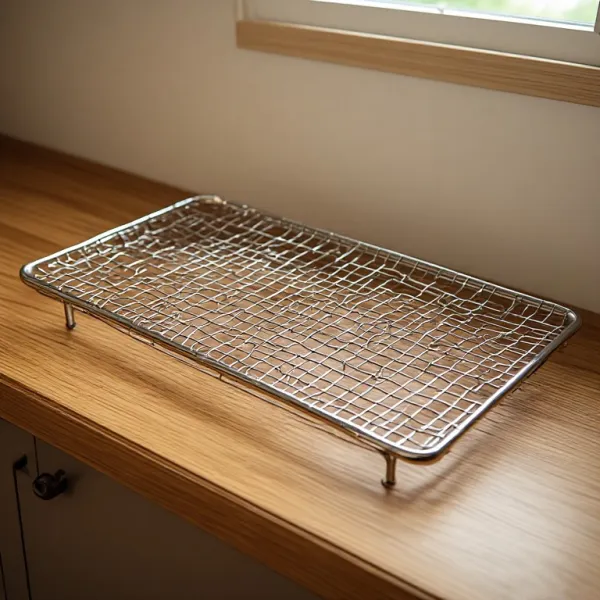
Oven bake (425°F, 45–50 min): Most accessible. Wire rack is essential. Baking powder gives you near-fry crispiness. Best for large batches — a half-sheet pan fits 2 lbs easily.
Air fryer (400°F, 22–25 min): Often the crispiest home method because intense circulating heat hits all sides simultaneously. Ideal for 1 lb batches (space is the limit). If your air fryer is small, work in two batches; don’t crowd the basket.
Deep fry (375°F, 8–10 min): The Atlanta-shop method. Crispiest possible skin; fastest. The fat that renders out of the skin goes into the oil, not onto your rack. If you have a deep fryer or a Dutch oven thermometer, this is the best result. The wet sauce goes on exactly the same way.
The baking powder step is most impactful for the oven method (the oven needs the help). It still helps in the air fryer; it’s mostly unnecessary for deep frying, which achieves crispiness through the physics of hot fat regardless of skin preparation.
Variations worth making
Sweet heat version: Add 1 tablespoon Calabrian chili paste or 1 teaspoon cayenne to the butter sauce alongside the honey. The heat doesn’t overwhelm the lemon; it adds a warm tail after the brightness of the citrus.
Lemon herb version: Add 1 teaspoon fresh thyme leaves (stripped from the stems) and ½ teaspoon dried oregano to the butter sauce. The herbal notes echo the garlic and onion powder in the seasoning and add complexity.
Parmesan lemon pepper: Toss the sauced wings with 3 tablespoons finely grated Parmigiano-Reggiano immediately after the butter sauce. The cheese sticks to the hot glaze, creating a savory, slightly crusted exterior. Serve immediately — the cheese hardens as it cools.
Double lemon version: Add the zest of one additional lemon directly to the hot wings after saucing. The raw zest — not cooked, not heated — delivers the most intense lemon hit of any variation and makes the lemon fragrance visibly aromatic.
What goes wrong and how to fix it
Skin isn’t crispy after baking: Wings weren’t dry enough before the baking powder went on, or the baking powder was skipped, or the oven wasn’t fully preheated, or the rack was in the lower third of the oven. Fix: use a rack in the upper third, confirm a 1-hour minimum dry-brine rest, ensure baking powder contact on all skin surfaces.
Butter sauce broke (water separated from fat): The sauce got too hot. Fix: keep it on the lowest burner setting and don’t let it bubble. If it breaks, remove from heat, add 1 teaspoon cold butter, and whisk vigorously — the fresh cold fat often brings the emulsion back together.
Wings taste flat even with the sauce: Store-bought lemon pepper without fresh zest amplification. Fix: after saucing, zest ½ a fresh lemon directly over the finished wings and toss once. Fresh raw zest is the fastest way to boost lemon flavor on already-cooked food.
Sauce isn’t sticking — pooling on the plate: Wings cooled down before being sauced. Fix: the toss needs to happen the moment they come out. Prepare everything else before the wings are done — sauce on the stove on low, bowl ready, nothing between pulling wings and tossing them.