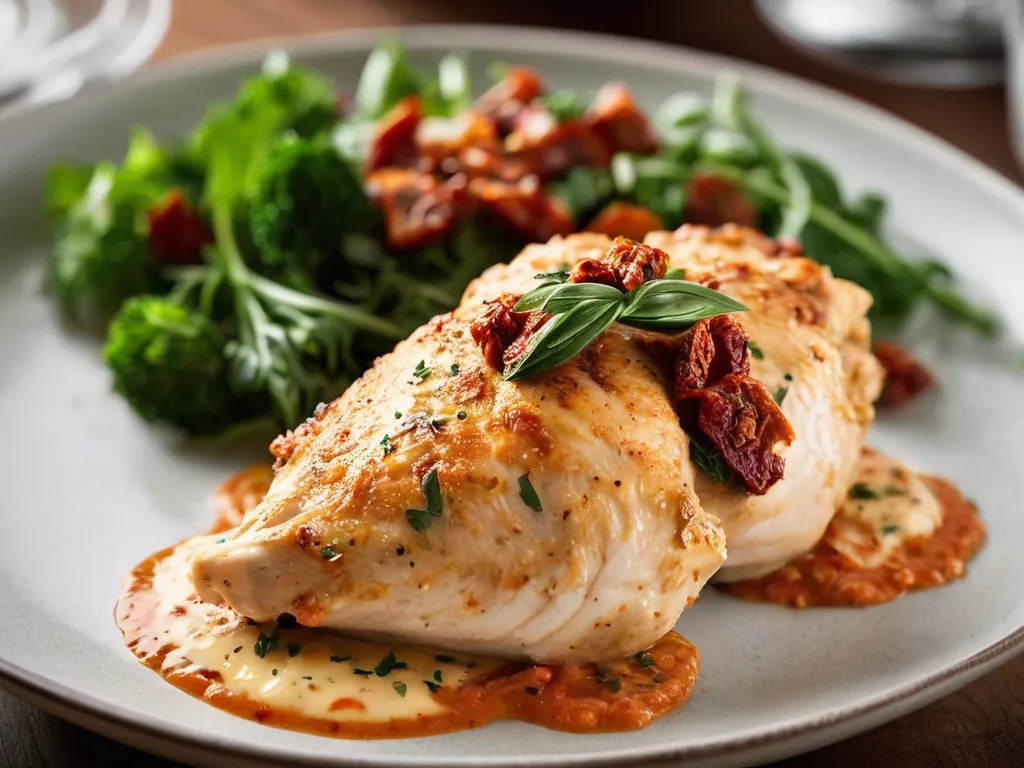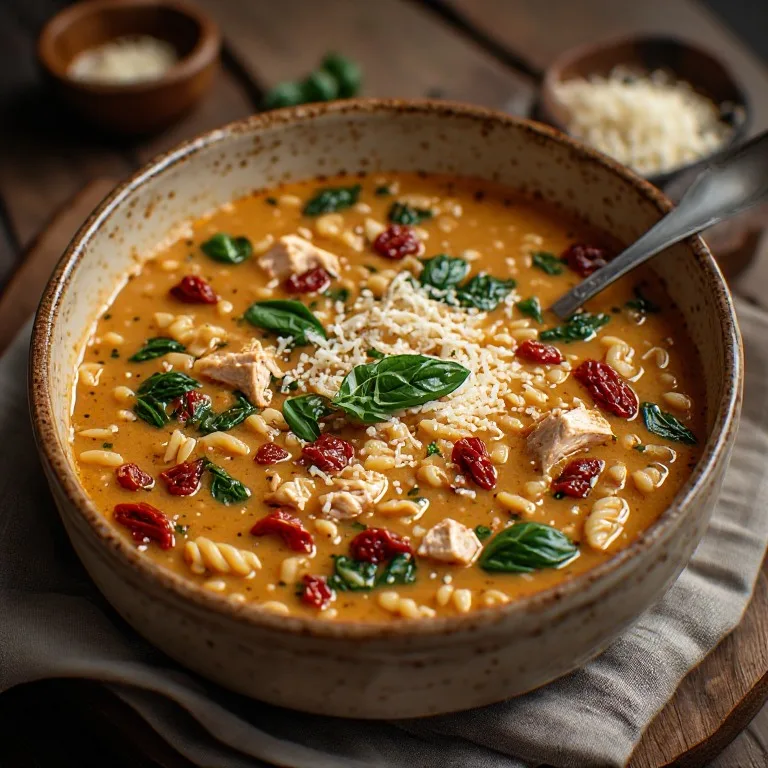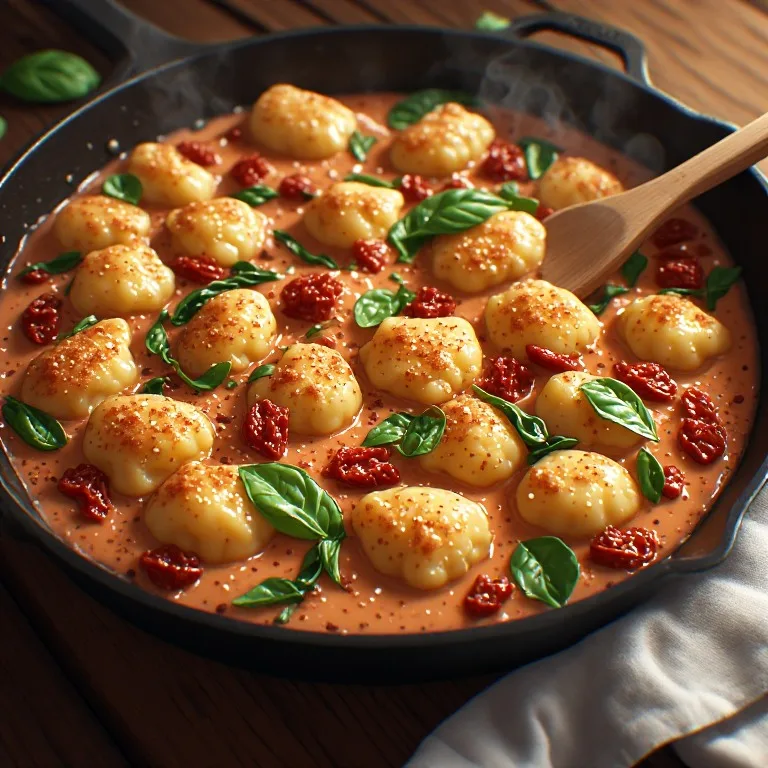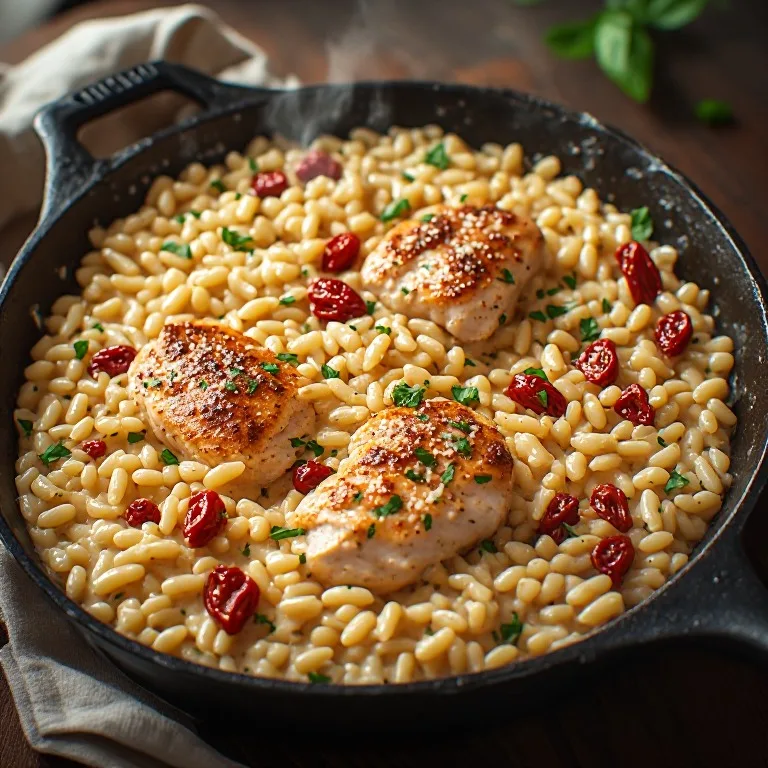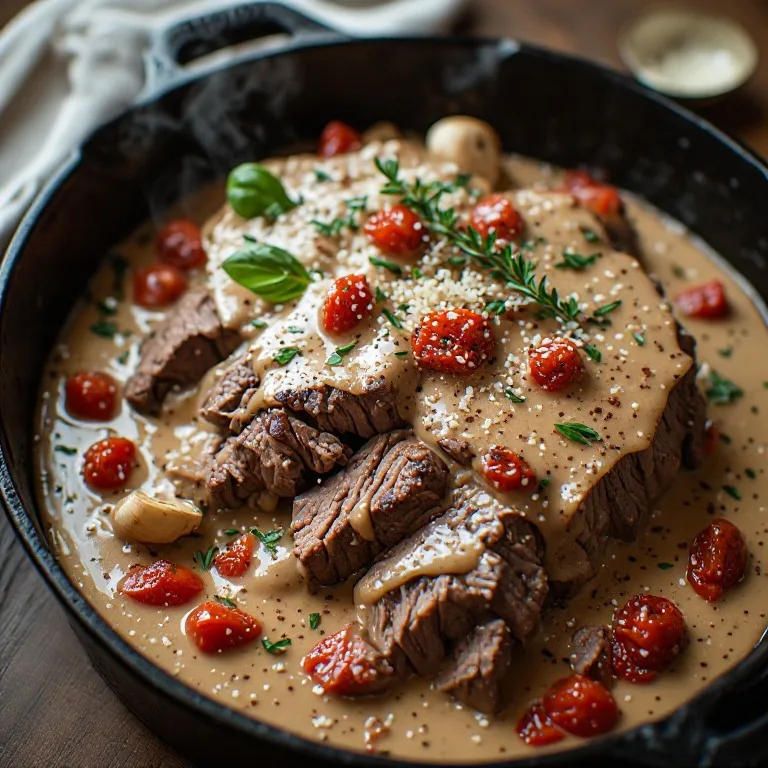


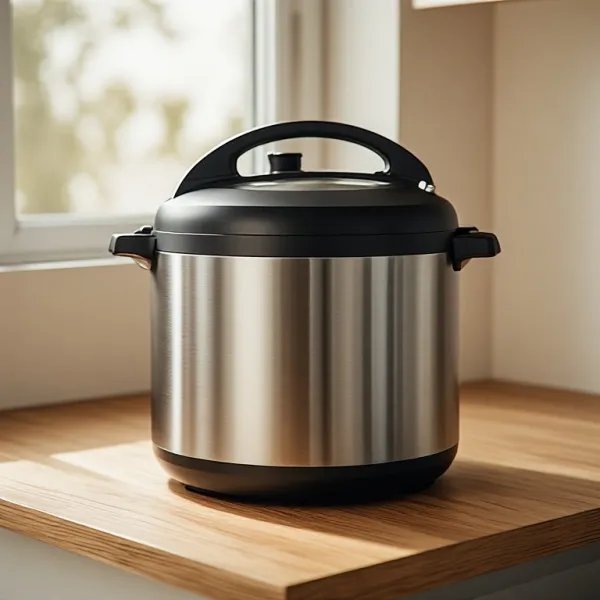
On a cold October morning, you drop a chuck roast into a slow cooker with sun-dried tomatoes, garlic, and cream, walk away for 8 hours, and come back to the best thing you’ve smelled all year. That’s the Marry Me Pot Roast — and if you’ve already made your way through Marry Me Chicken, Marry Me Gnocchi, and every variation in between, this is the one that makes the whole series make sense.
The sauce is the same blueprint: oil-packed sun-dried tomatoes, heavy cream, garlic, Italian seasoning, red pepper flakes. But applied to a 3-pound chuck roast braising low and slow, the collagen in the meat dissolves into the sauce and turns it into something richer and glossier than any stovetop version achieves. The name holds up.
The One Thing That Separates This From Regular Pot Roast
Standard pot roast braises in beef broth with carrots, onion, and potatoes. It’s deeply satisfying but the sauce is thin and brothy — more of a jus than a sauce. You serve the vegetables on the side and the meat on top, and you ladle the thin liquid over everything.
Marry Me Pot Roast has a different ending. The sun-dried tomatoes bring concentrated umami. The heavy cream brings fat and richness. The Parmesan stirred in at the end brings salt and more umami. That combination turns the braising liquid into a sauce that clings to the meat — not a jus that pools at the bottom of the bowl. One tablespoon of that sauce is the equivalent of reducing a regular pot roast jus by half and adding butter.
The collagen from the chuck roast itself thickens the sauce further as the braise cooks down. By hour 7, the liquid in the slow cooker is not the thin broth you added at hour 0. It’s opaque, slightly viscous, and bright orange-red from the sun-dried tomatoes. That’s the gelatin. That’s what makes this a real braise and not just a slow-cooker beef dish.
Why the Sear Matters Here
Most slow-cooker recipes tell you to sear “for extra flavor” and then immediately tell you it’s optional. For this recipe, it’s not optional in any meaningful sense.
The marry me sauce has concentrated, bold flavors — sun-dried tomatoes, cream, Parmesan — and if the beef underneath is pale and one-dimensional, the sauce overwhelms it. You end up with a creamy tomato sauce that happens to have beef in it, rather than a unified dish where the beef and the sauce are equals. The sear gives the beef a deeply savory, browned baseline flavor that can stand up to the sauce.
Use the oil from the sun-dried tomato jar, not plain olive oil. That oil has been infusing with sun-dried tomatoes for weeks and has a concentrated, slightly roasted tomato flavor. When it hits a screaming-hot skillet with a cold chuck roast, the tomato flavor goes straight into the crust. It’s a small detail that makes the final dish taste intentionally Italian rather than accidentally Italian.
The Timing Question: LOW vs. HIGH
Eight hours on LOW is the prescription. Here’s why the timing matters: chuck roast contains significant collagen, a tough protein that needs to denature slowly to become the gelatin that makes the sauce silky. At LOW (around 190–200°F), collagen conversion happens gradually over 8 hours. The result is meat that’s tender throughout, sauce that’s naturally thickened, and a texture that pulls apart in long, juicy fibers.
On HIGH (around 250–280°F), the outer layers of the roast cook faster than the center can keep up. The meat can be technically done in 4.5–5 hours, but the outside tends to be drier and the sauce has less time to develop. It works — it’s not bad — but it’s not the same dish.
If you need to cook it faster, the Dutch oven at 325°F for 3–3.5 hours is a better option than the slow cooker on HIGH. The covered Dutch oven maintains steady, even heat without the high-low fluctuation of a slow cooker on HIGH.
The Parmesan Finish
Don’t add the Parmesan during the slow cooker cooking time. Dairy cheeses can break and turn grainy over long cooking, especially at the heat swings of a slow cooker. Add the Parmesan after braising, whisking it into the hot (but not boiling) liquid off the slow cooker.
Use freshly grated Parmesan. The pre-grated stuff has cellulose powder to prevent clumping, which prevents it from melting smoothly. A block of Parmigiano-Reggiano grated on the fine side of a box grater melts in 20 seconds and turns the sauce glossy and cohesive. Pre-grated turns the sauce grainy and coats the back of a spoon without fully incorporating.
Add it in three additions rather than all at once, whisking between each. Adds three times the emulsification time and produces a much smoother sauce than dumping it all in together.
Serving Options
Classic: Creamy mashed potatoes in a bowl, shredded beef piled on top, marry me sauce ladled over everything. Finish with fresh basil and extra Parmesan.
Italian: Pappardelle or wide egg noodles tossed in the sauce with the shredded beef, finished with basil. Plate it like a pasta and it looks like a restaurant dish.
Polenta: Parmesan polenta under the beef and sauce. The corn and Parmesan base mirrors the Parmesan in the sauce and ties the whole dish together.
The next day: Pile cold leftover beef onto a toasted ciabatta roll, spoon the sauce (it will have thickened overnight to a soft paste consistency) over the meat, and add a handful of arugula. One of the better sandwiches you’ll have.
Troubleshooting
Sauce too thin: After removing the beef, pour the braising liquid into a saucepan and reduce over medium-high heat for 8–10 minutes, stirring occasionally, before adding the Parmesan. It concentrates quickly.
Sauce too thick: Add beef broth a tablespoon at a time, whisking over medium heat, until it loosens to your preferred consistency.
Meat not tender at 8 hours: It needs more time. Some chuck roasts, particularly those from leaner animals, need 9–10 hours on LOW. The collagen conversion is not done until the fork goes through with no resistance. Keep the lid on and continue cooking.
Sauce broke and looks curdled: The cream separated from the fat — this happens if the slow cooker ran too hot or the liquid got to a full boil. Whisk it vigorously; if it doesn’t come together, blend the sauce briefly with an immersion blender. The flavor is fine; the texture just needs re-emulsification.
Cost Breakdown
| Item | Approximate cost |
|---|---|
| 3.5 lb chuck roast | $12–16 |
| Oil-packed sun-dried tomatoes | $3–4 |
| Heavy cream | $2 |
| Beef broth | $2 |
| Parmesan (block) | $3–4 |
| Aromatics (garlic, herbs, spices) | $1–2 |
| Total (serves 6) | $23–28 |
| Per serving | $3.80–4.70 |
A braised beef dish at a mid-range Italian restaurant runs $28–36 per plate. This is about $4 per plate. For six people.