Pin It

Copycat Cheesecake Factory Bistro Shrimp Pasta (Crispy Shrimp, Lemon-Basil Cream Sauce)

Copycat Cheesecake Factory Bistro Shrimp Pasta (Crispy Shrimp, Lemon-Basil Cream Sauce)
Jump to Recipe
Prep 20 min Cook 30 min Serves 4
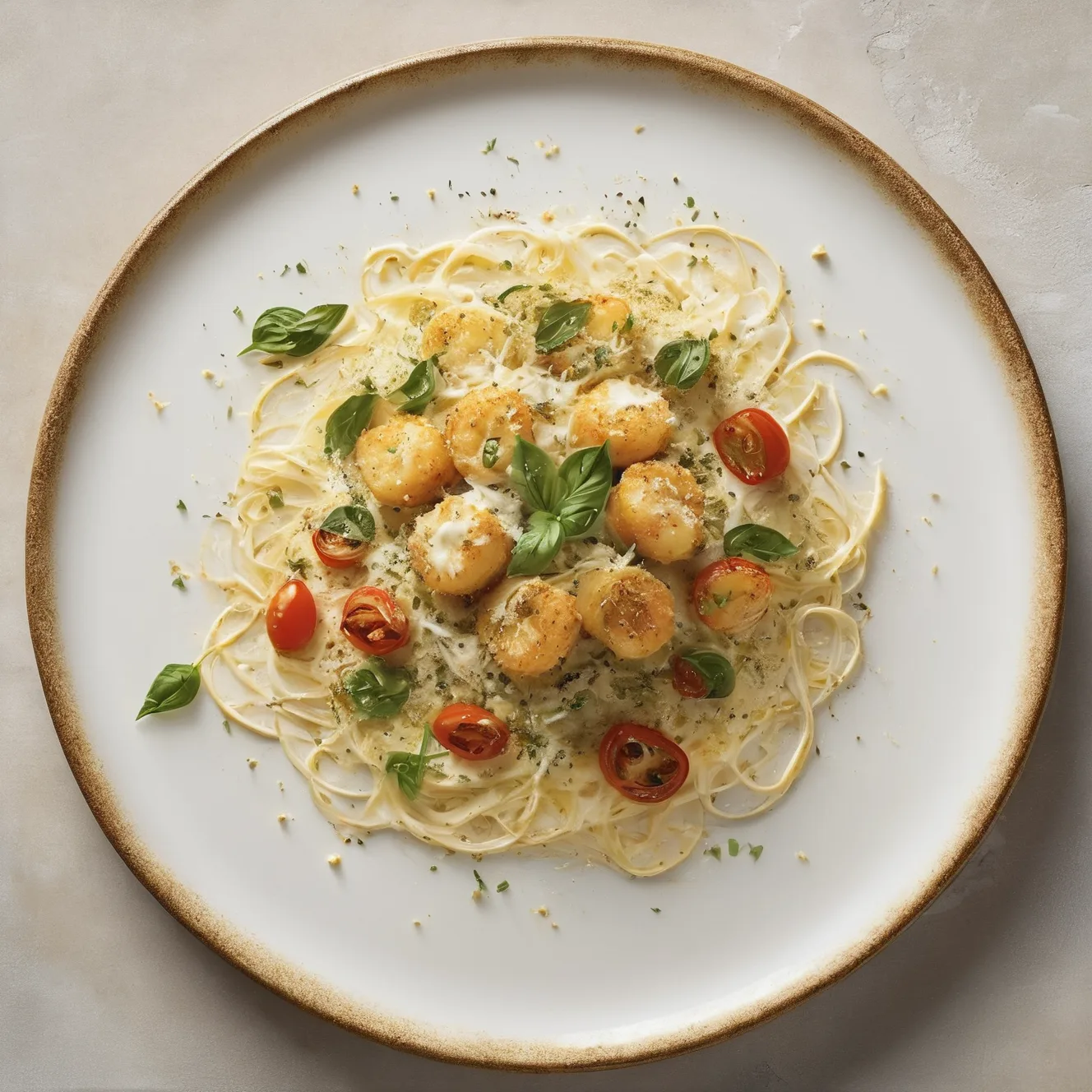
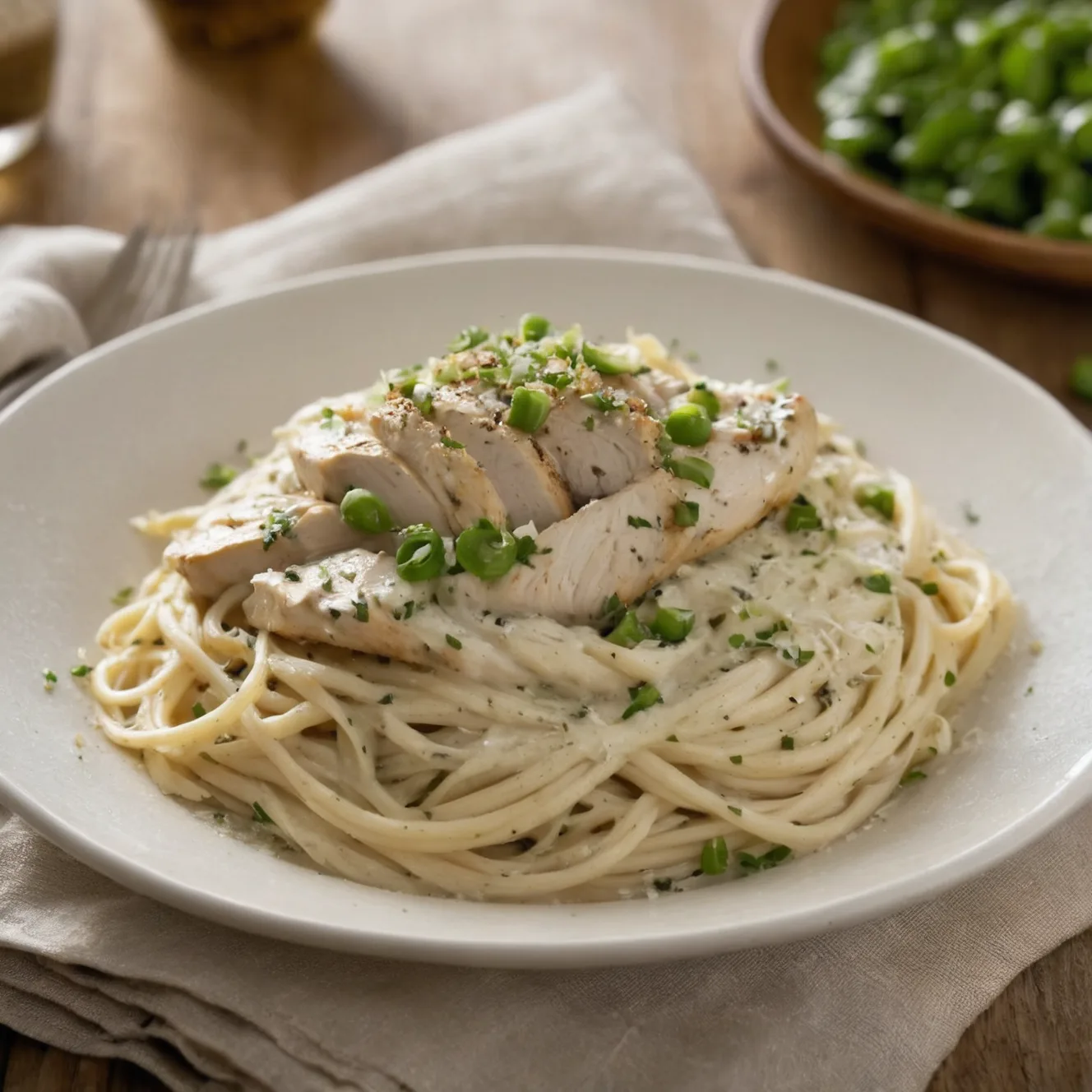
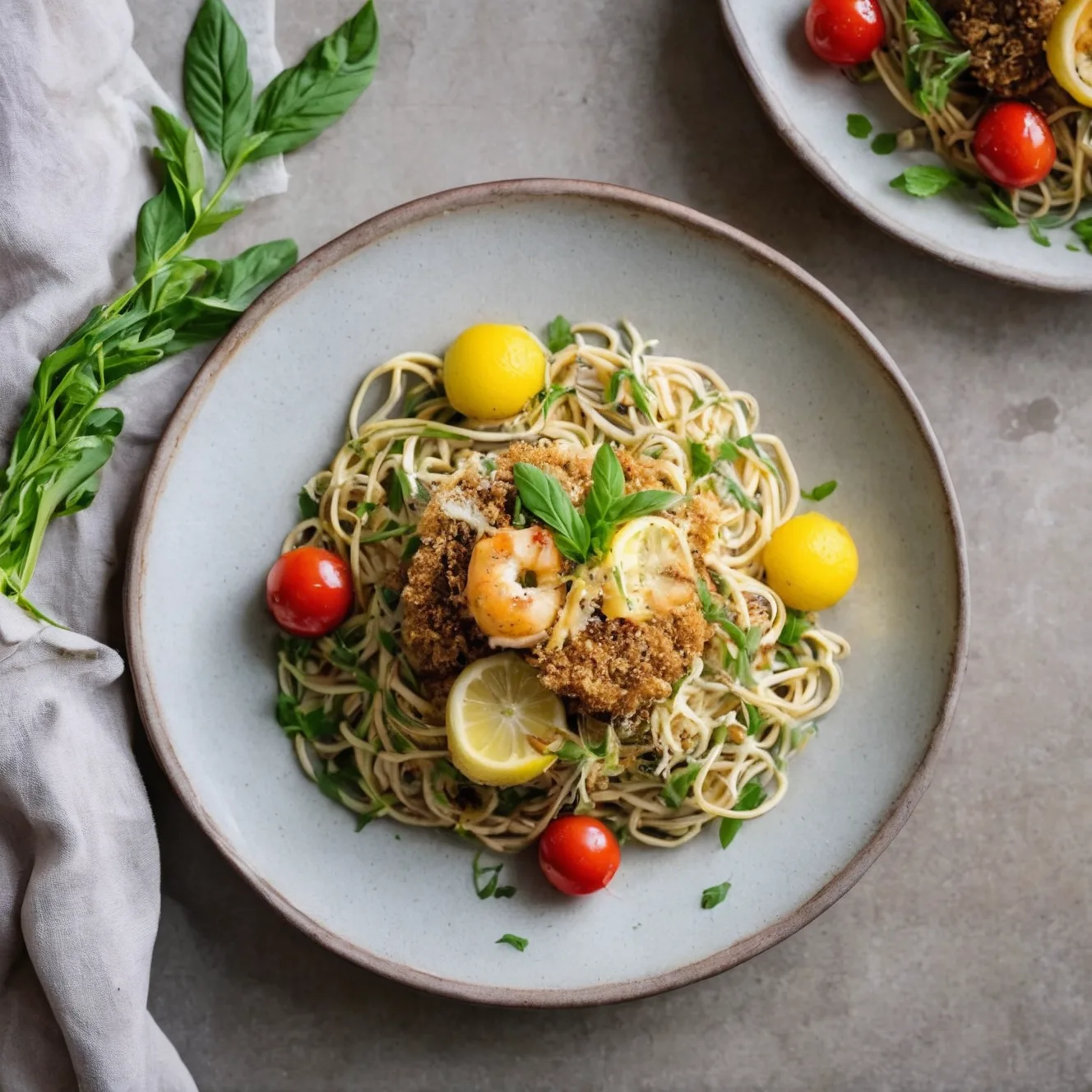
Quick answer: Cheesecake Factory's Bistro Shrimp Pasta is spaghetti tossed with mushrooms, halved cherry tomatoes, and fresh arugula in a basil-garlic-lemon cream sauce, topped with crispy panko-breaded shrimp. The shrimp are the defining element: they are coated in a light flour-cornstarch batter and pan-fried until golden, then placed on top of the pasta rather than mixed in — so they stay crispy while the sauce-coated pasta underneath is rich and creamy. The restaurant removed this dish in March 2025 during a 13-item menu overhaul, making this the only way to have it. At the restaurant it was one of the most caloric items on the menu at roughly 2,010 calories for a dinner portion (per fastfoodnutrition.org; the lunch plate ran approximately 1,370). This home version comes in around 750 calories per serving for four people. The arugula is the 'bistro' element — it wilts just enough in the warm pasta to lose its bitterness while keeping its peppery edge.

Copycat Cheesecake Factory Bistro Shrimp Pasta (Crispy Shrimp, Lemon-Basil Cream Sauce)

Cheesecake Factory's Bistro Shrimp Pasta was pulled from the menu in March 2025 — here's the accurate copycat. The defining detail most recipes miss: the shrimp are panko-breaded and pan-fried crispy, not sautéed. Tossed with spaghetti, mushrooms, cherry tomatoes, and fresh arugula in a basil-garlic-lemon cream sauce. Restaurant dinner plate ran about 2,010 calories; this version is about 750 per serving.

Medium Prep: 20 min Cook: 30 min Total: 50 min4 servings ~$4.50/serving
Prep20 min
Cook30 min
Total50 min
Servings
4
At home~$4.50/serving
vs
Restaurant~$20.25/serving
You save ~78%

Ingredients

Instructions

💡
Pro tip: This recipe tastes even better the next day. The flavors need time to meld together in the fridge.
❄️
Storage: Keeps in an airtight container in the fridge for up to 2 weeks. Freezer-friendly for up to 3 months.
~200-300 cal/serving · Rich & Indulgent🔥

The Story Behind the Recipe

Copycat Cheesecake Factory Bistro Shrimp Pasta

Prep time: 20 min Cook time: 30 min Servings: 4

Cheesecake Factory’s Bistro Shrimp Pasta was quietly pulled from the menu in March 2025, one of 13 items cut during a major overhaul. Before its removal, it had been on the menu for roughly a decade and earned a reputation for two things: being genuinely delicious and being one of the most caloric dishes in the chain’s already-enormous lineup, at roughly 2,010 calories for a dinner portion.

The good news: it is not a complicated dish to replicate at home. And once you know the one detail most copycat recipes skip, you will understand exactly why the restaurant’s version tasted the way it did.

The Detail Almost Every Recipe Gets Wrong

The shrimp are breaded and fried.

Not pan-sautéed. Not just seasoned and seared. Run through a three-step panko breading — flour, then beaten egg, then seasoned panko — and pan-fried until crispy and golden, then set on top of the pasta rather than mixed into the sauce.

That structural choice is why the dish was called Bistro Shrimp Pasta rather than just Shrimp Pasta. The crispy shrimp sitting on top of a soft, cream-sauced spaghetti base, with the peppery arugula and torn basil underneath, is a restaurant composition — not an afterthought. Mixing the shrimp into the sauce defeats the point. The contrast between the crunchy shrimp and the silky pasta is what the dish is built around.

Most copycat recipes online substitute sautéed shrimp because it is easier and faster. The result is still a good dinner. But it is not this dish.

Cost Comparison: Home vs. Restaurant
Cheesecake FactoryHomemade (4 servings)
Per plate~$23–27 (2025, before removal)
Full batch (4 plates)~$92–108~$28–32
Per serving~$23–27~$7–8
Calories (dinner)~2,010 (fastfoodnutrition.org)~750

The calorie gap is one of the reasons this dish is worth making at home. At 750 calories per serving, the home version is in a completely different category from the restaurant’s roughly 2,010-calorie dinner plate — mainly because you control the cream, the frying oil, and the portion of pasta.

How the Dish Is Constructed

Understanding the structure makes the recipe easier to follow:

The sauce base is a cream reduction with sautéed mushrooms, garlic-softened cherry tomatoes, white wine, and lemon. The mushrooms go in first so they brown properly (wet mushrooms added to cream are pale and flavorless). The tomatoes dissolve slightly into the sauce rather than staying as intact pieces.

The arugula goes in at the end, off the heat, so it wilts from residual warmth rather than cooking fully. After about 30 seconds of tossing with the hot pasta, it loses most of its raw bitterness while keeping a peppery edge. This is the “bistro” element — it is what makes the sauce feel composed rather than generic.

The shrimp go on top, added last, so they arrive at the plate with their crust intact. They will soften after 4 to 5 minutes of contact with the warm sauce, so serve immediately after plating.

The Breading

The three-step process — flour, egg, panko — is what produces the Cheesecake Factory’s signature crispy shrimp. Each layer has a job: the flour gives the egg something to grip, the egg gives the panko something to stick to, and the panko creates the visible golden crust. Skipping the flour step or using plain breadcrumbs instead of panko produces a softer, thicker coating that does not match the restaurant’s texture. Panko is lighter, coarser, and crisps more quickly than standard breadcrumbs — it is what makes the shrimp look and feel different from a standard breaded shrimp.

The non-negotiable step: pat the shrimp completely dry before starting. Moisture is the enemy of panko breading. Even a small amount of surface water prevents the flour from adhering, which causes the coating to fall off in the frying oil. Press paper towels firmly against each shrimp and let them sit on a dry surface for a minute before dipping.

Why Spaghetti and Not Angel Hair

Several copycat sites use angel hair pasta, but the restaurant used spaghetti. Multiple accounts of the dish before its removal — including coverage of the March 2025 menu cuts — describe it as containing “heaps of spaghetti.” The distinction matters for how the dish holds together: spaghetti’s extra weight and substance keeps it from collapsing under the crispy shrimp on top. Angel hair, with its higher surface-area-to-volume ratio, absorbs sauce very fast and becomes soft quickly. Spaghetti takes a bit longer and holds its structure through plating and the first few minutes of eating — which is when the contrast with the crispy shrimp matters most.

Sauce Adjustments
  • Too thick: Add reserved pasta water, 2 to 3 tablespoons at a time. Starchy pasta water loosens the sauce without diluting the flavor, and the starch actually helps the sauce cling to the pasta.
  • Too thin: Let it simmer uncovered for another 1 to 2 minutes before adding the pasta. It should coat the back of a spoon clearly.
  • Too sharp (lemon): Add a pinch of sugar or an extra tablespoon of cold butter, swirled in off the heat. The fat rounds the acid without masking it.
  • Not enough lemon: Add in small amounts after the cream is in — a teaspoon at a time. The cream softens the acidity, so you may need more than you expect.
Tips
  • Fry in two batches. A crowded pan drops the oil temperature below 375°F and the shrimp steam rather than crisping. With extra-large 21/25 shrimp, about 12 to 14 per batch fit comfortably in a 12-inch skillet.
  • Rest the breaded shrimp before frying. After the panko is applied, let the shrimp sit 3 to 5 minutes. The egg dries slightly and the panko bonds more firmly — shrimp that go straight from breading into the oil often shed their coating.
  • Season the shrimp immediately after frying. Salt adheres to hot, slightly oily surfaces much better than it does to cool ones. Season within 30 seconds of pulling them from the oil.
  • Do not skip the mushroom browning step. The tendency is to stir the mushrooms right after they hit the pan. Resist it. Let them sit undisturbed for 2 to 3 minutes until a brown crust forms on one side. That crust is where the flavor is; pale, steamed mushrooms add nothing to a cream sauce.
  • Reserve more pasta water than you think you need. You want at least a cup. The sauce can tighten fast once the pasta is added, and pasta water is the only way to loosen it without changing the flavor.
More Cheesecake Factory Copycat Recipes

See all Cheesecake Factory copycat recipes →

Nutrition Facts

Per serving (4 servings)
Calories750
Total Fat32g
Total Carbs58g
Dietary Fiber3g
Sugars6g
Protein44g
Sodium720mg

* Estimated values based on standard recipe preparation. Actual values may vary.

🥗

Make It Healthier

Love Cheesecake Factory Bistro Shrimp Pasta (Crispy Shrimp, Lemon-Basil Cream Sauce) but want a lighter version? Try these simple swaps:

  • Replace heavy cream with half-and-half to save about 70 calories per serving; the sauce is thinner but still coats the pasta
  • Reduce the pasta to 9 oz total (about 2.25 oz per serving instead of 3 oz) to cut roughly 60 calories and 12g carbs per serving
  • Bake or air-fry the breaded shrimp at 400°F for 10–12 minutes (flipping once at 6 minutes) instead of pan-frying — they get less uniformly golden than the fried version but still have solid panko crunch
  • Use whole wheat spaghetti to add fiber; the earthier flavor pairs surprisingly well with the lemon-basil cream sauce

Equipment You'll Need

12-inch skillet (two, ideally)

One for frying the shrimp, one for the sauce — or fry first, wipe out, and use the same pan for the sauce

Instant-read thermometer

Maintaining oil at 375°F is the difference between crispy panko-breaded shrimp and greasy ones; guessing usually undershoots

Large pot

Standard pasta pot for boiling the spaghetti; reserve a full cup of pasta water before draining

Slotted spoon or spider strainer

For transferring fried shrimp from the oil without carrying excess oil onto the plate

Frequently Asked Questions

Is Cheesecake Factory Bistro Shrimp Pasta still on the menu?

No. The Cheesecake Factory removed Bistro Shrimp Pasta from its menu in March 2025 as part of a major overhaul that cut 13 items. The dish had been on the menu for roughly a decade and was one of the chain's most recognizable pasta entrees — and also one of its most caloric, which may have factored into its removal. Multiple news outlets including CNN Business, TODAY, and The Takeout confirmed the cut when CF announced the changes in March 2025. The dish has not returned as of August 2026. This copycat recipe is the only way to have it now.

Are the shrimp sautéed or fried in Cheesecake Factory Bistro Shrimp Pasta?

Fried — with a panko breadcrumb crust. This is the most important accuracy detail in the entire dish and the thing most copycat recipes get wrong by using sautéed or simply seasoned shrimp. The Cheesecake Factory's version ran the shrimp through a standard three-step breading (flour → beaten egg → panko seasoned with garlic and onion powder) and pan-fried them separately before placing them on top of the pasta. Because the shrimp go on top rather than being mixed into the sauce, they retain their crispiness for several minutes while you eat. The texture contrast — soft, sauce-coated spaghetti underneath, crunchy panko-crusted shrimp on top — is what defines the dish. If you use sautéed shrimp, you are making a different dish that tastes good but does not replicate the original.

What pasta does Cheesecake Factory use in Bistro Shrimp Pasta — spaghetti or angel hair?

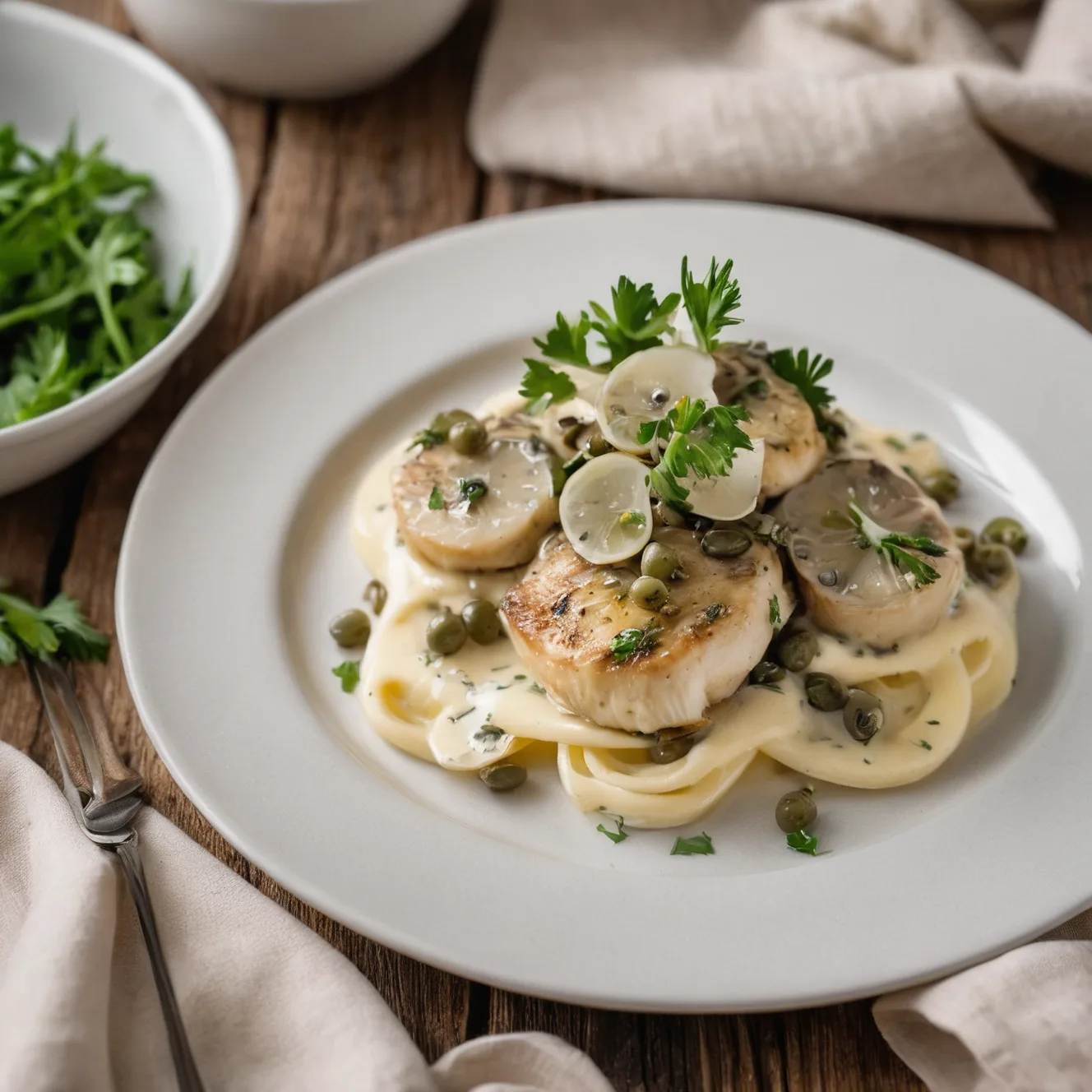
Spaghetti. Multiple sources that covered the dish's March 2025 removal — including TODAY Food and The Takeout — specifically described it as containing 'heaps of spaghetti.' Angel hair (capellini) is thinner and more delicate, and the restaurant used it in other pasta dishes like Chicken Piccata. For Bistro Shrimp Pasta, the spaghetti's extra weight lets it hold the cream sauce without collapsing under the crispy shrimp on top. Angel hair produces a softer overall dish where the sauce-to-pasta ratio shifts; if that is your preference, it works, but it is not the original. This recipe uses standard 12 oz (340g) spaghetti for 4 servings.

Why is there arugula in a shrimp pasta dish?

The arugula is the 'bistro' element — it is what earns the dish its name. Arugula in a French-influenced bistro context is used the way Italian cooks use it on pizza: tossed in at the end so the residual heat wilts it slightly without fully cooking it. At the Cheesecake Factory, the arugula was mixed into the pasta with the warm sauce and lost most of its raw bitterness while keeping a peppery, slightly bitter edge that cut through the richness of the cream. It also provides color contrast. If you add arugula earlier (while the sauce is actively simmering), it turns dark and mushy. Add it at the very end, after the heat is off, and toss quickly — 30 seconds of contact with warm pasta is enough.

How many calories does the home version have versus the restaurant?

The restaurant's dinner portion was approximately 2,010 calories, with 131 grams of fat and 152 grams of carbohydrates, according to fastfoodnutrition.org's pre-removal data. (It was famously cited by the Center for Science in the Public Interest's 'Xtreme Eating' list in 2013 at an estimated 3,020 calories — that figure reflected an earlier, larger portion; the 2,010-calorie count is the more reliable recent figure.) The lunch portion ran approximately 1,370 calories. This home version, divided into four servings, comes in around 750 calories per plate — mostly because you control the amount of cream in the sauce, fry the shrimp in a shallow pan rather than deep-frying, and use a reasonable portion of spaghetti. You can get it under 600 calories per serving by using half-and-half instead of heavy cream and reducing the pasta by an ounce per serving.

What's the difference between Bistro Shrimp Pasta and Cheesecake Factory Shrimp Scampi?

Both dishes use pan-fried shrimp in a cream sauce over pasta, which creates genuine confusion. The key differences: CF Shrimp Scampi (still on the menu as of 2026) coats the shrimp in a Parmesan-and-flour dredge rather than panko breadcrumbs, and the sauce is built on whole roasted garlic cloves, heavy cream, white wine, diced tomatoes, and fresh basil — with a sweeter, more mellow garlic flavor than a sautéed-garlic cream. Bistro Shrimp Pasta used panko-crusted shrimp in a cream sauce with sautéed sliced garlic, lemon juice, mushrooms, cherry tomatoes, and arugula — more acidic and more components. The scampi shrimp also stand upright around the pasta rather than laying on top. Calorie difference is significant: Scampi runs about 1,350 calories (dinner) versus Bistro Shrimp Pasta's approximately 2,010 calories. The Shrimp Scampi is still on the menu; Bistro Shrimp Pasta was removed in March 2025. If you want the discontinued panko-breaded dish, this is the recipe.

Can I make the sauce without heavy cream for a lighter version?

Yes. Replace the 1 cup heavy cream with 1 cup half-and-half (saves about 70 calories per serving) or whole milk plus 2 tablespoons of cornstarch (saves more but produces a thinner, less rich sauce). With half-and-half, the sauce is noticeably lighter and more acidic — the lemon comes through more sharply. Add the lemon in stages if using half-and-half, since the lower fat content means the sauce won't soften the acidity as much. With whole milk, simmer the sauce a bit longer to reduce and thicken before tossing with pasta. One note: the cream is load-bearing in this dish. The original restaurant version was rich to a degree that defined its character. A lighter sauce is a good dinner; it just does not taste like what CF served.

Love this recipe? Share it!

Shop the tools

Gear matched to this recipe's equipment list. We may earn a small commission if you buy through these links — at no extra cost to you.

As an Amazon Associate, Copycat Spices earns from qualifying purchases.

Free PDF: our 12 most-wanted copycat recipes — instant download.

Ratings & Reviews

No ratings yet

Rate this recipe

Click a star to rate

Leave a Review

0/500

CS

Copycat Spices Test Kitchen

Every recipe on Copycat Spices is developed and tested in our home test kitchen. We reverse-engineer beloved restaurant dishes and refine each one until the flavors and the instructions work reliably for home cooks of all skill levels.

Learn more about our mission →