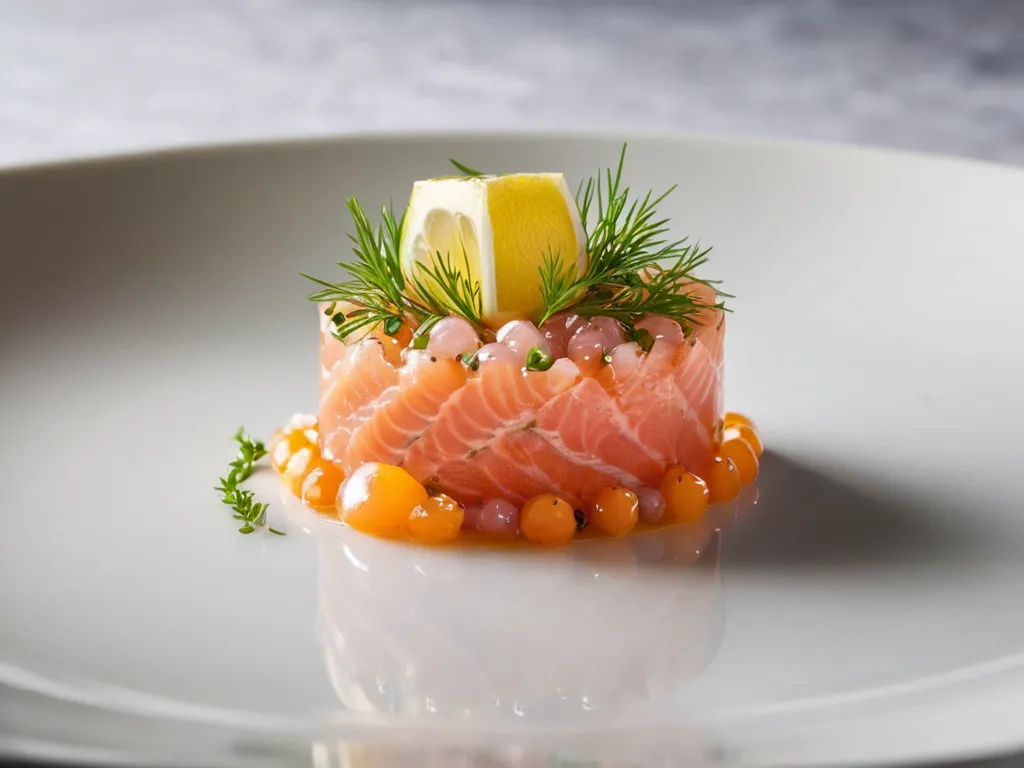
Salmon tartare looks like it belongs in a $200 tasting menu. TikTok revealed the secret: it takes 15 minutes, costs $4 per person, and requires zero cooking. The ring mold reveal — lifting it to show a perfect tower of ruby salmon, creamy avocado, crispy shallots, and microgreens — is one of those moments that looks more technical than it is.
The dish has roots in Nobu Matsuhisa’s iconic crispy rice with spicy tuna — the signature appetizer that put Nobu restaurants on the map — which home cooks began recreating and riffing on across TikTok starting around 2022. The salmon tartare version (often placed on crispy rice squares, wonton chips, or cucumber rounds) traveled through dozens of creator accounts, each adding their own twist on the dressing. The comments on every video say the same thing: “I made this and my guests thought I’d bought it from a restaurant.”
There are a few things the recipe stubs online consistently skip that make a real difference. This guide covers them.
What Makes This Tartare Different From the Generic Version
The stripped-down version — soy sauce, sesame oil, avocado, salmon — works but it’s flat. The additions that matter:
Lime juice is the most important missing element. Acid brightens every other flavor in the bowl, balances the richness of the sesame oil and avocado, and makes the salmon taste fresher. Two teaspoons is exactly enough; more and it starts curing the fish.
Fresh ginger adds a warm, clean sharpness that sesame oil alone can’t provide. Use a microplane — you want grated ginger paste, not chunks.
Scallions replace the “optional crispy shallots” in the dressing itself (where the shallots go as a garnish). The green part of the scallion provides freshness and mild onion flavor without competing with the fish.
Chilled everything changes the texture. Salmon that’s been firmed in the freezer for 15–20 minutes dices into clean uniform cubes. Salmon at room temperature squashes under the knife.
Sourcing Sushi-Grade Salmon: What It Actually Means
“Sushi-grade” is a marketing term with no official FDA definition — it signals that the fish has been commercially frozen under conditions that eliminate parasitic risk. The FDA recommends -4°F (-20°C) for 7 days or -31°F (-35°C) for 15 hours. Reputable retailers who sell fish for raw consumption have done this as part of their supply chain.
Farmed Atlantic salmon is the standard for home salmon tartare, and for good reason. Farmed salmon is raised on controlled feed, which dramatically reduces parasite exposure compared to wild Pacific salmon caught from open water. This is why virtually all sushi restaurants use farmed salmon — it’s the lower-risk choice for raw consumption, not the budget choice.
Where to buy it: Whole Foods, Trader Joe’s (frozen, labeled for raw use), any Asian grocery store (Mitsuwa, H Mart, 99 Ranch), or a dedicated fish market. Call ahead and specifically ask: “Is this salmon safe to eat raw?” A good fish counter will answer directly. If they hesitate or only say “it’s fresh,” that’s not the same as sushi-grade.
What to look for: Deep orange-pink color, no strong fish smell (raw sushi-grade salmon smells clean and faintly oceanic), firm texture that springs back when pressed. Avoid anything with brown edges or a sour smell.
The Knife Technique
A sharp knife is not optional. A dull knife compresses and tears the fish, ruining the texture and causing the flesh to release liquid that dilutes the dressing.
Chill the knife blade in the fridge or freezer for a few minutes before using. Work on a chilled cutting board. The sequence:
- Slice the salmon into ¼-inch planks (slicing with the grain)
- Stack two or three planks and cut into ¼-inch strips
- Cross-cut the strips into ¼-inch cubes
The result is a consistent, small dice — each cube is roughly the size of a kernel of corn. This is what makes the tartare look professional. Inconsistent dice (half the pieces large, half small) is the most visible sign of a rushed execution.
Work in small batches. If the fish starts softening mid-prep, return it to the fridge or freezer for 5 minutes before continuing.
The Three Dressing Mistakes
Over-dressing is the most common problem. Salmon tartare should taste like salmon. Two tablespoons of soy sauce for a pound of fish is the upper limit — enough to season throughout without turning it into a soy-forward dish. Add the dressing, fold, taste. If you want more punch, add a drop more lime juice rather than more soy.
Using low-quality sesame oil. Toasted sesame oil — the dark, fragrant kind — is what gives the dressing its nutty, warming depth. Untoasted (light) sesame oil has almost no flavor. The bottle should say “toasted” or “roasted” and should smell strongly of sesame when you open it. One tablespoon is plenty.
Skipping the acid. The lime juice is not optional garnish — it’s the structural element that balances the fat (sesame oil + avocado) and salt (soy sauce). Without it, the dressing is heavy and one-dimensional.
Three Variations Worth Making
Ponzu version: Replace the soy sauce + lime juice combination with 3 tablespoons of ponzu (a pre-made citrus-soy sauce available at Asian grocery stores and most major chains). Ponzu is lighter and more citrus-forward than regular soy; the tartare becomes cleaner-tasting and even more refreshing. This is the version that best showcases the salmon itself.
Spicy version: Add 1–2 teaspoons of sriracha to the dressing plus a drizzle of chili crisp (Lao Gan Ma or similar) over the finished tartare. For maximum heat without altering the flavor balance, add a small smear of yuzu kosho under the salmon tower before plating — a Japanese condiment made from fermented yuzu peel and chili that provides salty, spicy, citrus heat in one ingredient.
Classic French tartare: Omit the soy, sesame oil, ginger, and scallions entirely. Dress the diced salmon with: 1 tablespoon finely minced shallot, 1 teaspoon Dijon mustard, 1 tablespoon fresh lemon juice, 1 tablespoon extra-virgin olive oil, 1 tablespoon capers (rinsed and roughly chopped), 1 tablespoon fresh dill or chives, flaky sea salt, and white pepper. Serve on blini or toasted brioche. This is the restaurant classic — more complex, less of the sesame-forward punch, and what you’d find at a bistro rather than a TikTok kitchen.
For the Nobu-style crispy rice version — the one that replicates what people pay $28 for at omakase restaurants — see the crispy sushi rice squares under Serving Vessels below; it pairs the spicy-mayo dressing with a pan-fried rice base.
The Ring Mold Technique
The reveal is 90% of the TikTok appeal. Getting it right:
Layer order: Avocado goes in first (bottom), salmon on top. When you invert in your mind — the avocado is the base on the plate, the salmon sits on top. Pressing the salmon down into the mold creates compression that holds the tower together when you lift.
How much compression: Press firmly but not hard. You want the layers to cohere, not to mash the salmon. The fish should hold its shape, not become a paste.
The lift: One smooth, steady upward pull. Don’t twist. If the tartare sticks, run a thin knife or offset spatula around the inside edge of the mold before lifting.
Garnish immediately: Crispy shallots and microgreens go on before the tower starts to shift. The fried shallots add the textural contrast that makes the first bite interesting — the crunch against the silky salmon and creamy avocado is the point.
Serving Vessels
Crispy sushi rice squares (the Nobu method): The most visually impressive option — and the one replicating what the tasting menu version actually uses. Cook and season sushi rice, press into a ½-inch-thick layer on a parchment-lined pan, refrigerate 2 hours until set, cut into 2×3-inch rectangles, and pan-fry in neutral oil at 350°F for 2–3 minutes per side until the exterior is golden and crisped while the interior stays sticky. For this version, swap the Asian dressing for the Nobu-style spicy mayo — 2 tablespoons Kewpie mayonnaise, 1 tablespoon soy sauce, 1 teaspoon sriracha, and a few drops of sesame oil. Top each rice square with a cube of avocado and a spoonful of the dressed salmon. No ring mold needed.
Wonton chips: Cut square wonton wrappers diagonally into triangles, deep-fry in 350°F oil for 60–90 seconds until golden, drain on paper towels. Season with flaky salt while hot. Sturdy, neutral, and the right size for a generous scoop of tartare. Store-bought wonton chips (at Asian grocery stores) save the step.
Rice crackers: Lighter than wonton chips, slightly sweet. The sesame-coated variety echoes the sesame in the dressing. Available everywhere.
Cucumber rounds: Slice English cucumber into ½-inch rounds. Provides freshness and lightness, reduces the calorie count significantly. The crunch is different from a chip but equally satisfying.
Endive leaves: The natural boat shape of endive leaves makes them the most elegant scoop. Slightly bitter — a nice contrast to the rich salmon and avocado.
For a plated first course: Skip the chips and serve the ring-mold tower as a standalone plate with a small pour of extra ponzu or citrus vinaigrette alongside.
How Long It Keeps (The Answer: It Doesn’t)
Salmon tartare does not hold. Once dressed and plated, plan to serve and eat it within 15–20 minutes. The lime juice slowly cures the salmon (turning it opaque, like ceviche), the avocado continues oxidizing, and the crispy shallots lose their texture.
For a dinner party, prep all components in advance:
- Make the dressing up to 24 hours ahead (refrigerate)
- Prep crispy shallots, scallions, and sesame seeds up to 1 hour ahead
- Dice and chill the salmon up to 30 minutes ahead
- Cube and lime the avocado up to 15 minutes ahead
Dress and plate while guests finish their first drink. Assembly takes under 3 minutes.
Cost: Home vs. Restaurant
A salmon tartare appetizer at a mid-range restaurant typically runs $18–24 for a small portion. One pound of sushi-grade salmon serves four generous appetizer portions at a home cost of roughly $14–18 (at $14–18/lb for quality farmed salmon). Add the avocado, dressing, and garnishes and the per-person cost stays under $6. A dinner party starter for a quarter of the restaurant price.
What to Serve Alongside
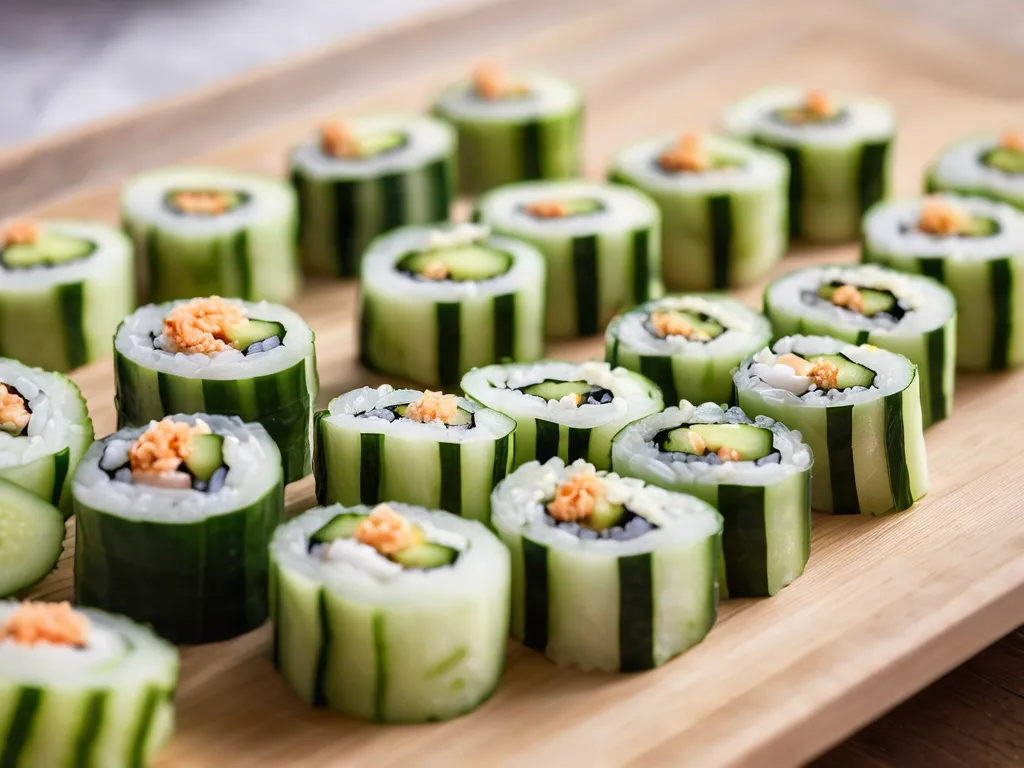
For a fuller seafood spread, this pairs naturally with Emily Mariko’s salmon bowl as a main course — the flavors are in the same family. The TikTok miso salmon is the cooked counterpart for guests who prefer not to eat raw fish. For a party table that mixes raw and cooked, add sushi bake casserole as a shareable hot dish alongside the cold tartare — it’s the same flavor family (soy, sesame, Japanese-influenced) and gives guests who prefer cooked fish a satisfying option. Cucumber sushi rolls round out the spread as a no-cook, low-carb addition.