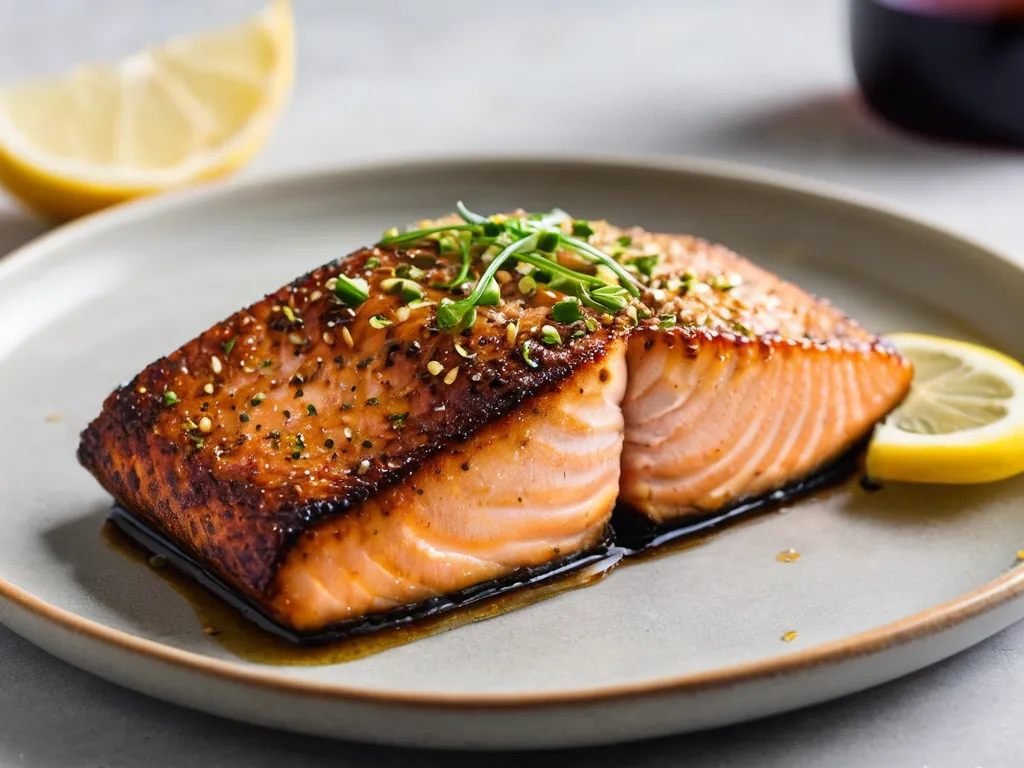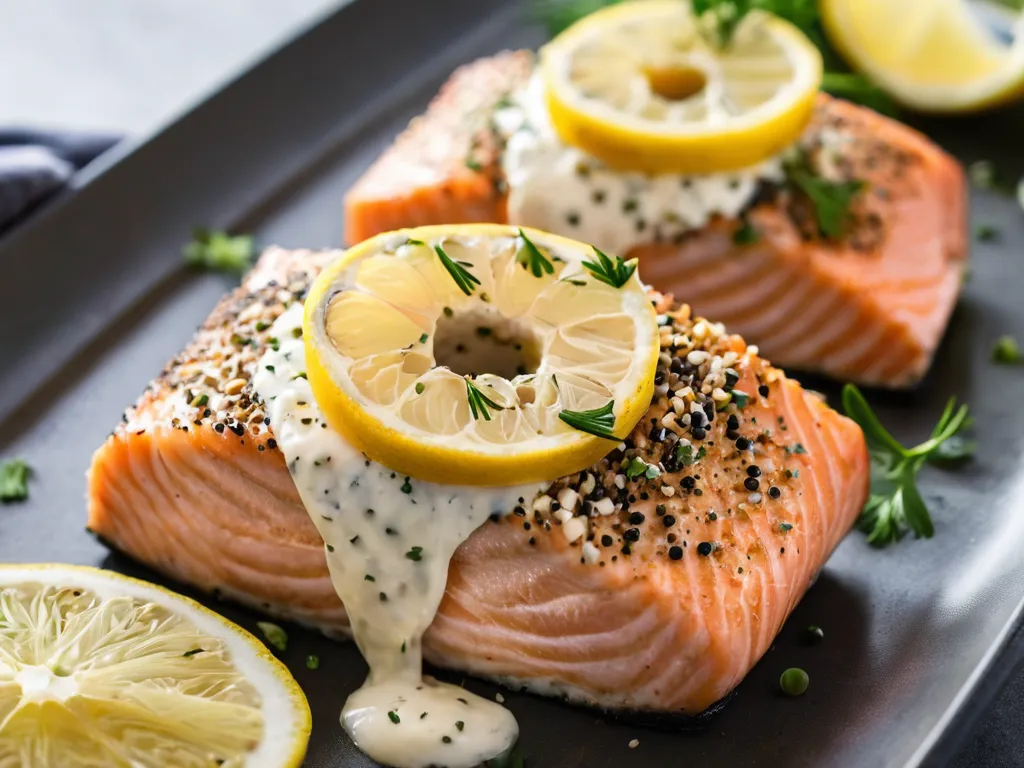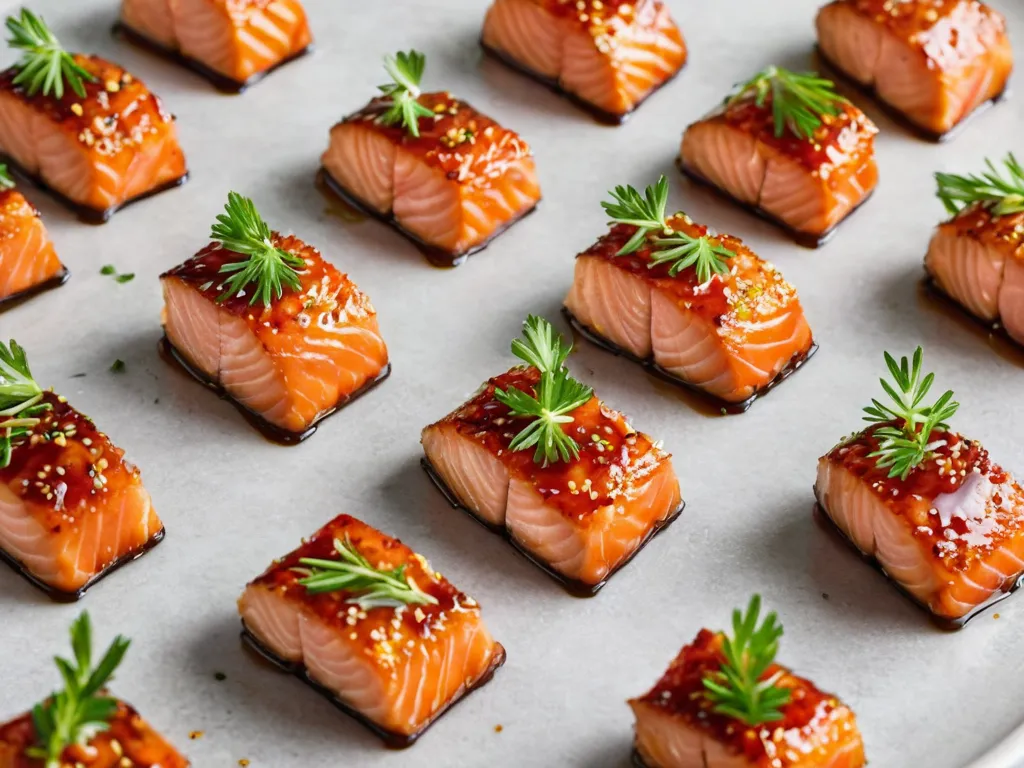
Air fryer salmon bites took over TikTok food pages starting in 2022 and haven’t left. The format is closely associated with Paige Sheffield (@paigeejenna), whose “OG salmon bites” — bite-size salmon cubes tossed with oil and spices and air-fried at 400°F — became one of the trend’s defining videos and spread across thousands of accounts. Her original is a clean, glaze-optional formula. The two refinements this guide focuses on — a light cornstarch coating for real crispiness and a post-cook honey sriracha glaze — are the widely-adopted upgrades that turn the basic version into something genuinely crispy and crave-able.
What made the recipe travel well is that it actually works every time. Unlike crispy chicken recipes that require buttermilk soaks and deep-fry setups, salmon bites need one unusual ingredient (cornstarch), one non-negotiable step (dry the salmon completely), and 10 minutes in the air fryer.
The Cornstarch Secret: Why It Actually Works
Cornstarch is the ingredient that separates genuinely crispy salmon bites from the softer version you’d get from just seasoned salmon alone. Here is the science:
Salmon has a naturally moist surface, even after you pat it dry. When starch coats that surface, it pulls residual moisture into the starch layer rather than letting it hit the hot basket as steam. In the 400°F air fryer, the dry starch-coated exterior undergoes Maillard browning faster than bare fish would — the crust forms before the interior overcooks.
The same logic is behind Chinese velveting (tossing proteins in cornstarch or egg white + starch before stir-frying) and behind the technique restaurants use to make fried chicken stay crispy longer than home versions. A thin cornstarch layer acts as a buffer: crisps the outside, protects the inside.
One tablespoon per 1.5 pounds is a good light-coating ratio — enough to crisp without tasting floury. Recipes that aim for a heavier, breaded crust use considerably more (up to a few tablespoons per pound), but for the thin, browned exterior most people want from salmon bites, a little goes a long way. After tossing, the coating should be barely visible — not a thick, white crust. Too much and you get a gummy, pasty layer; too little and the effect is minimal.
Choosing Your Salmon
Atlantic farmed salmon is the standard choice for salmon bites. Its higher fat content (typically 13–15g fat per 4 oz versus 8–10g for wild sockeye) means more moisture and richer flavor, and the fat protects against drying out in the high heat of an air fryer. It’s also consistently available year-round at a lower price point.
Wild Pacific salmon (sockeye, coho, king) works and produces a more intense salmon flavor. Because it’s leaner, it cooks about 1 minute faster and benefits from pulling at 125°F rather than 130°F to avoid drying. If you’re using wild salmon, check 1–2 minutes earlier.
Skinless is standard for bites. Skin-on fillets work for whole salmon recipes where the skin acts as a base and heat shield, but for 1-inch cubes, skin-on pieces tend to curl during air frying and the skin doesn’t crisp evenly when cut small. Buy skinless, or buy skin-on and remove it yourself — a sharp knife angled flat between the flesh and skin, sliding toward the tail end.
Cut size matters more than you’d expect. Uniform 1-inch cubes are the goal because different sizes cook at different rates. A 1.5-inch cube will be undercooked in the center when a 0.75-inch cube is already overdone. Use a chef’s knife on a cutting board and measure visually — it doesn’t need to be precise, but close.
Three Cooking Methods
Air fryer at 400°F (8–10 minutes) — the best method for all-around crispiness. The circulating hot air reaches every surface of the cube simultaneously. A single layer with space between pieces is non-negotiable. If your air fryer basket is small, cook in two batches and keep the first warm in a 200°F oven.
Oven at 425°F (12–14 minutes) — works well when you’re cooking a larger batch. The key is a wire rack over a foil-lined baking sheet. Placing bites directly on the sheet traps moisture under the bottom surface; the rack lets air flow underneath. If you don’t have a rack, flip the bites once at the 7-minute mark.
Pan-sear in cast iron (2–3 minutes per side) — the fastest method and produces the most intense browning on the two sides that contact the pan. Heat the pan over medium-high until very hot, add 1 tablespoon of a high-smoke-point oil (avocado, grapeseed), add the bites in a single layer, and cook undisturbed. The bites release naturally when properly browned — if they stick, they’re not ready to flip.
The Honey Sriracha Glaze
Honey sriracha became the dominant salmon bites glaze because it hits every flavor register: sweet (honey), heat (sriracha), salt (soy sauce), and acid (rice vinegar). The sesame oil is a secondary note — enough to add a nutty background without overpowering.
Apply the glaze after cooking, not before. This is the step people get wrong. Honey contains free sugars that burn quickly above 325°F — in a 400°F air fryer, a honey-glazed piece of salmon will have dark, slightly bitter spots on the exterior before the interior is cooked through. The cornstarch seasoning cooks the salmon. The glaze is applied to already-cooked bites off heat.
Consistency check: when you dip a spoon in the warm glaze and lift it out, the glaze should fall in a thick stream and coat the spoon’s back. If it runs like water, simmer another 30 seconds. If it seizes and stops flowing, add a teaspoon of water and stir off heat.
Five Glaze Variations
The honey sriracha base is the most popular, but the seasoning framework (garlic powder + paprika + cornstarch coating) works with any glaze direction:
Teriyaki: 2 tablespoons soy sauce + 1 tablespoon mirin + 1 tablespoon sake or dry sherry + 1 tablespoon brown sugar + ½ teaspoon fresh grated ginger. Warm until the sugar dissolves and the sauce thickens slightly.
Soy garlic: 2 tablespoons soy sauce + 1 tablespoon sesame oil + 3 minced garlic cloves (sauté briefly in the pan first) + 1 teaspoon honey + 1 teaspoon rice vinegar. More savory, less sweet than the original.
Buffalo: 3 tablespoons Frank’s RedHot + 1 tablespoon unsalted butter + ½ teaspoon apple cider vinegar. Keep warm and toss the bites right before serving — this doesn’t hold the way honey-based glazes do.
Lemon herb: 2 tablespoons olive oil + 1.5 tablespoons fresh lemon juice + 1 tablespoon fresh dill or flat-leaf parsley + 1 teaspoon capers + a pinch of flaky salt. No heat needed — just stir and drizzle. A lighter option when you want Mediterranean flavors over Asian.
Gochujang honey: 1 tablespoon gochujang + 2 tablespoons honey + 1 teaspoon rice vinegar + ½ teaspoon soy sauce. Same technique as honey sriracha but with a deeper, more fermented heat and a slightly thicker consistency that clings better.
Common Mistakes
Not drying the salmon. The most common reason salmon bites come out soft rather than crispy. Moisture is the enemy of browning. Press firmly with paper towels, blot multiple times, and let the cubed pieces rest on the towels for 2–3 minutes if you have time.
Overcrowding the air fryer basket. When pieces touch or overlap, the steam they release stays in the basket instead of escaping. The exterior surfaces never dry out enough to brown. Cook in batches if needed — the extra 10 minutes is worth it.
Too much cornstarch. A tablespoon per 1.5 pounds is the maximum. Double that and you get a pasty, undercooked starch coating that absorbs the glaze instead of crisping under it.
Glazing before cooking. Burns the honey sugars and creates a sticky, slightly bitter coating. Glaze after.
Using cold salmon straight from the refrigerator. Cold proteins cook unevenly — the exterior reaches temperature before the center does. Pull the salmon from the refrigerator 5–10 minutes before cutting and seasoning.
Serving Ideas
Over steamed jasmine rice: the classic. The rice absorbs any excess glaze and provides neutral contrast to the bold honey-sriracha coating. Add sliced cucumber, avocado, and a drizzle of extra glaze.
Salmon bite tacos: warm small corn tortillas, add slaw (shredded cabbage + lime juice + a pinch of salt), place 3–4 salmon bites per taco, and top with a mango salsa or sliced pickled jalapeños. The honey sriracha plays well against fresh citrus.
Grain bowl: quinoa or farro base, roasted broccoli or edamame, shredded purple cabbage, pickled red onion, avocado, salmon bites on top. The Emily Mariko salmon rice bowl is the direct predecessor — this version has more crunch and a bolder glaze.
As an appetizer with toothpicks: double the glaze for dipping, garnish with extra sesame seeds and green onion, and serve immediately. Salmon bites lose their crispiness within 15–20 minutes of sitting, so serve them as quickly as possible if this is the format.
Meal prep bowls: portion over rice or greens into 4 containers for a 4-day protein-forward lunch rotation. The bites reheat well in the air fryer at 350°F for 3–4 minutes or in a hot skillet.
Cost Breakdown
| Item | Cost |
|---|---|
| 1.5 lbs Atlantic salmon (farmed) | $10–14 |
| Cornstarch, garlic powder, paprika | $0.30 |
| Honey, sriracha, soy sauce, rice vinegar | $0.70 |
| Sesame seeds, green onion | $0.50 |
| Total for 4 servings | $11.50–15.50 |
A salmon poke bowl at a fast-casual restaurant runs $15–18 per person. This recipe makes four servings for roughly what you’d pay for one restaurant bowl. Wild sockeye salmon adds $3–4 per pound over farmed Atlantic — for cooking (versus raw preparations like tartare), the farmed Atlantic gives you more yield per dollar.
Storage and Reheating
Refrigerator: up to 3 days in an airtight container. The bites will soften significantly — the crispy exterior is a fresh-out-of-the-air-fryer characteristic and does not survive refrigeration intact.
Reheat in the air fryer at 350°F for 3–4 minutes — the best method for restoring some texture without overcooking. A hot skillet with a small amount of oil works nearly as well (1–2 minutes per side). Microwave reheating (60–90 seconds) is the least ideal but acceptable when you’re eating meal-prepped bowls where the bites are already sauced.
Do not freeze cooked salmon bites. The cell structure of cooked salmon breaks down during freezing and thawing, producing a waterlogged, mushy texture. Freeze raw portions instead: season the cubes (without the cornstarch), lay flat on a parchment-lined sheet to freeze individually, then transfer to a zip-lock bag. Cook from frozen at 400°F for 12–14 minutes.
For the whole-fillet air fryer approach with a different glaze profile, see air fryer salmon fillets with honey garlic glaze. For the miso-glazed variation that works for both whole fillets and bites, see miso salmon. For a raw salmon technique in the same flavor family, the salmon tartare guide covers sushi-grade sourcing and the knife technique for precision-cut pieces.