


Why This Went Viral
No-bake cookies didn’t start on TikTok — they’ve been in American community cookbooks since the 1950s. But TikTok rediscovered them for a generation that had never made them, framing a decades-old recipe as a “hack” and running the video through every algorithm the platform has. The format was perfect: short cooking clip, dramatic pour onto parchment, satisfying set-up, and a payoff that takes 30 minutes instead of hours.
The pantry-staple angle drove the second wave. When people couldn’t find yeast or specialty ingredients during shortages, they started making what they had: sugar, cocoa, oats, peanut butter, butter, milk. No-bake cookies require all of those and nothing else. The recipe spread through “things to make when you’re stuck at home with basic ingredients” compilations, and a new generation fell in love.
The other hook: the failure mode is genuinely interesting and educational. Videos of “why did my no-bake cookies not set?” got millions of views because the science behind it — soft-ball stage sugar chemistry — is something most people have never thought about. Learning that 60 seconds of boiling time is the difference between cookies that set and cookies that stay permanently gooey made people feel like they learned something, which makes content shareable.
The Technique That Makes It Work
The boil time is the entire technique. Everything else in this recipe is forgiving — a few extra oats, slightly more or less peanut butter, a different cocoa brand — but the boil is exact. The goal is cooking the sugar mixture to soft-ball stage, which is 235°F–240°F. At this temperature, the sugar has enough structure when cooled to hold the cookies together as firm, dry drops. Below that temperature, the sugar stays too soft and the cookies never harden. Above it, the sugar becomes too crystalline and the cookies dry out and crumble.
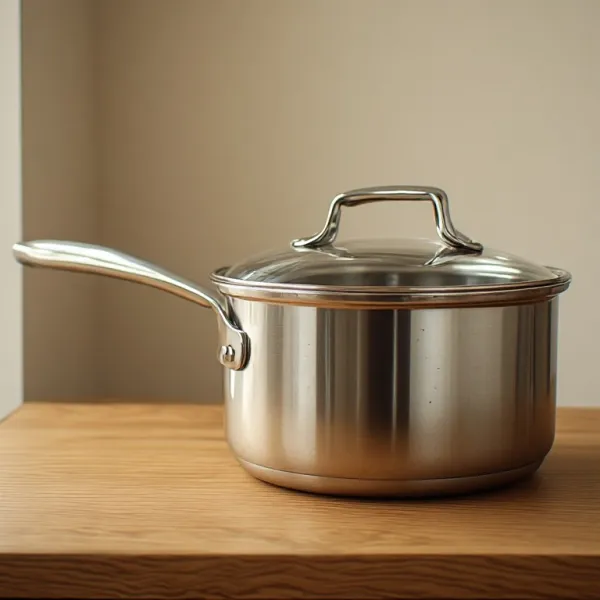
If you have a candy thermometer, clip it to the side of the pan and pull at 235°F. If you don’t, the rolling-boil-for-60-to-90-seconds rule is the traditional approach — it works for most home stoves at medium-high heat, but altitude and individual burner variation can shift the timing. Bakers at high altitude (above 3,500 feet) generally need to boil a few extra seconds because water boils at a lower temperature.
Old-fashioned rolled oats give the best texture — they hold their shape slightly and add chew. Quick oats absorb the mixture faster and result in a denser, less interesting cookie. Steel-cut oats don’t soften enough and give the cookies a hard, almost crunchy texture.
Speed during the scooping phase is genuinely important. The mixture starts to thicken and crystallize as it cools, and if you scoop slowly or stop to rearrange, the last third of the batch will be stiff, irregular lumps instead of rounded drops. Have your parchment ready before you turn on the burner.
Serving and Presentation
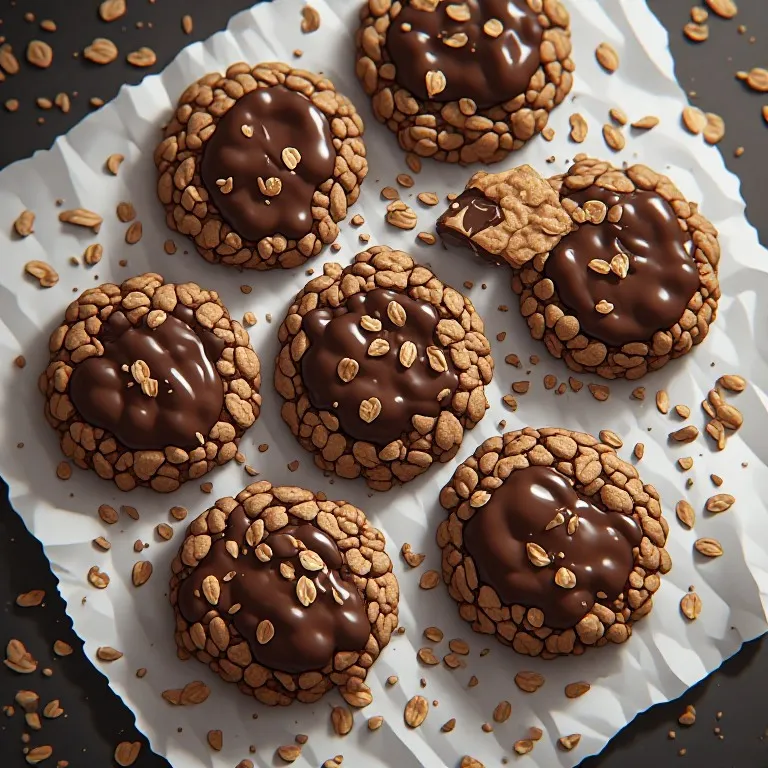
No-bake cookies are casual food. The best presentation is a pile of them on a wooden board or plate, close enough together to make it clear there are dozens. The matte, rough-textured top of a properly made no-bake cookie is part of the visual — you’re not going for glossy or refined.
For TikTok content, the money shot is cutting one open to show the interior texture: oats suspended in set chocolate, peanut butter streaks, a cross-section that looks dense and fudgy. A single cookie broken in half on a marble surface photographs well.
At room temperature in a dry kitchen, these cookies are perfect — firm on the outside, slightly chewy inside. In hot, humid weather they can get sticky on the surface. Store in an airtight container and keep out of direct sunlight.
Variations to Try
Coconut chocolate: Replace ½ cup of the rolled oats with sweetened shredded coconut. The coconut adds chew and a toasty sweetness that reads like a Mounds bar.
Espresso boost: Add 1 teaspoon of instant espresso powder to the sugar-cocoa mixture before cooking. The coffee deepens the chocolate flavor significantly without making the cookies taste like coffee.
Dark chocolate version: Increase the cocoa to ⅓ cup and reduce the sugar by 2 tablespoons. The result is a more intense, bittersweet cookie that tastes more grown-up and pairs well with coffee.
Sunflower seed butter and honey: Replace peanut butter with sunflower seed butter and add 2 tablespoons of honey to the boiling sugar mixture. Reduce the sugar by 2 tablespoons to compensate. This version is allergy-friendly for school lunches and has a subtly floral sweetness.