

Pin It

Viral TikTok Caramel Apple Bark (The Right Way to Make It)

Viral TikTok Caramel Apple Bark (The Right Way to Make It)
Jump to Recipe
Prep 20 min Cook 0 min (chilling: 2–3 hr) Serves 12
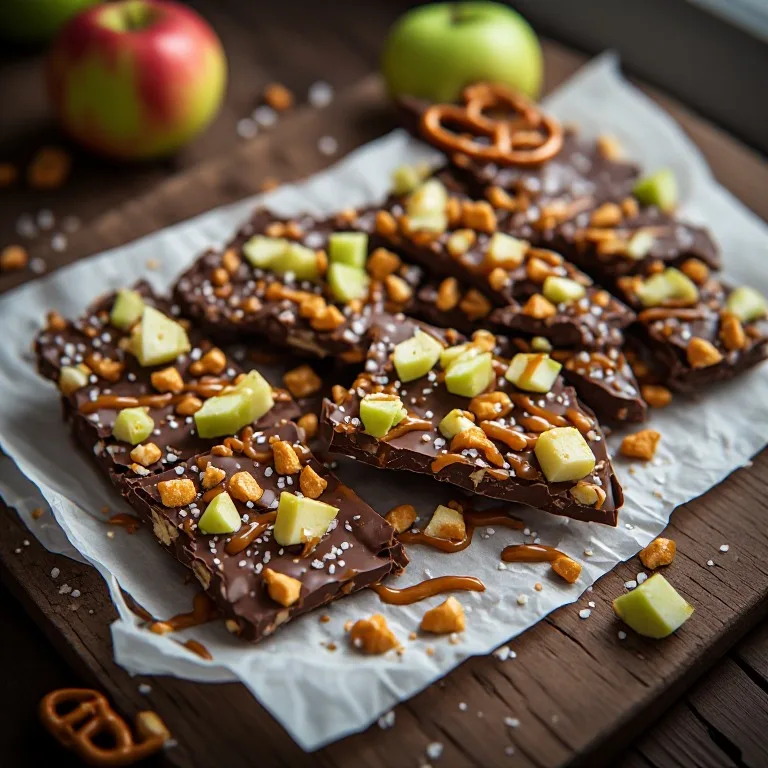
Quick answer: Melt 12 oz dark chocolate chips with 1 tablespoon coconut oil and spread about ¼-inch thick on parchment. Press 1½ cups roughly-crushed mini pretzels into the warm chocolate immediately. Refrigerate 5–7 minutes until the surface is firm but not fully set. Scatter 2 cups of diced Granny Smith apple (soaked 5 minutes in lemon water, then patted completely dry) over the pretzel layer. Drizzle with melted caramel candy — about ½ cup unwrapped caramel pieces + 1 tablespoon cream, melted together — and finish with flaky sea salt. Refrigerate 2–3 hours until fully set, then break into pieces. Best eaten within 24–48 hours.

Shop the tools

Gear matched to this recipe. These are Amazon affiliate links — we may earn a small commission if you buy, at no extra cost to you.

As an Amazon Associate, Copycat Spices earns from qualifying purchases. Product images are generic illustrations, not the exact item listed.

Viral TikTok Caramel Apple Bark (The Right Way to Make It)

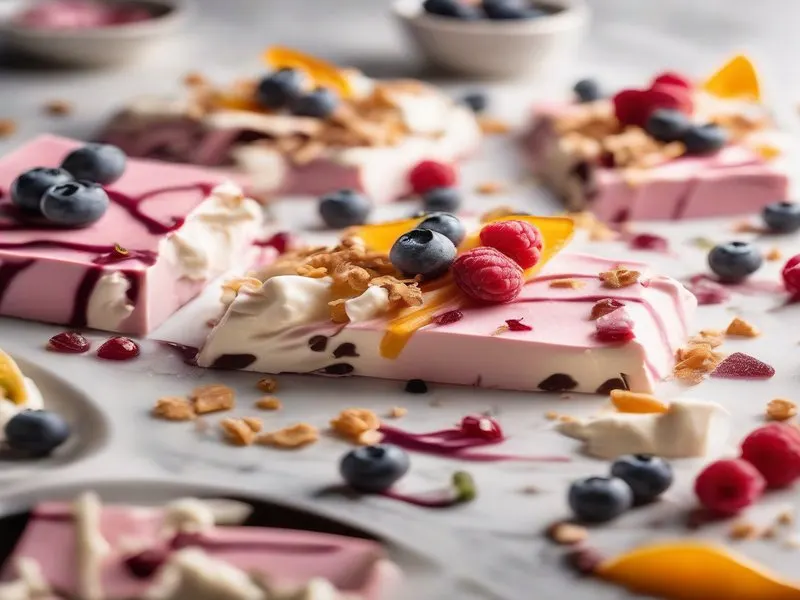
The fall TikTok caramel apple bark done correctly: dark chocolate base, crushed pretzel layer, diced Granny Smith apples, and melted caramel-candy drizzle. Why caramel sauce ruins it, why the pretzel layer matters, and the one cooling step that makes the apples sit on top instead of sinking. ~230 cal per piece.

Easy Prep: 20 min Cook: 0 min (chilling: 2–3 hr) Total: 3h 20m12 servings ~$4.50/serving
Prep20 min
Cook0 min (chilling: 2–3 hr)
Total3h 20m
Servings
12
At home~$4.50/serving
vs
Restaurant~$20.25/serving
You save ~78%

The Story Behind the Recipe

The fall TikTok caramel apple bark done correctly: dark chocolate base, crushed pretzel layer, diced Granny Smith apples, and melted caramel-candy drizzle. Why caramel sauce ruins it, why the pretzel layer matters, and the one cooling step that makes the apples sit on top instead of sinking. ~230 cal per piece.

Nutrition Facts

Per serving (12 servings)
Calories230
Total Fat13g
Total Carbs26g
Dietary Fiber3g
Sugars17g
Protein2g
Sodium60mg

* Estimated values based on standard recipe preparation. Actual values may vary.

Ingredients

  • For the chocolate base
  • For the layers
  • For the caramel drizzle
  • To finish

Instructions

💡
Pro tip: This recipe tastes even better the next day. The flavors need time to meld together in the fridge.
❄️
Storage: Keeps in an airtight container in the fridge for up to 2 weeks. Freezer-friendly for up to 3 months.
🎃 Free Halloween cookbook — download now The Copycat Halloween Cookbook A ready-made, photo-illustrated PDF of our best halloween copycat recipes — free to download, no building required. Pay what you want to support if you love it.

Free PDF — instant download. We'll also send new seasonal copycat recipes now and then; unsubscribe anytime. Or just download it →

Caramel apple bark is one of those fall TikTok recipes that looks like it requires technique but doesn’t — melt chocolate, layer pretzels and diced apples, drizzle caramel, chill, break into pieces. Four components, fifteen minutes of active work, a few hours in the refrigerator. What separates the versions that look clean and taste right from the ones where the apples are sitting in a caramel puddle, the chocolate is sticky, and the whole thing looks like it slipped off the platter comes down to three specific decisions.

The caramel decision that matters most

Every version of this recipe you’ll see on TikTok uses either caramel sauce (squeeze bottle, often labeled “caramel topping” or “caramel dip”) or melted caramel candies. They look the same in the drizzle step. They behave completely differently after two hours in the refrigerator.

Caramel sauce is formulated to stay pourable at cold temperatures. It contains significant added water and a high proportion of corn syrup specifically to prevent crystallization and maintain fluidity — useful for an ice cream topping, wrong for bark. Drizzled on fresh bark it looks fine; after chilling, it stays liquid, partially migrates into the chocolate surface, and eventually leaves the apple pieces sitting in a flat caramel pool. By the time you break the bark into pieces 24 hours later, the drizzle has disappeared into everything around it.

Soft caramel candies — the individually wrapped squares — contain almost no added water. Melted with a single tablespoon of cream, they produce a thick, fudgy drizzle that sets to a slightly chewy, tacky ribbon at refrigerator temperature. It holds its shape in broken pieces. It delivers a caramel-candy flavor note (brown sugar, vanilla, dairy) that’s more complex than the thin sweetness of sauce. And visually, it stays where you put it — the threads you drizzle are still threads when the bark is broken.

The fifteen seconds it takes to melt actual caramel squares rather than reach for a bottle changes the recipe more than any other single decision.

Why the apple prep step is real

Raw apple cut surfaces oxidize quickly — the beige color that starts within 15 minutes of dicing is enzymatic browning, the same process that browns cut avocado and sliced banana. For bark, it’s a cosmetic problem (gray-green pieces instead of bright green) and a structural one.

The lemon-water soak slows the enzymatic reaction by acidifying the surface environment. Five to eight minutes is enough — longer doesn’t help significantly and starts breaking down the apple surface slightly. The critical step is what comes after: the apples need to be patted genuinely dry. Paper towels, blotting firmly, turning the pieces, blotting again. Surface moisture on apple pieces does two things when the bark chills: it creates a condensation layer between the apple and the chocolate surface (preventing clean adhesion), and it transfers to the chocolate over 12–24 hours, producing the soft, wet interface under each apple piece that appears in poorly-made versions.

The apple pieces going onto the bark should look matte — dull, not glossy. That’s the correct state.

The partial-set step most recipes skip

Pour the melted chocolate onto parchment, add the pretzels, and then stop before adding the apples. Five to seven minutes in the refrigerator — not long enough to set the bark solid, just long enough for the surface to firm up. Press the center: it should feel firm with no give, but the bark should still flex slightly if you lift an edge. That’s the window.

Fully liquid chocolate swallows apple pieces. They sink to the pretzel layer below and end up embedded in the chocolate rather than sitting on top. Fully hardened chocolate won’t hold anything placed on it — pieces rest on a rigid surface and fall off when you break the bark. The semi-solid state is the one where the chocolate surface can support the apple pieces and hold them in place as the bark finishes setting.

It’s the difference between apples that are visible and accessible in every piece versus apples that are hidden inside the chocolate or scattered across your table when you try to break it.

The pretzel layer’s second job

The obvious function of the pretzel layer is crunch and salt contrast. Its less obvious function is moisture management. Apple pieces release a small amount of moisture as they sit against the chocolate surface in the refrigerator — cold slows it but doesn’t stop it. When apple makes direct contact with chocolate, that moisture transfer happens fastest and softens the chocolate surface directly under each piece.

The pretzel layer creates a physical separation between them. The apple pieces sit on the pretzels, not directly on the chocolate. The moisture the apples release goes partly into the pretzel (which can absorb some before it softens) rather than entirely into the chocolate. The chocolate surface under the pretzels, never in direct contact with the apples, stays firmer longer.

This is also why the pretzels should be embedded slightly into the chocolate (not just resting on top) — if they lift off when you break the bark, the apple pieces lift with them rather than staying with the chocolate shard.

Which chocolate, and why it matters

Dark chocolate (60–70% cacao) is the correct base for this recipe. The mild bitterness creates contrast against the sweet caramel drizzle and the natural apple sugar; without it, the bark becomes uniformly sweet and the different flavor components blur together into one sweet note. Milk chocolate makes a louder initial impression (sweeter, creamier, more familiar) but the aftertaste has less complexity because there’s nothing to contrast with. The visual appearance is nearly identical — both look like chocolate bark. But the flavor structure is different.

If you strongly prefer milk chocolate, reduce the caramel drizzle by half and increase the flaky salt. The goal is still contrast, and you need something to provide it.

The coconut oil addition is functional, not flavor-adding: it slightly lowers the chocolate’s melting point and produces a smoother melt and a glossier, crisper set. One tablespoon in 12 ounces of chocolate is too small an amount to taste, but the bark will snap more cleanly and look more professional.

Storage and the real shelf life

The bark is best the day it’s made and still excellent at 24 hours. By 48 hours the apple pieces have lost some of their crispness as moisture slowly transfers to the surrounding chocolate. By day three they’re noticeably softer — edible, still tasty, but no longer the distinct crunch that defines the recipe.

Store in an airtight container in the refrigerator. Do not layer pieces without parchment paper between them (the caramel drizzle is tacky and pieces will stick together). Do not freeze — see the FAQ for exactly why freezing ruins this recipe specifically.

If you’re making it for a party, assemble the night before, store the bark in the pan in the refrigerator, and break it into pieces directly before serving. This is the optimal approach: the apples are at peak texture, the caramel is set but still chewy, and the chocolate snaps cleanly from cold.
🥗

Make It Healthier

Love Viral TikTok Caramel Apple Bark (The Right Way to Make It) but want a lighter version? Try these simple swaps:

  • ✓Use 70–85% dark chocolate (as opposed to 55–60%): the higher cacao percentage has significantly less sugar per serving and the stronger bitterness actually pairs better with the sweet caramel, creating a more interesting contrast. The calories are similar but the sugar drops by about 3–4g per piece.
  • ✓Reduce the caramel drizzle to 3 tablespoons (about half): the visual impact is the same (you still see the caramel threading) and you save roughly 30 calories and 6g of sugar per piece. The recipe works with very thin drizzle.
  • ✓Swap the pretzels for crushed graham crackers to eliminate most of the added sodium. The sweet-salty contrast you lose from the pretzels is partially replaced by the brown sugar note of the graham cracker, which pairs well with the caramel-apple profile.
  • ✓At ~230 calories per piece, this sits in the middle of the dessert range — the chocolate and caramel do most of the work. The biggest calorie variable is bark thickness: spreading the chocolate to ⅛ inch instead of ¼ inch cuts the chocolate calories by roughly half (dropping a piece toward ~150 calories), produces a more delicate bark, and makes a more pronounced apple-to-chocolate ratio.

Frequently Asked Questions

Why can't I just use caramel sauce from a squeeze bottle?

Caramel sauce (the kind sold in bottles for ice cream topping) is formulated to stay fluid at refrigerator temperature. It contains significant added water and corn syrup in proportions designed to prevent crystallization and maintain pourability — properties that are exactly wrong for bark. On freshly assembled bark, caramel sauce runs thin and spreads everywhere rather than staying where you drizzled it. In the refrigerator, it partially soaks into the chocolate surface and creates a sticky, wet layer rather than a set, chewy ribbon. After 12 hours, the apple pieces end up sitting in a caramel puddle. Melted caramel candies (soft squares or bits) contain much less added water — when melted with just one tablespoon of cream, they produce a thick, tacky drizzle that sets to a slightly chewy, distinct ribbon on the bark, holds its shape in individual pieces, and delivers a caramel-candy flavor note that's richer and less sweet than the sauce.

My apples are browning before the bark is assembled. Did I do something wrong?

The browning is enzymatic oxidation — cut apple surfaces react with oxygen and turn beige within 15–25 minutes at room temperature. The lemon-water soak slows this reaction by lowering the pH around the apple cells, but it doesn't stop it permanently. The sequence matters: soak and pat dry the apples last, just before you add them to the bark (not while the chocolate is first melting). If you prep the apples early and they've browned, they're still safe to eat, but the bark won't look as good. Opal apples are a variety naturally resistant to browning and don't need the lemon soak if you can find them — their phenol profile is different from Granny Smith. Granny Smith is still the better flavor choice.

My bark is sticky or has white streaks after chilling. What happened?

Two different problems. Stickiness: if the caramel is tacky and slightly sticky, that's normal — melted caramel candies don't set completely firm, and this is a feature (the chewiness). If the bark surface itself is tacky or gummy, it usually means condensation formed when the warm bark was moved to a cold refrigerator too quickly, or when the bark was taken from fridge to warm room repeatedly. Keep it in the refrigerator and eat it cold. White streaks (bloom): chocolate bloom happens when cocoa butter migrates to the surface as the chocolate cools, or when the bark goes through temperature changes (fridge to room temp and back). It looks like white streaks or a dusty gray surface — it doesn't affect flavor at all, only appearance. Adding the coconut oil helps minimize bloom by creating a more stable fat mixture. Using chocolate bars instead of chips (chips have stabilizers that sometimes produce different bloom patterns) also helps.

Can I use milk chocolate instead of dark?

Yes, but the recipe becomes noticeably sweeter. You have three main components here — caramel, apple, and chocolate — and dark chocolate's bitterness does real work balancing the other two. Milk chocolate at 35–40% cacao adds sweetness rather than contrast, and the overall effect can be cloying. If you prefer milk chocolate, reduce the caramel drizzle to 2 tablespoons and add an extra pinch of flaky salt to restore some contrast. White chocolate also works (see variations) — the tart Granny Smith apple becomes even more important as a contrast element when the chocolate base is sweet rather than bitter.

Can I make this without pretzels?

You can, but you lose two things: the sweet-salty crunch that makes the recipe more interesting, and the moisture barrier between the chocolate and apple pieces. Without the pretzel layer, diced apple pieces will make direct contact with the chocolate. Over 24 hours in the refrigerator, the natural moisture from the apple transfers to the chocolate surface, creating a thin soft layer directly under each apple piece. The bark still tastes fine but the texture changes faster. If you want a pretzel-free version, crushed graham crackers (sweet, not salty) or chopped pecans work well as the layer between chocolate and apple. Neither provides the exact same contrast, but both create a physical separation that slows the moisture transfer.

Why does the bark need to partially set before I add the apples?

Melted chocolate at 85–90°F is a dense liquid. Apple pieces dropped into fully molten chocolate will partially sink — they'll be sitting on the layer of pretzels below, submerged in chocolate on the sides, and look embedded rather than sitting on top of the bark. After the chocolate has cooled to a semi-solid state (firm to the touch but not snapping), it can support the apple pieces on its surface rather than swallowing them. This produces the visual effect you see in TikTok versions — the apples and pretzels are clearly visible on a chocolate base — and it means the caramel drizzle lands on the apples rather than running into the chocolate around them.

How far ahead can I make this, and does it freeze?

The bark is best in the first 24–48 hours, when the apple pieces have maximum crunch. It holds in an airtight container in the refrigerator for up to 3 days; by day 3 the apple pieces will be noticeably softer due to moisture exchange with the chocolate. Do not freeze this recipe — freezing hardens the chocolate so it fractures sharply rather than snapping, makes the apple pieces freeze solid (and turn slightly mushy when thawed), and causes the caramel to lose its chewy texture and become too hard. If you want to make it ahead, assemble it the evening before an event and serve from the refrigerator the next day. For parties, keep it in the pan and break into pieces immediately before serving.

The caramel seized and went grainy. Can I fix it?

Grainy or seized caramel usually means the temperature dropped too much during melting (causing sugar crystals to form), or a small amount of water contaminated the mixture. Try: add 1 additional tablespoon of cream and return to very low heat, stirring constantly. Often the added fat from the cream will smooth out minor graininess. If the caramel has turned into a thick, sandy paste rather than a smooth fluid, it may be too far gone — adding more cream and whisking vigorously over very low heat is worth trying. If it doesn't smooth out, starting fresh with a new batch of caramels is faster than fighting seized caramel. A heavy-bottomed pan and gentle heat help prevent seizure in the first place.

Love this recipe? Share it!

Free PDF: our 12 most-wanted copycat recipes — instant download.

Made it? Buy us a coffee

Every recipe here is free, with no paywalls. If this one was a hit at your table, a small tip keeps new copycats coming.

$

Ratings & Reviews

—
No ratings yet

Rate this recipe

Click a star to rate

Leave a Review

0/500

CS

Copycat Spices Editorial

Researched + fact-checked. Every recipe on Copycat Spices is built from published sources — official ingredient lists, brand-published recipes, interviews and food-science references — and fact-checked before it goes live, then written as clear, step-by-step instructions for home cooks of all skill levels.

Learn more about our mission →